
Are you looking to boost your garden’s health without harmful chemicals? Fertilizing with organic products is the key to growing vibrant, thriving plants naturally.
You might wonder how to choose the right organic fertilizer or when to apply it for the best results. You’ll discover simple, effective steps to nourish your garden the natural way. Keep reading, and you’ll soon unlock the secrets to a greener, healthier garden that you can be proud of.
Credit: www.newpi.coop
Benefits Of Organic Fertilizers
Organic fertilizers offer many benefits for gardeners and the environment. They improve soil quality, support plant growth, and reduce pollution. These natural products help create a healthy garden ecosystem. Understanding their benefits can help you choose the best fertilizing method.
Soil Health Improvement
Organic fertilizers add essential nutrients to the soil slowly and steadily. They increase soil organic matter, which helps soil hold water better. This supports beneficial microbes and earthworms that break down organic material. Healthy soil structure improves root growth and plant stability.
Environmental Impact
Organic fertilizers reduce chemical runoff into water sources. They lower pollution risks compared to synthetic fertilizers. These natural products come from renewable sources and break down safely. Using them protects wildlife and helps maintain clean air and water.
Plant Nutrient Absorption
Organic fertilizers release nutrients in a form plants easily absorb. They supply nitrogen, phosphorus, and potassium naturally and steadily. This steady release prevents nutrient burn and supports long-term plant health. Plants grow stronger and produce better fruits and flowers.
Types Of Organic Fertilizers
Organic fertilizers come from natural sources that improve soil health. They supply nutrients slowly and help plants grow strong. Different types of organic fertilizers serve various needs in your garden. Understanding these types helps you choose the best option for your plants. Each type has unique benefits and methods of use.
Compost And Compost Tea
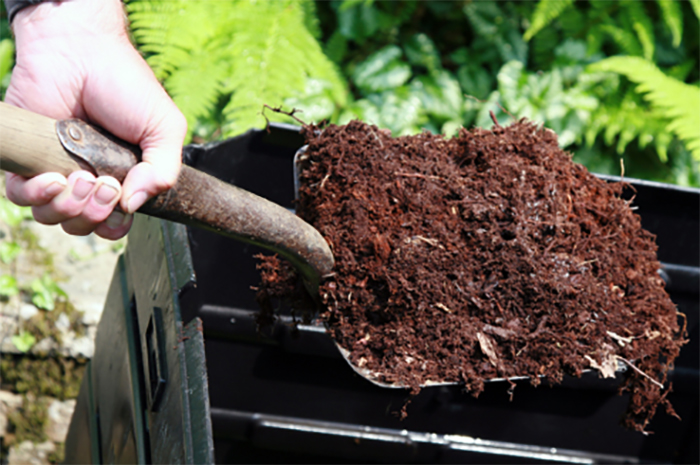
Compost is decomposed organic matter like leaves and food scraps. It adds nutrients and improves soil structure. Compost tea is a liquid made by soaking compost in water. This tea provides nutrients quickly and supports beneficial microbes. Both enrich soil naturally and boost plant growth.
Manure Varieties
Manure comes from animals like cows, horses, and chickens. It is rich in nitrogen and other nutrients. Well-aged manure is safe and effective for gardens. Fresh manure can burn plants and should be composted first. Manure improves soil texture and water retention.
Bone Meal And Blood Meal
Bone meal is made from ground animal bones. It is high in phosphorus, important for root growth. Blood meal comes from dried animal blood and is rich in nitrogen. Both are fast-acting and help plants develop strong roots and leaves. Use them carefully to avoid overfeeding.
Seaweed And Fish Emulsions
Seaweed fertilizer is made from sea plants. It contains minerals and growth hormones that boost plant health. Fish emulsion is a liquid made from fish waste. It supplies nitrogen, phosphorus, and potassium. Both are gentle fertilizers that improve plant vigor and resistance to stress.
Preparing Your Garden Soil
Preparing your garden soil is the first step to a healthy organic garden. Good soil supports strong plants and vibrant growth. It needs nutrients, the right pH, and plenty of organic matter. Taking time to prepare your soil helps plants get the food they need naturally. This process also improves soil texture and water retention.
Testing Soil Nutrients
Testing soil nutrients shows what your garden soil lacks. Use a simple soil test kit or send a sample to a lab. The test checks levels of nitrogen, phosphorus, and potassium. These are key nutrients for plant growth. Knowing nutrient levels helps you choose the right organic fertilizers. Avoid adding too much or too little fertilizer.
Adjusting Ph Levels
Soil pH affects how plants absorb nutrients. Most plants prefer a pH between 6.0 and 7.0. Test your soil pH with a kit or meter. If soil is too acidic, add lime to raise pH. If soil is too alkaline, add sulfur to lower pH. Adjust pH slowly and retest after a few weeks. Balanced pH helps plants grow better.
Incorporating Organic Matter
Adding organic matter improves soil health and texture. Use compost, aged manure, or leaf mold. Spread a 2-3 inch layer over your garden soil. Mix it well into the top 6-8 inches of soil. Organic matter increases nutrients and water retention. It also encourages beneficial soil microbes. Healthy soil leads to strong, productive plants.

Credit: drearth.com
Application Techniques
Applying organic fertilizers correctly helps plants absorb nutrients well. Using the right technique boosts garden health and growth. Different methods suit different plants and soil types. Choose the best way to feed your garden naturally.
Top Dressing
Top dressing means spreading fertilizer on the soil surface. Use compost, manure, or organic pellets. Sprinkle evenly around plants, avoiding direct contact with stems. Water lightly to help nutrients soak into the soil. Top dressing improves soil structure and feeds plants slowly.
Side Dressing
Side dressing places fertilizer beside plant rows or roots. Dig a shallow trench near plants and add organic material. Cover it lightly with soil. This method delivers nutrients close to roots for quick use. Side dressing works well for vegetables and fast-growing plants.
Liquid Feeding
Liquid feeding uses diluted organic fertilizers in water form. Mix compost tea or fish emulsion with water. Pour around the base of plants or spray on leaves. Liquid feeding offers fast nutrient absorption. Repeat every two weeks for best results.
Mulching With Organic Materials
Mulching covers soil with organic matter like straw or leaves. Spread mulch around plants to retain moisture and add nutrients. As mulch breaks down, it enriches the soil naturally. Mulching also controls weeds and keeps roots cool.
Timing For Fertilizing
Timing is key when fertilizing a garden with organic products. Applying fertilizer at the right time helps plants absorb nutrients better. It also prevents waste and protects the environment. Understanding the best moments to fertilize boosts plant growth and health.
Seasonal Considerations
Seasons affect how plants use nutrients. In spring, plants start growing quickly and need more food. Fertilize early to support new leaves and roots. Summer heat can slow nutrient uptake. Use lighter feeding to avoid stressing plants. In fall, feed plants to prepare them for winter. Avoid fertilizing in winter when plants rest.
Plant Growth Stages
Plants need different nutrients at each growth stage. During seedling stage, use mild fertilizer to avoid burning roots. When plants grow leaves, add nitrogen-rich fertilizer. For flowering and fruiting, use phosphorus and potassium. Adjust fertilizer type as plants change. This helps plants thrive throughout their life.
Frequency Of Application
Organic fertilizers release nutrients slowly. Apply every 4 to 6 weeks for steady feeding. Avoid over-fertilizing, which can harm plants. Watch plants closely to spot nutrient needs. Adjust frequency based on soil and weather. Regular, balanced feeding keeps your garden healthy.
Credit: drearth.com
Common Mistakes To Avoid
Fertilizing your garden with organic products can boost plant growth and soil health. Yet, common mistakes may harm your efforts and plants. Avoid these errors to keep your garden thriving and safe.
Over-fertilizing Risks
Applying too much fertilizer can burn plant roots. It may lead to weak growth and fewer fruits or flowers. Excess nutrients can also wash away, polluting nearby water sources. Use the right amount to protect plants and the environment.
Ignoring Soil Testing
Not testing soil before fertilizing wastes time and money. Soil tests show nutrient levels and pH balance. This information helps choose the right organic fertilizer. Test soil regularly to meet your garden’s specific needs.
Using Incompatible Fertilizers
Mixing fertilizers that do not work well together can harm plants. Some organic products may conflict, reducing nutrient availability. Read labels carefully and avoid combining incompatible products. Choose fertilizers that suit your soil and plants.
Tips For Thriving Organic Gardens
Growing an organic garden takes care and smart planning. Healthy soil and plants depend on good habits. Use natural methods to keep your garden strong and productive. These tips help your garden thrive without chemicals.
Focus on soil health, plant relationships, and water use. These elements work together to boost growth and reduce pests. Follow these simple steps for a flourishing organic garden.
Crop Rotation Benefits
Crop rotation means changing plant types in the same spot each season. This stops soil from losing key nutrients. Different plants use different nutrients, so rotation keeps soil balanced.
Rotating crops also breaks pest and disease cycles. Pests that like one plant won’t find their favorite food every year. This reduces the need for pesticides. Crop rotation keeps your garden healthy and strong.
Companion Planting
Companion planting means growing certain plants close together. Some plants help others grow better or keep pests away. For example, planting marigolds near tomatoes can reduce bugs.
This method improves plant health naturally. It saves space and supports biodiversity. Companion planting creates a balanced garden ecosystem. This helps plants grow with less stress and more nutrients.
Watering Practices
Water plants deeply but less often. This encourages strong roots and saves water. Avoid watering leaves to prevent diseases. Use drip irrigation or soaker hoses for best results.
Water early in the morning or late in the evening. This reduces evaporation and keeps soil moist longer. Proper watering supports healthy growth and nutrient uptake. Your plants will stay vibrant and resilient.
Frequently Asked Questions
What Are The Best Organic Fertilizers For Gardens?
The best organic fertilizers include compost, manure, bone meal, and worm castings. These enrich soil naturally and improve plant growth without chemicals.
How Often Should I Fertilize My Garden Organically?
Fertilize organic gardens every 4 to 6 weeks during the growing season. This ensures steady nutrient supply and healthy plant development.
Can Organic Fertilizers Improve Soil Health?
Yes, organic fertilizers enhance soil structure and microbial activity. They increase nutrient retention and promote long-term garden fertility.
Is Compost Better Than Chemical Fertilizer For Plants?
Compost provides slow-release nutrients and improves soil quality. It is safer and more sustainable than chemical fertilizers for garden health.
Conclusion
Organic fertilizing helps your garden grow strong and healthy. It feeds plants with natural nutrients from the soil. You protect the environment and avoid harmful chemicals. Using compost, manure, and other organic products keeps the garden safe. It also supports beneficial insects and improves soil quality.
Regular feeding in small amounts works best for growth. Remember, patience is key; results take time but last longer. Choose organic methods to enjoy a greener, safer garden space. Your plants will thank you with vibrant blooms and fresh produce.