
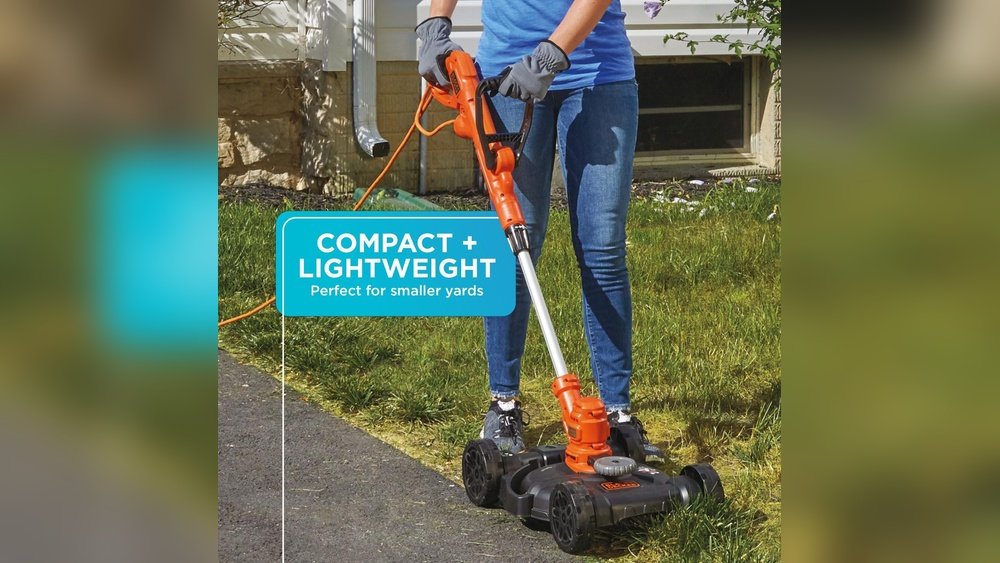
If you want your small lawn to look neat and professionally maintained, mastering the electric edger is key. Using an electric edger might seem tricky at first, but once you get the hang of it, you’ll create clean, sharp edges that make your yard stand out.
In this guide, you’ll learn simple steps to use your electric edger effectively—no complicated tools or experience needed. By the end, you’ll save time and impress your neighbors with a perfectly edged lawn that enhances your home’s curb appeal. Ready to take your lawn care to the next level?
Let’s dive in and get those edges crisp!

Credit: www.youtube.com
Choosing The Right Electric Edger
Choosing the right electric edger is key to keeping small lawns neat and tidy. The right tool makes edging easier and faster. It also helps create clean, sharp lines along sidewalks, driveways, and garden beds. Selecting an edger that fits your lawn size and your comfort level improves your overall experience. Consider the types, features, and safety gear before buying.
Types Of Electric Edgers
There are two main types of electric edgers: corded and cordless. Corded edgers provide continuous power but limit movement due to the cord. Cordless edgers run on batteries, giving more freedom to move around. For small lawns, cordless models are often more convenient. Some edgers have adjustable blades for different edging depths. Choose one that suits your lawn size and shape.
Features To Consider
Look for adjustable handles to fit your height and comfort. A lightweight design reduces fatigue during use. Check the blade size; smaller blades work better on tight spaces. Variable speed controls allow more precision. Easy blade replacement and cleaning features save time. Noise level matters for quiet neighborhoods. Also, consider the battery life for cordless edgers to cover your whole lawn without recharging.
Safety Gear Essentials
Always wear safety glasses to protect your eyes from flying debris. Gloves help prevent blisters and improve grip. Ear protection reduces noise impact on your hearing. Wear long pants and closed shoes to protect your legs and feet. Avoid loose clothing that could get caught in the edger. Keeping safety gear on ensures a safer and more comfortable edging session.
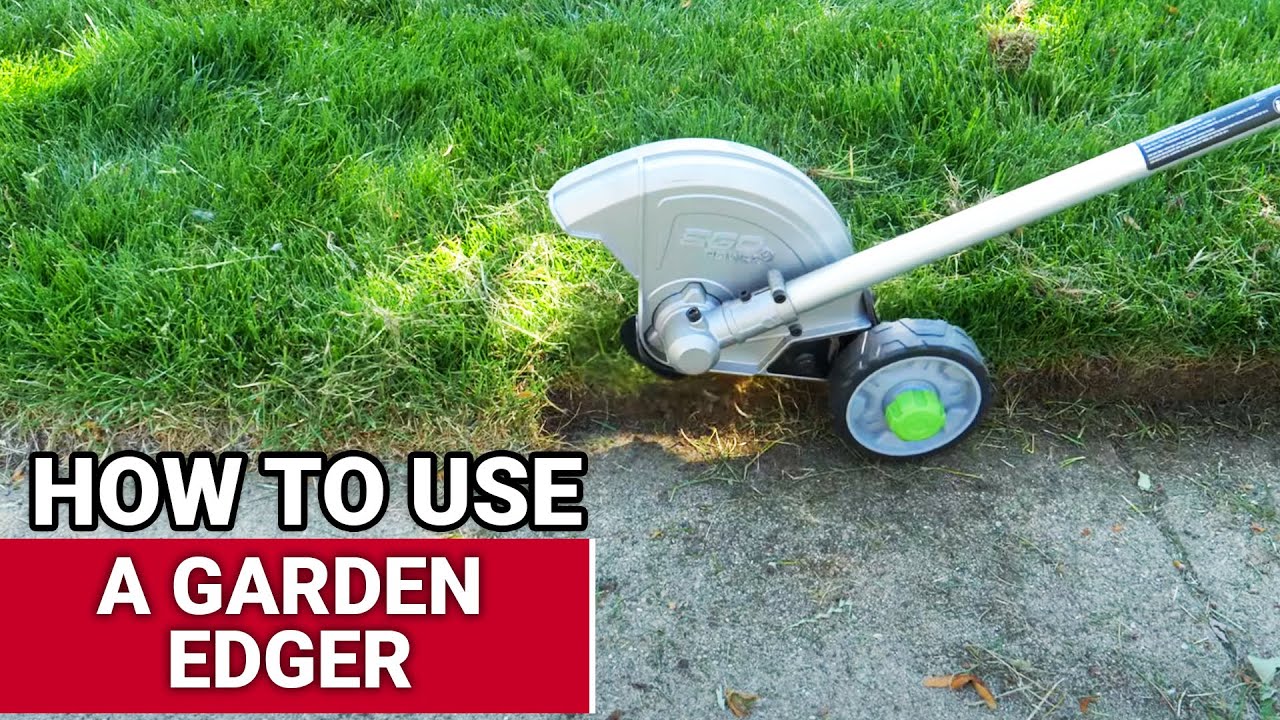
Credit: www.youtube.com
Preparing Your Lawn
Proper preparation makes edging easier and improves results. Before using an electric edger, get your lawn ready. This step saves time and avoids mistakes. Follow these simple tasks to prepare your small lawn for edging.
Clearing Debris And Obstacles
Remove all sticks, leaves, and stones from the lawn edges. Clear toys, garden tools, and other objects. A clean area prevents damage to the edger blade. It also helps you see the exact edge line. This step keeps the tool safe and your work neat.
Marking Edging Lines
Use string or a garden hose to mark straight lines or curves. This guide keeps the edge smooth and even. Follow the shape you want for your lawn border. Marking helps avoid guesswork and uneven edges. It makes your lawn look tidy and well-kept.
Leveling And Soil Prep
Check the soil along your marked lines. Remove bumps and fill low spots with soil. Firm the soil gently to create a flat surface. Level ground helps the edger cut cleanly and deeply. Soft or uneven soil can cause uneven edges or blade damage.
Operating The Electric Edger
Operating an electric edger requires focus and care. This tool shapes the borders of your small lawn, giving it a neat and tidy look. Handling it correctly ensures safety and a clean edge.
Starting The Tool Safely
Before starting, wear safety glasses and gloves. Check the area for stones or debris. Plug in the electric edger and hold it firmly. Press the power switch gently to start the blade. Keep your hands away from the cutting edge at all times.
Proper Grip And Stance
Hold the edger with both hands for balance. Keep your arms slightly bent but relaxed. Stand with feet shoulder-width apart. Position one foot slightly forward to maintain stability. Keep your body straight and avoid leaning too much.
Controlling Depth And Speed
Set the blade depth according to the grass height. Start shallow and adjust deeper if needed. Move the edger slowly along the edge. Avoid forcing the blade too fast or too deep. A steady pace gives a smooth, even cut.
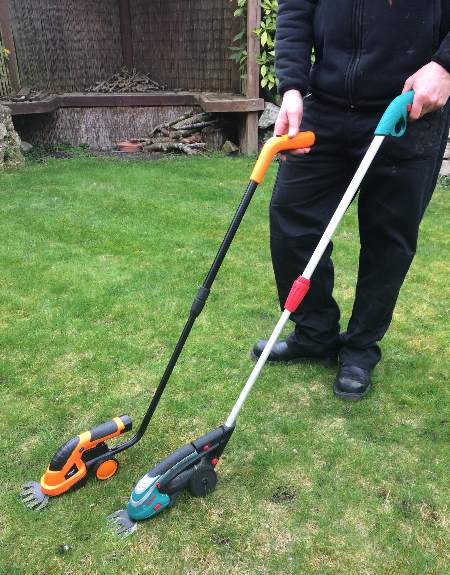
Credit: dmc-nordic.com
Techniques For Precise Edging
Precise edging enhances the look of small lawns. Using an electric edger correctly creates clean, sharp borders. It defines the lawn edges and separates grass from walkways or flowerbeds. Practice specific techniques to achieve smooth, professional results every time.
Straight Lines And Curves
For straight lines, hold the edger steady and move it slowly. Keep the blade vertical and follow the edge of the lawn closely. Use a string or garden hose as a guide for perfect straight lines. Curves require gentle, steady movements. Turn the edger handle smoothly to follow the curve shape. Avoid sudden changes in direction to keep edges even.
Handling Corners And Tight Spots
Corners need careful attention. Approach corners slowly and tilt the edger slightly to reach tight spaces. Use short, controlled passes to avoid cutting too deep. For narrow areas, try edging from different angles. This method prevents damage to nearby plants and keeps the edge neat.
Maintaining Consistent Edging Width
Keep the edging width uniform for a balanced look. Check the depth and distance from the lawn edge regularly. Adjust the edger blade height as needed to maintain the same width. Consistent speed and steady hand movements help keep edges smooth and even. Regular breaks prevent fatigue and loss of control.
Common Mistakes To Avoid
Using an electric edger on small lawns can be simple and effective. Avoiding common mistakes improves your lawn’s look and saves time. These errors often cause uneven edges or damage your grass. Focus on proper steps and safety to get the best results.
Skipping Lawn Preparation
Many people start edging without clearing the lawn first. Leaves, sticks, and debris block the blade. This causes uneven cuts and can damage the edger. Always remove obstacles before edging.
Check the soil near edges too. Soft or wet soil makes the blade sink too deep. Dry and firm soil gives better control and cleaner lines.
Shallow Or Uneven Edging
Cutting too shallow leaves grass overgrown at the edges. Deep cuts can harm roots and kill grass. Find a balance by adjusting the blade depth properly.
Move the edger slowly and steadily. Quick or jerky moves create uneven lines. Keep the tool straight and follow the edge carefully for neat results.
Neglecting Safety Measures
Electric edgers have sharp, fast blades. Avoid injuries by wearing safety glasses and closed shoes. Loose clothes or jewelry can get caught, so wear fitted clothing.
Always check the power cord position. Keep it behind you to prevent cutting it accidentally. Turn off the edger before cleaning or moving it to stay safe.
Material And Installation Tips
Choosing the right materials and installing them correctly makes edging easier and lasts longer. This section covers important tips on materials and installation for small lawn edging. Follow these simple steps for a neat and durable lawn edge.
Choosing Durable Edging Materials
Pick materials that resist weather and wear. Plastic edging is affordable and flexible. Metal edging lasts longer and holds shape well. Wood offers a natural look but needs treatment to avoid rot. Consider your lawn’s style and climate when choosing. Durable materials reduce maintenance and keep edges sharp.
Proper Depth And Securing Methods
Dig a trench deep enough to hold edging firmly. Usually, 3 to 4 inches deep works well. Place the edging so its top is level with the grass surface. Secure the edging with stakes or spikes every 12 to 18 inches. This prevents movement and keeps the edge straight. Check the alignment as you install to avoid gaps or curves.
Ensuring Adequate Drainage
Good drainage stops water from pooling along the edge. Avoid blocking natural water flow with edging. Add small gaps or holes in plastic edging if needed. Slope the soil slightly away from the edge to guide water away. Proper drainage prevents soil erosion and keeps your lawn healthy.
Maintaining Your Edged Lawn
Maintaining your edged lawn keeps it neat and healthy. Regular care helps the edges stay sharp and the lawn look clean. Small lawns especially benefit from consistent attention. Proper maintenance prevents overgrowth and keeps your yard tidy all season.
Regular Trimming And Cleaning
Trim your lawn edges every week or two. This prevents grass from growing over the edge. Use your electric edger carefully along the border. Remove clippings and debris after each edging session. Clean edges allow grass to grow evenly and look well-kept.
Inspecting And Adjusting Edges
Check your lawn edges often for uneven spots or gaps. Adjust the electric edger’s depth if edges are too shallow or deep. Fix curves and corners by edging slowly and precisely. Well-defined edges improve the lawn’s overall appearance.
Seasonal Care Tips
Prepare your lawn edges for each season. In spring, clear any dead grass and debris. During summer, trim edges regularly to control fast growth. In fall, remove leaves and prepare edges for winter. Proper seasonal care keeps edges strong and neat year-round.
Enhancing Your Edging Skills
Improving your skills with an electric edger makes lawn care easier and more precise. Taking time to practice and learn helps you create clean and neat edges around your small lawn. Small improvements in your technique lead to better results and a well-maintained yard.
Practicing With String Trimmers
Start by using a string trimmer to practice edging lines. String trimmers help you get used to following lawn edges smoothly. This tool is lighter and easier to control, making it perfect for beginners. As you improve, you will find it easier to switch to an electric edger. Practicing with string trimmers builds your confidence and control.
Upgrading Tools For Efficiency
Using the right tools speeds up your edging tasks. Look for electric edgers with adjustable depth settings for better control. Choose models with comfortable handles to reduce fatigue during use. Upgrading to a more powerful edger helps you cut through tough grass and soil easily. A well-chosen tool makes your lawn edges sharper and cleaner.
Learning From Expert Tutorials
Watching expert tutorials shows you how to use an electric edger correctly. Professionals share tips on angle, speed, and safety to improve your technique. Tutorials often demonstrate common mistakes and how to avoid them. Following step-by-step videos helps you understand the best practices for neat lawn edges. Learning from experts shortens your learning curve and improves your results.
Frequently Asked Questions
How Do You Use An Electric Edger?
Wear safety glasses and hold the edger firmly. Start the motor, then guide the blade along lawn edges. Move steadily to create clean, straight lines. Keep the blade perpendicular to the ground and avoid rushing for best results. Turn off before adjusting or moving.
What Are Common Mistakes When Edging?
Common edging mistakes include skipping site prep, using cheap materials, shallow or uneven installation, ignoring drainage, poor planning for curves, and neglecting maintenance. These errors cause shifting, uneven edges, and grass overgrowth, reducing the lawn’s neat appearance and edging durability.
How To Edge A Small Lawn?
To edge a small lawn, clear debris and mark the edge line. Use an electric or manual edger to cut along the line. Dig about 4-6 inches deep for clean edges. Remove clippings, then secure edging materials if used. Finish by trimming grass along the edge for neatness.
Do You Walk Forward Or Backward With An Edger?
Walk forward with an edger to maintain control and create clean, straight edges. Moving backward reduces accuracy and safety.
Conclusion
Using an electric edger keeps small lawns neat and tidy. Always wear safety gear and work slowly for best results. Clear debris and plan your edges before starting. Keep the blade at the right depth to avoid damage. Regular edging helps your lawn look fresh and well cared for.
With practice, you will create clean, straight lines easily. A well-edged lawn adds beauty and value to your home. Start simple, stay patient, and enjoy a crisp lawn edge every time.