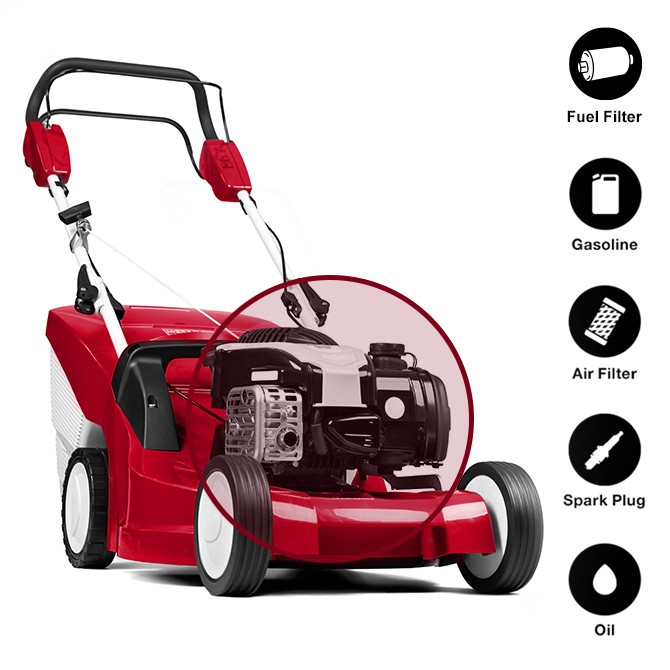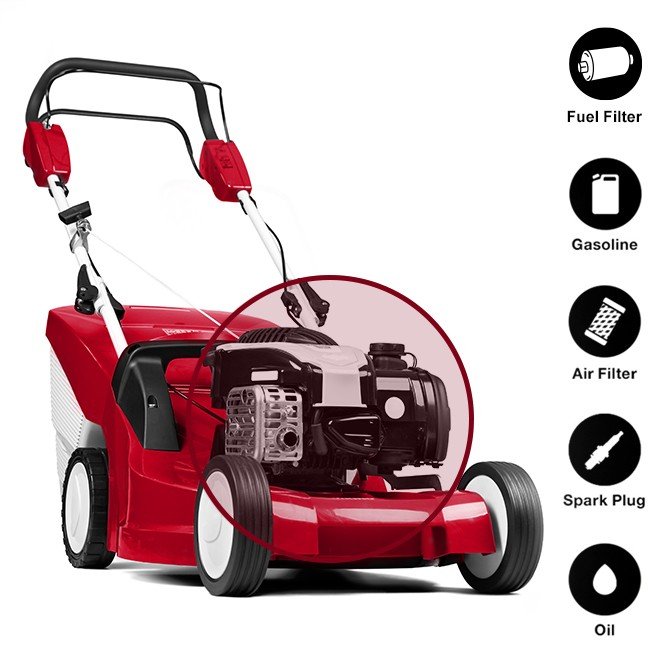
A self-propelled lawn mower that won’t move might have issues with the drive belt, wheels, or transmission.
Maintaining a pristine lawn can be rewarding, but a self-propelled lawn mower that refuses to move can quickly turn frustration into a daunting task. Understanding how to troubleshoot this issue not only saves time but also avoids unnecessary expenses. This guide will walk you through practical steps, combining expert advice with personal experiences, to help you confidently tackle this common problem. Let’s dive into self-propelled lawn mower troubleshooting to get your mower moving again.
Inspecting the Drive Belt
Steps to Check the Drive Belt
The drive belt is crucial for transferring power from the engine to the wheels.
-
Check for Wear and Tear: Look for cracks, fraying, or slackness. If the belt appears damaged, it likely needs replacement.
-
Ensure Proper Alignment: A misaligned belt can cause movement issues. Align it correctly on the pulleys.
-
Tension Adjustment: Test the tension; a loose belt won’t transmit power efficiently. Adjust it as needed.
Regular inspections can prevent many issues before they disrupt your mowing routine.

Evaluating the Wheels
Wheel Maintenance Tips
Wheels play a pivotal role in the movement of your mower.
-
Examine for Obstructions: Remove any lodged debris, like grass clippings or twigs.
-
Check Tire Pressure: Proper inflation is vital for smooth operation. Adjust as necessary.
-
Inspect Wheel Gears: Ensure gears are clean and engaged correctly. Worn gears may require replacement.
Timely wheel maintenance can significantly enhance performance.

Analyzing the Transmission
Transmission Troubleshooting Steps
The transmission converts engine power into movement, so it’s essential to ensure it's functioning properly.
-
Check Transmission Fluid: Low fluid levels can hinder performance. Refill with the right type of oil if needed.
-
Test the Cable Connection: A loose or broken cable can disrupt the transmission. Secure or replace cables as necessary.
-
Examine for Internal Damage: If strange noises persist, consider taking the mower to a professional for a thorough inspection.
Understanding the transmission’s role can help in correctly diagnosing issues.