
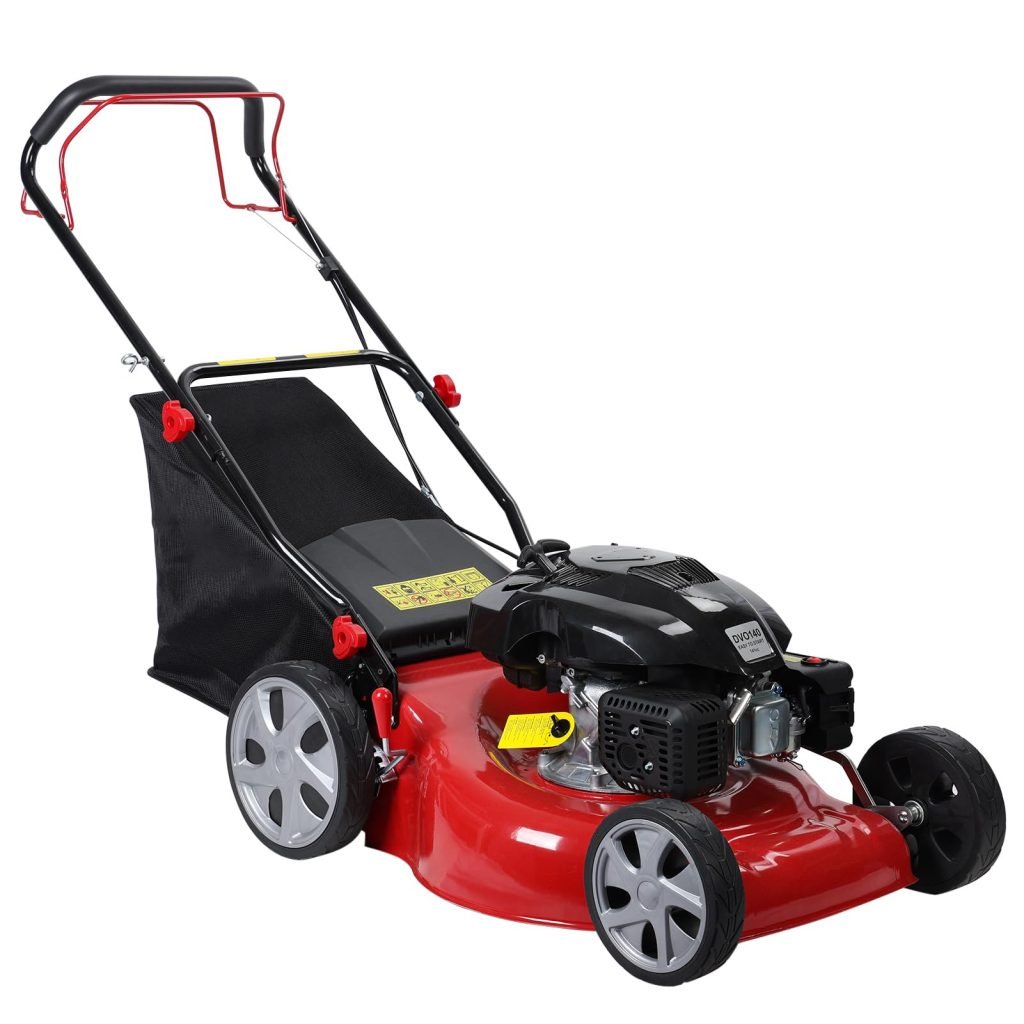
Starting a gas lawn mower involves checking the fuel, priming, and pulling the starter cord. If you’re looking to start a gas lawn mower, this guide will help you understand the process step-by-step. Whether you’re a beginner or just need a refresher, learning how to start gas lawn mower correctly is essential for efficient lawn care.
If you're new to lawn care or just bought your first gas lawn mower, starting it can seem daunting. But with the right guidance, you'll soon find it as easy as a morning stroll through the grass. This guide will walk you through every step, providing insights and practical advice to ensure you approach this task with confidence and ease. Let's dive into the world of gas lawn mowers and get you started on the right foot.
Understanding the Basics
Before you handle a gas lawn mower, getting familiar with the fundamental components is crucial. Understanding each part helps you troubleshoot potential problems and maintain the equipment effectively.
- Fuel Tank: Holds the gasoline—make sure it’s full with the correct fuel.
- Oil Reservoir: Ensures the engine runs smoothly; check the oil level regularly.
- Spark Plug: Ignites the gasoline; vital for starting the engine.
- Primer Bulb: Prepares the carburetor by providing it with fuel.
Pre-Startup Checks
Performing pre-startup checks ensures your mower runs smoothly without hiccups, extending its lifespan and performance.
- Check Fuel Level: Ensure the tank is filled with fresh gasoline. Old or stale fuel can prevent starting.
- Inspect Oil Level: Locate the dipstick, wipe it clean, reinsert, and then check. Add oil if necessary.
- Examine the Air Filter: A clean filter improves efficiency. Replace if it appears dirty.
- Spark Plug Condition: Look for wear and tear. A worn spark plug can impede starting.
Starting the Gas Lawn Mower
-
Prime the Engine:
- Locate the primer bulb and press it 3-5 times to send fuel into the engine.
-
Set the Throttle:
- Move the throttle lever to the "Fast" or "Start" position.
-
Engage the Safety Handle:
- Hold down the safety handle/bar to engage the engine. This is crucial for preventing accidental startups.
-
Pull the Starter Cord:
- Stand back and pull the cord firmly. It may take a few pulls, especially if it’s the first start of the season.
Troubleshooting Common Issues
Getting your lawn mower running might not always be a smooth process. Here are some common troubleshooting tips:
- Engine Doesn’t Start: Check fuel levels, spark plug, and air filter.
- Engine Starts but Dies: Ensure the fuel is fresh and the carburetor is clean.
- Hard to Pull Starter Cord: Inspect for any obstructions or tight coil springs.
Maintenance Tips
Regular maintenance extends the life of your lawn mower and ensures efficient operation:
- Regular Oil Changes: Change the oil after every 50 hours of use.
- Sharp Blade Maintenance: Keep blades sharp for a clean cut and better performance.
- End-of-Season Storage: Drain fuel and clean the mower thoroughly before storing it away.
Frequently Asked Questions
How often should I change the oil?
Change the oil after every 50 hours of operation or at least once a season.
What type of fuel should I use?
Regular unleaded gasoline works well. Avoid ethanol-blended fuels over 10%.
Why does my mower not start after winter?
Fuel left in the tank over winter may have gone bad. Drain and replace it with fresh gasoline.