

Last updated: October 2026 · Written by the LawnVibe editorial team.
The best garden spade for most gardeners is a strong steel spade with a sharpened edge, wide foot treads and a sturdy D-handle, and our top pick is the Fiskars 44-Inch Pro Garden Spade. If you dig in heavy clay or stony ground, a forged spade like the Spear & Jackson Neverbend is tougher. For transplanting and dividing perennials, the DeWit Dutch Digging Spade slices deep, while a stainless border spade is easier to control in raised beds.
Our picks are based on manufacturer specifications, Amazon listing details and established horticultural guidance, not on hands-on testing. We do not list prices because they change frequently. For a deeper look at blade shapes and handles, see our guide on how to choose the right garden spade.
Our Top Picks
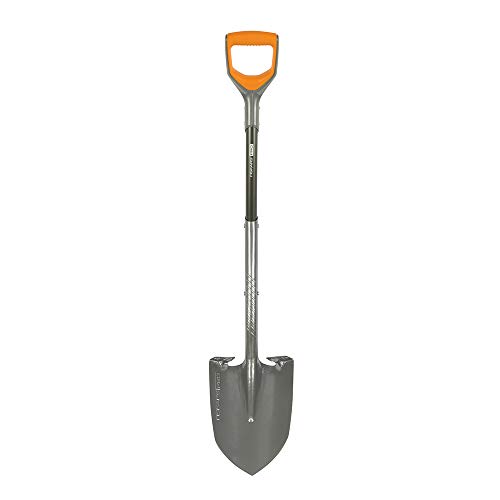
Fiskars 44-Inch Pro Garden Spade
Best for: Everyday digging in most soils
A heavy-gauge steel spade with a sharpened edge and an aluminum D-handle that Fiskars designs for digging and prying without separation.
- Sharpened edge bites into soil
- Strong D-handle
- Widely available
- Heavier than stainless border spades
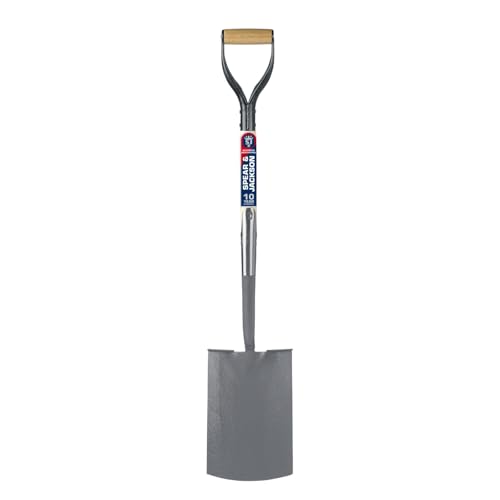
Spear & Jackson Neverbend Professional Treaded Digging Spade
Best for: Clay, rocky and compacted soil
A forged carbon steel spade with a treaded top edge for foot pressure and a weatherproofed hardwood shaft.
- Forged carbon steel
- Treads protect boots and add leverage
- Carbon steel needs oiling to prevent rust

DeWit Dutch Digging Spade
Best for: Transplanting and dividing perennials
A Dutch-style spade made from heat-treated boron steel for slicing deep into soil.
- Hardened boron steel
- Slices deep cleanly
- Premium cost

Root Slayer 22011 Serrated Garden Shovel
Best for: Ground full of roots
A serrated blade with a sharpened inverted-V tip designed to cut through roots and packed soil.
- Serrated edges cut roots
- V tip penetrates hard ground
- Pointed shape is less tidy for edging

Spear & Jackson Traditional Stainless Border Spade
Best for: Raised beds and tight spaces
A smaller mirror-polished stainless steel spade that resists rust and sheds soil, with a wishbone handle.
- Stainless sheds sticky soil
- Compact for tight beds
- Smaller blade moves less soil

Bully Tools 13-Inch All-Steel Spade with D-Grip
Best for: Landscaping, trenching and tough jobs
A 12-gauge all-steel spade with closed back, made for commercial-grade digging.
- All-steel build
- Closed back sheds debris
- Heavy for long sessions

AMES Tempered Steel Garden Spade, 43-Inch
Best for: Flower beds and light digging
A tempered steel spade with an arched blade for cutting sod and a poly D-grip.
- Affordable
- Arched blade for edging
- Lighter-duty construction

TruPro Turned-Steps Garden Spade, 48-Inch Handle
Best for: Taller gardeners and leverage
A 14-gauge spade with turned steps and a long 48-inch hardwood handle for reach and leverage.
- Long handle for leverage
- Turned steps
- Long handle is less precise in tight beds
Comparison Table
| # | Product | Best for | Link |
|---|---|---|---|
| 1 | Fiskars 44-Inch Pro Garden Spade | Everyday digging in most soils | Check price |
| 2 | Spear & Jackson Neverbend Professional Treaded Digging Spade | Clay, rocky and compacted soil | Check price |
| 3 | DeWit Dutch Digging Spade | Transplanting and dividing perennials | Check price |
| 4 | Root Slayer 22011 Serrated Garden Shovel | Ground full of roots | Check price |
| 5 | Spear & Jackson Traditional Stainless Border Spade | Raised beds and tight spaces | Check price |
| 6 | Bully Tools 13-Inch All-Steel Spade with D-Grip | Landscaping, trenching and tough jobs | Check price |
| 7 | AMES Tempered Steel Garden Spade, 43-Inch | Flower beds and light digging | Check price |
| 8 | TruPro Turned-Steps Garden Spade, 48-Inch Handle | Taller gardeners and leverage | Check price |
A Closer Look at Each Pick
Fiskars 44-inch Pro, best overall. Fiskars builds this spade from heavy-gauge steel with a sharpened edge and joins it to an aluminum D-handle designed not to separate under prying force. It handles bed preparation, planting holes and dividing plants well, and Fiskars tools are easy to find. It is heavier than a stainless border spade, but that weight helps it bite into firm soil. Check current price on Amazon
Spear and Jackson Neverbend, best forged spade. Forged carbon steel is shaped under heat and pressure, producing a blade that resists bending. The treaded top edge gives your boot a stable platform, and the hardwood shaft absorbs some shock. Keep it clean and lightly oiled to prevent rust. Check current price on Amazon
DeWit Dutch Digging Spade, best for deep digging. DeWit's heat-treated boron steel blade is designed to slice deep into soil, which makes it a favorite for transplanting shrubs and dividing perennials with large root balls. It is a premium tool built for long life. Check current price on Amazon
Root Slayer serrated, best for roots. If your garden is full of tree roots, the serrated edges and sharpened V tip help cut through instead of bouncing off. It is less suited to neat edging than a flat spade, so many gardeners keep it as a second tool. Check current price on Amazon
Spear and Jackson stainless border spade, best border spade. A smaller head is easier to control between established plants and in raised beds, and mirror-polished stainless steel sheds sticky soil and resists rust. It moves less soil per scoop, so it is not the best choice for big digging projects. Check current price on Amazon
Bully Tools 13-inch all-steel, best heavy-duty. With a 12-gauge steel blade and all-steel construction, this spade is built for landscaping, trenching and tough jobs where wooden handles might snap. The trade-off is weight. Check current price on Amazon
AMES tempered steel, best budget. The arched blade cuts sod in straight or curved lines and works well for light digging and flower beds. It is an affordable choice for occasional gardeners. Check current price on Amazon
TruPro turned-steps, best long handle. A 48-inch handle gives taller gardeners more leverage and reduces bending. Turned steps help apply foot pressure, making it useful for trenching and transplanting shrubs. Check current price on Amazon
Spade vs Shovel: Which Do You Need?
A spade has a flatter, straighter blade designed to slice into soil, cut edges, dig straight-sided holes and lift turf. A shovel has a curved, usually pointed blade and is better for scooping and moving loose material such as mulch, gravel or compost. Most gardeners benefit from owning both. For digging in heavy ground, see our guide on choosing the best shovel for digging in clay soil.
How to Choose the Best Garden Spade
Blade Material
Carbon steel is strong and easy to sharpen but rusts if neglected. Forged carbon steel is the toughest option. Stainless steel resists rust and sheds clay but can be harder to sharpen and is often more expensive. Boron steel is hardened for strength and edge retention.
Blade Construction
Forged blades are shaped from a single piece of steel and are less likely to bend. Stamped blades are cut from sheet steel and are lighter and cheaper. Look at how the blade attaches to the handle: a solid socket or strapped connection is stronger than a simple tang.
Blade Shape and Size
Full-size digging spades handle most jobs. Border spades have smaller heads for tight beds. Transplanting spades are long and narrow for deep, narrow holes around root balls. Serrated or V-tipped blades help in rooty ground.
Treads
Foot treads, or turned steps, protect your boots and let you push harder with less discomfort. They are especially useful in hard soil.
Handle Length and Grip
D-grips give control and leverage for lifting, while long straight handles reduce bending and add reach. Handle materials include hardwood, fiberglass, steel and aluminum. Fiberglass resists weather; hardwood absorbs shock; steel is strongest but heaviest.
Weight
A heavier spade drives into soil more easily but tires you faster. Choose a weight you can use comfortably for an hour.
Best Spade for Different Soil Types
| Soil Type | Best Spade Features | Our Pick |
|---|---|---|
| Heavy clay | Forged or stainless blade, treads | Spear and Jackson Neverbend |
| Rocky or rooty | Strong blade, serrated or V tip | Root Slayer |
| Loamy beds | Sharp general-purpose spade | Fiskars Pro |
| Raised beds | Small border spade | Spear and Jackson border spade |
| Deep transplanting | Long, narrow, hardened blade | DeWit Dutch Digging Spade |
How to Use a Garden Spade Correctly
Place the blade vertically, put your foot on the tread and push down with your body weight rather than your back. Lever the handle back gently to loosen soil, then lift with your knees bent. For planting, follow our guide on how to use a garden spade to dig planting holes, and for moving plants, read how to use a garden spade to transplant plants.
Caring for Your Garden Spade
Scrape off soil after each use and rinse if needed, then dry the blade. Oil carbon steel blades lightly to prevent rust. Sharpen the edge with a mill file a few times per season. Sand and oil wooden handles once a year with linseed oil. Store spades indoors or under cover. Our guide on how to sharpen gardening tools at home covers sharpening angles.
Safety Tips When Digging
Before digging deep holes or trenches, contact your local utility locating service so buried lines can be marked; in the United States, dialing 811 is the free call-before-you-dig number. Wear sturdy footwear and gloves, lift with your legs and take breaks to avoid back strain.
Types of Garden Spades Explained
Digging spades are the standard full-size tool for turning beds, digging holes and lifting soil. Border spades have smaller heads and are easier to use between plants and in raised beds. Transplanting spades have long, narrow, slightly curved blades for digging deep around root balls. Edging spades have half-moon or arched blades for cutting crisp lawn edges. Drain spades are long and narrow for trenches and post holes. A digging spade covers most needs, and a border or transplanting spade makes a useful second tool.
Handle Materials Compared
| Handle | Strengths | Limitations |
|---|---|---|
| Hardwood (ash, hickory) | Absorbs shock, comfortable, repairable | Can crack or rot if left out |
| Fiberglass | Weather resistant, strong, light | Can splinter if damaged |
| Steel | Strongest, nearly unbreakable | Heaviest, transmits shock |
| Aluminum | Light and strong | Can bend under extreme prying |
Spade vs Garden Fork
A garden fork, with its tines, is better than a spade for loosening compacted soil, turning compost and lifting root crops without slicing them. A spade is better for cutting edges, digging straight-sided holes and slicing through turf. In heavy clay, many gardeners loosen soil with a fork first and then shape holes with a spade.
Ergonomic Tips for Easier Digging
Choose a handle length that lets you stand upright, with the top of the handle around hip to waist height on a D-grip spade, or longer for a straight handle. Use your body weight on the treads rather than jumping on the blade. Keep your back straight and bend at the knees when lifting soil, and move small loads rather than large ones. Gardeners with back or joint problems may prefer lighter stainless or aluminum-handled spades and shorter sessions.
What Makes a Spade Last
Durable spades share a few traits: a thick or forged blade, a solid socket or strapped joint between blade and handle, a handle material suited to your climate and good care. The weakest point is usually the joint between blade and shaft, so avoid using a spade as a pry bar on rocks and roots unless it is designed for it.
Using a Spade to Edge Lawns
A sharp spade can cut a clean edge between lawn and beds. Stand on the lawn side, push the blade straight down along a string line or hose, then angle it slightly toward the bed to create a small trench. Re-cut edges every few weeks in the growing season to keep them crisp.
Who Needs a Better Spade?
If your current spade bends, the handle loosens, the blade is dull or you avoid digging because it feels like hard work, a better spade will make a noticeable difference. Vegetable gardeners who double-dig or prepare new beds each season, homeowners planting shrubs and trees, and anyone gardening in clay or stony soil benefit most from a quality spade. Occasional gardeners who only plant a few annuals each year can choose a budget or border spade.
Seasonal Jobs for a Garden Spade
In spring, use a spade to prepare beds, edge borders and plant shrubs. In summer, it helps with lifting early potatoes, dividing irises and cutting back spreading plants. Autumn is ideal for planting bulbs, trees and shrubs and for dividing perennials. In winter, when the ground is workable, it can be used for digging new beds and moving dormant plants. A good spade earns its place year-round.
Left-Handed and Smaller Gardeners
Most spades are symmetrical, so they work for left- and right-handed users alike. Smaller gardeners often find a border spade or a shorter D-handle easier to control, while taller gardeners benefit from longer handles. If possible, try the length by standing next to a similar tool before buying.
Common Mistakes When Buying a Garden Spade
Common mistakes include buying a shovel when you need a spade, choosing a spade too heavy for comfortable use, ignoring handle length, picking a stamped blade for heavy clay, skipping treads and neglecting cleaning and sharpening.
The Bottom Line on the Best Garden Spade
The Fiskars 44-Inch Pro Garden Spade is the best garden spade for most gardeners. Choose the Spear and Jackson Neverbend for heavy clay, the DeWit Dutch Digging Spade for deep transplanting, the Root Slayer for rooty ground, a stainless border spade for raised beds, the Bully Tools all-steel spade for heavy landscaping, the AMES for a budget option and the TruPro for extra reach.
More Questions People Ask
What spade do professional gardeners use?
Many professional gardeners favor forged carbon steel or boron steel spades with strong sockets and treads, because they withstand daily use. Brand choice varies widely by region.
Is a pointed or flat spade better?
Flat spades are better for edging, cutting turf and straight-sided holes. Pointed or V-tipped blades penetrate hard or rooty ground more easily.
How heavy should a garden spade be?
Most full-size spades weigh a few pounds. Choose the heaviest spade you can use comfortably, since weight helps it cut into soil but causes fatigue.
Can I use a garden spade to cut roots?
A sharp spade can cut small roots. For thicker roots, use a serrated spade, loppers or a pruning saw to avoid damaging the spade.
Frequently Asked Questions
What is the best garden spade?
For most gardeners, a sturdy steel spade with a sharpened edge, foot treads and a strong D-handle, such as the Fiskars Pro Garden Spade, is the best all-round choice. Pick a forged spade for heavy clay and a stainless border spade for small beds.
What is the difference between a spade and a shovel?
A spade has a flatter, straighter blade for slicing, edging and digging precise holes. A shovel usually has a curved, often pointed blade for scooping and moving loose material.
Is stainless steel or carbon steel better for a spade?
Stainless steel resists rust and sheds sticky soil, while carbon steel, especially forged, is typically stronger and easier to sharpen but needs cleaning and oiling.
What size spade should I buy?
Full-size digging spades suit general work, while smaller border spades are easier to control in raised beds and tight spaces. Taller gardeners may prefer longer handles.
How do I keep a garden spade sharp?
Clean it after use, file the edge at a shallow angle a few times per season and oil carbon steel to prevent rust.