
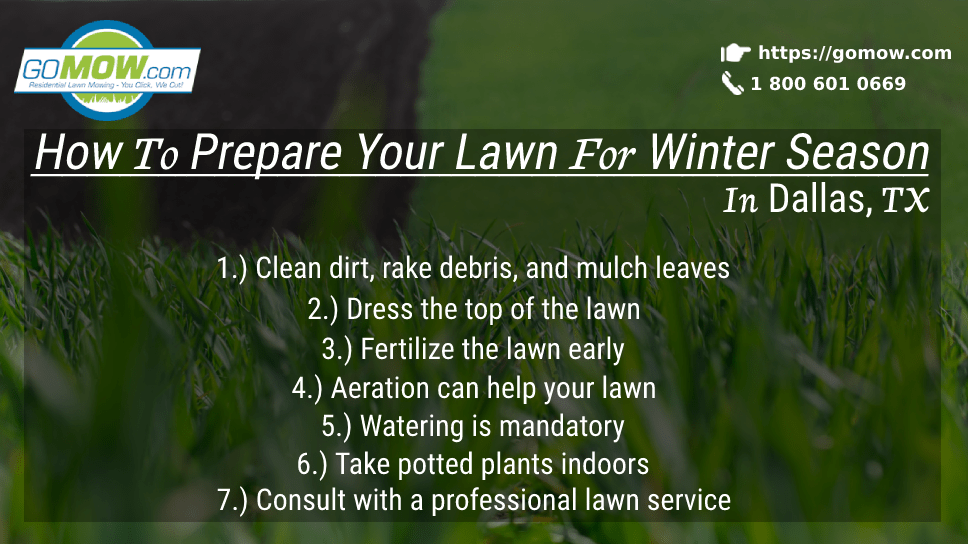
Winter can be tough on your lawn. Cold weather, frost, and snow can cause damage. Preparing your lawn for winter is very important. This guide will help you keep your lawn healthy. Follow these steps to get your lawn ready.
1. Clean Up Your Lawn
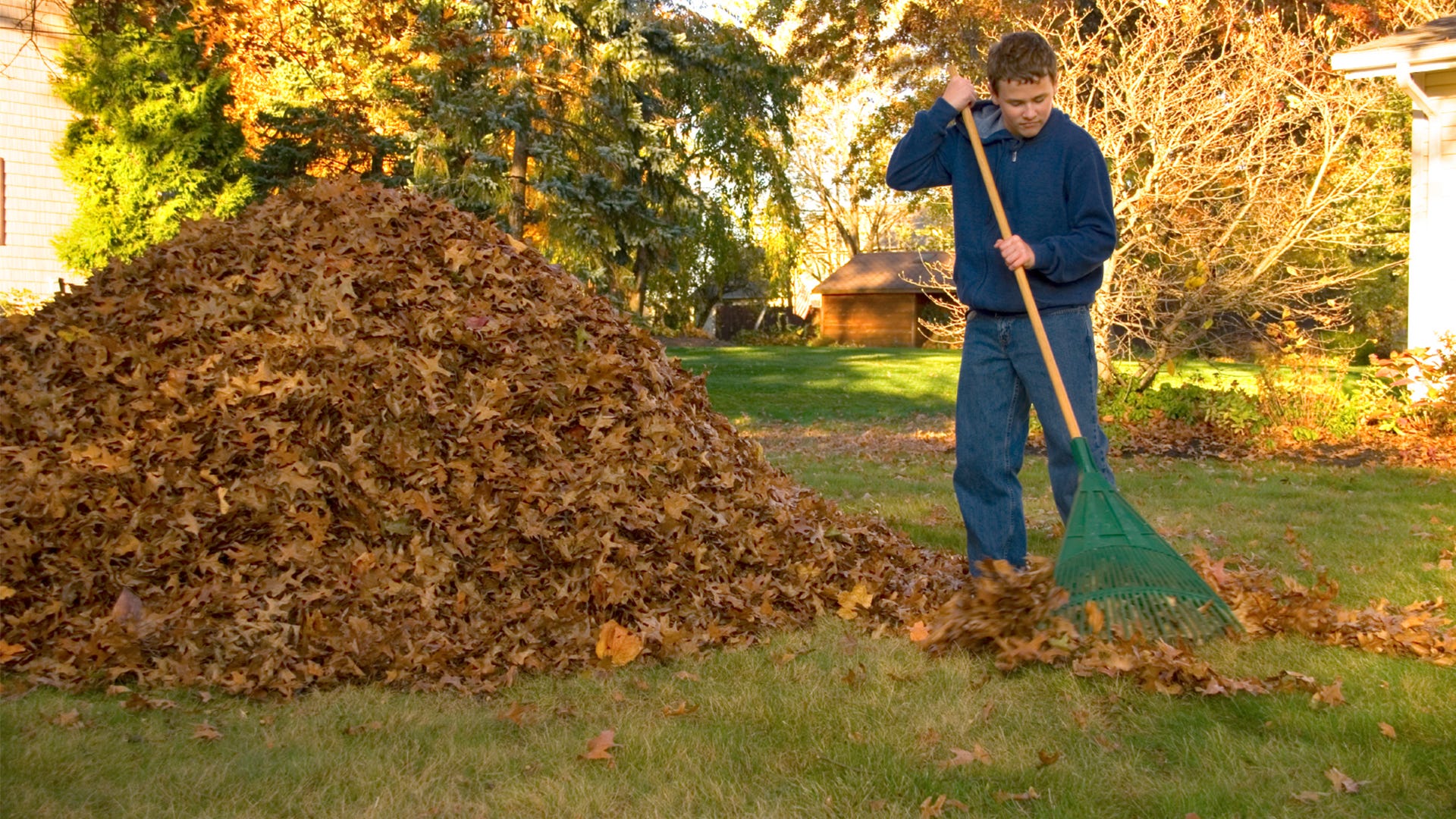
Start by cleaning up your lawn. Remove any leaves, branches, and debris. This will help prevent mold and disease. Clean lawns are healthier and look better.
- Rake up fallen leaves.
- Pick up branches and sticks.
- Remove any garden waste.
2. Mow Your Lawn
Mowing is important even in the fall. Keep the grass at the right height. This helps the grass stay healthy during winter.
- Set your mower to cut grass to about 2 to 2.5 inches.
- Do not cut more than one-third of the grass blade at a time.
- Mow when the grass is dry.
3. Aerate the Soil
Aeration helps your lawn breathe. It allows water and nutrients to reach the roots. Aerating before winter is very helpful.
- Use a lawn aerator to poke holes in the soil.
- Aerate when the soil is moist but not wet.
- Do this once a year in the fall.
Credit: gomow.com
4. Fertilize Your Lawn
Fertilizing gives your grass the nutrients it needs. It helps the grass grow strong roots. Fertilize your lawn before the first frost.
| Fertilizer Type | When to Apply |
|---|---|
| Slow-release fertilizer | Early fall |
| Fast-release fertilizer | Late fall |
- Choose a fertilizer with high potassium content.
- Follow the instructions on the fertilizer bag.
- Water your lawn after fertilizing.
5. Water Your Lawn
Watering your lawn before winter is important. It helps the grass stay hydrated. Do not overwater your lawn.
- Water your lawn in the morning.
- Make sure the soil is moist, not soggy.
- Reduce watering as the temperature drops.
Credit: www.saferbrand.com
6. Control Weeds
Weeds can take over your lawn. They compete with grass for nutrients. Control weeds before winter to keep your lawn healthy.
- Use a pre-emergent herbicide.
- Pull weeds by hand if they are few.
- Do this in early fall before the first frost.
7. Seed Bare Spots
Look for bare or thin spots in your lawn. Seeding these spots can help your lawn look full and healthy.
- Use a seed that matches your grass type.
- Spread the seed evenly over bare spots.
- Water the seeded areas regularly until the grass grows.
8. Mulch Your Lawn
Mulching helps protect your grass. It keeps the soil warm and moist. Mulch your lawn before the first frost.
- Use shredded leaves or grass clippings as mulch.
- Spread a thin layer of mulch over your lawn.
- Do not cover the grass completely.
9. Prevent Lawn Traffic
Walking on your lawn during winter can damage the grass. Try to prevent heavy traffic on your lawn.
- Put up signs to keep people off the grass.
- Create paths for walking.
- Keep pets off the lawn as much as possible.
10. Check Your Lawn Tools
Before winter, check your lawn tools. Make sure they are clean and in good condition. This will help you be ready for spring.
- Clean your mower and other tools.
- Sharpen mower blades.
- Store tools in a dry place.
Frequently Asked Questions
How Do You Prepare Your Lawn For Winter?
Start by mowing the lawn shorter. Remove debris and leaves. Aerate the soil and fertilize appropriately.
Should I Fertilize My Lawn Before Winter?
Yes, fertilizing before winter strengthens roots. Use a winterizer fertilizer to provide essential nutrients during the cold months.
When Should I Stop Mowing My Lawn?
Stop mowing when the grass stops growing, usually after the first frost or when temperatures consistently drop.
Is Aeration Important For Winter Lawn Care?
Yes, aeration helps relieve soil compaction. It improves water and nutrient absorption, which is crucial for winter survival.
Conclusion
Preparing your lawn for winter is important. It helps keep your grass healthy and strong. Follow these steps to get your lawn ready. Clean, mow, aerate, fertilize, and water your lawn. Control weeds, seed bare spots, mulch, and prevent traffic. Check your lawn tools too. By doing this, you will have a beautiful lawn in spring.