
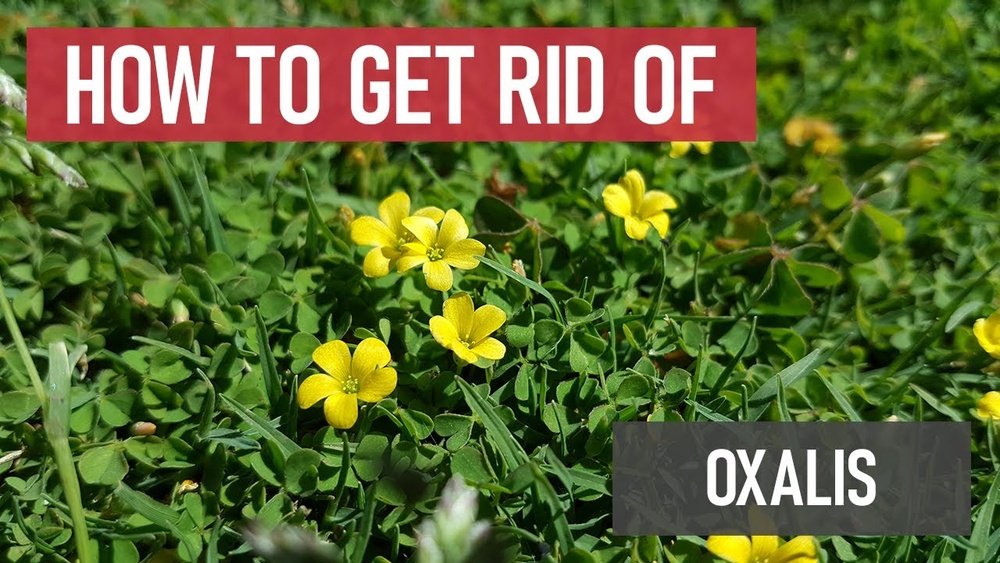
Oxalis sorrel, often called yellow wood sorrel or simply oxalis, is a common weed that frustrates many homeowners. Its clover-like leaves and small yellow flowers may look innocent, but oxalis can quickly spread and damage a beautiful lawn. If you’re noticing patches of oxalis sorrel in your grass, you’re not alone. Many people struggle to control this persistent weed, especially in warm climates and moist lawns. Removing oxalis sorrel takes patience, the right methods, and an understanding of why it keeps coming back. This guide explains how to get rid of oxalis sorrel in your lawn, using proven strategies for both short-term and long-term success. By the end, you’ll know how to identify oxalis, why it grows, and the best steps to remove it for good.
What Is Oxalis Sorrel And Why Is It A Problem?
Oxalis sorrel is a perennial weed. It grows in lawns, gardens, and even cracks in sidewalks. Its leaves look like clover, but oxalis is not related to clover. The plant produces small yellow flowers and forms seed pods that pop open, spreading seeds up to several feet away.
This makes oxalis hard to control once it starts.
The main reasons oxalis sorrel is a problem in lawns:
- Rapid Spread: One plant can produce thousands of seeds. When mature, the seed pods burst and scatter seeds widely.
- Deep Roots: Oxalis has a taproot. Even if you pull the leaves, the root can regrow new plants.
- Tolerance to Mowing: Oxalis survives regular mowing because it grows low to the ground.
- Competition with Grass: It competes for water, nutrients, and sunlight, often making grass look thin and patchy.
Some homeowners think oxalis is harmless, but it can quickly take over and reduce the health and appearance of your lawn. In some regions, oxalis is one of the top five most common lawn weeds, according to university extension reports.
Another important problem is that oxalis can survive droughts better than most grass types. When your lawn suffers from heat or dry weather, oxalis often stays green while grass turns brown. This gives oxalis a head start when conditions improve, making it even harder to remove later.
Identifying Oxalis Sorrel In Your Lawn
Correct identification is important. You need to know what oxalis looks like before you can remove it.
Key features of oxalis sorrel:
- Leaves: Three heart-shaped leaflets, sometimes with a reddish tint.
- Flowers: Small, bright yellow, five petals.
- Growth habit: Forms low patches, often mixed with grass.
- Seed pods: Small green pods that explode when mature.
Oxalis can be confused with clover or creeping woodsorrel, but the flower and leaf shape are different.
Example: If you see a patch with small yellow flowers and heart-shaped leaves, check the seed pods. If they burst when touched, it’s oxalis sorrel.
You may also notice that oxalis leaves close up at night or during very hot weather. This is a special feature called “nyctinasty. ” It helps oxalis conserve water and survive tough conditions. Clover leaves usually stay open all the time, so this is another way to tell them apart.

Credit: www.dailycommercial.com
Why Does Oxalis Sorrel Grow In Lawns?
Understanding why oxalis grows helps you prevent it. Oxalis sorrel thrives in:
- Thin or bare lawn spots: Weeds invade where grass is weak.
- Moist soil: Oxalis likes damp areas, especially after rain or irrigation.
- Low soil fertility: Poor soil encourages weeds.
- Compacted soil: Grass struggles, oxalis takes advantage.
- Shade: Oxalis tolerates shade better than many grass types.
Many people overlook soil health and lawn density. These are non-obvious insights: If you fix soil and grass density, you reduce oxalis without chemicals.
Another factor is the way oxalis can grow from tiny root pieces left in the soil. Even after digging, a small piece of root can regrow into a new plant. This is why you often see oxalis coming back in the same spot, even after pulling it out by hand.
High foot traffic areas are especially at risk—compacted soil makes it harder for grass to spread, but oxalis finds it easier to invade.
Comparing Oxalis Sorrel To Other Common Lawn Weeds
Oxalis sorrel isn’t the only weed in lawns. Here’s a quick comparison:
| Weed | Leaf Shape | Flower Color | Growth Habit | Spread Method |
|---|---|---|---|---|
| Oxalis Sorrel | Heart-shaped | Yellow | Low, patchy | Seed pods, roots |
| Clover | Round, oval | White/Pink | Low, dense | Seeds, runners |
| Dandelion | Lobed, jagged | Yellow | Rosette, upright | Wind-blown seeds |
| Crabgrass | Long, thin | No flower | Spreading | Seeds |
Recognizing the differences helps target oxalis specifically.
It’s worth noting that oxalis can sometimes grow alongside other weeds, making control harder. For example, if you have both oxalis and crabgrass, you may need to use different herbicides or combine manual and chemical methods for best results.

Credit: www.reddit.com
Steps To Remove Oxalis Sorrel From Lawn
Let’s go step by step. Removing oxalis sorrel is a process, not a one-time fix.
1. Manual Removal
Hand-pulling is effective for small patches. Grab the plant at the base and pull gently, trying to remove the taproot. If the root breaks, new plants can grow.
Tips:
- Pull after rain or watering (soil is softer).
- Use a weeding tool for deep roots.
- Check for new growth every week.
Common mistake: Only pulling leaves and leaving roots. Always check for remaining roots.
For best results, wiggle the plant gently before pulling. This loosens the soil around the root and makes it less likely to break. If you see several oxalis plants close together, use a small hand fork or dandelion digger to lift the whole cluster out at once.
2. Mowing And Lawn Care
Regular mowing helps control oxalis, but don’t cut grass too short. Keep your lawn at the recommended height for your grass type (usually 2. 5–3. 5 inches). Taller grass shades out oxalis and prevents seeds from reaching the soil.
Practical insight: Many people mow too short, which encourages weeds. Set your mower higher.
If you bag your lawn clippings, make sure to remove any clippings with oxalis flowers or seed pods. This prevents spreading seeds back onto your lawn. On the other hand, if your lawn is healthy and oxalis-free, mulching the clippings can help return nutrients to the soil.
3. Improve Lawn Density
Thick, healthy grass crowds out oxalis. Overseed bare spots and use fertilizer to boost growth.
- Overseed: Apply new grass seed to thin areas.
- Fertilize: Use a balanced fertilizer, but avoid excess nitrogen (it can promote weeds).
- Watering: Water deeply but less often to encourage grass roots.
Example: After manual removal, overseed and fertilize to prevent oxalis from returning.
Before overseeding, rake the soil lightly to help seeds make good contact. After spreading seed, keep the area moist until the new grass is established. If you live in a region with cool-season grasses, early fall is often the best time to overseed.
4. Soil Improvement
Good soil makes grass stronger and weeds weaker. Aerate compacted soil in spring or fall. Add compost or organic matter to improve fertility.
Non-obvious tip: Test your soil pH. Oxalis prefers acidic soil; grass likes neutral. If pH is low, add lime to raise it.
Soil testing kits are inexpensive and easy to use. They help you target your lawn care efforts. If your soil is too acidic (pH below 6), spread garden lime according to the package directions. Improving drainage by adding sand or organic matter can also reduce moist spots where oxalis thrives.
5. Mulching Bare Spots
Mulch blocks light and prevents oxalis seeds from sprouting. Use organic mulch (wood chips, straw) in garden beds or lawn edges.
Warning: Don’t mulch over healthy grass, only bare soil.
In places where grass struggles to grow—like under trees or along fences—mulch is a low-maintenance way to keep oxalis from taking over. Mulch also improves soil as it breaks down.
6. Chemical Control (herbicides)
For larger infestations, consider selective herbicides. Look for products labeled for oxalis or “broadleaf weeds. ”
Steps:
- Read the label carefully.
- Apply when oxalis is actively growing (spring or fall).
- Avoid spraying on windy days.
- Keep pets and kids off treated areas until dry.
Common mistake: Using non-selective herbicides that kill grass. Choose products safe for lawns.
Example products: Herbicides with triclopyr, dicamba, or MCPA. Always follow instructions.
For stubborn patches, you may need a second application after a few weeks. Mark the treated area with a small flag or stick so you remember where you sprayed. Always wear gloves and wash your hands after handling chemicals.
7. Organic And Natural Methods
Some homeowners prefer natural solutions. These are less risky for pets and the environment.
- Boiling water: Pour on oxalis patches (works in cracks, not lawns).
- Vinegar: Spray on leaves (may harm grass, so use carefully).
- Corn gluten meal: Prevents new oxalis seeds from sprouting.
Corn gluten meal is a pre-emergent, not a killer for existing plants. Apply in early spring before seeds germinate.
Another natural method is solarization. Cover a small area with clear plastic for a few weeks during hot weather. The heat kills oxalis and its seeds, but also everything else under the plastic, so use it only where you plan to reseed.
8. Preventing Future Oxalis Sorrel Growth
Prevention is easier than repeated removal. Healthy lawns resist weeds.
Key steps:
- Keep grass dense and tall.
- Water deeply but less often.
- Fertilize based on soil test results.
- Aerate compacted areas.
- Monitor for new weeds and remove quickly.
Non-obvious insight: Oxalis often invades lawns after drought or heavy rain. Watch for new growth after weather changes.
Also, clean your lawn tools and mower regularly. Seeds and root pieces can stick to equipment and spread oxalis to new parts of your yard or to neighbors’ lawns.
Comparing Chemical Vs. Organic Methods
Choosing the right method depends on your lawn’s needs and your preferences. Here’s a comparison:
| Method | Effectiveness | Safety | Speed | Cost |
|---|---|---|---|---|
| Chemical Herbicide | High | Low (if misused) | Fast | Moderate |
| Manual Removal | Medium | High | Slow | Low |
| Organic Methods | Low-Medium | High | Slow | Low |
| Lawn Improvement | High (long term) | High | Slow | Moderate |
Advice: For small areas, manual removal and lawn improvement work best. For large infestations, combine approaches.
It’s also wise to rotate your strategy if one method isn’t working. For instance, start with manual removal and organic methods, then try herbicides if oxalis keeps coming back. Document what you do and when, so you can see which methods work best in your lawn.
Best Practices For Long-term Oxalis Sorrel Control
Controlling oxalis sorrel is not just about killing weeds. It’s about making your lawn strong and healthy.
Essential practices:
- Regularly inspect your lawn for weeds.
- Don’t let oxalis flower and seed.
- Adjust soil pH if needed (use lime for acidic soil).
- Overseed and fertilize every year.
- Aerate soil every 1–2 years.
Example: A homeowner in Texas used manual removal, soil pH adjustment, and yearly overseeding. Oxalis sorrel disappeared after two seasons.
Mistake to avoid: Ignoring oxalis until it covers large areas. Early action is easier and cheaper.
Another tip is to keep a simple lawn care calendar. Mark when you mow, fertilize, and spot oxalis. This makes it easier to remember when to act and helps you see patterns in weed growth over time.
Weather And Seasonal Timing For Oxalis Sorrel Removal
Timing matters. Oxalis grows most in spring and fall, when temperatures are moderate and moisture is high.
Best times:
- Spring: After last frost, before oxalis flowers.
- Fall: After summer heat, before winter dormancy.
Avoid: Removing oxalis in midsummer or winter. Plants are less active and harder to kill.
Practical tip: Apply herbicides or overseed during active growth for best results.
Pay attention to your local weather forecast. If heavy rain is expected, wait until after it passes to pull or spray oxalis—wet conditions make manual removal easier, but rain can wash away herbicides before they work.
Safety And Environmental Considerations
Many people worry about chemicals in lawns. If you use herbicides:
- Follow label directions exactly.
- Keep children and pets away until dry.
- Don’t spray near streams or ponds.
If you prefer organic methods, boiling water and vinegar are safe but slow. Corn gluten meal is safe for pets and wildlife.
Non-obvious insight: Overuse of fertilizer can cause oxalis to grow faster. Use only what your soil needs.
If you live near a natural area or wetland, avoid chemical herbicides. Some products can run off into water and harm fish or plants. Choose spot treatments or natural methods in these cases.
Common Mistakes When Removing Oxalis Sorrel
Beginners often make these errors:
- Pulling only leaves, not roots: Oxalis regrows quickly.
- Mowing too short: Weeds thrive in short lawns.
- Using non-selective herbicides: Grass gets damaged.
- Ignoring soil health: Weak grass invites weeds.
- Letting oxalis flower: Seeds spread easily.
Avoid these mistakes for faster, long-lasting results.
Another common mistake is waiting too long to act. If you see only a few oxalis plants, remove them right away. Waiting lets them flower and produce seeds, making your work much harder next season.
Example Success Stories
Real-world examples help. Here are two cases:
Case 1: Small Patch in Oregon
- Manual removal every week.
- Overseeding with ryegrass.
- Soil test showed low pH; applied lime.
- Result: Oxalis sorrel gone after one season.
Case 2: Large Area in Florida
- Used selective herbicide (triclopyr) in spring.
- Watered deeply twice a week.
- Fertilized with balanced mix.
- Mulched bare spots.
- Result: Lawn fully recovered in six months.
These examples show that a combined approach works best.
In another case, a homeowner in the Midwest used only organic methods. They covered oxalis patches with thick cardboard and mulch for one summer, then overseeded in the fall. By the next spring, grass had filled in and oxalis did not return.
Data On Oxalis Sorrel Infestation Rates
Research shows oxalis sorrel is increasing in US lawns.
- In California, oxalis is among the top 10 lawn weeds.
- In the Midwest, up to 60% of homeowners report oxalis each year.
- Seed pods can launch seeds up to 10 feet.
This data suggests oxalis sorrel is a growing concern for homeowners.
In Australia and the UK, oxalis is also a major weed problem. It spreads easily in mild, wet climates, and can become the main weed in lawns that are not well cared for. The plant’s ability to survive mowing and poor soil means it is likely to keep spreading unless homeowners take action.
Professional Help: When To Hire A Lawn Care Expert
Sometimes, oxalis sorrel is too widespread for DIY methods. Consider professional help if:
- The infestation covers more than 30% of your lawn.
- You tried multiple methods with no success.
- You have pets or children and need safe solutions.
Lawn care experts use advanced herbicides and equipment. They can test your soil and recommend the best approach. Prices vary, but expect $100–$300 for a full lawn treatment.
Tip: Ask for a written plan and guarantee.
Some experts also offer organic or low-chemical options, so mention your preferences when you call. They can often offer a long-term maintenance plan that includes weed prevention, not just removal.
Summary Table: Steps To Remove Oxalis Sorrel
Here’s a quick summary of the main steps:
| Step | Action | Best Time | Notes |
|---|---|---|---|
| Manual Removal | Pull weeds and roots | Spring/Fall | Small patches only |
| Mowing | Keep grass tall | Growing season | Don’t mow too short |
| Overseeding | Seed bare spots | Spring/Fall | Boosts lawn density |
| Soil Improvement | Aerate and fertilize | Spring/Fall | Test pH, add lime if needed |
| Chemical Control | Apply selective herbicide | Active growth | Follow label instructions |
| Organic Methods | Boiling water, vinegar, corn gluten | Early spring | Use carefully on lawns |
This table gives a quick reference for tackling oxalis sorrel.

Credit: gardenmentors.com
Frequently Asked Questions
How Long Does It Take To Get Rid Of Oxalis Sorrel?
Most lawns can be cleared in one season if you use a combined approach: manual removal, overseeding, and soil improvement. Large infestations may take up to two years. Patience and consistency are key.
Is Oxalis Sorrel Dangerous To Pets Or Children?
Oxalis sorrel is not toxic in small amounts, but eating large quantities can cause stomach upset. The bigger concern is herbicides. Always keep pets and children off treated areas until dry, and choose safer products when possible.
Can I Use Vinegar To Kill Oxalis Sorrel?
Vinegar can kill oxalis leaves, but it may also harm grass. Use vinegar only on bare soil or cracks, not on lawn areas. It’s best for small patches, not widespread infestations.
Will Mowing More Often Stop Oxalis Sorrel?
Mowing helps, but it won’t remove oxalis on its own. Keep grass taller to shade out oxalis, but combine mowing with manual removal and overseeding. Don’t mow too short, as this encourages more weeds.
Where Can I Find More Information On Weed Control?
For detailed guidance, check university extension sites or trusted gardening resources. A good starting point is the University of California Integrated Pest Management page, which offers science-backed advice for home lawns.
Oxalis sorrel may seem stubborn, but with the right steps, you can reclaim your lawn. Focus on improving grass health, removing weeds early, and staying consistent. Small changes—like adjusting mowing height or testing soil—often make the biggest difference. With patience and a practical approach, your lawn can stay green and oxalis-free for years to come.