
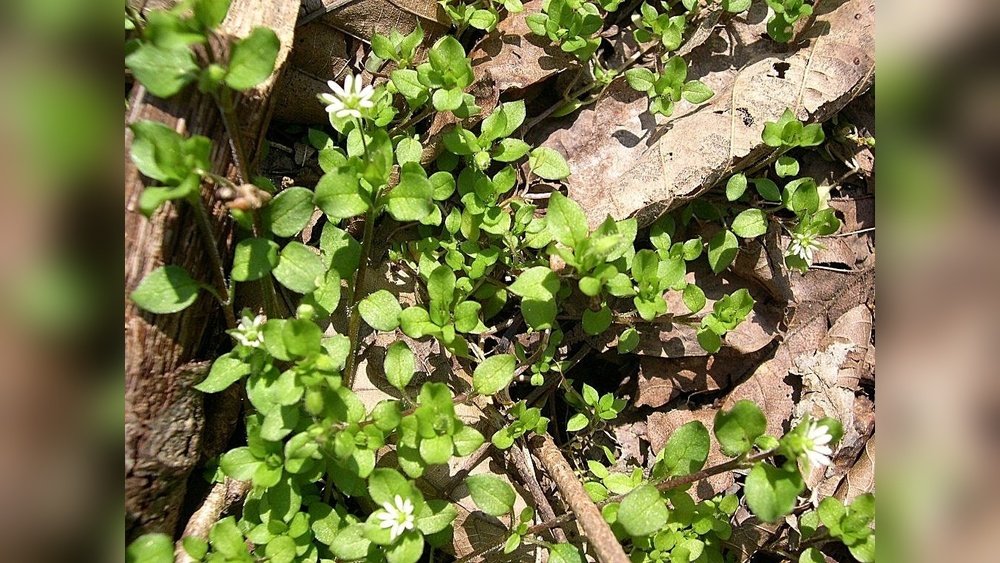
Chickweed is a small, fast-growing weed that can quickly take over flower beds if not managed well. Its ability to spread rapidly and compete with flowers makes it a frustrating problem for gardeners. If you want your flower bed to look healthy and beautiful, removing chickweed is important.
This article gives practical, step-by-step advice for getting rid of chickweed, keeping it away, and understanding why it keeps coming back. Whether you’re a new gardener or have years of experience, you’ll find useful tips, non-obvious insights, and clear explanations here.
Understanding Chickweed: What You Need To Know
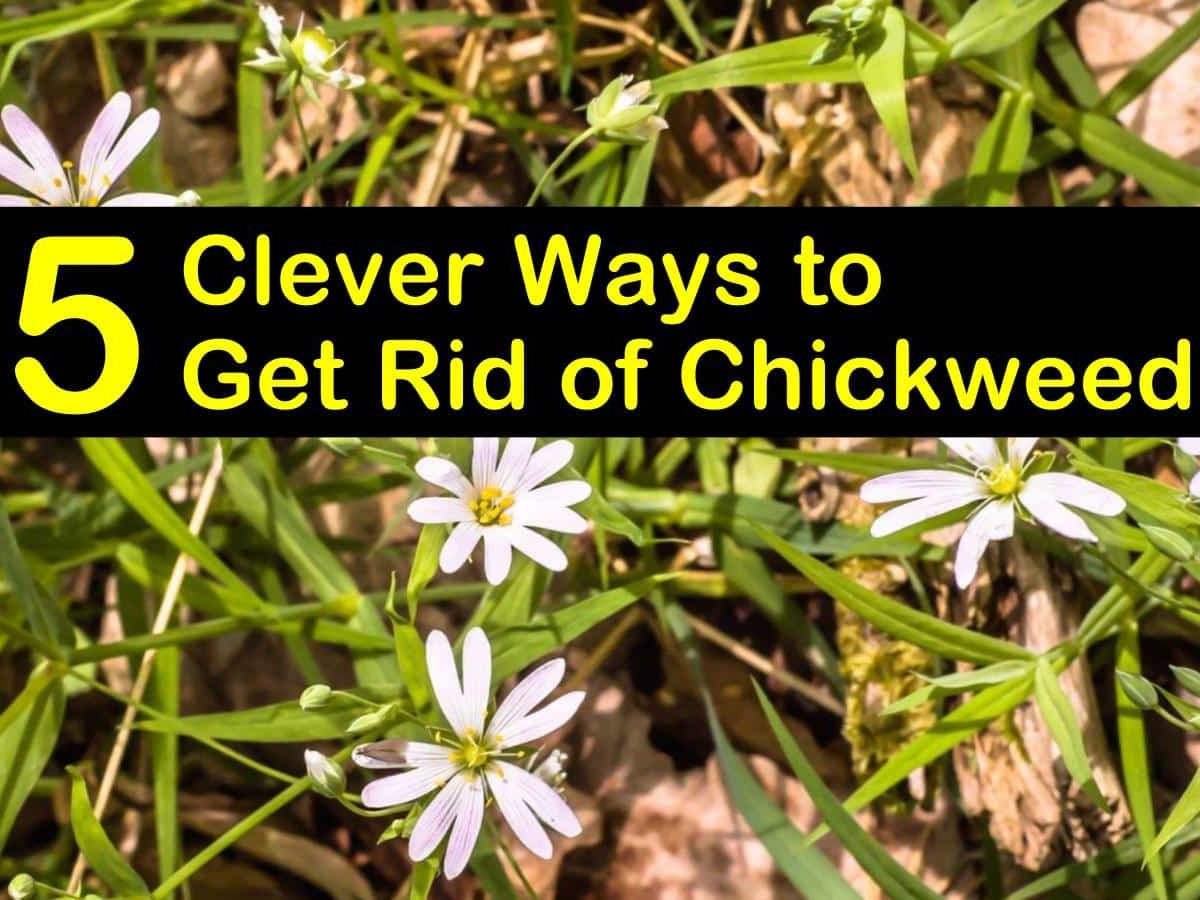
Chickweed is not just a weed; it’s a survivor. There are two main types: common chickweed (*Stellaria media*) and mouse-ear chickweed (*Cerastium fontanum*). Both types grow low to the ground, have small white flowers, and can produce thousands of seeds in one season.
Chickweed prefers cool, moist soil but can adapt to many environments. It often appears in early spring and fall. The seeds can stay alive in the soil for up to ten years. One plant can produce over 15,000 seeds, allowing a single patch to turn into a serious problem quickly.
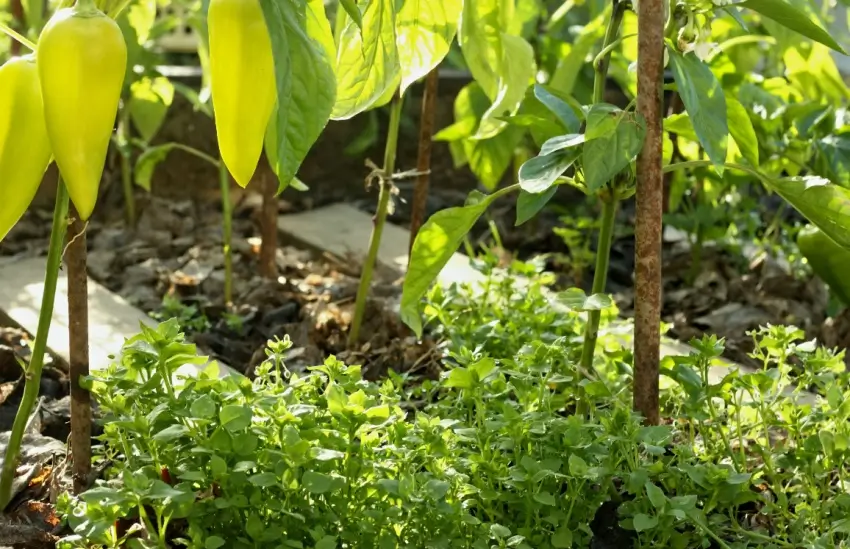
What makes chickweed tricky is its growth pattern. It forms dense mats, which block sunlight from reaching your flowers. This can stunt the growth of your plants or even kill young seedlings. Chickweed also roots at the nodes, so even small pieces left in the soil can regrow.
Why Chickweed Thrives In Flower Beds
Understanding why chickweed grows in your flower bed is the first step to solving the problem. Chickweed loves:
- Moist, rich soil: The same conditions that help your flowers grow are perfect for chickweed.
- Disturbed soil: When you dig or turn soil, you may bring hidden chickweed seeds to the surface.
- Bare patches: Empty spaces give chickweed seeds a place to sprout.
- Cool weather: Chickweed grows best in spring and fall, when many flowers are just starting or finishing their season.
If you notice chickweed every year, it’s likely because these conditions are present. Fixing them can make your flower bed less inviting to this weed.
Identifying Chickweed: Look-alike Weeds
It’s easy to confuse chickweed with other weeds. Here’s how to spot it:
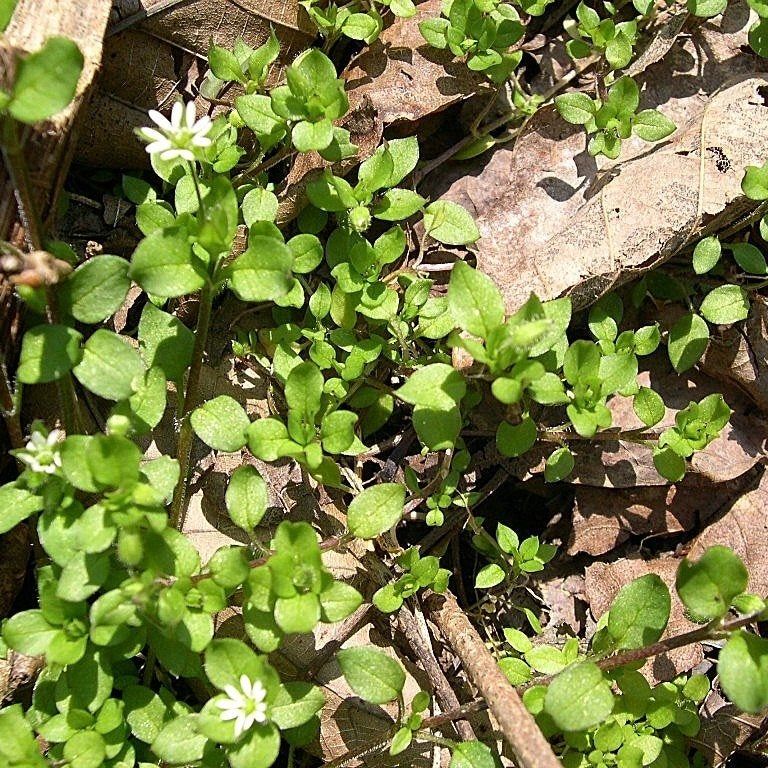
- Leaves: Small, oval, and arranged opposite each other on the stem. Mouse-ear chickweed leaves are a bit fuzzy.
- Stems: Thin and often have a single line of fine hairs.
- Flowers: Tiny, white, with five deeply cut petals (they often look like ten).
- Roots: Shallow but can root at every node.
Other weeds, like spurge or purslane, may look similar but have different leaf shapes and growth habits. Pulling the wrong weed wastes time, so check carefully.
Manual Removal: The Most Effective Start
Pulling chickweed by hand is the most direct way to get rid of it, especially if your flower bed is small or lightly infested. Here’s how to do it well:
- Water the soil first. Moist soil makes it easier to pull chickweed out, roots and all.
- Grab close to the base. Pull gently but firmly to remove the whole plant.
- Use a weeding tool. A small fork or hand hoe can help loosen roots, especially for large patches.
- Check for regrowth. Chickweed can regrow from small root pieces. Go back after a week to check for new plants.
Non-obvious insight: Chickweed can flower and set seed even when just a few weeks old. Remove it before you see flowers to stop the next generation.
Another tip: Dispose of pulled chickweed away from the garden. If you compost it, only do so if your compost pile gets hot enough (above 140°F/60°C) to kill seeds.
Mulching: Smother And Suppress Chickweed
Mulch is one of the best defenses against chickweed. It covers the soil, blocks sunlight, and makes it harder for weeds to grow.
Best Mulch Types For Flower Beds
| Mulch Type | Benefits | Drawbacks |
|---|---|---|
| Wood chips | Long-lasting, attractive | Can tie up nitrogen if mixed into soil |
| Shredded bark | Good weed barrier, easy to spread | May float in heavy rain |
| Compost | Adds nutrients, improves soil | May contain weed seeds |
| Straw | Cheap, effective | Can blow away or attract pests |
Spread 2–3 inches of mulch around your flowers, but keep it away from stems to prevent rot. Reapply mulch each year, especially after pulling weeds or planting new flowers.
Practical tip: If you see chickweed growing on top of mulch, it’s usually because the mulch is too thin or has broken down. Add more to keep the barrier strong.
Cultivation And Hoeing: Timing Matters
Cultivating or hoeing the soil can help remove young chickweed plants. However, timing is important.
- Hoe when chickweed is small. Seedlings are easiest to kill before they grow their first set of true leaves.
- Pick a dry, sunny day. Hoeing on a dry day helps weeds dry out and die, rather than re-rooting.
- Avoid deep cultivation. Turning soil deeply can bring more chickweed seeds to the surface. A shallow scrape is enough.
Non-obvious insight: Chickweed seeds need light to germinate. Disturbing soil less often means fewer seeds sprout.
Pre-emergent Herbicides: Preventing Chickweed Before It Starts
A pre-emergent herbicide stops chickweed seeds from sprouting. It’s most useful in early spring and fall, before chickweed appears.
Common Pre-emergent Herbicide Options
| Product Name | Active Ingredient | Safe for Flowers? |
|---|---|---|
| Preen Garden Weed Preventer | Trifluralin | Yes, most types |
| Snapshot 2.5 TG | Isoxaben + trifluralin | Yes, check label |
| Dimension 2EW | Dithiopyr | Yes, on established beds |
Follow the product label carefully. Some pre-emergents can harm seedlings or newly planted flowers. Water the product into the soil after application for best results.
Caution: Pre-emergent herbicides do not kill existing chickweed. They only prevent new plants. Always remove current weeds first.
Post-emergent Herbicides: Killing Existing Chickweed
If chickweed is already growing, a post-emergent herbicide can help. There are both organic and chemical options.
Comparing Organic Vs Chemical Herbicides
| Herbicide Type | Effectiveness | Safety | Cost |
|---|---|---|---|
| Vinegar-based sprays | Good on young weeds | Safe, but can harm flowers | Low |
| Fatty acid herbicides | Fast-acting, contact only | Safe if used carefully | Medium |
| Glyphosate (Roundup) | Very effective | Non-selective, use with care | Medium |
| 2,4-D products | Effective, selective | Check flower safety | Medium |
- Spot treat chickweed to avoid damaging your flowers.
- Shield nearby plants with cardboard or a plastic barrier during spraying.
- Read the label. Some herbicides linger in soil and may affect future plantings.
Practical tip: Try organic sprays first, especially in beds with edible flowers or pollinator plants.
Credit: www.gardeningknowhow.com
Cultural Controls: Changing The Environment
You can stop chickweed by making your flower bed less friendly to it.
- Plant densely. The more your flowers cover the soil, the less space chickweed has to grow.
- Choose vigorous flower species. Some flowers, like daylilies and coreopsis, outcompete weeds.
- Improve drainage. Chickweed loves wet soil. Add compost or sand to heavy soil to improve drainage.
- Water only what you need. Drip irrigation or soaker hoses keep flower roots moist but leave soil between plants dry.
Non-obvious insight: Chickweed often signals that your soil is fertile and moist. While this is good for flowers, it means you must stay alert for weeds.
Organic And Natural Chickweed Control Methods
For gardeners who want to avoid chemicals, several natural methods work well.
Corn Gluten Meal
- Acts as a natural pre-emergent.
- Sprinkle on soil in early spring or fall.
- Won’t kill existing plants, but helps prevent new seeds from sprouting.
Boiling Water
- Pour directly on chickweed patches.
- Kills weeds instantly, but be careful not to splash flowers.
- Works best for chickweed growing in cracks or open spots.
Hand Weeding
- Most effective if done weekly in spring and fall.
- Use gloves; chickweed can be slippery.
Solarization
- Cover the bed with clear plastic during hot summer months.
- Sun heats the soil, killing chickweed seeds and roots.
- Leave plastic in place for 4–6 weeks.
Practical tip: Combine these methods for the best results. For example, solarize in summer, mulch in fall, then hand-weed in spring.
Preventing Chickweed In The Future
Stopping chickweed before it starts saves time and effort. Here’s how to keep your flower bed weed-free:
- Inspect your garden regularly. Early detection is key. Pull small patches before they spread.
- Mulch every year. Replace old mulch to keep the weed barrier strong.
- Limit soil disturbance. Only dig when necessary. Disturbing soil brings chickweed seeds to the surface.
- Edge your beds. Physical barriers, like metal or plastic edging, can stop chickweed spreading from lawns or paths.
- Clean your tools. Chickweed seeds can stick to tools and shoes. Rinse them after working in weedy areas.
Pro tip: If you buy new soil or compost, check for weeds before using it. Many weed problems start with contaminated materials.
Common Mistakes When Controlling Chickweed
Gardeners often make a few mistakes that let chickweed come back stronger.
- Waiting too long to weed. Chickweed can set seed quickly—sometimes in less than five weeks.
- Leaving roots or pieces in the soil. Even a small chunk can regrow.
- Using the wrong herbicide. Some products can harm flowers or only work on grass-type weeds.
- Ignoring borders and paths. Chickweed often starts on the edge and spreads inward.
- Forgetting to reapply mulch. Thin or old mulch lets sunlight reach weed seeds.
Non-obvious insight: Chickweed may look harmless at first, but its fast growth means small problems can become big ones in just a few weeks.
Case Study: Real-world Chickweed Control
Let’s look at a real example. A gardener in Ohio noticed chickweed taking over her flower bed every spring. She tried pulling weeds but they always came back.
Here’s how she solved the problem:
- Step 1: In early spring, she removed all visible chickweed by hand, making sure to get the roots.
- Step 2: She covered the soil with 3 inches of shredded bark mulch.
- Step 3: In fall, she applied a pre-emergent herbicide (Preen) around her perennials.
- Step 4: She checked for weeds every week for the next two months and pulled any new seedlings.
- Step 5: The next year, she added more mulch and used a soaker hose for watering.
By the third year, chickweed was almost gone. Only a few small patches appeared, which she removed quickly. The key was a mix of methods—manual removal, mulch, herbicide, and regular inspection.
When To Seek Professional Help
Most home gardeners can control chickweed with the methods above. However, sometimes you may need expert help:
- Large, dense infestations (covering most of the bed)
- Persistent regrowth after several attempts
- Nearby lawns or fields with severe chickweed problems
A landscape professional can recommend advanced treatments or apply stronger herbicides safely. They can also test your soil for problems that favor weed growth.
Credit: www.tipsbulletin.com
Comparing Chickweed Control Methods
Here’s a quick comparison of the most common methods to help you decide what’s best for your flower bed.
| Control Method | Cost | Labor | Effectiveness | Best For |
|---|---|---|---|---|
| Hand pulling | Low | High | Very high | Small beds, light infestations |
| Mulch | Medium | Medium | High | All beds |
| Pre-emergent herbicide | Medium | Low | High (preventive) | Recurring problems |
| Post-emergent herbicide | Medium | Low | High | Heavy infestations |
| Solarization | Low | Medium | High (for future seasons) | Empty or new beds |
Long-term Management: Staying Chickweed-free
After your flower bed is clear, keeping it that way is a long-term task. Here’s a simple plan:
- Spring: Apply mulch and check for new seedlings every week.
- Summer: Water with drip hoses. Solarize empty beds if needed.
- Fall: Add more mulch and consider pre-emergent herbicide.
- Winter: Clean tools and edges. Plan next year’s flowers for dense planting.
Set a calendar reminder to inspect your garden every 7–10 days during spring and fall. Catching new chickweed early is easier than fighting a big outbreak later.
The Role Of Soil Health In Chickweed Control
Healthy soil grows strong flowers—and fewer weeds. Chickweed often signals fertile soil, but it also prefers soil that stays wet.
- Add compost for nutrients, but don’t over-fertilize.
- Test your pH. Chickweed grows best in neutral to slightly alkaline soil (pH 6.0–7.5). Some flowers prefer slightly acidic soil, which can help limit chickweed.
- Improve drainage by adding sand, compost, or creating raised beds if your soil stays wet.
Practical tip: Rotate where you plant flowers each year. This reduces the build-up of chickweed seeds in one spot.
Natural Chickweed Suppressors: Companion Plants
Some plants are natural weed suppressors. Their dense foliage or allelopathic chemicals (natural weed killers) keep chickweed in check.
- Creeping phlox: Spreads to cover bare soil.
- Daylilies: Tall, thick leaves shade the ground.
- Ajuga (bugleweed): Forms a mat that blocks sunlight.
- Nepeta (catmint): Grows quickly and fills space.
- Marigolds: Release chemicals that deter some weeds.
Plant these around the edges or between taller flowers to fill in gaps where chickweed might grow.
Credit: www.groundsguys.com
Chickweed And Wildlife: Friend Or Foe?
Chickweed isn’t all bad. It’s edible for humans and a favorite food for chickens and wild birds. Some pollinators visit its small flowers.
However, in a flower bed, its aggressive growth causes more harm than good. If you want to support wildlife, plant native flowers or set aside a separate area for wild plants.
Dealing With Chickweed In Organic Gardens
Organic gardeners face extra challenges because they avoid synthetic herbicides. Focus on:
- Hand weeding: Most reliable method.
- Mulching: Essential for organic control.
- Flame weeding: For paths, not flower beds (can damage flowers).
- Crop rotation and dense planting: Reduces open soil for weeds.
You can also use natural sprays like vinegar or citrus oil, but always test on a small area first.
For more on organic weed control, visit the Garden Organic website.
Frequently Asked Questions
What Is The Best Way To Remove Chickweed From A Flower Bed?
The most effective way is to pull chickweed by hand when the soil is moist, making sure to get all roots. Follow up with a thick layer of mulch to block new growth and check regularly for regrowth.
Will Chickweed Come Back After I Pull It?
Yes, if you leave any roots or seeds in the soil, chickweed can come back. It’s important to pull it before it sets seed and to check again after a week or two for new plants.
Can I Use Vinegar To Kill Chickweed?
Vinegar can kill young chickweed on contact, but it may also harm nearby flowers. Use a spray bottle for spot treatment and shield your flowers with cardboard or plastic.
Is Chickweed Harmful To My Flowers?
Yes. Chickweed competes for water, nutrients, and sunlight. It can slow down the growth of your flowers, especially seedlings, and may even kill them if left unchecked.
How Do I Stop Chickweed From Spreading From My Lawn To My Flower Bed?
Edge your flower beds with a physical barrier and keep your lawn weed-free. Regular mowing, proper fertilizing, and overseeding help keep chickweed under control in the lawn, reducing spread to your flowers.
Keeping chickweed out of your flower bed is a mix of regular effort, smart prevention, and knowing your enemy. With the right approach, your flowers will have the space and resources they need to thrive—without chickweed stealing the show.