
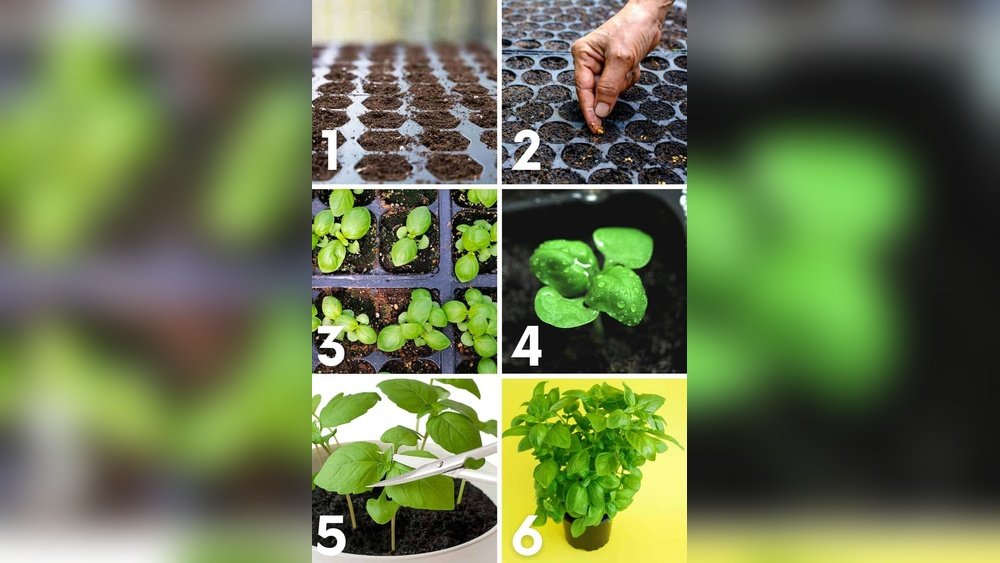
Growing fresh basil indoors from seed is a rewarding experience. Imagine picking your own basil leaves just before you cook. The taste, aroma, and color of homegrown basil are far better than most store-bought herbs. Even if you have never planted anything before, starting basil from seed is simple with the right steps.
You don’t need a big garden—just a sunny window, some basic supplies, and a bit of patience.
Many people think basil is difficult to grow indoors. This is not true. Basil loves warmth and light, and it grows quickly if you give it what it needs. You can grow basil indoors all year, not just in summer.
This means you will always have fresh leaves for salads, pasta, or pizza.
This article gives you a complete guide, from choosing seeds to harvesting leaves. It covers common mistakes, tips for healthy growth, and what to do if things go wrong. Let’s get started on your journey to growing delicious basil from seed—right inside your home.
Why Grow Basil From Seed Indoors?
Growing basil from seed indoors has several advantages. First, you control the whole process. You know exactly what goes into your plants—no pesticides or chemicals unless you want them. Indoor basil is often cleaner, and you don’t have to worry about weather, pests, or animals.
Another benefit is freshness. Basil loses flavor quickly after picking. When you grow it indoors, you can pick just what you need, right when you need it. This is especially useful if you cook often or enjoy making fresh pesto.
Starting from seed is also more affordable than buying plants or cut herbs. A packet of seeds costs little and can produce dozens of basil plants over time.
There are also more varieties available as seeds than as starter plants. You can try different types—like Genovese, Thai, or Lemon basil—and discover your favorites.
Finally, growing basil indoors is a fun way to learn about plants. It’s a low-risk, high-reward project. Children and adults alike enjoy watching seeds sprout and grow.
Choosing The Right Basil Seeds
There are many types of basil, and each has its own flavor and look. Choosing the right seeds depends on your taste and how you plan to use your basil.
Popular Basil Varieties
- Genovese basil: Classic Italian flavor, sweet and aromatic. Great for pesto and salads.
- Thai basil: Spicy, with a hint of licorice. Perfect for Asian dishes.
- Lemon basil: Fresh lemon scent and flavor. Good for teas and fish dishes.
- Purple basil: Deep purple leaves, adds color to salads and drinks.
- Greek basil: Small leaves, compact plant, strong flavor.
When buying seeds, look for fresh, untreated seeds from a reliable supplier. Old seeds may not sprout well. Organic seeds are a good option if you want to avoid chemicals.
Seed Packet Details
Check the packet for:
- Germination rate: Higher numbers mean more seeds will sprout.
- Harvest time: Some varieties grow faster.
- Growth habit: Tall or compact, bushy or upright.
Non-obvious Insight
Many beginners overlook leaf size and plant height. Small-leaf types (like Greek basil) fit better on crowded windowsills and need less pruning. If you have limited space, compact varieties are easier to manage.
Supplies You Need To Grow Basil Indoors
Before you start, gather these basic supplies:
- Basil seeds (your chosen variety)
- Seed starting mix: Loose, light soil helps seeds sprout. Avoid heavy garden soil.
- Seed trays or small pots: At least 2 inches deep. Clean containers are important.
- Plastic dome or clear bag: Helps keep seeds moist during germination.
- Grow lights or sunny window: Basil needs strong light—at least 6 hours per day.
- Spray bottle or small watering can: For gentle watering.
- Fertilizer: A mild, balanced liquid fertilizer for herbs.
- Labels: To track varieties and sowing dates.
- Tray or saucer: To catch water draining from pots.
Optional Tools
- Heating mat: Speeds up germination if your home is cool.
- Fan: Gentle airflow prevents mold and helps plants grow stronger.
Step-by-step: How To Start Basil Seeds Indoors
Starting basil from seed is simple if you follow these steps:
1. Prepare The Containers
Clean your seed trays or pots with soap and water. Rinse well. This helps prevent disease. Fill each container with moistened seed starting mix, leaving about half an inch at the top.
2. Sow The Seeds
Sprinkle basil seeds evenly on the surface. Basil seeds are small—use just a pinch per pot. Cover seeds with a thin layer (about 1/8 inch) of seed mix or vermiculite. Do not plant too deep.
3. Water Gently
Use a spray bottle to moisten the top layer. The soil should be damp, not soaked. Too much water can rot the seeds.
4. Cover For Humidity
Place a clear plastic dome or bag over the trays. This keeps moisture in and helps seeds sprout. Remove the cover daily for a few minutes to prevent mold.
5. Provide Warmth
Basil seeds germinate best at 70–75°F (21–24°C). Place trays in a warm spot or use a heating mat. Avoid direct sun until seedlings appear.
6. Watch For Germination
Seeds usually sprout in 5–10 days. When you see green shoots, remove the plastic cover and move trays to a bright window or under grow lights.
7. Thin The Seedlings
When seedlings have two sets of leaves, thin them out. Leave the strongest plant every 2–3 inches. Use scissors to cut extra seedlings at soil level—do not pull them, or you may damage the roots.
8. Keep The Soil Moist
Water gently when the surface feels dry. Basil likes moist, but not soggy, soil. Overwatering is a common beginner mistake.
9. Feed The Seedlings
After two weeks, feed with a diluted liquid fertilizer every 2–3 weeks. Too much fertilizer can burn young plants—less is more.
Light Requirements For Indoor Basil
Light is the most important factor for healthy basil. Without enough light, basil becomes leggy (tall and weak) and loses flavor.
Natural Light
Basil needs at least 6 hours of direct sunlight daily. A south-facing window works best. If you have only east- or west-facing windows, you may need extra light.
Rotate pots every few days so plants grow straight, not toward the window.
Artificial Light
If your home is dark or you want to grow basil in winter, use grow lights. LED or fluorescent grow lights are energy-efficient and effective.
- Hang lights 4–6 inches above the plants.
- Give basil 12–16 hours of light per day.
- Adjust the height as plants grow.
Light Comparison Table
Here’s a quick look at how different light sources affect basil:
| Light Source | Hours Needed | Growth Quality |
|---|---|---|
| South-facing window | 6–8 hours | Good (spring/summer) |
| East/west window | 8–10 hours | Fair (may need extra light) |
| LED grow lights | 12–16 hours | Excellent year-round |
| Fluorescent lights | 12–16 hours | Good |
Common Light Problems
- Leggy seedlings: Not enough light or lights too far away.
- Yellow leaves: Could mean too little light, but check water and nutrients too.
Pro tip: Even if your windows are sunny, winter days are short. Supplement with lights if plants start to stretch.
Watering And Feeding Indoor Basil
Basil likes steady moisture, but too much water causes problems. The goal is evenly moist soil, not soggy or dry.
How To Water Basil
- Check the top inch of soil. If dry, water gently.
- Use a small watering can or spray bottle. Avoid wetting the leaves, which can cause disease.
- Let extra water drain out. Never let basil sit in a puddle.
Tip: Water less in winter when plants grow slowly.
Feeding Basil
Basil is not a heavy feeder, but regular small doses help. Use a liquid fertilizer with equal parts nitrogen, phosphorus, and potassium (like 10-10-10 or 5-5-5).
- Dilute to half the label strength for seedlings.
- Feed every 2–3 weeks.
- Organic options: Fish emulsion or liquid seaweed.
Common Mistakes
- Overwatering: Causes root rot and yellow leaves.
- Underwatering: Leaves wilt and lose flavor.
Insight: Indoor air is dry, especially with heat or air conditioning. Group basil with other plants or place a water tray nearby to raise humidity.

Credit: www.gardenary.com
Transplanting And Potting Up Basil Seedlings
When basil seedlings have at least 2–3 sets of true leaves, they are ready for bigger pots. Crowded roots slow growth and reduce leaf quality.
How To Transplant Basil
- Choose a pot at least 4–6 inches wide per plant.
- Fill with fresh potting mix, moisten it lightly.
- Gently loosen seedlings from the seed tray. Hold by leaves, not stems.
- Make a hole in the new pot, place the seedling, and cover roots.
- Water well and keep out of direct sun for a day to reduce transplant shock.
Tip: You can plant several seedlings in a large pot, spacing them 4–6 inches apart.
Potting Mix Comparison
Not all potting mixes are equal. Here’s a quick comparison:
| Mix Type | Pros | Cons |
|---|---|---|
| Seed starting mix | Very light, good for germination | Poor nutrients for long-term growth |
| All-purpose potting mix | Nutrients included, easy to find | May hold too much water—add perlite |
| Herb mix (for containers) | Balanced drainage and nutrition | May cost more |
Non-obvious tip: Mix some perlite or coarse sand into regular potting mix for better drainage. Basil hates wet feet.
Temperature, Humidity, And Airflow
Basil is a tropical plant. It thrives in warm, humid conditions with gentle airflow.
Temperature
- Ideal: 70–80°F (21–27°C) during the day, above 60°F (16°C) at night.
- Avoid cold drafts and sudden temperature drops.
- Below 50°F (10°C), basil stops growing and may die.
Humidity
- Basil prefers 40–60% humidity.
- If your home is dry, use a pebble tray with water under the pot (not touching roots) or mist the air.
- Grouping plants raises humidity naturally.
Airflow
Good airflow prevents mold and fungal disease. A small fan on low, running for a few hours daily, helps.
Common mistake: Placing basil near heaters or air conditioners dries the leaves quickly. Move plants if you notice browning or curling.
Pruning And Harvesting Basil
Pruning basil is not just for shape—it keeps plants bushy and flavorful. Harvesting leaves the right way also encourages new growth.
When To Start Pruning
Begin when plants have at least 6–8 inches of growth and three sets of true leaves. Use clean scissors or pinch with your fingers.
How To Prune Basil
- Cut or pinch off the top pair of leaves, just above a leaf node (where two leaves meet the stem).
- Each time you prune, two new stems will grow from below the cut.
- Remove any flower buds as soon as they appear—flowering reduces leaf quality.
How Much To Harvest
- Never take more than one-third of the plant at a time.
- Pick a few leaves from each plant, not all from one.
- Regular harvesting keeps basil producing for months.
Harvest tip: Morning is the best time to pick basil. The oils and flavor are strongest before the plant gets hot.
Pruning Example
Suppose you have three basil plants. Every 2–3 weeks, you pinch the tops. Each plant grows bushier, and you get more leaves overall. If you skip pruning, plants grow tall and weak, and leaves get smaller.
Common Pests And Diseases Indoors
Indoor basil is safer from bugs than outdoor plants, but problems can still happen. Here are the main issues:
Pests
- Aphids: Small green or black insects on stems and leaves.
- Spider mites: Tiny, red or yellow, with fine webs.
- Fungus gnats: Small black flies near the soil.
How to handle pests:
- Wash leaves with water.
- Wipe with a damp cloth.
- Use insecticidal soap (safe for herbs).
Diseases
- Damping off: Seedlings fall over and die; caused by fungus in wet soil.
- Powdery mildew: White powder on leaves, from poor airflow.
- Root rot: Roots turn brown and mushy; from overwatering.
Prevention tips:
- Keep soil just moist, not wet.
- Give plants space and airflow.
- Remove any sick plants quickly.
Non-obvious insight: Check the undersides of leaves for pests—problems often start there.
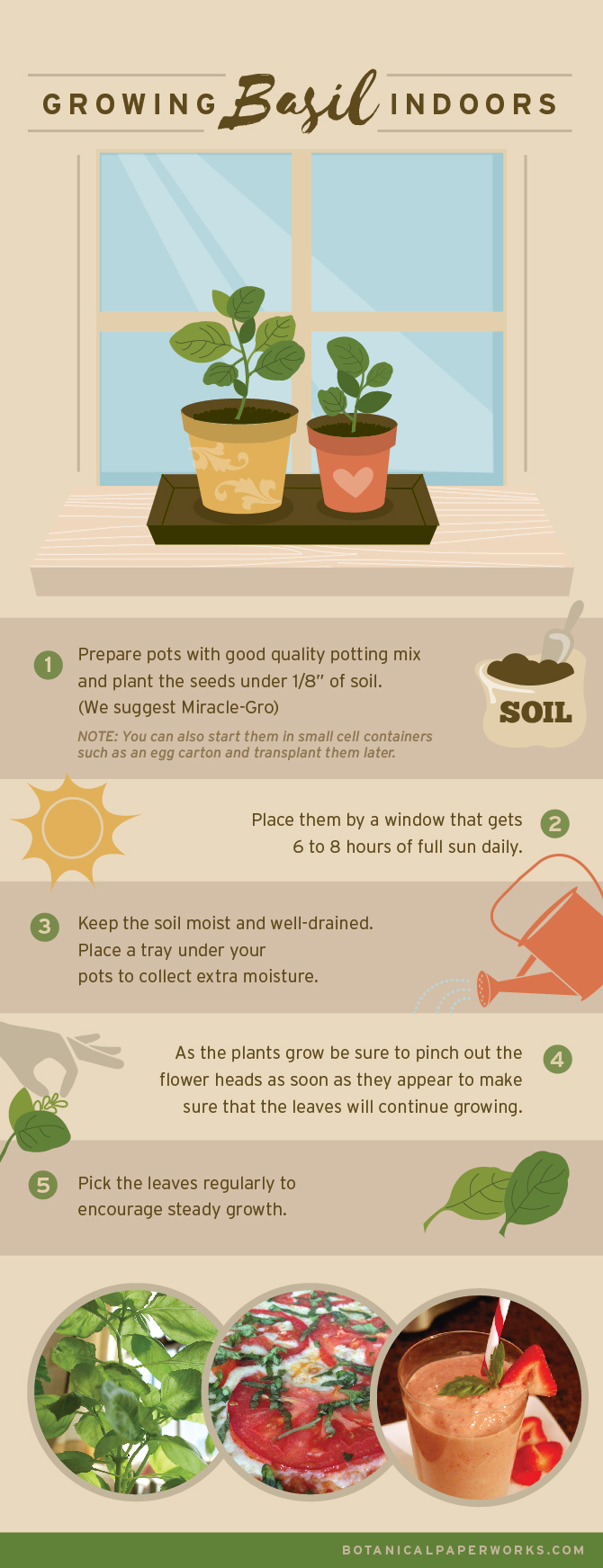
Credit: botanicalpaperworks.com
Troubleshooting Basil Seedling Problems
Even with care, problems happen. Here’s how to spot and fix common seedling issues:
Weak, Spindly Seedlings
Cause: Not enough light.
Solution: Move to a brighter spot or add grow lights.
Yellow Leaves
Causes: Overwatering, poor drainage, or not enough nutrients.
Solution: Let soil dry slightly between watering. Use well-draining mix. Add a mild fertilizer.
Wilting
Cause: Usually underwatering, but sometimes root rot.
Solution: Water as soon as soil is dry. If soil is soggy, reduce watering and check roots.
Slow Growth
Causes: Cold temperatures, crowded roots, or low light.
Solution: Warm the area, transplant to bigger pots, or add more light.
Brown Leaf Tips
Cause: Dry air or fertilizer burn.
Solution: Raise humidity, water evenly, and use less fertilizer.
How To Use And Store Fresh Basil
Fresh basil is best used right after picking, but you can also store or preserve it.
Using Fresh Basil
- Add to salads, pasta, pizza, or sandwiches
- Make pesto: Blend leaves, olive oil, garlic, nuts, and cheese.
- Flavor water or tea
Tip: Add basil at the end of cooking to keep its flavor.
Storing Basil
- Short-term: Place stems in a glass of water on the counter, like flowers. Change water daily.
- Refrigerator: Wrap leaves in a damp paper towel inside a bag. Leaves may darken if too cold.
- Freezing: Chop and freeze in ice cube trays with a little olive oil.
- Drying: Hang bunches upside down in a dry, airy place. Dried basil loses some flavor.
Non-obvious insight: Basil bruises easily. Handle leaves gently to avoid black spots.

Credit: savvygardening.com
Comparing Indoor Vs. Outdoor Basil Growing
Some people wonder if indoor basil is as good as outdoor basil. Here’s a quick comparison:
| Factor | Indoor Basil | Outdoor Basil |
|---|---|---|
| Season | Year-round | Spring-Fall (frost-free only) |
| Pest risk | Low | High |
| Growth rate | Slower in low light | Faster with sun |
| Leaf flavor | Excellent if enough light | Excellent |
| Space needed | Small pots/windowsills | Garden bed or large pots |
Indoor basil gives you control and convenience. Outdoor basil grows faster in summer but needs space and is vulnerable to weather and pests.
Advanced Tips For Bigger, Better Basil
Once you master the basics, try these advanced strategies:
- Succession planting: Start new seeds every month for a steady supply.
- Pinch side shoots: Don’t just harvest the top; pinch side stems for bushier plants.
- Try different varieties: Mix Genovese, Thai, and Lemon basil in one large pot for a blend of flavors and colors.
- Make cuttings: Root basil stems in water to create new plants without seeds.
- Use self-watering pots: These keep soil moist without daily attention.
Final Thoughts
Growing basil from seed indoors is more than just a hobby. It brings fresh flavor to your kitchen and a touch of green to your home. With the right seeds, soil, light, and care, you’ll enjoy healthy basil plants for months.
If you make mistakes, don’t worry—basil is forgiving and bounces back with a little attention. Start with one variety, learn as you go, and soon you’ll have all the fresh basil you need, right at your fingertips.
If you want to explore more about basil varieties and growing techniques, the Wikipedia page on basil offers in-depth information.
Frequently Asked Questions
How Long Does It Take To Grow Basil From Seed Indoors?
Basil seeds usually sprout in 5–10 days. Plants are big enough to start harvesting small leaves after 3–4 weeks. Full, bushy plants take 6–8 weeks. Growth depends on light, temperature, and variety.
Can I Grow Basil Indoors All Year Round?
Yes, basil can grow indoors any time of year if you give it enough light and warmth. Grow lights help in winter or in rooms with little sunlight. Keep plants above 60°F (16°C) for best results.
How Do I Prevent My Basil From Becoming Leggy Indoors?
Leggy basil means it’s reaching for light. Move plants to a sunnier spot or use grow lights. Keep lights close (4–6 inches above) and rotate pots often. Pinch the tops to encourage bushy growth.
Is It Safe To Eat Basil Grown Indoors?
Absolutely. Indoor basil is often cleaner than outdoor basil. Use safe potting mix and avoid strong chemicals. Rinse leaves before eating, especially if you use fertilizer.
Can I Move My Indoor Basil Outside In Summer?
Yes, but do it gradually. Start by placing pots outdoors for a few hours each day, increasing time over a week. Avoid strong midday sun at first. Bring basil back inside before temperatures drop below 50°F (10°C).
Growing basil from seed indoors is easy once you know the basics. With a little care, you’ll enjoy fresh, fragrant leaves for cooking, teas, and more. Happy planting!