
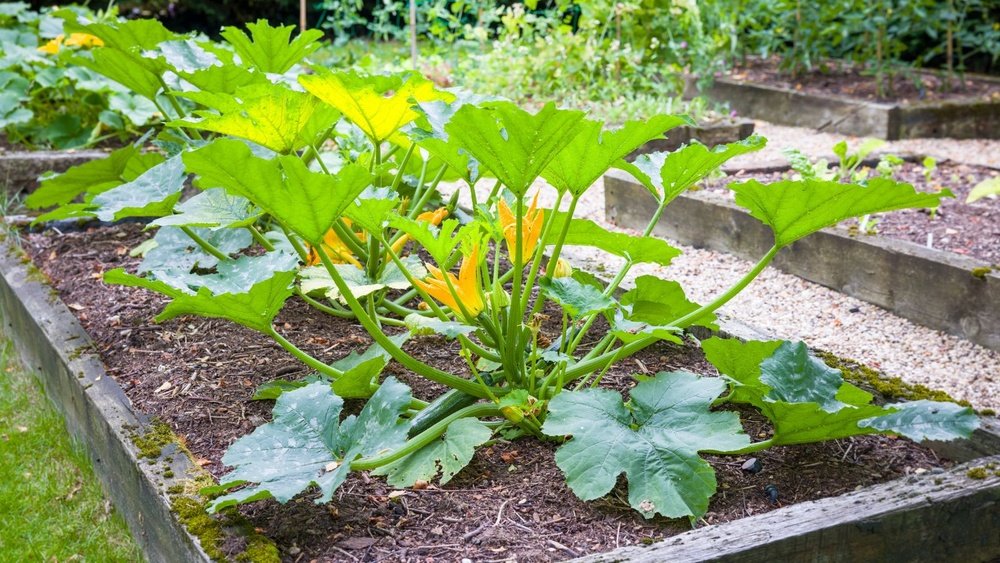
Growing your own vegetables is rewarding, but many people believe you need a large yard to succeed. That’s not true—especially with zucchini. Even in a small garden, zucchini is one of the most productive and forgiving crops you can grow. With the right approach, a few plants can supply you with fresh squash all summer, save you money, and even give you enough to share with neighbors.
But how do you make the most of limited space? This guide breaks down everything you need to know about growing zucchini in a small garden. You’ll learn how to pick the right varieties, prepare your space, care for the plants, prevent problems, and maximize your harvest. Along the way, you’ll find practical tips, real examples, and answers to common mistakes that beginners often miss. Whether you have a tiny backyard, a raised bed, or even just a few large pots, you can enjoy homegrown zucchini—starting this season.
Why Zucchini Thrives In Small Gardens
Zucchini is famous for its high yields and fast growth. But it’s also perfect for small spaces because:
- It grows quickly—from seed to harvest in as little as 40 days.
- Many varieties stay compact and bushy.
- It produces fruit over many weeks, not just once.
- You can grow it in beds, containers, or even vertically.
Unlike some crops that need deep soil or lots of room, zucchini only asks for sun, water, and a bit of care. If you plant smart and choose the right type, you’ll be amazed at how much you can harvest from a small space.
How Much Zucchini Do You Really Need?
One common beginner mistake is planting too many zucchini plants. A single healthy plant can produce 10–20 pounds (4.5–9 kg) of squash in a season. For most families, 2–3 plants are enough to keep you well supplied. Overplanting wastes space and leads to overwhelming harvests.
Picking The Best Zucchini Variety For Small Spaces
Not all zucchinis are created equal. Some grow into long, sprawling vines, while others stay tidy and bushy. For small gardens, the right variety makes a huge difference.
Compact And Bush Types
Bush varieties are the top choice for small gardens and containers. They don’t spread as much as vining types, so they’re easier to manage. Here are a few top picks:
- ‘Eight Ball’: Small, round fruits; compact plants.
- ‘Raven’: Dark green, productive, and bushy.
- ‘Fordhook’: Classic bush habit, reliable yields.
- ‘Gold Rush’: Golden fruits, bush type, colorful and tasty.
Space-saving Vining Varieties
Some zucchinis have a semi-vining habit but can still work in small gardens if grown vertically. Consider:
- ‘Tromboncino’: Unusual shape; can be trained up a trellis.
- ‘Black Forest’: Climbing zucchini; suitable for fences or stakes.
Choosing For Disease Resistance
In small gardens, disease can spread fast. Look for varieties labeled as resistant to common problems like powdery mildew or mosaic virus. Disease-resistant types reduce the need for chemical sprays and increase your harvest.
Seed Or Seedling: Which Is Better?
Zucchini grows easily from seed, but you can also buy young plants (seedlings). Seeds are cheaper and let you choose from more varieties. Seedlings give you a head start—especially in short growing seasons.
Tip: If you’re new to gardening, try starting with both seeds and a couple of purchased seedlings. This way, you’ll have backup plants in case of early losses.
Planning Your Small Garden Space
Limited space means you need to plan carefully. Here’s how to set up for success.
Sunlight Needs
Zucchini loves full sun—at least 6–8 hours per day. Less sun means smaller harvests and more disease. Place your plants in the sunniest spot available.
Soil Preparation
Healthy soil is the key to thriving zucchini. Here’s what works best:
- Soil type: Loose, rich, and well-drained.
- PH level: Slightly acidic to neutral (6.0–7.0).
- Nutrients: Zucchini are heavy feeders—mix in compost or well-rotted manure before planting.
Improving Poor Soil
If your soil is heavy clay or very sandy, amend it with:
- Compost (improves structure and fertility)
- Aged manure (adds nutrients)
- Peat moss or coconut coir (improves water holding)
Raised Beds Vs. In-ground Vs. Containers
Each method has pros and cons for small gardens. Here’s a quick comparison:
| Method | Pros | Cons |
|---|---|---|
| Raised Beds | Excellent drainage, warms up fast, easy to control soil quality | May dry out quickly, costs more to build |
| In-Ground | Uses existing soil, no extra cost | Poor soil may limit growth, harder to manage weeds |
| Containers | Portable, ideal for patios/balconies, fewer soil diseases | Needs frequent watering, limited root space |
Tip: For most small gardens, raised beds or large containers (at least 5 gallons/20 liters) give the best results.
How Many Plants Per Space?
Zucchini plants need room to breathe, even bush types. Allow:
- In beds: 2–3 feet (60–90 cm) between plants.
- In containers: One plant per large pot (minimum 18 inches/45 cm wide).
- Vertical growing: Space 18 inches (45 cm) apart; train up a trellis.
Non-obvious insight: Crowding plants leads to poor airflow, which increases disease risk. If space is tight, grow fewer plants but keep them healthy.
Sowing Zucchini: Step-by-step
When To Plant
Zucchini is sensitive to cold. Plant seeds or seedlings after the last frost, when soil temperature is at least 60°F (16°C). In most areas, this means late spring.
Sowing Seeds Outdoors
- Make small mounds or hills of soil (about 12 inches/30 cm wide).
- Sow 2–3 seeds per mound, about 1 inch (2.5 cm) deep.
- Water gently but thoroughly.
- When seedlings are 3 inches (8 cm) tall, thin to the strongest plant.
Starting Seeds Indoors
If your growing season is short, start seeds indoors 3–4 weeks before transplanting:
- Fill small pots with seed-starting mix.
- Plant one seed per pot, 1 inch deep.
- Keep warm and moist—ideally 70–80°F (21–27°C).
- Harden off seedlings outside for a week before planting.
Transplanting Seedlings
- Gently remove the seedling from its pot, keeping the root ball intact.
- Plant at the same depth as it was growing in the pot.
- Water well and protect from wind for the first few days.
Beginner tip: Zucchini hates root disturbance. If starting indoors, use biodegradable pots that can be planted directly in the soil.
Caring For Zucchini In A Small Garden
Zucchini is low-maintenance, but a few key steps make a big difference in small spaces.
Watering
- Water deeply once or twice per week—about 1–2 inches (2.5–5 cm) total.
- In containers, check soil moisture every day in hot weather.
- Water at the base, not on the leaves, to reduce disease.
Insight: Consistent moisture prevents “blossom end rot” (a black spot on fruit). Mulching helps keep soil moist.
Feeding
Zucchini loves nutrients. Feed with:
- A balanced fertilizer (e.g., 10-10-10 NPK) every 3–4 weeks.
- Extra compost or worm castings around the base of each plant.
Avoid over-fertilizing with high-nitrogen products—this can cause lots of leaves but few fruits.
Supporting The Plants
In small gardens, space is tight. Consider these strategies:
- Mulch with straw or leaves to keep soil cool.
- Use a trellis or stake for vining types to grow vertically.
- For bush types, a tomato cage can help support heavy fruit.
Practical tip: If growing vertically, tie the stems gently with soft ties. Check regularly so stems don’t get pinched.
Pollination
Zucchini has separate male and female flowers. Bees and other insects usually do the pollination, but in small gardens, there may be fewer pollinators. If you see lots of flowers but no fruit, try hand pollinating:
- Pick a male flower (no tiny fruit at base).
- Gently brush its pollen onto the center of a female flower (with a tiny fruit).
This simple step can double your harvest.
Pest And Disease Management
Zucchini is prone to a few key problems, especially in tight spaces.
Common Pests
- Squash bugs: Suck sap from leaves; look for brown eggs under leaves.
- Cucumber beetles: Small, yellow-and-black insects that spread disease.
- Aphids: Tiny green insects that cluster on stems.
Prevention: Check plants daily. Remove bugs by hand or spray with soapy water. Use row covers early in the season.
Common Diseases
- Powdery mildew: White powder on leaves, common in humid conditions.
- Downy mildew: Yellow spots turning brown, usually in wet weather.
- Blossom end rot: Black spots on fruit tips, often from uneven watering.
Control: Space plants well, water at soil level, and remove affected leaves. Disease-resistant varieties and good air circulation are the best defenses.
When To Use Organic Sprays
If pests get out of control, organic options like neem oil or insecticidal soap can help. Always spray in the evening and avoid flowers to protect pollinators.
Maximizing Your Zucchini Harvest
Getting the most from limited space takes a few smart moves.
Harvesting At The Right Time
Pick zucchini when they are:
- 6–8 inches (15–20 cm) long for best flavor and texture.
- Smaller fruits are more tender and encourage more production.
- Harvest every 2–3 days during peak season.
Non-obvious insight: Letting fruit grow too large slows down the plant. Regular picking boosts yields.
Using Succession Planting
Stagger your plantings for a longer harvest window:
- Sow new seeds every 2–3 weeks until midsummer.
- This way, you’ll have fresh plants producing when older ones slow down.
Interplanting With Other Crops
Mix zucchini with fast-growing crops like lettuce or radishes. These can be harvested before the zucchini gets big, maximizing your space.
Vertical Gardening Techniques
For vining types, train plants up a strong trellis, fence, or stake. This:
- Saves ground space.
- Keeps fruit clean and easy to pick.
- Improves airflow, reducing disease.
Vertical zucchini is not common, but it works well with the right support.
Saving Seeds For Next Year
If you grow an open-pollinated (not hybrid) variety, you can save seeds:
- Let one fruit mature fully (large and hard).
- Scoop out seeds, wash, and dry thoroughly.
- Store in a cool, dry place.
This saves money and lets you adapt your plants to local conditions over time.
Troubleshooting Common Zucchini Problems
Even experienced gardeners face challenges. Here’s how to spot and fix the most frequent issues in small gardens.
Problem: Lots Of Flowers, No Fruit
- Cause: Poor pollination, often due to lack of bees.
- Solution: Hand-pollinate as described above; attract pollinators with flowers like marigolds.
Problem: Yellowing Leaves
- Cause: Overwatering, under-fertilizing, or disease.
- Solution: Check soil moisture; feed with balanced fertilizer; remove diseased leaves.
Problem: Fruit Rotting On The Vine
- Cause: Blossom end rot or fungal disease.
- Solution: Maintain even watering; use mulch; pick affected fruit promptly.
Problem: Powdery White Coating
- Cause: Powdery mildew, common in humid or crowded conditions.
- Solution: Improve air flow, avoid wetting leaves, use disease-resistant varieties.
Note: Early action is key. Don’t wait for problems to get worse—small issues can quickly ruin a crop in limited space.
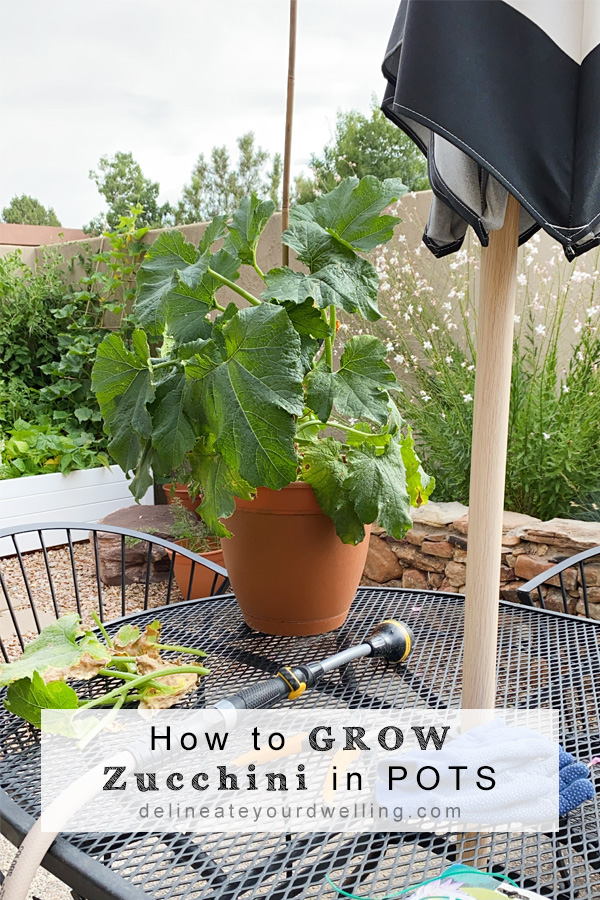
Container Zucchini: Special Tips
If you’re gardening on a patio, balcony, or have only concrete, zucchini can still thrive in containers.
Best Container Size
- Minimum 5 gallons (20 liters) per plant.
- Bigger is better—try 10 gallons (40 liters) for maximum yields.
Soil Mix
- Use high-quality potting mix with added compost.
- Avoid garden soil—it compacts and drains poorly in pots.
Watering And Feeding
- Containers dry out fast—check daily.
- Feed every 2–3 weeks with a water-soluble fertilizer.
Supporting The Plants
- Use a large tomato cage or short stake to keep plants upright.
- Rotate the container regularly so all sides get sun.
Insight: Container-grown zucchini may need more frequent harvesting—plants grow fast in the warm, sheltered conditions of a patio.

Credit: www.youtube.com
Sample Small Garden Zucchini Plan
Here’s a simple example layout for a small (4×4 feet / 1.2×1.2 m) raised bed:
| Crop | Spacing | Harvest Time |
|---|---|---|
| Zucchini (bush type) | 2 plants, 2 feet apart | 6–8 weeks after sowing |
| Lettuce | 4 plants around zucchini | 4–6 weeks after sowing |
| Radish | 8 plants along edges | 3–4 weeks after sowing |
Tip: As lettuce and radish are harvested early, zucchini will have more space as it grows.
Real-world Examples: Success Stories
- Patio Gardener in Seattle: Using two 10-gallon pots on a sunny balcony, grew ‘Eight Ball’ zucchini, harvesting 15 pounds over two months.
- Urban School Garden: Raised beds just 3 feet wide produced enough zucchini for weekly summer salads in the cafeteria.
- Rooftop Experiment in New York: Used vertical trellising with ‘Black Forest’ zucchini, getting clean fruit and saving ground space for herbs.
Takeaway: You don’t need a big yard—just good sun, water, and a bit of care.
Harvesting And Using Your Zucchini
How To Harvest
- Use a sharp knife or garden scissors.
- Cut the stem about 1 inch (2.5 cm) above the fruit.
- Don’t twist or pull—this can damage the plant.
Storage Tips
- Fresh zucchini keeps for up to a week in the fridge.
- For longer storage, slice and freeze blanched zucchini.
- Avoid storing in sealed plastic bags—zucchini needs to breathe.
Creative Ways To Use Zucchini
Zucchini’s mild flavor works in many dishes:
- Sautéed with garlic and olive oil
- Grilled or roasted as a side dish
- Shredded into muffins or pancakes
- Spiralized as “zoodles” for low-carb pasta
- Added to stir-fries, soups, or casseroles
Bonus: Small zucchinis are best for eating raw in salads. Larger ones are great for stuffing or baking.
Saving Seeds And Planning For Next Season
Experienced gardeners often save seeds from their best plants. Here’s how:
- Select one healthy, disease-free zucchini and let it mature fully.
- Harvest when skin is hard and rind changes color (usually yellow or orange).
- Scoop seeds, wash off pulp, and dry for a week on a paper towel.
- Store in a labeled envelope in a cool, dry place.
Note: Hybrid varieties won’t produce identical offspring. For true-to-type plants, use open-pollinated (heirloom) types.
Environmental Benefits Of Growing Zucchini At Home
Growing your own zucchini in a small garden isn’t just about fresh food. It also:
- Reduces your carbon footprint (less transport and packaging)
- Builds healthy soil (if you compost)
- Supports local pollinators (with flowers and chemical-free gardening)
- Encourages outdoor activity and learning
Even a single container on a balcony helps make urban spaces greener.
Common Beginner Mistakes (and How To Avoid Them)
Overcrowding Plants
Many new gardeners plant too closely, hoping for more harvest. In reality, crowded zucchini compete for light and air, leading to weak growth and disease. Always give each plant enough space.
Underwatering Or Overwatering
Inconsistent watering leads to problems like blossom end rot or powdery mildew. Check soil regularly and water deeply, not just at the surface.
Ignoring Pollination
If bees are scarce, hand-pollinate to ensure fruit set. Planting pollinator-attracting flowers nearby helps, too.
Neglecting Regular Harvest
Leaving giant zucchini on the plant signals the plant to stop producing. Pick often and when fruits are small for the best taste and yield.
Not Rotating Crops
Planting zucchini (or other squash family crops) in the same spot every year increases disease risk. Rotate with unrelated crops each season if possible.

Credit: www.apieceofrainbow.com
Eco-friendly Pest Control Options
Many gardeners worry about using pesticides in small, shared spaces. Here are safe ways to manage pests:
- Hand-picking: Remove bugs and eggs daily.
- Neem oil: An organic spray for aphids and beetles.
- Beneficial insects: Ladybugs and lacewings eat pests.
- Floating row covers: Protect young plants from beetles, but remove when flowers appear for pollination.
Using fewer chemicals is safer for you, your family, and the environment.
When To Replace Zucchini Plants
Zucchini plants produce heavily for about 2–3 months, then slow down. If leaves yellow and yields drop, pull out old plants and replace with quick crops (like lettuce or beans). This keeps your garden productive all season.
Helpful Resources
For more in-depth information on small-space gardening, see the University of Minnesota Extension.
Frequently Asked Questions
How Much Sun Does Zucchini Need?
Zucchini needs at least 6–8 hours of direct sun each day. Less sun means fewer and smaller fruits. If possible, choose the sunniest part of your garden or balcony.
Can Zucchini Be Grown In Pots Or Containers?
Yes, zucchini grows well in containers if the pot is large enough (at least 5 gallons). Use high-quality potting mix, water regularly, and feed every 2–3 weeks for best results.
Why Are My Zucchini Flowers Falling Off Without Making Fruit?
Often, the first flowers are male and will drop naturally. If female flowers (with a small fruit at the base) are falling off, it’s usually poor pollination. Try hand-pollinating or plant flowers nearby to attract bees.
How Do I Prevent Powdery Mildew On My Zucchini?
Prevent powdery mildew by spacing plants well, watering at the base, and using disease-resistant varieties. If you see white powder on leaves, remove the worst leaves and improve airflow.
When Should I Plant Zucchini Seeds Outside?
Plant zucchini seeds after the last frost when soil is at least 60°F (16°C). In most climates, this is late spring. Don’t plant too early—cold soil stops seeds from sprouting.
Growing zucchini in a small garden is not only possible—it’s one of the easiest ways to enjoy fresh, homegrown food. With the right variety, good planning, and a bit of regular care, you’ll be amazed at what you can harvest from even the tiniest space.
Whether you’re a first-time gardener or looking to make your small plot more productive, zucchini is a great place to start. Happy gardening!
Credit: www.delineateyourdwelling.com