
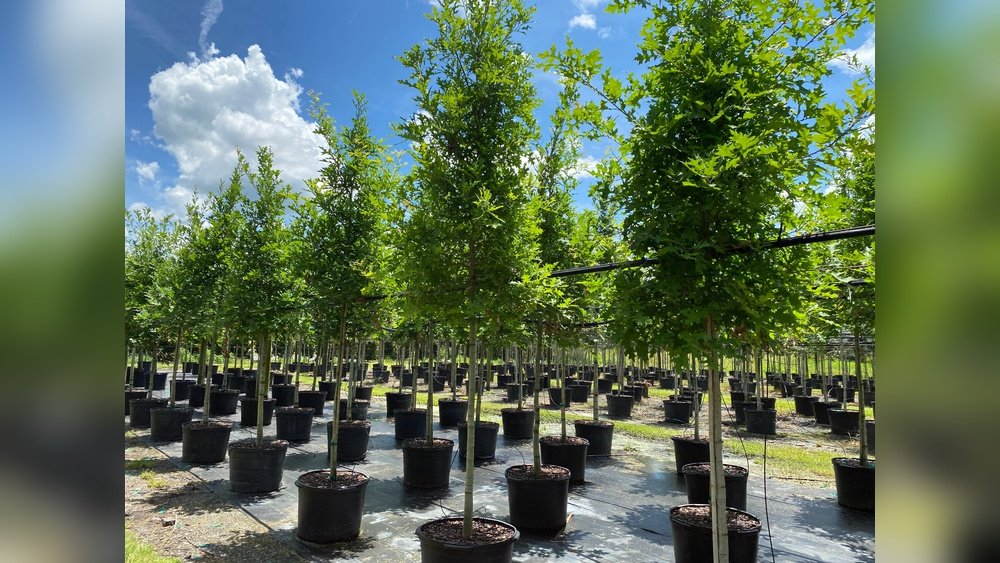
Planting a new tree is a hopeful act. It promises shade, beauty, and a healthier environment for years to come. But getting those benefits depends on what you do in the first few years after planting. Many people believe that trees grow on their own once planted, but the truth is, newly planted trees need extra care to survive and thrive. Without proper attention, even the strongest species can fail, and all your hard work and investment can go to waste.
Caring for a new tree is not difficult, but it does require some knowledge and consistency. This guide breaks down every step you need to take from the moment your tree goes into the ground until it’s well established. You’ll learn how to water, mulch, protect, and monitor your tree, and also discover easy-to-miss details that can make all the difference.
Whether you’re planting a single ornamental tree in your yard or starting a mini-forest, these tips will help you grow strong, healthy trees that live for decades.
Understanding The Needs Of Newly Planted Trees
A newly planted tree is very different from a mature one. Its roots are confined and stressed from transport. It cannot reach deep water or nutrients yet. Most failures happen within the first three years because people underestimate these challenges.
Let’s look at what your new tree really needs.
What Makes A Tree “newly Planted”?
A newly planted tree is any tree that has been in the ground for less than two or three years. During this time, the tree is still establishing its root system. Even large trees moved from nurseries need time to adjust.
Why Special Care Is Critical
The main reason for failure in new trees is transplant shock. This happens when roots are damaged during planting, or when the tree cannot access enough water or nutrients. The tree’s energy is focused on root growth, not leaves or flowers. If the roots cannot recover, the tree may die or become stunted.
Common Mistakes To Avoid
- Overwatering or underwatering
- Planting too deep or too shallow
- Not using mulch, or piling mulch against the trunk
- Ignoring early signs of pests or diseases
Understanding these basic needs sets a strong foundation for the detailed tips that follow.
Watering: The Lifeblood Of New Trees
Getting water right is the most important part of early tree care. New trees do not have deep roots and rely on you for moisture.
How Much And How Often To Water
The amount and frequency depend on the tree size, soil type, and weather. A good rule for most trees is:
- First two weeks: Water every day.
- Next three months: Water 2–3 times a week.
- After three months: Water once a week, unless it rains.
Each time, water deeply so the soil is moist at least 12 inches down. Shallow watering encourages weak surface roots.
Example Watering Schedule
| Tree Age | Watering Frequency | Amount per Session |
|---|---|---|
| 0–2 weeks | Daily | 2–3 gallons |
| 2–12 weeks | 2–3 times per week | 5 gallons |
| 3–12 months | Weekly | 10 gallons |
How To Tell If Your Tree Needs Water
Stick your finger 2–3 inches into the soil near the tree. If it feels dry, it’s time to water. If it’s moist, wait a day or two. You can also use a soil moisture meter for more accuracy.
Watering Tips
- Water in the morning to reduce evaporation.
- Use a slow trickle, not a blast from a hose.
- Make a small berm (soil ring) around the base to hold water.
Common Watering Mistakes
- Watering the leaves instead of the roots
- Letting the soil stay soggy (roots need air too)
- Forgetting to adjust for rain or heat waves
Pro tip: During hot summers, new trees may need extra water even if other plants look fine.
Mulching: Protect Roots And Save Water
Mulch is a tree’s best friend. It keeps roots cool, holds moisture, and stops weeds. But it must be used correctly.
Choosing The Right Mulch
Organic mulches like wood chips, shredded bark, or compost are best for trees. They break down slowly, adding nutrients to the soil.
How To Apply Mulch
Spread mulch in a circle 2–4 inches deep, starting a few inches from the trunk and extending out to the tree’s drip line (the farthest leaves). Never pile mulch against the trunk—this causes rot.
Mulching Dos And Don’ts
| Do | Don’t |
|---|---|
| Use 2–4 inches of mulch | Use more than 4 inches (may suffocate roots) |
| Keep mulch away from trunk | Pile mulch against the bark (“volcano mulching”) |
| Refresh mulch each spring | Let mulch touch the trunk |
Benefits You Might Not Know
Besides saving water, mulch prevents soil compaction. Compacted soil makes it hard for roots to grow and get oxygen.
Supporting And Staking Your Tree
Not all trees need staking, but some do—especially in windy areas or with tall, thin trunks.
When To Stake
Stake only if the tree cannot stand upright on its own, or if it’s in a very windy spot.
How To Stake Properly
- Place two or three stakes outside the root ball.
- Use soft ties (not wire or rope) to loosely secure the trunk.
- Allow some movement—this helps the trunk grow strong.
- Remove stakes after one year.
Common Mistakes
- Tying too tightly (can damage bark)
- Leaving stakes on too long (weakens the tree)
- Using wire without padding (cuts into bark)
Expert insight: Most trees do better without staking. Over-staked trees grow weak and are more likely to fall later.
Fertilizing: When And How Much
Many people rush to fertilize new trees, but it’s usually not needed in the first year.
Should You Fertilize?
If you planted in healthy soil with compost, your tree has enough nutrients. Too much fertilizer can burn new roots or cause weak, fast growth.
Fertilize only if:
- A soil test shows a deficiency
- The tree is not growing leaves, even with good water and light
Best Fertilizer Types
Use a slow-release, balanced fertilizer (such as 10-10-10). Avoid high-nitrogen lawn fertilizers near trees.
How To Apply
Spread fertilizer on the outer edge of the root zone, not next to the trunk. Water well after applying.
Non-obvious Tip
Mycorrhizal fungi products help roots absorb nutrients. Adding these during planting can boost survival, especially in poor soils.
Pruning Newly Planted Trees
Pruning is important but should be kept minimal in the first year. Focus on removing only what is necessary.
What To Prune
- Broken, dead, or diseased branches
- Branches that rub against each other
What Not To Prune
- The main leader (central stem)
- More than 10–15% of the tree’s canopy
When To Prune
Prune in late winter or early spring, before new leaves appear. Avoid heavy pruning right after planting.
How To Prune
Use clean, sharp tools. Make cuts just outside the branch collar (the swollen area where branch meets trunk).
Insider tip: Too much pruning delays root growth. Let the tree focus on roots in the first year.
Credit: nfs.unl.edu
Protecting From Pests, Animals, And Damage
Young trees are magnets for pests, animals, and even lawn equipment.
Common Threats
- Deer or rabbits eating bark or branches
- Insects like borers or aphids
- Lawn mowers and string trimmers damaging trunks
Simple Protection Methods
- Use tree guards or wraps around the base (remove in summer to prevent moisture buildup).
- Place fencing if deer are a problem.
- Check leaves and bark regularly for insect signs.
Early Signs Of Trouble
- Wilting or yellowing leaves
- Holes or tunnels in bark
- Sticky residue on leaves (aphid honeydew)
Non-obvious Defense
Install a 2–3 foot mulch ring to keep lawn equipment away from the trunk—most young tree deaths in urban areas are from mower damage, not insects.
Monitoring Growth And Health
Watching your tree closely is the best way to spot problems early.
Signs Of Good Health
- Leaves are green and full (for the species)
- New shoots grow each year
- Trunk is firm and upright
Warning Signs
- Leaves curl, wilt, or turn brown
- Bark cracks or peels
- No new growth in spring
Keeping Records
Take photos every few months. Write down when you water, mulch, or fertilize. This helps you notice changes and adjust care.
Beginner mistake: Not checking trees during dry spells or after storms. One missed week can harm a new tree.
Credit: atlas-tree.com
Season-by-season Tree Care
Caring for your newly planted tree changes with the seasons. Here’s what to focus on each time of year.
Spring
- Check for winter damage and prune if needed.
- Refresh mulch around the base.
- Watch for early pest activity.
Summer
- Water deeply in dry weather.
- Monitor for heat stress (wilting, scorched leaves).
- Protect from lawn equipment.
Fall
- Water until the ground freezes—trees need moisture before winter.
- Add a thicker mulch layer for insulation.
- Protect trunks from animal damage.
Winter
- Avoid using salt near trees (can damage roots).
- Brush off heavy snow from branches.
- Check that guards or wraps are secure.
Pro tip: Trees in their first winter are most at risk. Cold, dry winds can kill young trees—mulch and water well before the ground freezes.
Special Tips For Different Tree Types
Not all trees need the same care. Here’s how to adjust for common types.
Evergreen Vs. Deciduous
Evergreens (pines, spruces) lose water through their needles all year. They need extra water in late fall and early spring.
Deciduous trees (maples, oaks) are more vulnerable to sunscald and need bark protection in winter.
Fast-growing Vs. Slow-growing
Fast-growing trees (willows, poplars) need more water and regular pruning to avoid weak branches.
Slow-growing trees (oaks, hickories) focus on root growth first, so be patient if you don’t see much top growth early.
Fruit Trees
Fruit trees often need extra pest monitoring and annual pruning. Use organic sprays if you see signs of disease, but avoid harsh chemicals in the first year.
Expert tip: Fruit trees are especially sensitive to over-fertilizing. Too much can reduce fruit quality later.
Troubleshooting Common Problems
Even with the best care, problems can happen. Here’s how to handle the most common issues.
Wilting Leaves
Check soil moisture first. Both overwatering and underwatering can cause wilting. Adjust watering schedule and check for drainage.
Yellowing Or Pale Leaves
This can mean nutrient problems, poor drainage, or root damage. Test your soil or consult an expert if it does not improve.
Bark Damage
Small animals, sunscald, and mowers are common causes. Use guards and mulch, and paint exposed bark with white latex paint if needed.
Insect Infestations
Identify the insect before treating. Most minor pests can be washed off with water or removed by hand. For severe problems, use horticultural oil or consult your local extension office.
Slow Or No Growth
Be patient—some trees focus on roots first. If there is no growth for more than a year, check soil, water, and sun levels.
Non-obvious insight: Urban trees often struggle due to compacted or salty soil. Aerate and flush soil with water if you suspect these issues.
Comparing Tree Care Tools And Supplies
Choosing the right tools can make tree care easier and more effective. Here’s how common options compare.
| Tool/Supply | Main Purpose | Best For | Drawbacks |
|---|---|---|---|
| Soaker hose | Slow, deep watering | Large planting areas | Can clog, needs setup |
| Mulch (wood chips) | Moisture retention, weed control | All tree types | Must keep from trunk |
| Tree guards | Protect trunk | High animal pressure | Can hold moisture if not removed |
| Soil moisture meter | Check watering needs | Beginners | Needs calibration |
Mistakes To Avoid When Caring For New Trees
Many problems come from good intentions. Here are mistakes that cause the most failures:
- Overwatering: Roots rot in soggy soil.
- Planting too deep: Roots suffocate or rot.
- Using weed killers or fertilizer near trunks: These can burn new roots.
- Not removing tags or ties: Can girdle (choke) the tree as it grows.
- Ignoring the weather: Hot, dry, or windy days need more frequent checks.
- Failing to adjust mulch: Too much mulch can be as bad as none.
- Skipping the first-year checks: The first year is the most critical.
- Assuming “native” trees need no care: All new trees need help until established.
Beginner insight: Even drought-tolerant species need extra water in their first year.
Real-world Example: Caring For A Red Maple In The Suburbs
Let’s see these tips in action with a common tree—the red maple.
- After planting, a 10-gallon red maple was watered every day for two weeks. A 3-foot mulch ring was added, kept 3 inches from the trunk.
- The owner checked the soil moisture each week and switched to watering twice a week during a hot summer.
- Stakes were used for the first six months due to wind, then removed.
- In fall, extra mulch was added, and the trunk was wrapped to prevent deer damage.
- After one year, the tree had grown 18 inches and showed no leaf burn or pest problems.
This example shows how regular checks and simple actions lead to success.
How Long Until A Tree Is Established?
Most new trees take 2–3 years to establish. Larger trees and those planted in tough sites may take longer. Once established, trees can survive with less help.
Signs your tree is established:
- Needs less frequent watering
- Shows strong new growth each year
- Survives a full season without extra care
Non-obvious tip: Trees planted in spring usually establish faster than those planted in late summer or fall.
Resources For Further Learning
If you want to go deeper, check your local extension office or trusted sources like the Arbor Day Foundation for region-specific advice.

Credit: www.monstertreeservice.com
Frequently Asked Questions
How Often Should I Water A Newly Planted Tree?
For the first two weeks, water every day. After that, water 2–3 times a week for the next three months. After three months, once a week is usually enough. Adjust for rain and heat.
Do All Trees Need Stakes After Planting?
No. Only use stakes if the tree cannot stand upright or is in a windy area. Most trees grow stronger without staking. Remove stakes after one year.
Is Mulch Really Necessary Around New Trees?
Yes, mulch helps keep roots cool, holds moisture, and prevents weeds. Use 2–4 inches, keep it away from the trunk, and refresh each spring.
When Should I Start Fertilizing My New Tree?
Wait at least one year unless a soil test shows a deficiency. Over-fertilizing can damage new roots. Use a balanced, slow-release product if needed.
What Is The Biggest Mistake People Make With New Trees?
Overwatering and planting too deep are the most common mistakes. Both can kill a new tree quickly. Always check soil moisture and plant at the correct depth.
Caring for a newly planted tree may seem like a lot, but most tasks are simple and quick. The key is regular attention and understanding what your young tree needs. With the right care, your effort will pay off for decades to come, giving you shade, beauty, and a living legacy in your yard or community.