
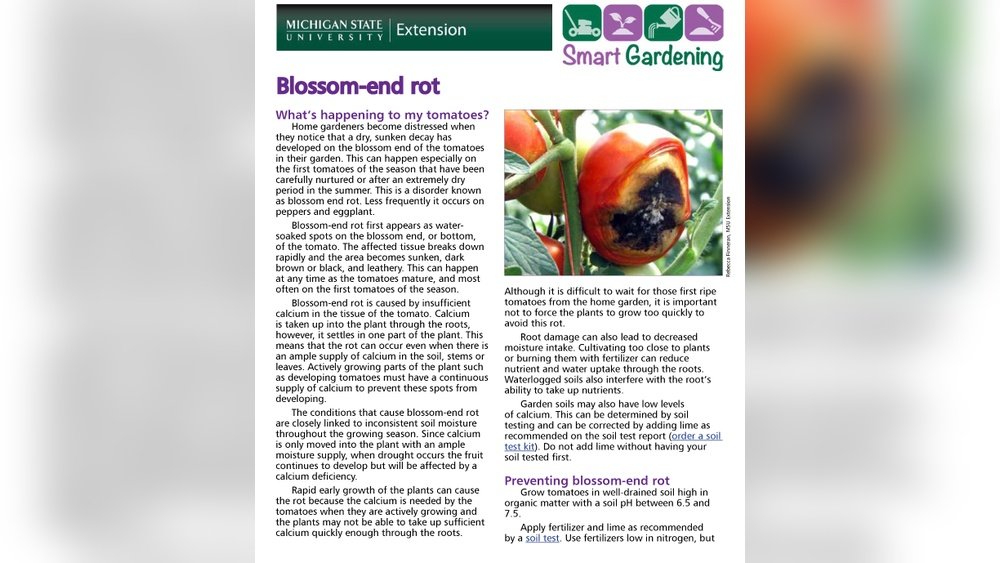
Blossom end rot can turn the excitement of growing your own tomatoes, peppers, or squash into frustration. That brown, sunken spot on the bottom of the fruit often appears just as your crop is starting to ripen. Many gardeners feel helpless, but preventing blossom end rot is possible with the right knowledge and actions.
This guide will help you understand what causes blossom end rot, why it happens, and what you can do to stop it before it starts.
What Is Blossom End Rot?
Blossom end rot is a physiological disorder, not a disease. It affects the blossom end (the bottom) of fruits, especially tomatoes, peppers, squash, and watermelons. Instead of a healthy fruit, you find a dark, leathery patch that spoils the look and often the taste. The main cause is a calcium deficiency in the developing fruit, but the story is more complex than simply adding more calcium.
Why Calcium Matters
Calcium is vital for strong cell walls in plants. When fruits grow quickly and do not get enough calcium, their cells break down, leading to soft, rotten spots. Even if the soil has enough calcium, plants may not absorb it well if watering is inconsistent or the roots are stressed.
Crops Most At Risk
Blossom end rot is most common in:
- Tomatoes (especially Roma and paste varieties)
- Peppers (bell and hot types)
- Eggplants
- Squash and zucchini
- Watermelons and other melons
Understanding which crops are most vulnerable helps you focus your prevention efforts.
Causes Of Blossom End Rot
You might think blossom end rot comes from a disease or fungus, but it does not spread from fruit to fruit. The problem happens inside the plant, mainly due to calcium imbalance. Here are the main causes:
1. Inconsistent Watering
Plants need a steady supply of water to absorb calcium. When soil dries out and then gets soaked, or if watering is irregular, the plant cannot move calcium into the fruit efficiently.
2. Root Damage
If roots are injured by deep cultivation, transplant shock, or nematodes, they cannot pull up water and nutrients as needed.
3. Excess Nitrogen Fertilizer
Too much fertilizer, especially high in nitrogen, makes plants grow fast. This rapid growth can outpace calcium movement, leading to weak fruit tissue.
4. Soil Ph Problems
If your soil is too acidic (low pH), calcium becomes less available to plants. Ideally, soil pH should be between 6. 2 and 6. 8 for tomatoes.
5. Competition From Other Nutrients
High levels of potassium or magnesium in the soil can block calcium uptake, even when there is enough calcium present.
6. Environmental Stress
Hot, dry, or windy conditions can cause plants to lose water quickly, making calcium transport even harder.
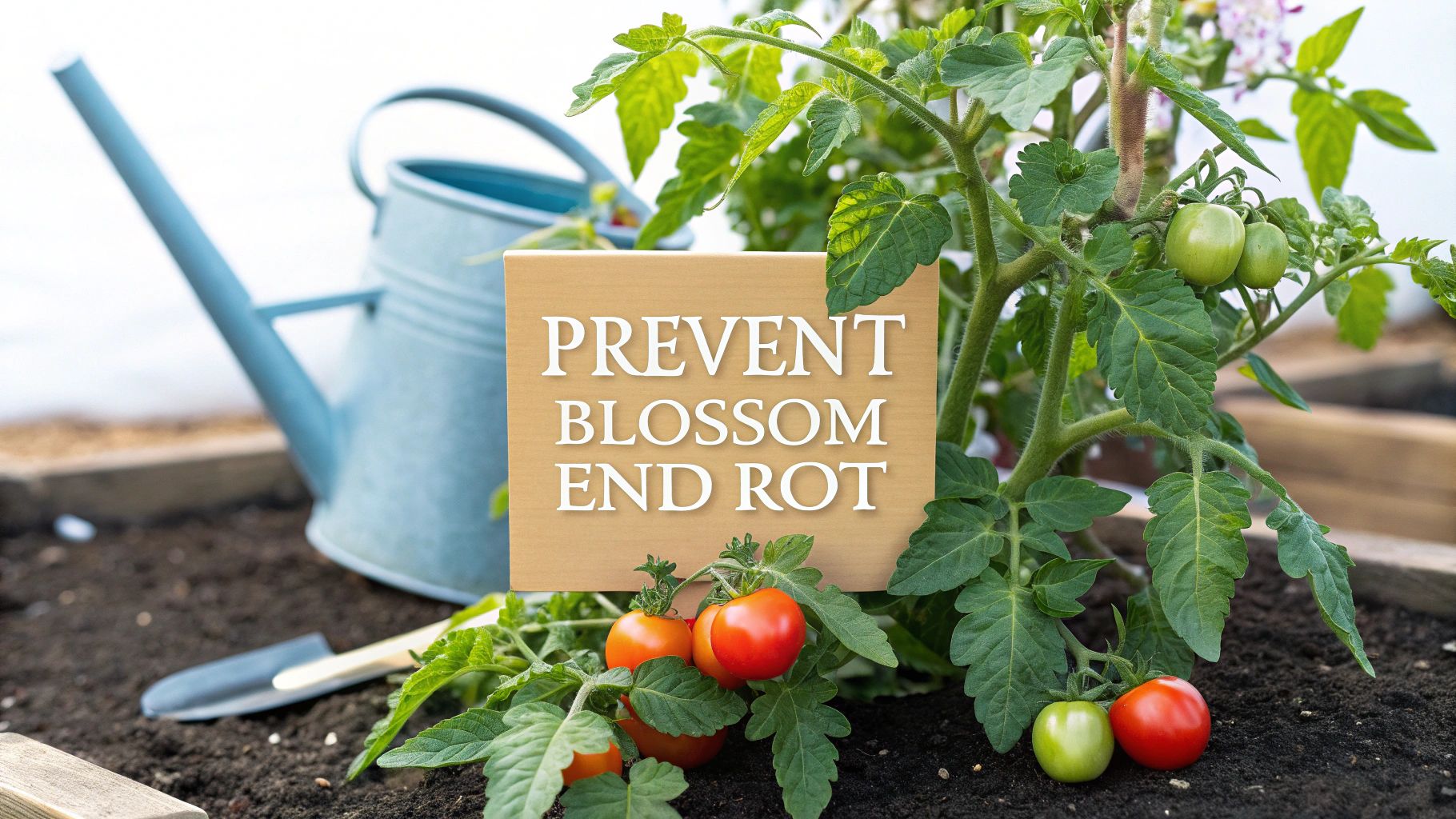
Credit: homegrown-garden.com
How To Prevent Blossom End Rot: Top Tips
Preventing blossom end rot is about consistent care rather than quick fixes. Here are the best strategies, explained simply and in detail.
1. Water Consistently And Deeply
The single most important step is to water your plants evenly. Calcium moves with water from the roots to the fruit. Dry spells or overwatering can both cause problems.
- Water deeply once or twice per week, depending on your climate and soil.
- Avoid shallow, frequent watering, which encourages shallow roots.
- For container plants, check daily, as pots dry out faster.
A good rule: the top inch of soil should be moist but not soggy.
2. Mulch Your Soil
A layer of mulch helps keep soil moisture steady. It also prevents soil from drying out too fast in hot weather.
- Use straw, shredded leaves, grass clippings, or pine needles.
- Apply 2-3 inches around plants, keeping mulch away from the stems.
Mulch not only prevents blossom end rot but also reduces weeds and soil temperature swings.
3. Test And Adjust Soil Ph
Soil pH affects how much calcium is available to your plants.
- Use a simple soil test kit to check pH.
- For tomatoes, the ideal range is 6.2–6.8.
- If pH is too low, add lime (calcium carbonate) to raise it.
Testing once a year before planting can save you a lot of problems later.
4. Add Calcium Only If Needed
Many gardeners rush to add eggshells, lime, or calcium sprays. But adding calcium is only helpful if your soil is actually lacking it.
- Most soils have enough calcium.
- If your soil test shows low calcium, add gypsum (calcium sulfate) or lime.
- Eggshells break down slowly and may not help in the short term.
Focus on watering and root health first before adding amendments.
5. Use Fertilizer Wisely
Fertilizer is important, but too much nitrogen can make blossom end rot worse.
- Use a balanced fertilizer (such as 10-10-10 or 5-10-10).
- Avoid high-nitrogen fertilizers, especially early in the season.
- Side-dress with compost or well-rotted manure for slow-release nutrients.
Check fertilizer labels—many “tomato foods” are specially designed to prevent excess nitrogen.
6. Avoid Damaging Roots
Healthy roots mean healthy fruit.
- When weeding, pull gently—do not dig close to the base of plants.
- When transplanting, keep as much soil on roots as possible.
- Avoid planting near trees that may compete for water and nutrients.
A simple tip: use your hands, not sharp tools, for weeding around young plants.
7. Choose Resistant Varieties
Some tomato and pepper varieties are less likely to get blossom end rot. Check seed catalogs for “resistant” or “tolerant” types.
- Roma and San Marzano tomatoes are more susceptible.
- Cherry and grape tomatoes are less affected.
Planting more tolerant varieties increases your chances of a healthy harvest.
8. Keep Soil Evenly Moist
Plants do not like big swings in soil moisture.
- Use a soaker hose or drip irrigation for even watering.
- Check soil moisture with your finger or a moisture meter.
Setting up a simple irrigation system can make a big difference, especially in hot, dry regions.
9. Control Environmental Stress
Protect your plants from sudden weather changes.
- Use row covers or shade cloth during extreme heat.
- Shelter young plants from wind.
- Water more frequently during heat waves.
Reducing stress helps plants move calcium where it is needed most.
10. Do Not Overcrowd Plants
Proper spacing allows for better airflow and less competition for water and nutrients.
- Space tomatoes 18–24 inches apart.
- Peppers need about 12–18 inches.
- Squash and melons require even more.
Overcrowding often leads to both disease and blossom end rot.
11. Monitor And Adjust Regularly
Garden conditions change week by week.
- Check plants for early signs of blossom end rot (small dark spots).
- Adjust watering and mulch as needed.
- Remove affected fruit to encourage healthy new growth.
Catching problems early can often save the rest of your crop.
12. Grow In Raised Beds Or Containers
If your native soil is poor or drains badly, raised beds or large containers give you more control.
- Use high-quality potting mix with added compost.
- Make sure containers have drainage holes.
- Water containers more often but do not let them stand in water.
Raised beds warm up faster in spring, giving plants a good start.
Data Table: Blossom End Rot Risk By Crop
Understanding which crops are most at risk can help you prioritize prevention efforts. This table summarizes relative risk and tips for each crop.
| Crop | Risk Level | Key Prevention Tip |
|---|---|---|
| Roma Tomatoes | High | Mulch and water deeply, avoid fast growth |
| Cherry Tomatoes | Low | Regular watering, less concern |
| Bell Peppers | Medium | Test soil pH, avoid root damage |
| Squash/Zucchini | Medium | Consistent soil moisture, mulch |
| Eggplant | Medium | Even watering, balanced nutrition |
| Watermelon | Low | Protect from wind, steady water |

Credit: homegrown-garden.com
Non-obvious Insights And Mistakes Beginners Make
Most gardeners hear “blossom end rot means you need more calcium.” But two important facts are often missed:
- Water is the real driver of calcium movement, not just the soil content. Even with plenty of calcium, inconsistent watering can cause blossom end rot.
- Foliar calcium sprays (spraying leaves or fruit with calcium) rarely work. The plant cannot move calcium from leaves to fruit after the fruit starts forming. Prevention must start with roots and soil before flowers appear.
A common beginner’s mistake is to notice blossom end rot and immediately add eggshells or lime, but forget to check watering habits or soil moisture.
The Role Of Soil Testing
If you have repeated blossom end rot despite good watering, a soil test is essential. This test will show your soil’s calcium, pH, magnesium, and potassium levels.
- Many county extension offices or garden centers offer affordable testing.
- Some home test kits provide basic readings, but lab tests are more accurate.
Testing reveals hidden problems, such as high magnesium or potassium, which can block calcium.
Table: Soil Amendments For Blossom End Rot Prevention
Choosing the right amendment depends on your soil test. This comparison can help:
| Amendment | Main Purpose | How Fast It Works | Best For |
|---|---|---|---|
| Lime (Calcium Carbonate) | Raises pH, adds calcium | Slow (months) | Acidic soils, pre-planting |
| Gypsum (Calcium Sulfate) | Adds calcium, does not change pH | Medium (weeks) | Neutral soils |
| Eggshells | Slow calcium release | Very slow (season to years) | Long-term soil health |
| Epsom Salt (Magnesium Sulfate) | Adds magnesium, not calcium | Fast | Only if soil test shows low magnesium |
Mythbusting: What Does Not Prevent Blossom End Rot
Many “quick fixes” are popular online, but not all work. Here’s what to avoid:
- Foliar calcium sprays: These rarely prevent blossom end rot, as calcium does not move from leaves to fruit once fruit is forming.
- Epsom salts: These add magnesium, which can actually make blossom end rot worse if your soil already has enough magnesium.
- Adding eggshells to the planting hole: Eggshells break down very slowly and are not a fast solution. They are better for long-term soil health.
The best prevention is steady water, healthy roots, and balanced nutrients.
Example: Preventing Blossom End Rot In A Home Garden
Let’s look at a practical scenario. Anna grows tomatoes in her backyard. Last year, many fruits developed brown, sunken spots. She watered every few days but noticed the soil dried out between waterings.
This year, Anna:
- Added 2 inches of straw mulch
- Set up a drip hose for slow, deep watering twice a week
- Used a soil test kit and found her pH was 6.0, so she added lime to raise it to 6.5
- Switched to a tomato fertilizer lower in nitrogen
By mid-summer, Anna’s tomatoes were healthy, with no blossom end rot. She learned that small changes—mulch, steady water, and checking pH—made a big difference.
Practical Tips For Container Gardeners
Container-grown plants are more likely to develop blossom end rot because they dry out faster and nutrients can wash away.
- Use large containers (at least 5 gallons for tomatoes).
- Fill with high-quality potting mix that contains compost or slow-release fertilizer.
- Water daily during hot weather, but do not let containers sit in saucers of water.
- Mulch the top of the soil with straw or bark.
If you notice blossom end rot, check your watering schedule before adding fertilizer or calcium.
Data Table: Watering Methods Compared
Choosing the right watering method can make a big difference. Here’s a quick comparison:
| Method | Water Consistency | Labor Needed | Best For |
|---|---|---|---|
| Hand Watering | Variable | High | Small gardens, containers |
| Soaker Hose | Even | Low | Beds, rows |
| Drip Irrigation | Very even | Medium (setup), Low (daily) | Large gardens, drought-prone areas |
| Sprinkler | Variable, surface only | Low | Lawns, not recommended for vegetables |
A soaker hose or drip system is usually best for preventing blossom end rot because it keeps the soil moisture steady.
Organic Approaches To Prevention
If you prefer organic gardening, blossom end rot can still be managed well:
- Use compost to improve soil structure and moisture retention.
- Apply organic mulches (straw, shredded leaves).
- Avoid chemical fertilizers high in nitrogen; use composted manure or balanced organic blends.
- Practice crop rotation to reduce soil-borne pests and diseases.
Organic methods focus on building healthy soil and preventing stress, which naturally reduces blossom end rot.
When To Remove Affected Fruit
If you see fruit with blossom end rot, should you pick it off? Yes, but with care.
- Remove badly affected fruit early to redirect energy to healthier fruits.
- If only the first fruit cluster is affected, later fruit often develops normally.
- Sometimes, slightly affected fruit is still edible—just cut away the damaged part.
Do not panic if your first few tomatoes have blossom end rot. As the plant matures and roots grow deeper, the problem often disappears.
Preventing Blossom End Rot In Different Climates
Your local climate changes how you need to manage blossom end rot.
- Hot, dry areas: Mulch heavily and water more often.
- Rainy regions: Make sure soil drains well, and avoid overwatering.
- Cool summers: Raised beds help warm soil and improve nutrient uptake.
Adjust your strategy based on weather and soil conditions. For example, clay soils hold water longer, so watering needs are different than in sandy soils.
Getting Help: Extension Services And Local Advice
If you cannot solve blossom end rot with these tips, your local extension service can help. They know your area’s soil and climate and can provide tailored advice or soil testing.
For US gardeners, find your local office through the USDA or your state’s agricultural department. They often have free guides and workshops.
A reliable online resource is the University of Minnesota Extension.
Frequently Asked Questions
What Causes Blossom End Rot Even When I Add Calcium?
Blossom end rot happens mostly because the plant cannot move calcium to the fruit, not because there is no calcium in the soil. Irregular watering, root damage, or too much nitrogen are the usual causes. Focus on steady watering and healthy roots before adding more calcium.
Can I Eat Tomatoes Or Peppers With Blossom End Rot?
Yes, you can eat the undamaged part. Cut away the sunken, dark area. The rest of the fruit is safe, though texture and taste may be affected. Do not eat any fruit that is moldy or smells bad.
Will Blossom End Rot Spread To Other Plants?
No, blossom end rot is not contagious. It is a plant disorder, not a disease. However, the same conditions that caused it in one plant may affect others, so fix the underlying problem.
How Long Does It Take To Fix Blossom End Rot?
Once you fix the cause (watering, root health, pH), new fruit should develop normally in a few weeks. Fruit already affected will not heal, but most plants outgrow the problem as the season goes on.
Are There Fast-acting Remedies For Blossom End Rot?
Unfortunately, there is no instant cure. Foliar sprays and quick fixes do not work well. The best approach is prevention: steady moisture, balanced fertilizer, and healthy roots. Over time, you will see improvement.
Blossom end rot can be frustrating, but with the right steps, you can prevent it from ruining your harvest. Remember: consistent care is more effective than quick fixes. Focus on watering, healthy soil, and balanced nutrients, and you will enjoy healthy, delicious fruit all season long.

Credit: www.youtube.com