
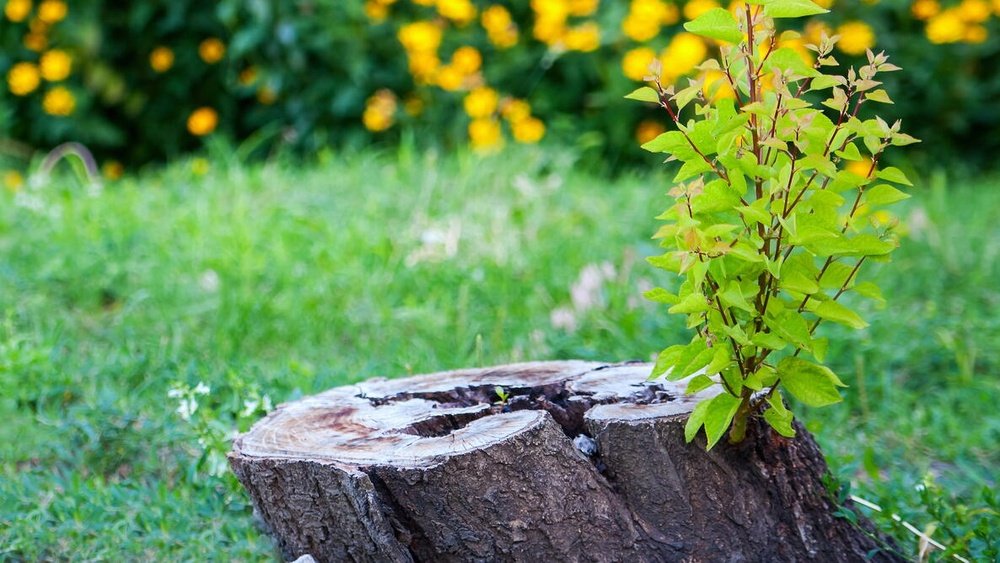
Tree stumps can be a real headache for homeowners and property managers. After cutting down a tree, the stump left behind is not just an eyesore—it can attract pests, regrow, and even damage your landscape. If you want to reclaim your yard, understanding the best ways to kill a tree stump quickly is essential.
This guide explains everything you need to know, from fast stump removal methods to eco-friendly options, common mistakes, and expert tips. Whether you want a chemical solution, a natural remedy, or a mechanical approach, you’ll find step-by-step instructions and advice for your situation.
Why You Need To Kill A Tree Stump
A tree stump is more than just leftover wood. It can cause several problems if ignored:
- Regrowth: Many tree species sprout new shoots from the stump, leading to a new tree.
- Pests: Stumps attract insects like termites, ants, and beetles.
- Diseases: Rotting wood can spread fungal diseases to healthy plants.
- Safety Hazard: Stumps are tripping dangers, especially for children and seniors.
- Landscaping Issues: They make mowing and gardening difficult.
Removing the stump quickly means fewer headaches later on. Fast action also stops roots from drawing nutrients and water from your soil.
How Tree Stump Removal Methods Work
There are three main ways to kill a tree stump:
- Chemical solutions: Use special stump-killing chemicals to speed up decay.
- Natural methods: Apply salt, boiling water, or other household items to kill the stump organically.
- Mechanical removal: Use tools or machines to physically destroy or remove the stump.
Each method has advantages and drawbacks, depending on the size of the stump, your timeline, and your environmental concerns.
Fastest Chemical Methods To Kill A Tree Stump
When speed matters, chemical solutions are often the go-to choice. They break down wood fibers, making the stump easier to remove.
Using Commercial Stump Killers
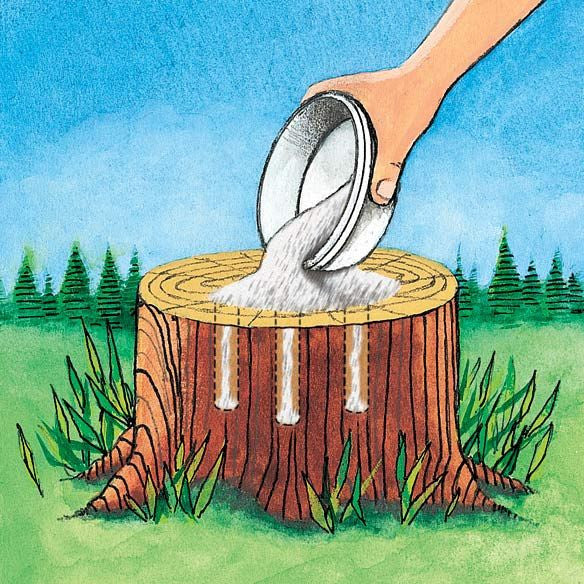
Stump-killing products are available in most garden centers. They contain potassium nitrate, which accelerates decomposition.
Steps:
- Cut the stump low: Use a chainsaw to cut the stump as close to the ground as possible.
- Drill holes: Use a power drill with a 1-inch bit to make holes about 8 inches deep across the surface.
- Apply stump killer: Pour the chemical granules into the holes.
- Add water: Fill the holes with water to help the chemical soak in.
- Cover: Place a plastic tarp over the stump to keep moisture in and rain out.
Results: The stump should start rotting within 4-6 weeks. For faster results, reapply every few weeks.
Bleach And Herbicide Treatments
Some people use concentrated herbicides like glyphosate or triclopyr. These are absorbed by the stump and kill the roots.
Steps:
- Drill holes into the stump surface.
- Brush or pour the herbicide into the holes and over the cut surface.
- Cover with a tarp to prevent rain dilution.
Warning: Herbicides can harm nearby plants. Always follow the label instructions.
Pro Tip: Applying chemicals right after the tree is cut maximizes absorption.
Epsom Salt And Rock Salt
If you prefer a less toxic method, Epsom salt (magnesium sulfate) and rock salt (sodium chloride) dehydrate the stump and block nutrient flow.
Steps:
- Drill deep holes into the stump.
- Fill holes with salt, then add a little water.
- Cover with a tarp to keep moisture in.
- Repeat every two weeks.
Results: Stump death in 2-3 months—faster than natural decay, but slower than chemical killers.
Chemical Method Comparison
Here’s a quick look at the effectiveness and speed of each chemical option:
| Method | Speed | Safety | Cost |
|---|---|---|---|
| Commercial Stump Killer | 4-6 weeks | Moderate (follow label) | $$ |
| Herbicide | 2-4 weeks | Low (toxic to plants) | $ |
| Epsom/Rock Salt | 2-3 months | High (natural) | $ |
Natural And Eco-friendly Stump Killing Methods
If you want to avoid chemicals, several natural solutions can kill a stump. These methods are slower but safer for the environment and pets.
Boiling Water
Pouring boiling water over the stump can kill the living tissue. This method works best for small or freshly cut stumps.
Steps:
- Drill several holes into the stump.
- Boil a large pot of water.
- Pour the hot water slowly into the holes.
- Repeat every few days for two weeks.
Covering With A Tarp (solarization)
Depriving the stump of sunlight and moisture speeds up decay.
Steps:
- Cut the stump as low as possible.
- Cover with a thick black plastic tarp.
- Weigh down the edges with rocks or bricks.
- Leave for 2-3 months.
Result: Heat and darkness kill the stump and roots.
Using Vinegar
Household white vinegar can kill some types of stumps, especially smaller ones.
Steps:
- Drill holes in the stump.
- Pour strong vinegar into the holes and over the surface.
- Repeat every week.
Natural Method Comparison
To help you choose, here’s how natural stump-killing methods stack up:
| Method | Speed | Eco-Friendliness | Effort |
|---|---|---|---|
| Boiling Water | 1-2 months | High | Medium |
| Tarp (Solarization) | 2-3 months | High | Low |
| Vinegar | 2-4 months | High | Medium |
Non-Obvious Insight: For all natural methods, keeping the stump damp (not soaked) speeds up decay, because fungi and bacteria thrive in moist conditions.
:max_bytes(150000):strip_icc()/SPR-ways-to-kill-a-tree-stump-7500817-step-05-b97b5e912d2e46738ed7694f19e4d951.jpg)
Credit: www.thespruce.com
Mechanical And Physical Stump Removal
Mechanical removal is the quickest way to get rid of a stump if you have the right tools or hire professionals.
Stump Grinding
A stump grinder is a powerful machine that chips away the stump and surface roots.
Process:
- Rent a grinder (most home improvement stores offer them).
- Wear safety gear: Goggles, gloves, and sturdy boots.
- Follow instructions to grind the stump below ground level.
- Fill the hole with soil or mulch.
Advantages:
- Immediate results (same day)
- No chemicals
Downsides:
- Expensive to rent ($75–$150/day)
- Can be dangerous without experience
Manual Removal (digging And Cutting)
For small stumps, you can dig them out with hand tools.
Steps:
- Use a shovel to expose roots.
- Cut roots with an axe or saw.
- Rock the stump loose and pull it out.
Tip: Wetting the soil beforehand makes digging easier.
Burning The Stump
Burning is fast but requires caution.
Process:
- Drill holes in the stump.
- Pour kerosene or fuel oil (never gasoline) into the holes.
- Let it soak for several days.
- Ignite the stump and monitor the fire until it burns to ash.
Important: Check local fire regulations and never leave the fire unattended.
Mechanical Method Comparison
Here’s a summary of physical stump removal options:
| Method | Time Needed | Cost | Skill Level |
|---|---|---|---|
| Stump Grinding | 1-2 hours | $$$ | Medium/High |
| Manual Removal | 2-6 hours | $ | Medium |
| Burning | 4-8 hours | $$ | Medium |
Pro Insight: For large hardwood stumps, grinding is usually the only fast, reliable solution. Manual removal is best for small, shallow-rooted trees.
Safety Tips For Tree Stump Removal
Stump removal can be risky. Here are ways to stay safe:
- Wear protective gear: Goggles, gloves, long sleeves, and boots.
- Read product labels: Chemical stump killers and herbicides can be hazardous.
- Check local laws: Burning and chemical use may be restricted.
- Keep children and pets away: Both chemicals and tools are dangerous.
- Dispose of debris properly: Some cities have rules for wood waste.
Non-Obvious Insight: When using salt or chemicals, mark the area with visible signs. This prevents accidental exposure to pets or kids.
Common Mistakes When Killing Tree Stumps
Even with good intentions, it’s easy to make errors. Here are mistakes to avoid:
- Not cutting the stump low enough: The lower you cut, the less material you need to kill.
- Skipping the drilling: Holes help chemicals and water reach the stump’s core.
- Underestimating regrowth: Some trees, like willow and poplar, sprout aggressively unless fully killed.
- Ignoring root spread: Roots can extend far beyond the stump; failing to treat them can mean new shoots.
- Forgetting to cover: Without a tarp, chemicals wash away and sunlight slows decay.
- Burning without permits: Unpermitted fires can lead to fines or accidents.
- Using gasoline: This is extremely dangerous and illegal in many places.
- Expecting instant results: Even fast methods take days to weeks.
Tip: Always plan for disposal—rotted wood attracts pests if left behind.
How To Choose The Best Method For Your Situation
Every stump is different. Consider these factors:
Stump Size And Type
- Small, softwood stumps: Manual removal or natural methods work well.
- Large, hardwood stumps: Chemical or grinding methods are best.
Location
- Near buildings or gardens: Avoid chemicals or burning to protect structures and plants.
- Remote locations: Burning or chemicals may be more practical.
Timeframe
- Need results in days: Stump grinding is fastest.
- Can wait weeks: Chemical solutions or tarping work with less effort.
Environmental Concerns
- Pets or children: Use natural methods like salt or vinegar.
- Eco-sensitive areas: Avoid synthetic chemicals.
Budget
- Low budget: Manual digging or Epsom salt.
- Higher budget: Rent a grinder or hire a pro.
Credit: www.greenwaybiotech.com
Step-by-step Guide: Killing A Tree Stump Fast
Here’s a practical, actionable plan for killing any tree stump quickly:
- Cut the stump as close to the ground as possible.
- Drill deep, wide holes across the top and sides.
- Choose your method:
- For speed: Apply a commercial stump killer or herbicide.
- For safety: Use Epsom salt or boiling water.
- For immediate removal: Rent a stump grinder.
- Fill holes with your chosen solution.
- Add water (for chemicals/salt) or repeat boiling water as needed.
- Cover the stump with a tarp to keep moisture in and sunlight out.
- Check progress weekly. Reapply chemicals or salt every two weeks if needed.
- Once soft, break up the stump with an axe or shovel, or remove by hand.
- Fill the hole with soil or mulch.
Expert Tip: For extra-fast results, combine methods—apply chemicals, cover with a tarp, and keep the area damp.
Stump Removal And Your Landscape
Once the stump is gone, you have a few choices:
- Plant new grass: Fill the hole with topsoil and reseed.
- Add a garden bed: Use the spot for flowers or vegetables.
- Install a feature: Place a bench or sculpture.
Important: Roots may continue to break down for months. Avoid planting trees in the same spot immediately.
Professional Stump Removal Services
If you lack time, tools, or desire, hiring a stump removal service is a smart choice. Pros use commercial grinders and have insurance.
What To Expect
- Site assessment: They check the stump type, size, and location.
- Cost estimate: Usually $100–$400 per stump, depending on size.
- Quick work: Most jobs finished in an hour or two.
- Cleanup: Most services remove debris, but check in advance.
How to choose a provider:
- Check reviews online.
- Ask for proof of insurance.
- Get written quotes.
- Discuss any nearby utilities or landscaping.
For more information on stump removal tools, see Stump Grinder on Wikipedia.
Environmental Impact Of Stump Removal Methods
It’s important to understand how each method affects the environment:
- Chemicals: Can leach into soil and groundwater.
- Burning: Releases smoke and can cause wildfires.
- Manual/Natural methods: Lowest impact, but take longer.
If you live near water or protected areas, always choose the least toxic method.
Aftercare: What To Do Once The Stump Is Gone
After removing the stump, your soil may be uneven or depleted. Here’s how to restore your yard:
- Add compost or fertilizer to improve soil health.
- Level the ground with topsoil if needed.
- Monitor for sprouts—some roots may try to regrow.
- Consider mulching to prevent weeds and hold moisture.
Pro Tip: If you notice mushrooms or fungus, remove them to avoid spreading spores to healthy plants.
Frequently Asked Questions
How Long Does It Take To Kill A Tree Stump With Chemicals?
Most chemical stump killers work in 4 to 6 weeks, but this can vary based on stump size and tree species. Some tough hardwoods may take longer. Reapplying the chemical every two weeks and keeping the stump covered speeds up the process.
Is Epsom Salt Safe For Pets And The Environment?
Yes, Epsom salt is much safer than most commercial chemicals. However, large quantities can still harm nearby plants if not applied carefully. Always cover the stump and monitor pets to prevent them from licking or digging in the treated area.
Can I Use Household Bleach To Kill A Tree Stump?
Bleach can kill some types of stumps, but it’s not the most effective or eco-friendly method. It can harm surrounding soil and plants, and runoff may pollute water sources. Safer alternatives include Epsom salt or vinegar.
Will Burning A Stump Damage My Yard?
Burning a stump can create large, hot coals that damage the surrounding soil and grass. It also leaves a pit of ash that needs to be cleaned up. Always check your local fire codes and keep a fire extinguisher nearby if you choose this method.
What Is The Best Way To Prevent Regrowth After Cutting A Tree?
The best way to stop regrowth is to kill the stump and roots completely. Use a chemical stump killer or herbicide, then cover the stump to block sunlight. Monitor the area for new shoots and remove them immediately.
Tree stumps don’t have to be a permanent problem. With the right approach, you can clear your yard quickly, safely, and with lasting results. Whether you use chemicals, natural solutions, or hire a pro, a little planning goes a long way to keeping your landscape clean and healthy.
:max_bytes(150000):strip_icc()/SPR-ways-to-kill-a-tree-stump-7500817-step-05-dc4ab2454c6049658d89aa3aaaf4d976.jpg)
Credit: www.thespruce.com