
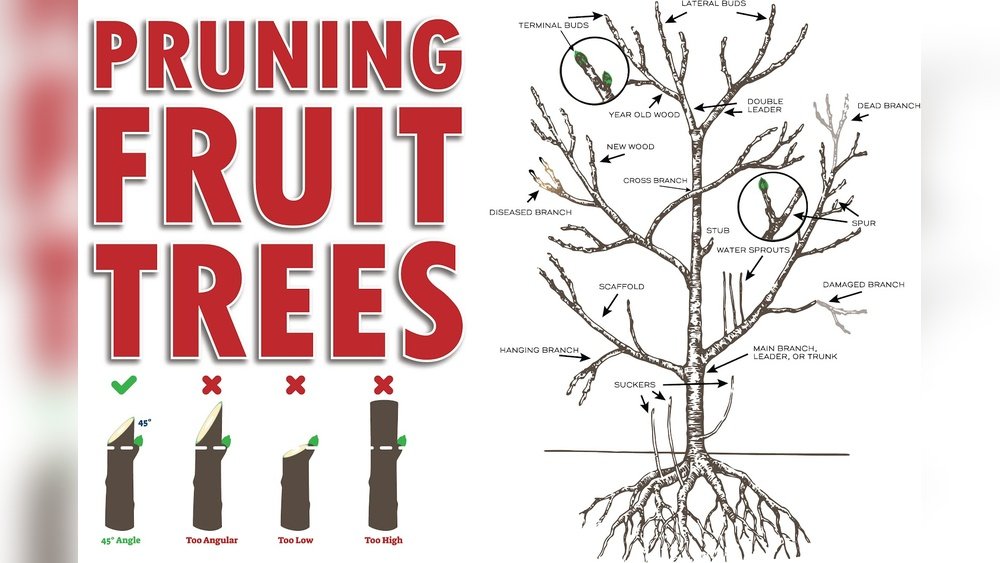
Pruning fruit trees can feel intimidating, especially for beginners. But with the right approach, it becomes a rewarding task that can transform your garden. Proper pruning helps trees grow stronger, produce more fruit, and stay healthy for years. Many people think pruning is just about cutting branches.
In reality, it’s a science and an art. It’s about shaping your tree, preventing disease, and improving fruit quality. Whether you have a small backyard apple tree or a large orchard, learning how to prune correctly is essential. This guide will show you step-by-step how to prune fruit trees, share expert tips, and highlight common mistakes to avoid.
With these practical strategies, you’ll gain confidence and see real results in your garden.
Why Pruning Fruit Trees Matters
Fruit trees are living organisms. They grow quickly, and without pruning, branches can become tangled and weak. Proper pruning is important for several reasons:
- Better fruit production: Removing old or crowded branches lets sunlight reach the fruit, making it bigger and sweeter.
- Disease prevention: Open spaces between branches keep air moving, which reduces mold and bacteria.
- Stronger structure: Pruning shapes the tree, so branches don’t break under the weight of fruit or during storms.
- Longer life: Healthy pruning extends the lifespan of your tree, letting it produce fruit for many years.
Many gardeners skip pruning because they fear harming their trees. But not pruning can cause bigger problems, like poor fruit, disease, and broken branches.
When To Prune Fruit Trees
Knowing the best time to prune is key. The right timing depends on the type of fruit tree and your climate.
Winter Pruning
Most fruit trees, like apple, pear, and plum, are pruned in winter. This is called dormant pruning. The tree is asleep, so cuts heal slowly, but it encourages strong growth in spring. Winter pruning is ideal for:
- Shaping young trees
- Removing dead or damaged wood
- Boosting vigorous growth
Summer Pruning
Some trees, like peach and apricot, benefit from summer pruning. This helps control size and encourages more fruit, not just leaf growth. Summer pruning is good for:
- Thinning out thick branches
- Reducing tree height
- Improving air circulation
Regional Timing
Climate affects timing. In cold areas, prune late winter to avoid frost damage. In warmer regions, prune early winter or late fall. Always check local guidelines for your zone.
| Fruit Tree | Best Pruning Season | Reason |
|---|---|---|
| Apple | Late winter | Boosts spring growth |
| Pear | Late winter | Reduces disease risk |
| Peach | Early summer | Controls size |
| Cherry | Late summer | Prevents infection |
| Plum | Late winter | Shapes tree |

Credit: northerngardener.org
Tools You Need For Pruning Fruit Trees
Having the right tools makes pruning easier and safer. Good tools also help you make clean cuts, which heal faster and prevent disease.
- Pruning shears: For small branches (under ¾ inch thick).
- Loppers: For thicker branches (up to 2 inches).
- Pruning saw: For large branches and trunks.
- Disinfectant: Clean tools between trees to stop disease spread.
- Gloves: Protect your hands from thorns and splinters.
Sharpen your tools before you start. Dull blades can tear wood, which slows healing.
Tool Comparison
Here’s a quick overview of common pruning tools:
| Tool | Use | Branch Size | Special Notes |
|---|---|---|---|
| Pruning Shears | Small branches | < ¾ inch | Easy to handle |
| Loppers | Medium branches | ¾–2 inches | Long handles for reach |
| Pruning Saw | Large branches | > 2 inches | Use for old wood |
| Disinfectant | Cleaning tools | N/A | Prevents disease |
| Gloves | Protect hands | N/A | Comfort and safety |
How To Prune Fruit Trees: Step-by-step
Pruning isn’t just about cutting randomly. It follows a process. Here’s a step-by-step guide to help you prune correctly.
Step 1: Assess The Tree
Start by looking at your tree. Identify:
- Dead, broken, or diseased branches
- Branches that cross or rub together
- Suckers (shoots from the base)
- Water sprouts (vertical shoots from main branches)
Focus first on removing these problem branches.
Step 2: Remove Dead Or Diseased Wood
Cut away any branches that look dry, blackened, or moldy. Make the cut at least 6 inches below the diseased area. This prevents disease from spreading.
Step 3: Thin Out Crowded Areas
Branches that are close together can block sunlight and air. Thin these areas so every branch gets light. Remove crossing branches and those growing inward.
Step 4: Shape The Tree
Every fruit tree has a preferred shape. Most trees are shaped like an open vase or central leader.
- Open vase: Used for peaches, plums, apricots. Keeps center open.
- Central leader: Used for apples, pears. One main trunk, branches spiral out.
Remove branches that don’t fit the shape. Aim for 3-5 main branches for young trees.
Step 5: Cut Suckers And Water Sprouts
Suckers grow from the roots or base. Water sprouts shoot straight up from branches. Both steal nutrients and make the tree messy. Remove them at the base.
Step 6: Make Clean Cuts
Always cut just above a bud facing outwards. This encourages new growth away from the center. Use sharp tools and avoid tearing the bark.
Step 7: Step Back And Review
After each round of cuts, step back and check your work. The tree should look balanced, with open spaces and no crowded areas.
Common Pruning Mistakes And How To Avoid Them
Even experienced gardeners make mistakes. Here are some common errors and tips to avoid them:
- Over-pruning: Cutting too much at once can stress the tree. Limit pruning to less than 25% of the tree each year.
- Cutting too close to the trunk: This removes the branch collar, which helps heal. Leave a small collar when cutting.
- Ignoring tool cleaning: Dirty tools spread disease. Clean and disinfect between trees.
- Leaving stubs: Short stubs invite rot. Always cut cleanly just above a bud or branch collar.
- Pruning at the wrong time: Prune at the correct season to avoid frost damage or infection.
Special Tips For Different Fruit Tree Types
Not all fruit trees are pruned the same way. Here are tips for some popular types:
Apple Trees
- Prune in late winter.
- Use the central leader shape.
- Remove branches growing straight up or inward.
Peach Trees
- Prune after flowering in early summer.
- Use the open vase shape.
- Thin fruit-bearing branches for larger fruit.
Pear Trees
- Prune in late winter.
- Avoid heavy pruning, as pears are slow to heal.
- Remove weak or downward-facing branches.
Plum Trees
- Prune in late winter.
- Shape as open vase.
- Remove any branches with black knot disease.
Cherry Trees
- Prune in late summer.
- Avoid cutting large branches, as cherries heal slowly.
- Focus on thinning, not heavy cutting.
How Much Should You Prune?
The amount you prune depends on the age and health of your tree.
- Young trees: Prune lightly to shape the tree and encourage growth.
- Mature trees: Remove dead wood and thin crowded areas. Avoid cutting too much.
A general rule: Don’t remove more than 25% of the tree’s branches in one year. Cutting more can shock the tree and reduce fruit.
Pruning For Disease Control
Pruning is one of the best ways to prevent disease. Dense branches trap moisture, leading to mold and rot. Here are tips for disease control:
- Remove infected branches as soon as you see them.
- Prune to keep the tree open and airy.
- Always clean tools between trees.
- Cut branches at least 6 inches below visible infection.
Some diseases, like fire blight, spread quickly. Prune affected branches immediately and destroy them away from your garden.
Pruning For Fruit Size And Quality
If you want bigger, sweeter fruit, pruning is your friend. Here’s how it helps:
- Thinning branches lets sunlight reach every fruit.
- Removing some fruit-bearing branches means fewer but larger fruits.
- Shaping the tree improves airflow, reducing pests and disease.
For apples and peaches, thin branches after flowering. This lets the tree focus energy on fewer fruits, making them larger and tastier.
Geographic Factors In Pruning
Where you live affects how you prune. Climate, soil, and local pests matter.
- Cold regions: Prune in late winter to avoid frost. Avoid heavy pruning, as cold can stress trees.
- Hot regions: Prune in early winter or late fall. Watch for sunburn on exposed branches.
- Humid areas: Prune for extra airflow to prevent mold.
Local extension offices often provide pruning guides based on your region. For detailed local advice, check resources like the University of California Agriculture and Natural Resources.

Credit: extension.oregonstate.edu
Advanced Pruning Techniques
Once you master basic pruning, you can try advanced methods. These techniques help boost yield and control pests.
Renewal Pruning
This involves cutting old, non-productive branches to encourage new growth. Use renewal pruning for trees over 10 years old.
Spur Pruning
Some trees, like apples, produce fruit on spurs (short stems). Prune lightly to keep spurs healthy. Avoid removing too many, or you’ll lose fruit.
Training Young Trees
Early pruning shapes young trees for life. Remove low branches, choose 3-5 main limbs, and encourage outward growth.
Rejuvenation Pruning
For old, neglected trees, cut back hard to restore health. Remove dead wood and thin branches. This shocks the tree but can save it.
Practical Tips For Beginners
Pruning is easier with a few practical tips:
- Mark branches before cutting. Use colored tape to decide which to prune.
- Keep a pruning diary. Note when and how you prune each tree.
- Watch for pests after pruning. Open wounds can attract bugs.
- Start small. If unsure, prune lightly and check results next season.
Many beginners think pruning is permanent. In reality, trees recover quickly. Mistakes can be fixed next year.
Pruning Safety Tips
Safety matters. Pruning can involve ladders, sharp tools, and heavy branches.
- Use stable ladders. Never lean on branches for support.
- Wear gloves and safety glasses.
- Keep tools sharp and clean.
- Prune with a partner if possible. Someone can help if you fall or need extra hands.
Signs You Pruned Correctly
After pruning, your tree should show:
- Open, airy spaces between branches
- No crossing or rubbing branches
- Healthy, clean cuts
- Balanced shape (open vase or central leader)
Within weeks, you’ll see new buds and branches. Next season, fruit should be larger and easier to harvest.
Data: Pruning Impact On Fruit Yield
Studies show that correct pruning increases fruit yield by up to 30%. Trees that are pruned regularly produce more fruit, and that fruit is larger and sweeter.
Here’s a simple comparison of fruit yield before and after pruning:
| Tree Type | Yield (Before Pruning) | Yield (After Pruning) | Fruit Quality |
|---|---|---|---|
| Apple | 50 lbs/year | 65 lbs/year | Sweeter, larger |
| Peach | 30 lbs/year | 42 lbs/year | Less bruising |
| Pear | 40 lbs/year | 52 lbs/year | Juicier |
| Plum | 25 lbs/year | 33 lbs/year | Fewer pests |
Expert Insights: What Most Beginners Miss
Many new gardeners overlook two important points:
- Pruning young trees is vital: Early cuts set the shape for life. Waiting too long makes correction difficult.
- Cut direction matters: Always cut above outward-facing buds. This helps the tree grow outward, not inward, preventing crowding.
Another insight: Many people ignore the importance of removing water sprouts and suckers. These steal nutrients and can weaken the tree quickly.

Credit: northerngardener.org
Geographic Seo: Pruning In Different Climates
Search engines look for localized advice. Here’s how pruning varies by region:
- US Northeast: Prune late winter. Watch for apple scab and fire blight.
- US South: Prune early winter. Focus on peach trees, which need summer thinning.
- US West Coast: Prune apples and pears late winter. Apricots need summer pruning to avoid disease.
- UK: Prune apples and pears in February. Avoid pruning stone fruits in wet weather.
Knowing your local climate helps you tailor your pruning schedule and technique.
Voice Search Tips: Pruning Questions
With voice search growing, many people ask questions like:
- “How do I prune my apple tree in winter?”
- “What tools do I need to prune peach trees?”
- “When should I prune plum trees?”
Answering these questions clearly helps both readers and search engines.
How Pruning Fits With Organic Gardening
Pruning is a key part of organic gardening. It reduces the need for pesticides by improving airflow and sunlight, making trees less likely to get sick. Combine pruning with mulching and organic sprays for healthier trees.
Aftercare: What To Do After Pruning
Pruning isn’t finished when you put down your tools. Proper aftercare helps your tree recover.
- Water the tree if soil is dry.
- Apply mulch to keep roots cool and moist.
- Check for pests or disease weekly.
- Use organic wound sealant only for large cuts. Most small cuts heal naturally.
Frequently Asked Questions
How Often Should I Prune My Fruit Trees?
Most fruit trees need pruning once a year, usually in late winter or early summer, depending on the type. Annual pruning keeps the tree healthy and productive.
Can I Prune Fruit Trees During Flowering?
It’s best to avoid heavy pruning during flowering. Light pruning, like removing water sprouts or dead branches, is okay. Heavy cuts can stress the tree and reduce fruit.
What Should I Do If I Over-pruned My Tree?
If you’ve cut too much, don’t panic. Water the tree well, and avoid fertilizing until new growth appears. Trees can recover with time. Next year, prune lightly.
Are There Differences In Pruning Organic Vs. Conventional Fruit Trees?
The main difference is aftercare. Organic growers avoid chemical wound sealants and rely on clean cuts and natural healing. Pruning methods are similar, but organic aftercare uses mulch and natural sprays.
Do I Need To Disinfect My Pruning Tools?
Yes, always disinfect tools between trees. Diseases can spread quickly through dirty tools. Use rubbing alcohol or bleach solution to clean blades.
Pruning For Success
Pruning fruit trees is more than a garden chore—it’s a skill that pays off with healthier trees and better fruit. With the right timing, tools, and techniques, you can shape your trees, fight disease, and boost yield. Remember, every tree is different.
Start with basic cuts, learn from your results, and adjust next season. By following these tips and avoiding common mistakes, you’ll become a confident fruit tree pruner. Your garden will thank you with bigger, tastier fruit year after year.