
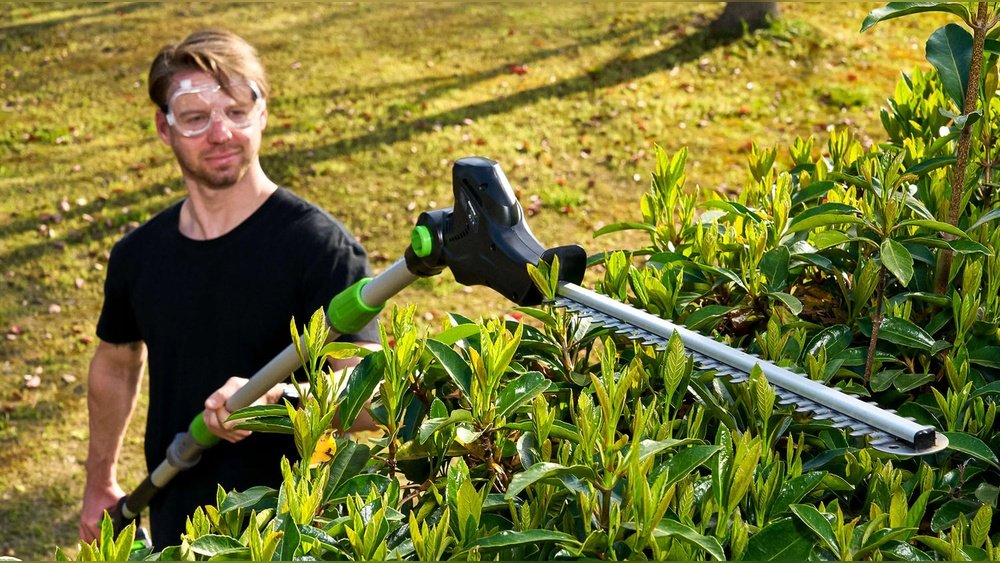
Tall hedges can make your garden look beautiful and private. They also block noise, wind, and unwanted views. But over time, these hedges grow thick and high—making them hard to trim without the right tools and skills. If you try to use a regular hedge trimmer or ladder, you may risk accidents or uneven results. That’s where a pole trimmer comes in. This tool lets you reach high hedges safely and shape them neatly.
Trimming tall hedges with a pole trimmer seems simple, but there are important steps and tips to follow. In this guide, you will learn everything you need for a safe, effective, and professional-looking hedge trim. From choosing the right pole trimmer to proper cutting techniques, safety, and maintenance—we cover it all.
Whether you’re a beginner or an experienced gardener, this article will help you achieve perfect hedges that boost your home’s curb appeal.
Understanding Pole Trimmers And Tall Hedge Challenges
Tall hedges are usually above 6 feet (1.8 meters). Common plants include Leyland Cypress, Privet, Boxwood, and Arborvitae. These hedges grow fast and can get dense. Without regular trimming, they become messy and block sunlight.
What Is A Pole Trimmer?
A pole trimmer (also called a pole hedge trimmer) is a power tool with a long, extendable shaft. The cutting blade is at the end, allowing you to reach high branches without a ladder. Pole trimmers come in three main types:
- Electric pole trimmers: Lightweight, quiet, and good for medium jobs. Needs a power outlet or battery.
- Gas-powered pole trimmers: Powerful for large hedges. Heavier and noisier.
- Cordless battery pole trimmers: Portable, no wires, ideal for average gardens.
Why Not Use A Ladder?
Using a ladder for tall hedges is risky. You can slip, fall, or strain your back. A pole trimmer lets you stay on the ground and reach heights up to 12 feet (3. 6 meters). This makes the job safer and faster.
Common Hedge Trimming Problems
- Uneven cuts
- Missed spots
- Broken branches
- Injuries from falling or tool mishandling
Proper knowledge and tools prevent these issues.
Choosing The Right Pole Trimmer For Tall Hedges
Selecting a pole trimmer is the first step. There are several important factors to consider.
Key Features To Compare
Here’s a comparison of main pole trimmer types:
| Type | Reach | Weight | Power Source | Best For |
|---|---|---|---|---|
| Electric | 8–10 ft | 6–9 lbs | Corded/Battery | Medium hedges |
| Gas | 10–12 ft | 12–15 lbs | Gasoline | Large hedges |
| Battery | 9–11 ft | 7–10 lbs | Rechargeable | Medium/large hedges |
What Matters Most?
- Reach: Choose a trimmer that extends beyond the hedge’s height.
- Blade length: Longer blades cut more at once but may be harder to control.
- Weight: Lighter models cause less fatigue.
- Adjustable head: Rotates to cut top and sides easily.
- Battery life: For cordless models, check runtime (usually 30–60 minutes).
- Safety features: Look for double switches, blade covers, and comfortable grips.
Common Mistakes When Choosing
- Buying too short a trimmer for very tall hedges
- Picking a model that’s too heavy for your strength
- Ignoring battery life (for large hedges, you may need extra batteries)
Popular Pole Trimmer Models
Some well-rated pole trimmers include:
- Stihl HL 94 K
- BLACK+DECKER 20V MAX
- Greenworks 80V Cordless
- Echo HCA-2620
Check local reviews and dealer support before buying.

Credit: novorikx.com
Preparing Your Tall Hedges For Trimming
Preparation is key for a clean trim and safety.
Inspect Your Hedges
Look for:
- Dead or diseased branches
- Bird nests or wildlife
- Thick spots that need thinning
Remove large debris by hand first.
Check Weather Conditions
Trim on dry, cloudy days. Wet branches are slippery. Avoid windy conditions—they make pole trimmer control harder.
Clear The Area
Remove obstacles around the hedge. Mark any hazards (stones, roots). Keep pets and children away.
Gather Your Tools
Besides a pole trimmer, you may need:
- Pruning shears: For thick branches
- Rake: To collect clippings
- Gloves: Protect your hands
- Safety goggles: Shield eyes from debris
- Ear protection: For gas models
Dress Properly
Wear long sleeves, pants, and sturdy shoes. Avoid loose clothing that can get caught.
Setting Up And Using Your Pole Trimmer Safely
Safety is crucial. Pole trimmers are powerful and can cause injury.
Assembling The Trimmer
Follow manufacturer instructions. Attach the blade, extend the pole, and check all screws and switches.
Safety Checklist
- Test the tool on low power first
- Make sure blade covers are off
- Hold the trimmer with both hands
- Stand firmly with feet apart
- Never reach too far or twist your back
Positioning
Stand about 1–2 feet from the hedge. Keep the pole at a comfortable angle. Adjust the head for top or side trimming.
Starting The Trimmer
For electric or battery models, press the safety switch and then the power button. For gas models, pull the starter cord.
Step-by-step Guide: Trimming Tall Hedges With Pole Trimmer
Now, let’s walk through the process.
1. Trim The Sides First
Start at one end of the hedge. Move the pole trimmer up and down in slow, steady strokes. Overlap each cut slightly to avoid gaps. Keep the blade parallel to the hedge for a clean finish.
2. Shape The Top
Adjust the trimmer head for horizontal cutting. Reach over the hedge and trim the top with gentle sweeping motions. Keep the top flat or slightly rounded, depending on your preference.
3. Taper The Hedge
For best growth, make the base wider than the top. This lets sunlight reach lower leaves. Aim for a 5–10 degree angle. A tapered hedge stays healthier and looks professional.
4. Cut Back Overgrown Branches
If some branches stick out, use pruning shears. Avoid cutting too deeply; this can stress the plant.
5. Clean Up As You Go
Clear fallen branches after each section. This prevents tripping and makes it easier to see your progress.
6. Check For Missed Spots
Step back every 10–15 minutes. Look for uneven areas or missed branches. Adjust your technique if needed.
7. Finish With Detail Work
Once the main trim is done, walk around the hedge. Use shears for touch-ups and edges.
Expert Tips For A Perfect Tall Hedge Trim
Here are some tips that most beginners miss:
- Sharpen the blade before each trim for smooth cuts.
- Lubricate moving parts regularly to prevent jamming.
- Alternate trimming direction each session for even growth.
- Cut no more than one-third of new growth at a time.
- Trim at least twice a year—spring and late summer are ideal.
- Don’t trim during nesting season (usually spring) to protect birds.
- Mark the desired hedge height with string or chalk for consistency.
- Work in daylight for clear visibility.
- Take breaks every 20–30 minutes to avoid fatigue and mistakes.
- Store your pole trimmer properly—clean it after use and keep blades covered.
Common Mistakes And How To Avoid Them
Even experienced gardeners make errors. Here’s how to avoid them:
- Cutting too much at once: This can shock the plant. Trim slowly and check progress.
- Using a dull blade: Causes ragged cuts and plant disease.
- Ignoring safety gear: Always wear goggles and gloves.
- Overreaching: Leads to uneven results and possible injury.
- Not checking battery or fuel: Running out mid-job wastes time.
- Forgetting to clean the trimmer: Sap and debris cause blade rust.
- Skipping maintenance: Regular oiling and sharpening keep your tool working well.
Maintaining Your Pole Trimmer And Tall Hedges
Taking care of your tools and plants ensures lasting results.
Pole Trimmer Maintenance
- Clean blades after each use: Wipe with a damp cloth and dry.
- Sharpen blades: Every 3–5 uses, or when cuts seem rough.
- Check screws and connections: Tighten as needed.
- Store in a dry place: Moisture causes rust.
- Battery care: For cordless models, recharge fully and store at room temperature.
Hedge Maintenance
- Fertilize once a year: Use balanced fertilizer for healthy growth.
- Water during dry spells: Tall hedges need extra moisture.
- Inspect for pests and disease: Early detection prevents spread.
- Mulch around the base: Keeps soil moist and roots cool.

Credit: alloymantools.com
Comparing Pole Trimmers: Which Is Best For Tall Hedges?
Not all pole trimmers work equally well for tall hedges. Here’s a simple comparison:
| Model | Max Reach | Blade Length | Battery Life | Special Features |
|---|---|---|---|---|
| Stihl HL 94 K | 12 ft | 24 in | N/A (Gas) | Adjustable head |
| BLACK+DECKER 20V MAX | 10 ft | 18 in | 40 mins | Lightweight, quiet |
| Greenworks 80V Cordless | 11 ft | 20 in | 60 mins | Long battery life |
| Echo HCA-2620 | 11 ft | 21 in | N/A (Gas) | Heavy-duty build |
If you have very tall hedges, models with longer reach and adjustable heads are best. For medium-sized gardens, battery-powered options are easier to handle.
When To Trim Tall Hedges: Timing Matters
Trimming at the right time helps hedges recover and grow well.
Best Seasons
- Spring: After the first flush of growth, but before nesting season.
- Late summer: After the second growth spurt.
Avoid Extreme Weather
Don’t trim during heatwaves or freezing cold. Extreme temperatures stress hedges and can damage new cuts.
How Often?
- Fast-growing hedges: 2–3 times per year
- Slow-growing: Once a year
Non-obvious Insight
Many people don’t realize that trimming too late in fall can expose hedges to winter damage. Always finish main trims by early autumn.
Geo-specific Tips: Trimming Tall Hedges In Different Regions
Your climate and local plants affect how you trim.
Northern Us And Canada
- Hedges grow slower; trim once in late spring.
- Watch for late frosts—wait until new growth appears.
Southern Us
- Hedges grow year-round; trim more often.
- Avoid trimming during hurricane season.
Uk And Europe
- Check for bird nesting laws—spring trimming may be restricted.
- Wet weather makes hedge trimming slippery; choose dry days.
Australia And New Zealand
- Fast growth in mild climates.
- Watch for pests like caterpillars after trimming.
Using A Pole Trimmer For Different Hedge Types
Different plants need different trimming techniques.
| Hedge Type | Growth Rate | Best Trim Method | Common Mistake |
|---|---|---|---|
| Leyland Cypress | Fast | Tapered sides, flat top | Cutting too much at once |
| Boxwood | Medium | Rounded shape | Uneven curves |
| Privet | Fast | Square or rectangular | Overtrimming |
| Arborvitae | Slow | Natural shape, minimal trim | Deep cuts |
Always research your hedge species for best results.
Advanced Techniques: Getting A Professional Finish
If you want hedges that look like those in public gardens or estates, try these advanced tips:
Use Guideline Strings
Run a string along the hedge top for a straight line. Hold the pole trimmer just above it.
Double-cut Method
Trim once in each direction—vertical and horizontal. This ensures no missed branches.
Use A Scaffold For Extra Tall Hedges
For hedges above 12 feet, use a scaffold instead of a ladder. It’s safer and more stable.
Practice On Lower Branches
If you’re new, start on lower sections to build skill before tackling the top.
Pattern Designs
Some people create waves or geometric patterns by adjusting trimmer angles. Only try this if you have experience.
Environmental And Safety Considerations
Trimming hedges affects your yard and local wildlife.
Protecting Wildlife
- Check for nests before trimming.
- Leave part of the hedge untrimmed if birds are present.
Disposal Of Clippings
- Compost small branches and leaves.
- Larger debris can be chipped for mulch.
Safety For You And Others
- Keep tools away from children.
- Always unplug or turn off the trimmer before adjusting.
Reduce Noise And Pollution
- Electric and battery models are quieter and cleaner than gas models.
- For city gardens, choose low-noise options.
Getting Help: When To Call A Professional
Some hedges are too tall or thick for home trimming.
Signs You Need Help
- Hedges above 15 feet
- Dangerous slopes or obstacles
- Severe disease or pest problems
Professional landscapers have larger equipment and experience. They can also shape hedges for special designs.
Average Cost
In the US, professional hedge trimming costs $100–$300 per job, depending on size and complexity.
Additional Resources And Learning
If you want more information, gardening websites and local extension offices offer tips and videos. For detailed plant care, visit Royal Horticultural Society.
Credit: maxreachtools.com
Frequently Asked Questions
How Often Should I Trim Tall Hedges?
Most tall hedges need trimming twice a year—spring and late summer. Fast-growing types may need more frequent cuts.
Is A Pole Trimmer Safe For Beginners?
Yes, if you follow safety steps like wearing goggles, gloves, and standing firmly. Always read the manual before use.
Can I Use A Pole Trimmer For Other Plants?
Pole trimmers are designed for hedges and shrubs. Avoid using them on thick tree branches; use a pole saw instead.
What Is The Ideal Hedge Shape?
A wider base and narrower top help sunlight reach all leaves. Flat tops are common, but rounded shapes look natural.
How Do I Clean And Store My Pole Trimmer?
Wipe the blades after each use, sharpen regularly, and store in a dry place. For battery models, recharge and remove the battery before storage.
Final Thoughts
Trimming tall hedges with a pole trimmer is easier, safer, and produces better results than using ladders or manual tools. Choosing the right trimmer, preparing properly, and following expert techniques make the job fast and professional. Remember to check local guidelines, protect wildlife, and maintain your tools for lasting performance.
With practice and care, your tall hedges will become a beautiful feature in your garden—adding value, privacy, and charm to your home.