
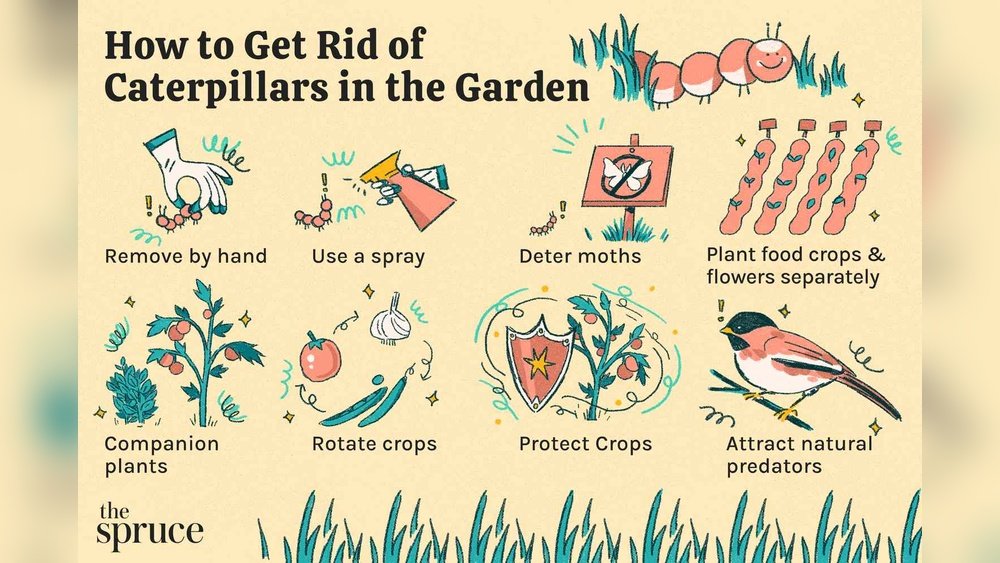
If you find small green or black worms chewing through your garden leaves, you are not alone. Caterpillars are one of the most common plant pests worldwide. They can destroy vegetables, flowers, fruit trees, and even your favorite potted plants in just a few days. Many gardeners, even those with years of experience, feel frustrated when they see chewed leaves or droppings on the soil. But don’t worry. You can protect your plants from caterpillars using safe, effective methods. This article will show you practical ways to get rid of caterpillars, explain why they appear, and share expert tips that most beginners miss.
Why Caterpillars Attack Plants
Caterpillars are the larval stage of moths and butterflies. They eat leaves to gain energy for transforming into adults. While they are part of nature, too many caterpillars can quickly ruin crops and flowers.
You may notice them in spring and summer, when eggs hatch and food is plentiful. Some species, like the tomato hornworm or cabbage looper, prefer certain plants. Others are less picky and will eat almost any green leaf.
Understanding why you have a caterpillar problem is the first step. Over-fertilized plants, especially those with soft new growth, often attract more caterpillars. Warm, humid weather also increases their numbers. Sometimes, planting the same crop in the same spot each year makes it easier for caterpillars to find your garden.
Signs Of Caterpillar Damage
Many gardeners spot problems only after serious damage is done. Learning the signs early can save your plants:
- Chewed leaves: Caterpillars often eat from the edge inward, leaving large, ragged holes.
- Missing leaves: Some species eat entire leaves overnight.
- Droppings: Caterpillar poop looks like small, dark pellets on leaves or soil.
- Silk threads: Some caterpillars, like webworms, spin silk webs over leaves or branches.
- Caterpillar sightings: You might see the pests themselves on the undersides of leaves.
If you notice these problems, act quickly. One or two caterpillars can become dozens in just a week.
Credit: www.saferbrand.com
How To Identify Common Plant Caterpillars
Not all caterpillars look the same or cause equal damage. Here are a few you may see:
| Caterpillar Name | Appearance | Favorite Plants | Damage Level |
|---|---|---|---|
| Tomato Hornworm | Large, green, white stripes, horn at tail | Tomato, pepper, eggplant | Severe |
| Cabbage Looper | Green, inchworm movement | Cabbage, broccoli, kale | High |
| Cutworm | Fat, gray or brown, curl up when touched | Seedlings, many vegetables | Moderate |
| Armyworm | Brown-green, stripes along body | Corn, grass, grains | High |
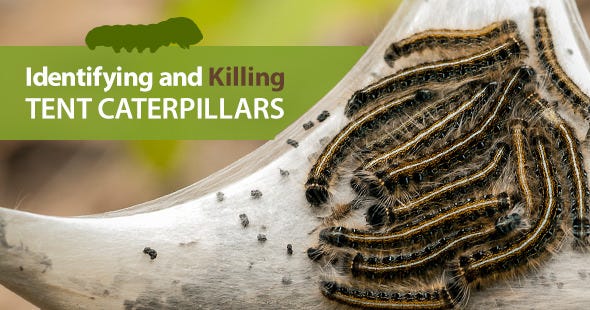
| Eastern Tent Caterpillar | Hairy, blue and black, white stripe | Fruit trees, shade trees | Moderate |
Knowing which caterpillar you are dealing with helps you choose the right control method. Some species are easy to remove by hand, while others require more effort.
Safe And Effective Ways To Remove Caterpillars
Getting rid of caterpillars does not mean you need toxic chemicals. Many non-toxic, plant-friendly solutions work very well. Here are the best options, from fastest to most natural.
1. Handpicking
Handpicking is simple and effective, especially for small gardens. Wear gloves and check the undersides of leaves early in the morning. Drop any caterpillars you find into a bucket of soapy water. This method is safe for children and pets.
Handpicking works best when you catch the problem early. For a large outbreak, combine this method with other solutions.
2. Neem Oil
Neem oil is a natural extract from the neem tree. It acts as an insect repellent and disrupts caterpillar development. Mix according to the label, spray on leaves (especially the underside), and repeat every 7-10 days.
Neem oil is safe for most plants and does not harm bees or other pollinators if used early or late in the day. However, it can burn leaves if sprayed in strong sunlight.
3. Bacillus Thuringiensis (bt)
This Bt spray is a natural bacteria that only affects caterpillars. It is safe for humans, pets, and beneficial insects. Spray it on affected plants; caterpillars eat the bacteria and die within a few days.
Bt is widely used in organic gardening and is especially good for vegetable gardens. Always follow label directions, and reapply after rain.
4. Insecticidal Soap
Insecticidal soap works by suffocating soft-bodied pests, including young caterpillars. Spray directly onto the caterpillars. It is safe for most edible plants, but avoid spraying during hot weather.
Soap works best on small or young caterpillars. Larger ones may survive, so combine this with handpicking for best results.
5. Encourage Natural Predators
Many birds, wasps, and other insects eat caterpillars. Attracting these natural enemies can keep pest numbers low. Hang bird feeders, plant native flowers, or install insect hotels to support predators.
Ladybugs, lacewings, and parasitic wasps are especially useful. Avoid broad-spectrum insecticides, as they kill these helpful insects.
6. Floating Row Covers
Row covers are lightweight fabrics that keep caterpillars and their parent moths away from your plants. Use them over young seedlings or vulnerable crops. Remove them during flowering so bees can pollinate.
This method is chemical-free and works well for cabbage, lettuce, and other leafy greens. Ensure the edges are tightly sealed to prevent insects from crawling underneath.
7. Homemade Sprays
Homemade remedies can deter or kill caterpillars with common kitchen ingredients. Here are two effective options:
- Garlic spray: Blend two bulbs of garlic with 1 quart of water. Strain and mix with 1 tablespoon of mild soap. Spray on leaves.
- Pepper spray: Mix 2 tablespoons of hot pepper flakes in 1 quart of water. Let sit overnight, strain, and spray.
These sprays can irritate skin and eyes, so handle with care. They work best for mild infestations.
8. Diatomaceous Earth
Diatomaceous earth is a fine powder made from fossilized algae. Sprinkle it on leaves and soil where caterpillars crawl. It damages their bodies, causing them to dry out and die.
Use food-grade diatomaceous earth only. Avoid breathing in the dust, and reapply after rain or watering.
9. Companion Planting
Some plants naturally repel caterpillars. Mixing these with your crops can reduce pest problems. For example:
- Marigold: Deters many insects, including caterpillars.
- Basil and oregano: Repel tomato hornworms.
- Dill and fennel: Attract beneficial insects.
Companion planting is a long-term strategy, and results improve over several seasons.
10. Remove Egg Clusters
Before caterpillars hatch, many moths lay eggs on the undersides of leaves. Look for small, round, white or yellow clusters. Scrape them off with a knife or your fingernail and destroy them.
This step is often missed by beginners. Removing eggs early can prevent hundreds of caterpillars later.
11. Proper Garden Hygiene
Clean up plant debris, fallen leaves, and weeds. Many caterpillars hide in this material during the day or pupate in the soil. Removing debris makes your garden less attractive to pests.
Rotate crops each year if possible. Avoid planting the same crop in the same spot, as caterpillars often return to familiar areas.
Comparing Caterpillar Control Methods
Each method has strengths and weaknesses. Here’s a quick comparison for different garden sizes and needs:
| Method | Best For | Speed | Cost | Safety |
|---|---|---|---|---|
| Handpicking | Small gardens, few pests | Fast | Free | Very safe |
| Neem Oil | Vegetables, flowers | Medium | Low | Safe if used correctly |
| Bacillus thuringiensis (Bt) | Large outbreaks, edibles | Medium | Medium | Very safe |
| Row Covers | Seedlings, leafy greens | Prevention | Medium | Very safe |
| Predators | Eco-friendly gardens | Slow | Low/Free | Very safe |
| Diatomaceous Earth | Soil pests, crawling caterpillars | Medium | Low | Safe if handled properly |
Choose methods that fit your garden size, type of plants, and level of infestation. Combining two or three methods usually brings the best results.
Organic Vs Chemical Controls
You might see chemical sprays in garden stores that promise fast results. These can kill caterpillars but often harm bees, butterflies, pets, and people. Many chemicals also build up in the soil and water.
Organic controls like Bt, neem oil, and handpicking are much safer. They protect beneficial insects and keep your garden healthy for the long term. Most experts recommend using chemicals only as a last resort, and only on non-edible plants.
If you do use a chemical, always read the label, wear gloves, and keep children and pets away until the spray dries. Never spray on windy days, as droplets can land on other plants or water sources.

Credit: www.youtube.com
When To Call A Professional
Most home gardeners can control caterpillars with the above methods. However, you may need help if:
- The infestation covers large trees or an entire yard.
- You see caterpillars inside your home.
- Plants are dying despite your efforts.
Professional pest control companies use stronger products and have equipment for big jobs. They may also identify the pest for you. Choose a company with experience in organic or integrated pest management for safer results.
Non-obvious Insights Most Gardeners Miss
Even experienced gardeners often overlook small details that make a big difference:
- Timing is crucial. Most caterpillar eggs hatch in early morning or evening. Checking your plants at these times helps you catch them before they spread.
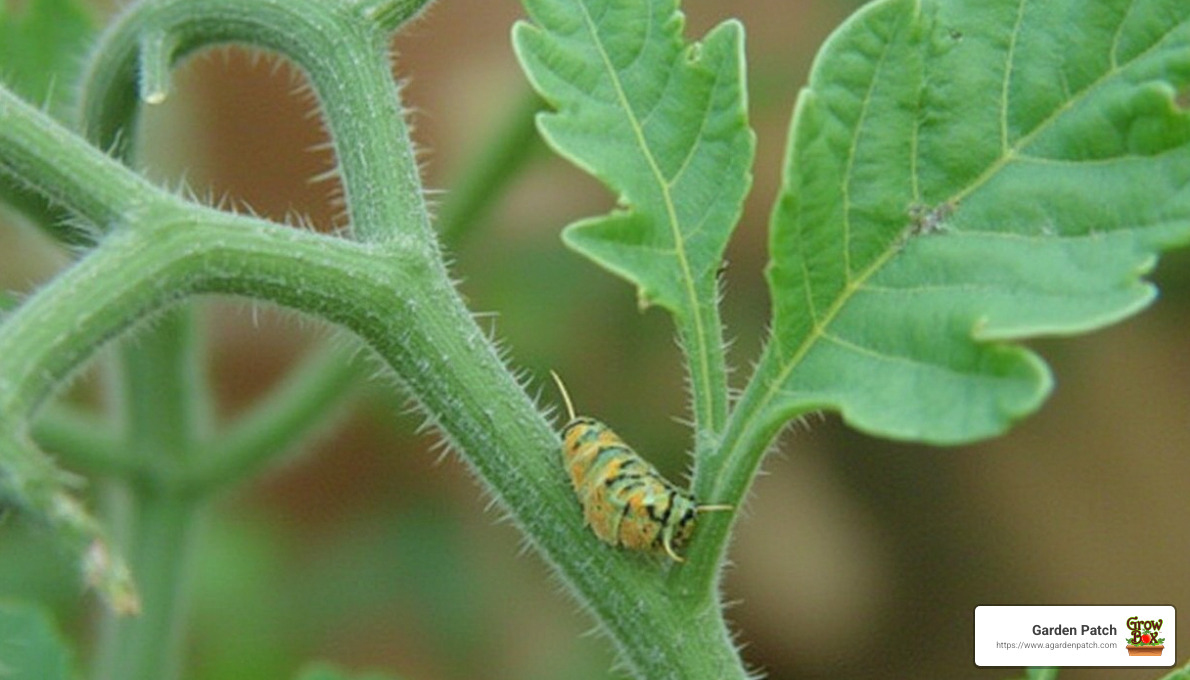
- Not all caterpillars are bad. Some, like monarch butterfly larvae, are important pollinators or food for birds. Learn to recognize helpful species before removing them.
- Over-fertilizing attracts pests. Plants with lots of soft, new growth are more attractive to caterpillars. Use fertilizer sparingly and avoid high-nitrogen formulas.
- Water stress increases damage. Plants that are too dry or too wet are weaker and more likely to be attacked. Keep your plants healthy with regular, even watering.
- Monitor after rain. Caterpillar eggs often hatch after rainfall, so check plants carefully during wet periods.
Preventing Caterpillar Problems In The Future
The best way to avoid caterpillar damage is by planning ahead. Here are proven prevention tips:
- Rotate crops every year to confuse pests.
- Mix plant varieties to avoid large areas of the same plant, which attract more caterpillars.
- Use mulch to keep soil healthy and discourage pests from pupating.
- Inspect new plants before adding them to your garden—many caterpillars arrive on nursery plants.
- Keep a garden journal to track when and where caterpillar outbreaks happen. This helps you predict future problems.
Some gardeners also use pheromone traps to catch adult moths before they lay eggs. These are available for some species, like the codling moth in apples. They can reduce future caterpillar numbers if used early in the season.
The Role Of Weather And Climate
Weather plays a big role in caterpillar outbreaks. Warm, wet springs usually mean more caterpillars, while cold winters kill many eggs and larvae. Climate change may cause more frequent or severe infestations in some areas.
You can’t control the weather, but you can be prepared. Watch local pest alerts and join gardening groups online to share information. If you notice more caterpillars than usual, act quickly before numbers explode.
Choosing The Right Products And Tools
With many products on the market, it can be hard to choose. Here’s a quick guide to help:
| Product/Tool | Use Case | Application Tips |
|---|---|---|
| Neem Oil Spray | Most edible and ornamental plants | Spray in early morning or evening, avoid sunlight |
| Bacillus thuringiensis (Bt) | Vegetables, leafy greens, fruit trees | Reapply after rain, spray both sides of leaves |
| Row Covers | Seedlings, small crops | Seal edges tightly, remove for pollination |
| Diatomaceous Earth | Soil and foliage pests | Apply dry, reapply after watering/rain |
| Hand Tools (gloves, buckets) | Manual removal | Check daily for best results |
Always buy products labeled for caterpillar control and follow instructions closely. Some sprays meant for other insects may not work on caterpillars.
Caterpillar Control In Organic Gardens
Organic gardening focuses on natural balance and healthy soil. For organic growers, prevention is as important as treatment. Here’s what works best:
- Compost and mulch: Healthy soil produces stronger plants, which resist pests better.
- Biodiversity: Grow a mix of flowers and vegetables to support natural predators.
- Manual removal: A few minutes each day can prevent major outbreaks.
- Organic sprays: Use Bt, neem, or homemade sprays only when needed, not routinely.
If you grow food for your family, organic methods are safer and healthier. They also support pollinators and birds, which are declining in many areas.
Dealing With Caterpillars On Indoor Plants
Caterpillars can attack houseplants, too, especially if you move them outside in summer. Signs include chewed leaves and droppings on the potting soil.
For indoor problems:
- Isolate affected plants to stop the spread.
- Handpick caterpillars and destroy them.
- Wipe leaves with a damp cloth to remove eggs and droppings.
- Use mild insecticidal soap if needed, but avoid over-wetting the soil.
Keep windows and doors screened, and check new plants before bringing them indoors.
Common Mistakes To Avoid
Many gardeners make these errors, which can make caterpillar problems worse:
- Ignoring early signs: Small holes and droppings mean caterpillars are already present.
- Overusing sprays: Too much insecticide can harm helpful insects and your plants.
- Not checking the undersides of leaves: Most eggs and young caterpillars hide here.
- Spraying during hot weather: Oils and soaps can burn leaves when temperatures are high.
- Assuming all caterpillars are pests: Some are beneficial or protected by law.
If you make a mistake, do not panic. Caterpillar problems are rarely permanent, and most plants recover if given time.
Credit: www.agardenpatch.com
Expert Tips For Lasting Results
If you want caterpillar-free plants year after year, use these proven strategies:
- Scout daily during peak season (spring and early summer).
- Combine methods for best results—use row covers, handpicking, and sprays together.
- Focus on prevention: Healthy, diverse gardens attract fewer pests.
- Educate yourself about local caterpillar species—knowing your enemy makes control easier.
- Share knowledge with neighbors. Caterpillars move between yards, so community action works best.
Remember, even expert gardeners lose some leaves to caterpillars. The goal is to keep damage low, not eliminate every pest.
Where To Learn More
For more details about caterpillar species, control methods, and organic gardening, visit University of California Integrated Pest Management, a top resource for science-based gardening advice.
Frequently Asked Questions
What Is The Safest Way To Get Rid Of Caterpillars On Edible Plants?
The safest way is to handpick caterpillars and use organic sprays like Bt or neem oil. These methods target caterpillars only and do not leave harmful residues on food crops.
Can Caterpillars Kill My Plants Completely?
Yes, large infestations of caterpillars can defoliate plants, stopping growth or even killing young seedlings. Most mature plants recover if you act quickly and remove the pests.
Are There Any Plants That Repel Caterpillars?
Plants like marigold, basil, and dill can deter caterpillars. Planting these around your vegetables or flowers helps keep caterpillars away naturally.
Is It Safe To Eat Leaves With Small Holes From Caterpillars?
Leaves with small holes are usually safe to eat after washing well. However, avoid leaves with heavy damage, droppings, or eggs, as they may carry bacteria.
How Can I Prevent Caterpillars From Returning Next Year?
To prevent caterpillar problems, rotate crops, remove plant debris, use row covers, and encourage natural predators. Monitoring and early action are key to keeping numbers low.
Caterpillars are a challenge for every gardener, but they are not unbeatable. With a mix of prevention, careful observation, and organic control methods, your plants can stay healthy and strong. Start with the tips here, and you’ll enjoy a greener, more productive garden season after season.