
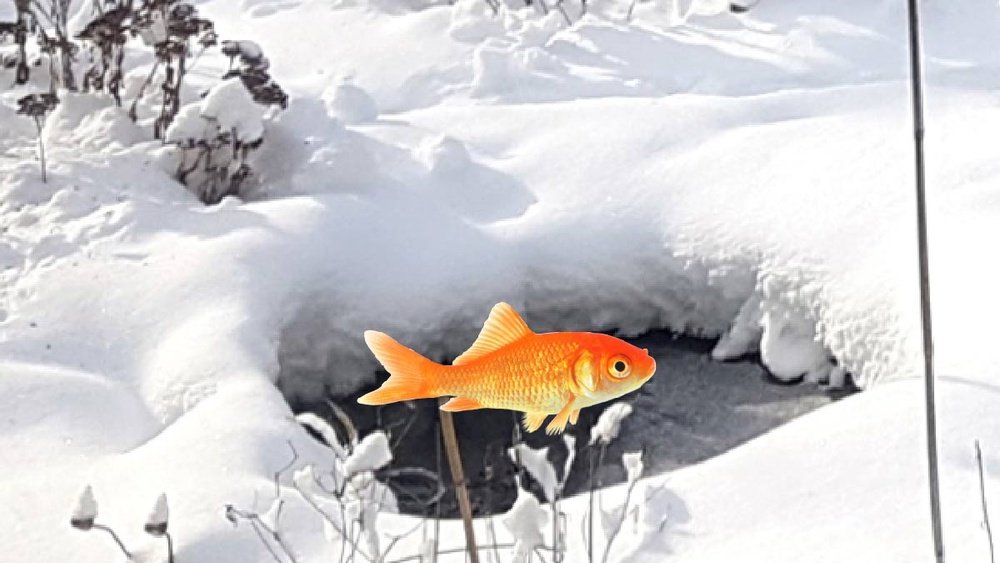
As the days grow shorter and temperatures start to drop, garden pond owners face an important task: preparing their ponds for winter. Winterizing your garden pond is more than just a seasonal chore—it protects your fish, plants, and pond equipment from freezing weather. If you skip this step, you risk losing your pond’s beauty and health when spring arrives. Whether you have a small backyard pond or a larger water garden, following the right steps can make all the difference.
Many beginners overlook crucial details when winterizing a pond. For example, not all pond plants or fish can handle cold temperatures, and water quality issues often appear during winter. In this guide, you’ll find everything you need to know about winterizing your garden pond, including practical tips, common mistakes, and expert advice.
You’ll also discover which products and tools are best for the job, and how to use them safely.
Why Winterizing Your Garden Pond Matters
Winter can be harsh on garden ponds. If you don’t winterize your pond, cold weather can cause:
- Ice damage to pond liners and equipment
- Fish stress, illness, or death
- Rotting leaves creating toxic gases
- Damaged pond plants
Proper winterization helps keep your pond healthy, prevents costly repairs, and ensures your pond life survives until spring. Many pond owners also notice fewer algae problems after a well-prepared winter.
When To Start Winterizing Your Pond
Timing is key. Begin preparing your pond when temperatures consistently drop below 50°F (10°C) at night. In most regions, this happens in late fall (October or November).
Key signs it’s time:
- Leaves are falling
- Water temperature is below 50°F
- Fish activity slows down
If you wait too long, sudden freezing can make winterizing much harder and risk the health of your pond.
Essential Tools And Supplies For Pond Winterization
Before starting, gather the right tools to make the job easier and safer.
| Item | Purpose | Recommended For |
|---|---|---|
| Netting | Keep leaves out | All pond sizes |
| Pond vacuum | Remove debris | Medium/large ponds |
| Water test kit | Check water quality | All ponds |
| Pond heater/de-icer | Prevent full freezing | Ponds with fish |
| Fish-safe antibacterial | Reduce disease risk | Ponds with fish |
| Pond-safe fertilizer | Feed hardy plants | Plant-heavy ponds |
| Pruning shears | Trim plants | All ponds |
Having these tools ready saves time and helps you avoid mistakes during the process.
Step-by-step Guide To Winterizing Your Garden Pond
Winterizing a garden pond involves several important steps. Each step helps protect your pond from cold weather and keeps your fish and plants safe.
Step 1: Clean Out Debris
Fallen leaves, twigs, and algae can build up quickly during autumn. If left in the pond, they break down and release harmful gases under ice.
- Use a pond net or scoop to remove floating debris.
- For heavy buildup, a pond vacuum works best.
- Remove dead or dying plants from the water.
Pro tip: Regularly cleaning your pond in fall can reduce work when winterizing.
Step 2: Prune And Remove Sensitive Plants
Some pond plants are not cold-hardy. Trim back hardy perennials and remove tender plants.
- Cut back leaves and stems of hardy plants to about 2–3 inches above water.
- Remove tropical or non-hardy plants; overwinter them indoors if possible.
Non-obvious tip: Don’t cut plants too close to the crown. Leaving a few inches helps them survive frost.
Step 3: Install Pond Netting
Covering your pond with netting keeps leaves and debris out during fall and early winter.
- Stretch netting tightly over the pond.
- Secure with stakes or rocks.
- Check and clear the net regularly.
If you live near trees, netting is essential for keeping your pond clean.
Step 4: Check And Adjust Water Quality
As temperatures drop, water chemistry changes. Test your pond water for:
- Ammonia
- Nitrites
- PH
- Hardness
Adjust water parameters as needed. If ammonia or nitrite levels are high, do a partial water change. Stable water quality reduces stress for fish and plants.
Extra insight: Cold water holds less oxygen. Avoid overfeeding fish, as uneaten food can worsen water quality.
Step 5: Prepare Fish For Winter
Fish like koi and goldfish can survive cold, but need special care.
- Start feeding them high-protein food in late summer, then switch to wheat germ or low-protein food as water drops below 55°F.
- Stop feeding fish when water reaches 40°F; their digestion slows and food can rot in their stomachs.
Common mistake: Feeding fish during cold weather. This can lead to illness or death.
Step 6: Protect Pond Equipment
Pond pumps, filters, and fountains may not survive freezing temperatures.
- Remove or store pumps and filters if not rated for winter use.
- Clean and dry equipment before storing.
- Leave aerators or de-icers running if your pond contains fish.
Advanced tip: Some pond owners install backup aerators or heaters to ensure fish survive sudden cold snaps.
Step 7: Install Pond Heater Or De-icer
A pond heater or de-icer keeps a small hole open in the ice, allowing gas exchange.
- Place the heater in the center of the pond.
- Do not break ice manually; this can shock and harm fish.
Keeping a hole open prevents buildup of harmful gases like hydrogen sulfide.
Step 8: Lower Water Level (optional)
In very cold climates, lowering the water level protects pond walls and plants.
- Drain water to just below the pond skimmer or waterfall intake.
- Avoid draining too much; fish and plants need enough water to survive.
Note: Lowering water is not always necessary in mild climates.
Step 9: Add Beneficial Bacteria
Cold-water beneficial bacteria help break down organic waste during winter.
- Add a cold-weather bacteria product before freezing begins.
- Choose bacteria safe for fish and plants.
This helps prevent spring algae blooms and keeps water clear.
Step 10: Check For Leaks And Damage
Inspect the pond liner, rocks, and edges for leaks or cracks.
- Repair small leaks with pond-safe sealant.
- Replace damaged rocks or edging.
Fixing issues now is much easier than in freezing weather.
Step 11: Review Local Climate And Adjust
Different regions require unique winterizing methods. Research your local climate and adapt steps as needed.
| Region | Winterizing Tips | Common Challenges |
|---|---|---|
| Northern US | Use de-icers, lower water, remove pumps | Deep freezing, ice damage |
| Southern US | Minimal water changes, protect plants | Sudden cold snaps |
| West Coast | Remove leaves, check water quality | Heavy rain, flooding |
Understanding your local weather helps prevent unexpected problems.
Common Winter Pond Problems And Solutions
Even with careful winterizing, issues can arise. Here are some common problems and expert fixes.
Fish Die-off
Fish deaths usually happen from low oxygen, trapped gases, or sudden temperature changes.
- Keep a hole open in ice
- Use an aerator or de-icer
- Avoid feeding during cold
Equipment Failure
Pumps and filters can freeze and crack if left running in extreme cold.
- Store equipment in a dry place
- Use winter-rated pumps if needed
Algae Blooms In Spring
Excess nutrients over winter can cause algae growth in spring.
- Add beneficial bacteria
- Remove debris before freezing
Plant Damage
Hardy plants sometimes die from too much ice or water fluctuation.
- Insulate plant roots with mulch
- Move tender plants indoors
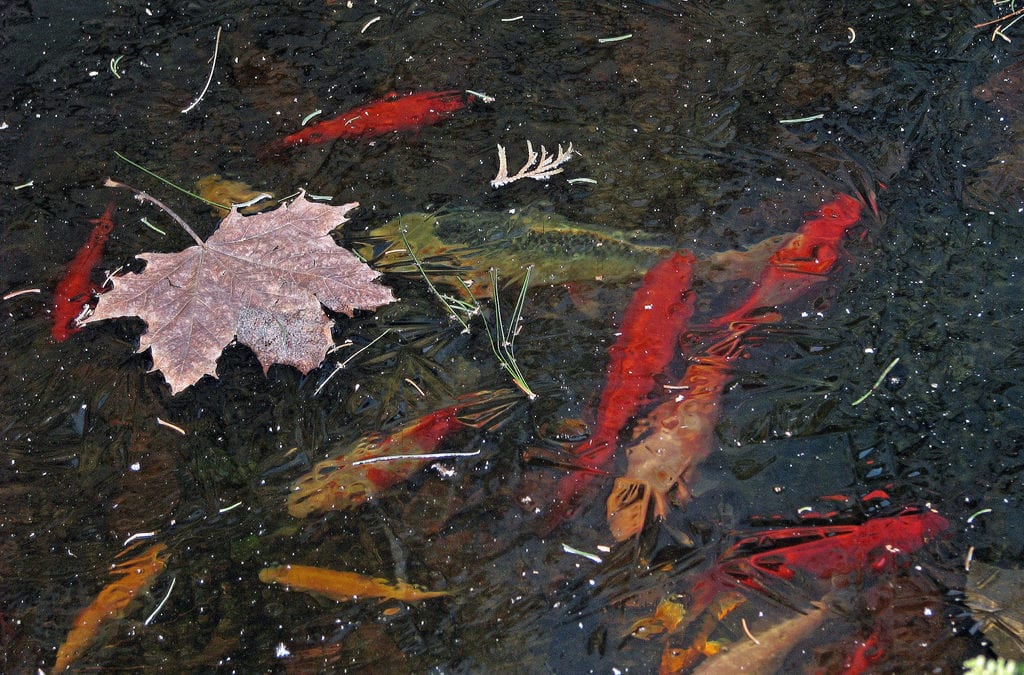
How To Care For Pond Fish In Winter
Pond fish need special care during winter. Cold slows their metabolism, so they eat less and become inactive.
Key tips:
- Stop feeding below 40°F
- Keep water oxygenated
- Avoid sudden temperature changes
If your pond freezes solid, fish can die. Consider moving fish indoors if you live in a very cold region.
Choosing Fish For Cold Weather
Not all fish survive winter outdoors. Koi and goldfish are most hardy.
| Fish Type | Hardiness | Winter Care |
|---|---|---|
| Koi | Very hardy | Keep water oxygenated |
| Goldfish | Hardy | Stop feeding below 40°F |
| Tilapia | Not hardy | Move indoors in winter |
| Sunfish | Medium | Deeper water helps survival |

Credit: awaytogarden.com
How To Protect Pond Plants In Winter
Some pond plants can survive freezing, while others need special care.
Hardy Pond Plants
Water lilies, lotus, and cattails are hardy and often survive in cold water.
- Trim back foliage
- Move pots to deepest part of pond
Tender Pond Plants
Tropical plants like water hyacinth and water lettuce cannot survive cold.
- Remove and overwinter indoors
- Store in water containers with light
Non-obvious tip: Don’t let tender plants dry out indoors; keep roots wet until spring.
Maintaining Water Quality During Winter
Water quality can suffer during winter. Monitor your pond regularly:
- Test water every few weeks
- Remove debris on netting or ice
- Check for signs of disease
If water turns cloudy or smells bad, act quickly to prevent fish loss.
Key Water Parameters
- PH: Should stay between 6.5–8.0
- Ammonia: Should be zero
- Nitrites: Should be zero
- Oxygen: Use aerators if needed
Credit: www.brucecompany.com
How To Use Pond Heaters And De-icers Safely
Heaters and de-icers are essential in cold climates. Use them correctly:
- Choose models sized for your pond (check manufacturer’s chart)
- Place in center, away from plants and fish
- Plug into outdoor-safe outlets
Safety tip: Never break ice manually—shock can kill fish.
Mistakes To Avoid When Winterizing Your Pond
Many beginners make mistakes that cause problems later.
Top mistakes:
- Leaving pumps running in freezing weather
- Overfeeding fish in fall or winter
- Not removing debris before ice forms
- Forgetting to check water quality
- Using chemical fertilizers in winter
Avoid these mistakes for a healthier pond come spring.
Advanced Tips For Experienced Pond Owners
If you have a large or complex pond, or want extra protection, consider these advanced steps:
- Insulate pond edges with mulch or straw
- Install backup aerators or heaters for power outages
- Use wildlife-safe antifreeze in pipes
- Monitor pond remotely with temperature sensors
These steps help prevent rare but serious winter pond issues.
Geographic Considerations For Pond Winterization
Your local climate changes everything. In cold regions, deeper ponds and heaters are critical. In warmer areas, focus more on water quality and plant protection.
Cold Climate Tips
- Use deeper ponds (at least 2 feet)
- Insulate pipes and edges
- Move fish indoors if extreme cold is expected
Mild Climate Tips
- Remove leaves regularly
- Protect tender plants from sudden frosts
- Watch for algae growth due to warmer water
Eco-friendly Winter Pond Practices
Protecting your pond should not harm the environment.
Eco-friendly tips:
- Use natural bacteria instead of chemicals
- Recycle removed plants and leaves as compost
- Avoid salt-based de-icers
Healthy ponds support local wildlife even in winter.
Choosing The Best Pond Products For Winterizing
There are many products on the market. Choose carefully for your pond’s needs.
Top products:
- Pond-safe de-icers and heaters
- Cold-water beneficial bacteria
- Fish-safe water conditioners
- Durable pond netting
Compare brands: Read reviews, check for warranty, and buy from trusted suppliers.
How To Prepare Waterfalls And Fountains For Winter
Water features often need extra care.
- Remove pumps and store indoors
- Drain lines to prevent freezing
- Cover fountains if possible
Leaving water features running can cause ice buildup and damage.
How To Protect Pond Wildlife In Winter
Garden ponds attract frogs, turtles, birds, and insects.
Wildlife tips:
- Provide shelter (rocks, logs, plants)
- Keep a small area ice-free
- Avoid chemical treatments
Healthy wildlife means a healthier pond ecosystem.
How To Monitor Your Pond During Winter
Even after winterizing, check your pond regularly.
- Look for ice buildup
- Test water temperature and quality
- Inspect heaters and aerators
Early detection of problems is key to preventing fish or plant loss.
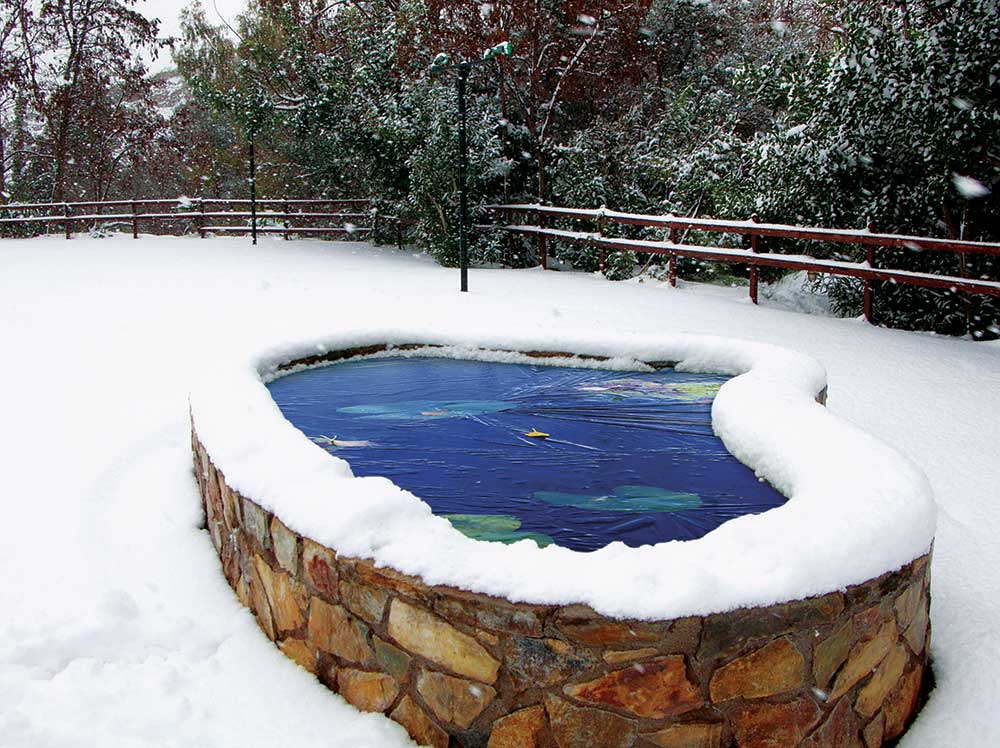
Spring Recovery: What To Expect After Winter
A well-winterized pond rebounds quickly in spring.
- Fish become active as water warms
- Plants regrow and bloom
- Water clears as bacteria multiply
If you notice problems, act fast: clean debris, restart equipment, and check water quality.
Credit: khpet.com
Frequently Asked Questions
How Deep Should My Pond Be To Survive Winter?
Ponds should be at least 2 feet deep in cold climates. Deeper ponds protect fish from freezing and provide stable temperatures.
Can I Leave My Pond Pump Running During Winter?
Only if your pump is rated for winter use and temperatures do not drop below freezing. Most pumps should be removed and stored dry to avoid damage.
What Do I Do If My Pond Freezes Solid?
If your pond freezes completely, fish and plants may die. Prevent this by using a pond heater or de-icer. In very cold regions, move fish indoors for winter.
How Do I Keep My Pond Water Clear During Winter?
Remove debris, add cold-water beneficial bacteria, and keep a hole in the ice for gas exchange. Avoid feeding fish and monitor water quality regularly.
Which Plants Can Survive Winter In A Garden Pond?
Hardy plants like water lilies, lotus, and cattails usually survive. Tropical plants like water hyacinth should be moved indoors.
Winterizing your garden pond is a crucial step for every pond owner. With careful planning and proper tools, you can protect your pond from cold damage and ensure a vibrant, healthy pond when spring returns. For more regional advice and product recommendations, visit Garden Ponds for expert guides.
Preparing your pond for winter may seem complex, but the rewards are clear: healthy fish, strong plants, and fewer problems when the thaw arrives. Take action now, and your garden pond will thank you in the spring.