
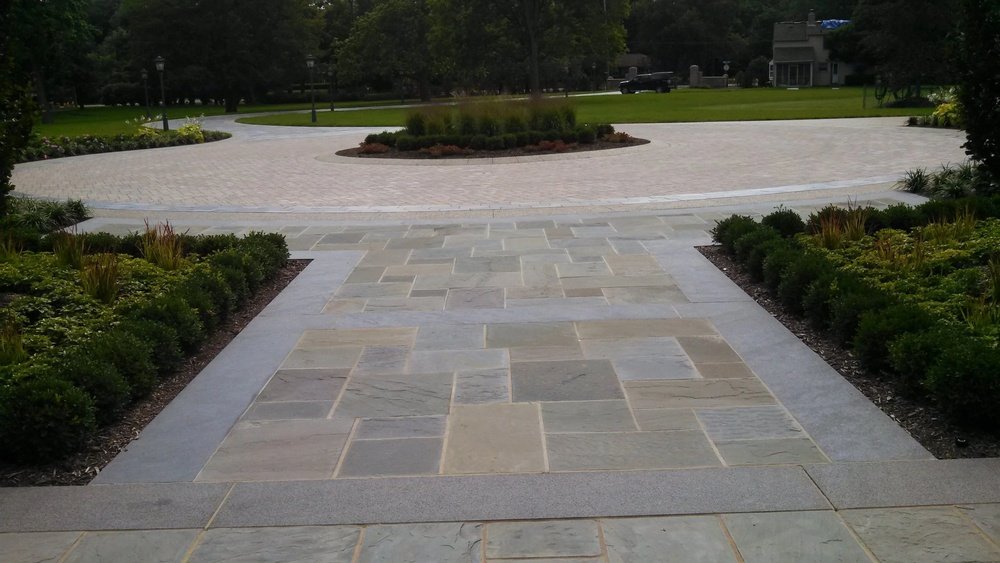
Natural stone patios bring beauty, character, and value to outdoor spaces. With their unique textures and colors, they create a welcoming area for relaxation, entertaining, or simply enjoying nature. But to keep their charm, regular cleaning is essential. Dirt, moss, stains, and weather can turn a stunning patio into a dull or slippery surface. Many homeowners worry about damaging the stone or using the wrong products. The good news: cleaning a natural stone patio is straightforward with the right tools, techniques, and knowledge.
This guide will help you clean your natural stone patio safely and effectively. You’ll learn about stone types, cleaning methods, common mistakes, and practical tips. Whether your patio is made of granite, limestone, slate, or sandstone, you’ll find clear steps, expert advice, and solutions for tough problems.
If you want your patio to stay beautiful for years, understanding the correct care makes all the difference. Even small adjustments to your routine can prevent expensive repairs and keep your outdoor space inviting for family and guests.
Understanding Natural Stone Patio Types
Before you start cleaning, it’s important to know what kind of stone you have. Each stone has its own strengths and cleaning needs. Taking time to identify your patio’s stone can save you from future damage and help you choose the safest products.
Common Natural Stones For Patios
- Granite: Hard, durable, and resistant to scratches. It handles heavy traffic well. Granite is often used for patios that see frequent gatherings and movement.
- Limestone: Softer than granite, with a warm, earthy look. It can be porous and sensitive to acids. Limestone patios are popular for their classic appearance but need gentle care.
- Slate: Smooth or textured, often gray or black. It’s water-resistant but can chip. Slate is favored for modern designs and is less likely to absorb stains, but edges may break if hit.
- Sandstone: Light colors and a grainy feel. It absorbs water, so stains can penetrate easily. Sandstone patios suit natural gardens but require sealing to resist spills.
- Travertine: Creamy tones, often with natural holes. It’s sensitive to acidic cleaners. Travertine gives a luxurious look but needs careful cleaning due to its surface pits.
Why Stone Type Matters
Cleaning methods and products depend on the stone’s hardness and porosity. For example, using acidic cleaners on limestone or travertine can cause etching. Granite tolerates more aggressive scrubbing. Sandstone absorbs liquids, so stains can be harder to remove. If you’re unsure of your stone type, check your patio’s installation papers or ask a stone supplier.
Knowing the stone helps avoid mistakes and keeps your patio in top shape.
Some stones can look similar but have very different cleaning needs. For instance, both limestone and sandstone feel soft and absorbent, but limestone is more reactive to acid, while sandstone absorbs stains faster. If you’re uncertain, try testing a small area with water—if it darkens quickly, your stone is likely porous and needs extra care.
Essential Tools And Supplies For Cleaning
Having the right supplies makes cleaning easier and safer for your patio. Using proper tools helps avoid scratches and ensures cleaning solutions reach every part of the surface.
Must-have Tools
- Soft-bristle brush or broom (never wire brushes)
- Garden hose with adjustable nozzle
- Bucket
- Mop (for rinsing)
- Plastic or rubber gloves
- Spray bottle (for spot treatments)
If your patio has deep grout lines or uneven stones, consider a grout brush for detail work. For larger patios, a push broom can make sweeping faster. Always wear gloves to protect your hands from cleaning agents and rough stone surfaces.
Cleaning Products
- PH-neutral stone cleaner: Safe for all stone types
- Mild dish soap: Good for regular cleaning
- Baking soda: Useful for stain removal
- White vinegar: Only for granite or slate (never use on limestone, travertine, or sandstone)
- Stone sealer (optional, for protection)
Avoid harsh chemicals, bleach, or acidic products unless you’re sure they’re safe for your stone. Commercial stone cleaners are usually pH-neutral. Always read labels carefully.
If you want to mix your own cleaner, use just a few drops of dish soap per gallon of water. Too much soap can leave residue, making the patio look dull. For eco-friendly cleaning, look for plant-based stone cleaners that won’t harm nearby grass or flowers.
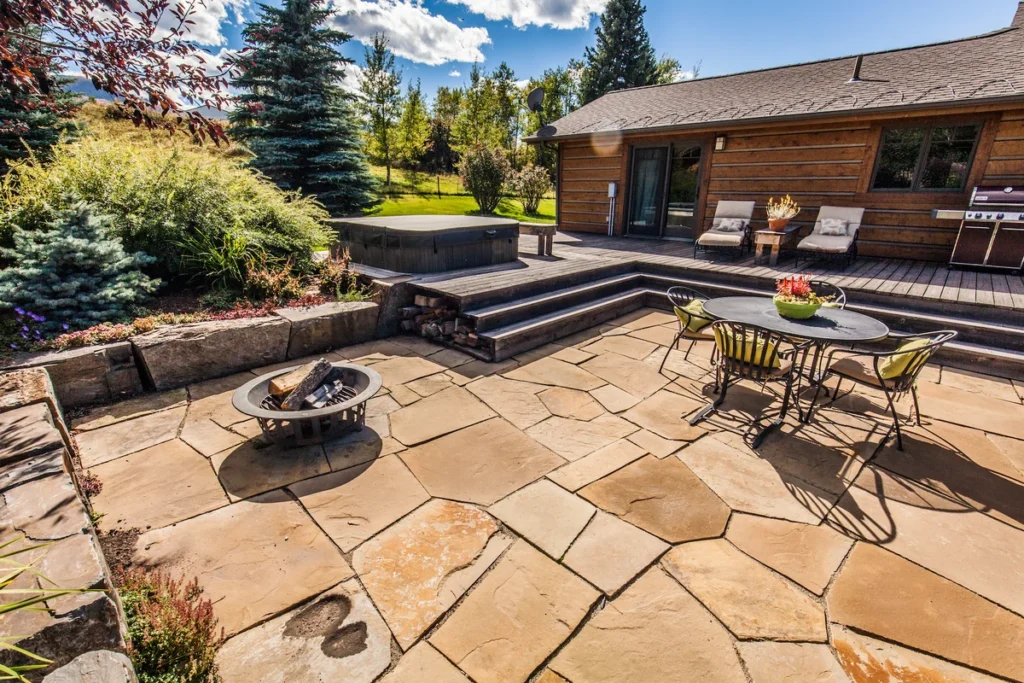
Credit: www.blanchfordlandscape.com
Step-by-step Guide: How To Clean Natural Stone Patio
Cleaning your natural stone patio doesn’t require expensive equipment or professional help. Here’s how to do it:
Step 1: Remove Loose Debris
Sweep the patio with a soft-bristle broom to clear leaves, dirt, and dust. Pay attention to corners and between stones where debris collects. Loose dirt can scratch the stone if left during scrubbing.
If your patio has sand or gravel joints, sweep gently to avoid displacing them. Regular sweeping prevents buildup and makes deep cleaning easier.
Step 2: Wet The Surface
Use a garden hose to gently spray the whole patio. This helps loosen dirt and prevents cleaning solutions from soaking into dry stone. Don’t use high-pressure washers, as they can damage softer stones and grout.
If your patio is in direct sunlight, wetting the stone also keeps cleaning solutions from evaporating too quickly. Wetting ensures even coverage and helps protect the stone’s surface during cleaning.
Step 3: Apply Cleaning Solution
Mix a bucket of warm water with a few drops of pH-neutral stone cleaner or mild dish soap. For granite or slate, you can add a small amount of white vinegar. Use a mop or soft brush to spread the solution across the patio. Let it sit for 5–10 minutes to break down grime.
Try to work in small sections for better control. If your patio has large stains or muddy spots, apply extra cleaner and let it soak longer.
Step 4: Scrub Gently
Scrub the patio with a soft-bristle brush. Work in sections, focusing on stained or dirty areas. Avoid wire brushes—they can scratch or chip the stone. For stubborn spots, sprinkle baking soda and scrub lightly.
If you have patterned stone or textured surfaces, use circular motions to reach grooves and cracks. For patios with deep joints, a smaller brush can help clean between stones.
Step 5: Rinse Thoroughly
Rinse off the cleaning solution with a garden hose. Make sure to wash away all soap or cleaner. Leftover residue can attract dirt or cause streaks.
If you use a mop for rinsing, change the water often to avoid spreading dirt. For patios near gardens, direct rinse water away from plants if you used chemicals.
Step 6: Dry And Inspect
Let the patio air-dry. Check for stains, moss, or mold. If needed, repeat spot cleaning on problem areas.
Drying helps reveal spots you might have missed. If you see water pooling, it could mean uneven stone or drainage issues—fixing these prevents future problems.
Step 7: Optional Sealing
Applying a stone sealer can help prevent stains and weather damage. Follow the product instructions. Usually, you apply with a mop, let it absorb, then wipe off excess.
Sealants come in different finishes (matte, glossy). Choose one that matches your patio’s style. Sealing can also protect against freeze-thaw damage in cold climates.
Tackling Tough Stains And Growth
Sometimes, your patio faces more than just dirt—think moss, algae, or deep stains. Here’s how to handle them:
Moss And Algae
Moss and algae grow in shady, damp areas. They can make the patio slippery and unattractive. To remove:
- Scrape off thick moss with a plastic scraper.
- Mix a solution of water and baking soda. Apply to affected areas.
- Scrub gently with a soft-bristle brush.
- Rinse well.
Avoid bleach or strong chemicals, which can discolor stone and harm plants nearby.
If moss keeps returning, improve sunlight and airflow by trimming overhanging branches. Consider using a moss-resistant sealer for patios in wet climates.
Oil And Grease Stains
Barbecues and cars can leave tough grease marks. To clean:
- Sprinkle baking soda or cornstarch on the stain. Let it sit for 30–60 minutes.
- Scrub with a damp brush.
- Rinse with warm water.
For deep stains, try a commercial stone degreaser. Always test a small area first.
Some grease stains may need repeat treatments. For fresh spills, blot with paper towels before cleaning—don’t rub, as this spreads the stain.
Rust Stains
Metal furniture or garden tools can cause rust marks. Remove them by:
- Using a paste of baking soda and water.
- Applying to the stain and letting it sit for 1 hour.
- Scrubbing gently and rinsing.
Some stones are sensitive to rust removers, so check compatibility.
If rust persists, look for stone-specific rust removers labeled safe for your patio’s stone. Avoid products with strong acids.
Protecting Your Patio From Damage
Cleaning is just part of patio care. Protecting your stone helps avoid future problems.
Sealing Your Patio
Sealing creates a barrier against stains, water, and weather. Not all stones need sealing, but porous stones like sandstone and limestone benefit most. Sealer should be:
- PH-neutral
- Suitable for your stone type
- Applied every 1–3 years
Check the manufacturer’s recommendations. Sealing makes cleaning easier and can extend your patio’s life.
A good tip: test your patio’s seal by dripping water on the surface. If it beads up, the seal is working. If it soaks in, it’s time to re-seal.
Preventing Stains And Growth
Simple steps can prevent trouble:
- Place mats under barbecue grills or furniture
- Trim plants to reduce shade and moisture
- Sweep regularly to remove debris
- Fix drainage issues to prevent water pooling
Also, avoid dragging heavy objects across the patio. Use furniture pads to prevent scratches, and check patio edges for loose stones after storms.
Mistakes To Avoid When Cleaning Natural Stone Patio
Many homeowners make errors that can harm their patio. Here are common mistakes and how to avoid them:
- Using acidic or harsh cleaners on sensitive stones
- Scrubbing with wire brushes or abrasive pads
- Ignoring regular maintenance, letting stains build up
- Pressure-washing soft stones
- Not rinsing off cleaning solutions completely
- Skipping sealing on porous stones
Learning from these mistakes can save time, money, and frustration.
Another easy-to-miss mistake: cleaning when the patio is hot and dry. This can cause cleaners to evaporate too fast, leaving streaks and uneven results. Always clean in mild weather or shade.
Comparing Cleaning Methods: Manual Vs. Machine
Cleaning can be done by hand or with machines. Here’s a quick comparison:
| Method | Best For | Pros | Cons |
|---|---|---|---|
| Manual (Brush & Mop) | All stone types | Gentle, precise, low cost | Labor-intensive, slower |
| Pressure Washer | Hard stones (granite, slate) | Fast, effective for deep cleaning | Can damage grout or soft stone |
| Machine Scrubber | Large patios, hard stone | Efficient, saves time | Rental cost, may be too rough for some stones |
For most homes, manual cleaning is safest. If you use machines, start with low pressure and test a small area.
If your patio has delicate stone or old grout, avoid machines. Machine scrubbers are best for commercial spaces or very large patios.
Seasonal Maintenance Tips
Patio care changes through the year. Here’s what to do each season:
Spring
- Remove winter debris
- Check for moss or algae
- Clean and seal if needed
Spring is ideal for deep cleaning and repairs. Look for cracks caused by winter frost.
Summer
- Sweep regularly
- Watch for barbecue grease stains
- Trim plants and check for pooling water
In summer, outdoor activities increase. Clean spills quickly to prevent permanent stains.
Fall
- Remove fallen leaves quickly (they can stain)
- Inspect for damage or loose stones
- Clean before winter weather arrives
Fall leaves can cause organic stains. Clean before rain sets in and check for shifting stones.
Winter
- Avoid using salt or de-icers (they damage stone)
- Sweep snow and ice gently
- Cover patio furniture to prevent rust stains
Winter care prevents slip hazards and protects stone from freeze-thaw damage. Use plastic shovels instead of metal ones.
Regular seasonal care keeps your patio looking its best and prevents big repairs.
Comparing Stone Types: Durability And Cleaning Needs
Each stone has different care needs. Here’s a comparison:
| Stone Type | Hardness | Porosity | Recommended Cleaner | Special Considerations |
|---|---|---|---|---|
| Granite | Very hard | Low | pH-neutral, mild soap | Can handle pressure washing |
| Limestone | Medium | High | pH-neutral only | No acids, needs sealing |
| Slate | Medium-hard | Low | Mild soap, vinegar | Prone to chipping |
| Sandstone | Soft | High | pH-neutral only | Absorbs stains easily |
| Travertine | Medium | Medium-high | pH-neutral only | Never use vinegar |
Porous stones need more frequent sealing and gentle cleaning. Hard stones can tolerate stronger cleaning and occasional pressure washing.
If you want to test your stone’s durability, gently tap it with a metal object—hard stones sound solid, soft stones may sound hollow.
Eco-friendly Cleaning Tips
Many people want to protect their patio and the environment. Here’s how to clean naturally:
- Use baking soda or mild soap instead of harsh chemicals
- Avoid bleach, which harms plants and soil
- Collect rinse water if using strong products
- Sweep instead of blowing debris (reduces dust pollution)
- Choose eco-friendly stone cleaners
Eco-friendly cleaning is safer for pets, kids, and the garden.
Try using rainwater for rinsing—it’s softer than tap water and reduces streaks. If you compost leaves, sweep them onto garden beds instead of landfill.
Non-obvious Insights For Beginners
Most guides skip these two important points:
- Water Quality Matters: If you live in a hard water area, mineral deposits can leave white streaks after rinsing. Use distilled water for the final rinse to avoid this.
- Sun Exposure Affects Cleaning: Clean your patio early morning or late afternoon. Direct sun dries cleaning solutions too fast, leaving streaks and reducing effectiveness.
These details help your patio look clean and avoid hidden problems.
Another insight: pay attention to wind direction. If cleaning with a hose, wind can blow dirt back onto the patio, making your work harder.
When To Call A Professional
Sometimes, DIY cleaning isn’t enough. Call a professional if:
- Deep or old stains won’t come out
- Large cracks, loose stones, or structural issues
- You’re unsure of your stone type
- Mold or algae keeps returning
Professionals have specialized tools and products. They can restore patios safely and often guarantee their work. For major repairs or restoration, it’s worth the investment.
A professional can also advise on sealing and repairs, and may spot problems you miss—like hidden drainage issues or uneven stone setting.
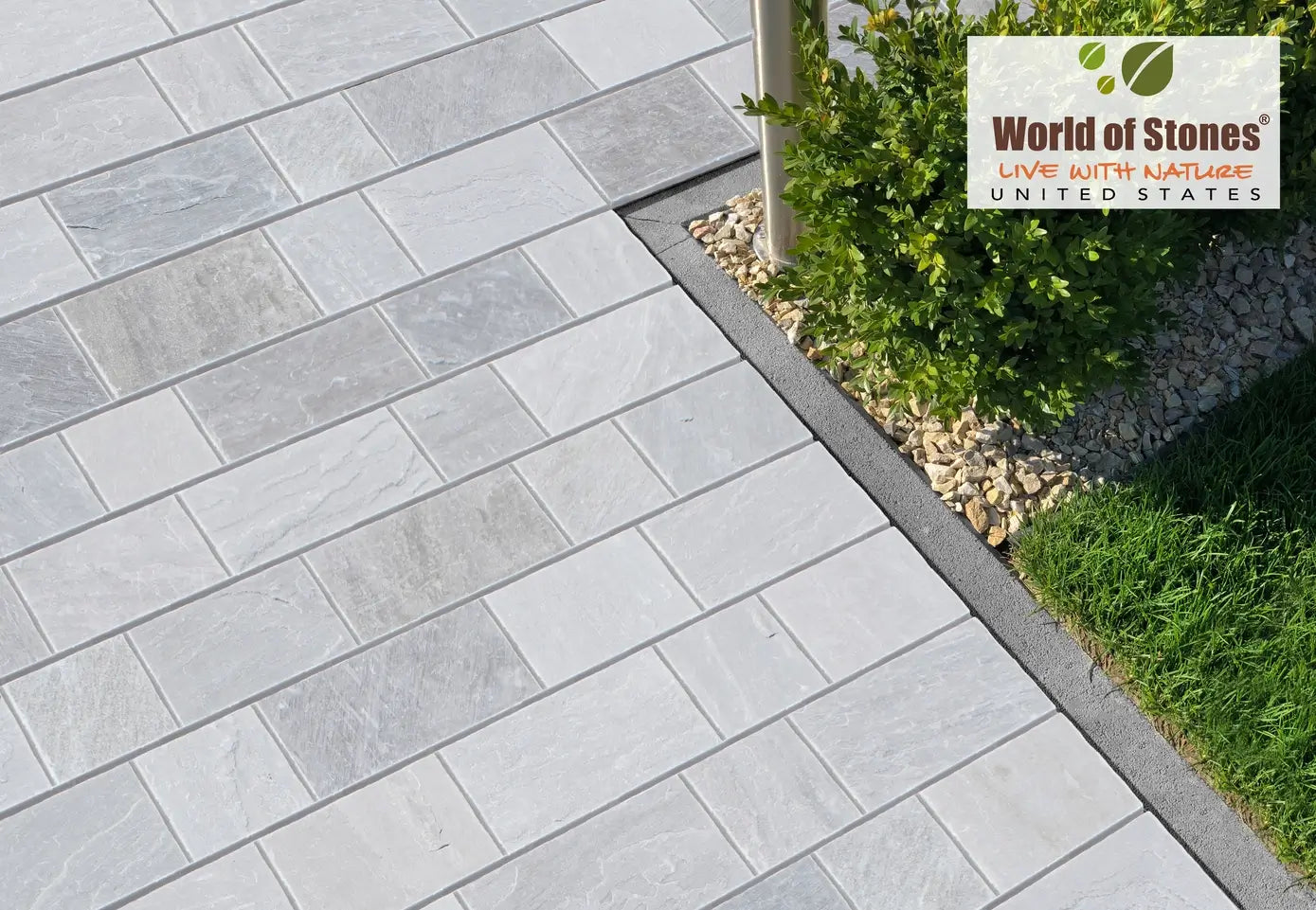
Credit: worldofstonesusa.com
Cost Of Cleaning Natural Stone Patio
Homeowners often wonder about costs. Here’s a quick breakdown:
| Cleaning Method | Estimated Cost (USD) | Frequency |
|---|---|---|
| DIY (Supplies Only) | $20–$50 | Every 1–2 months |
| Professional Cleaning | $200–$500 | Annually |
| Sealing | $30–$100 | Every 1–3 years |
| Machine Rental | $50–$100/day | Occasional |
DIY cleaning is affordable. Professional cleaning costs more but brings deep results.
If your patio is very large or has complex stone patterns, professional cleaning may be more cost-effective in the long run. Sometimes, pros bundle cleaning and sealing for a better rate.
Cleaning Tips For Special Situations
Patios come in many shapes and settings. Here’s advice for unique cases:
Patios Around Pools
- Rinse off chlorine or saltwater regularly
- Use pool-safe stone cleaners
- Seal stone to resist water and chemicals
Pool water can splash onto patios, causing white spots or fading. Clean after pool parties and check for slippery algae.
Patios With Heavy Traffic
- Clean more often
- Check for loose stones or grout
- Use mats at entry points
High-traffic patios may show wear faster. Inspect regularly for cracks or chips, especially after events.
Patios In Rainy Areas
- Watch for moss and algae
- Improve drainage
- Seal stone yearly
Rainy climates increase the risk of moss growth. Consider installing a patio cover or trimming trees for more sunlight.
Adapt your cleaning routine to your patio’s location and use.
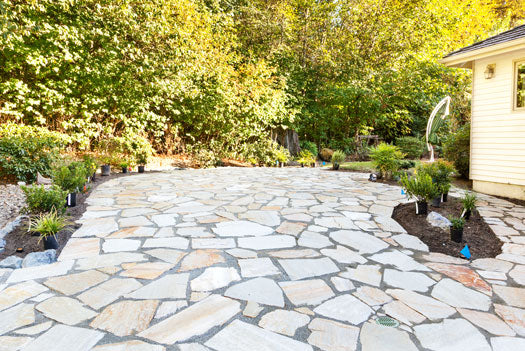
Credit: granitegold.com
How Weather Impacts Natural Stone Patio Cleaning
Weather affects cleaning and maintenance. Here’s what to expect:
- Rain: Washes away dirt but can cause moss growth
- Sun: Dries out stone, can fade colors
- Cold: Freeze-thaw cycles can crack stone and grout
- Wind: Blows leaves and debris onto the patio
Plan cleaning for dry, mild days. Avoid cleaning during heavy rain or freezing temperatures.
After storms, inspect for new stains or debris. If your patio is exposed, consider windbreaks or garden walls.
Practical Tips For Long-term Patio Care
If you want your patio to last, follow these tips:
- Sweep regularly, at least once a week
- Clean spills immediately, especially oil or food
- Inspect for damage every season
- Re-seal porous stones as recommended
- Use furniture pads to prevent scratches
- Educate family and guests about care
Consistent care keeps your patio beautiful and reduces repair costs.
It’s also smart to keep a cleaning log—note when you clean and seal. This helps track maintenance and spot patterns, like frequent moss growth.
Recommended Products And Brands
Choosing the right products helps protect your stone. Here are trusted options:
- StoneTech Revitalizer: PH-neutral cleaner, safe for all stones
- Black Diamond Stoneworks: Eco-friendly, effective for patios
- Granite Gold Sealer: Protects against stains and weather
Always check that products match your stone type. Read reviews and ask suppliers for advice.
If you’re unsure, buy small bottles first and test on a hidden area. Don’t rely on generic cleaners—they can damage stone and void warranties.
Where To Find Expert Information
For detailed stone care info, check authoritative sources like the Natural Stone Institute. They provide guides, product recommendations, and answers to technical questions. Learning from experts ensures you care for your patio correctly.
Their website offers videos, troubleshooting tips, and links to certified professionals if you need extra help.
Frequently Asked Questions
How Often Should I Clean My Natural Stone Patio?
For most patios, clean every 1–2 months. If your patio gets heavy use, clean more often. Sweep weekly to prevent buildup.
Can I Use A Pressure Washer On My Natural Stone Patio?
Only use a pressure washer on hard stones like granite or slate, and at low pressure. Avoid on softer stones—pressure can cause chips or damage grout.
What’s The Best Way To Remove Moss Or Algae?
Use a solution of water and baking soda. Scrub gently with a soft-bristle brush. Avoid harsh chemicals and rinse well after cleaning.
How Do I Know If My Patio Needs Sealing?
If water soaks in quickly or stains appear often, your patio needs sealing. Porous stones like sandstone and limestone require sealing every 1–3 years.
Are Homemade Cleaners Safe For Natural Stone?
Homemade cleaners with mild soap or baking soda are usually safe. Avoid vinegar or lemon juice on limestone, sandstone, or travertine. Always test a small area first.
Cleaning your natural stone patio doesn’t need to be stressful or complicated. With the right tools, knowledge, and routine, you’ll keep your patio looking beautiful and welcoming. Remember: gentle methods, regular care, and a little patience will help your stone patio last for decades. Small steps today make a big difference tomorrow—enjoy your outdoor space with confidence!