
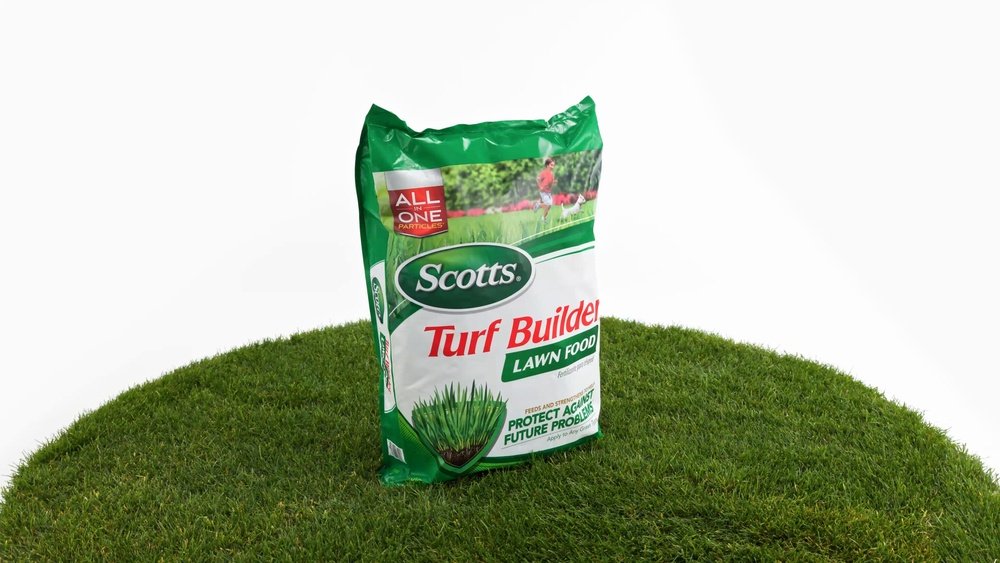
Anyone who wants a beautiful, green lawn knows the name Scotts Turf Builder. This popular fertilizer promises a thick, healthy yard—but using it correctly is not as simple as spreading it and hoping for the best. Many homeowners make mistakes that cost them time, money, and results.
If you want to maximize the benefits, you need to follow the right steps, use the right tools, and understand the science behind it. This guide will give you clear, practical advice on how to apply Scotts Turf Builder, avoid common errors, and get the lush lawn you’ve always wanted.
Whether you’re a first-time user or a regular lawn-care fan, these tips will help you get the most from your fertilizer investment.
What Is Scotts Turf Builder?
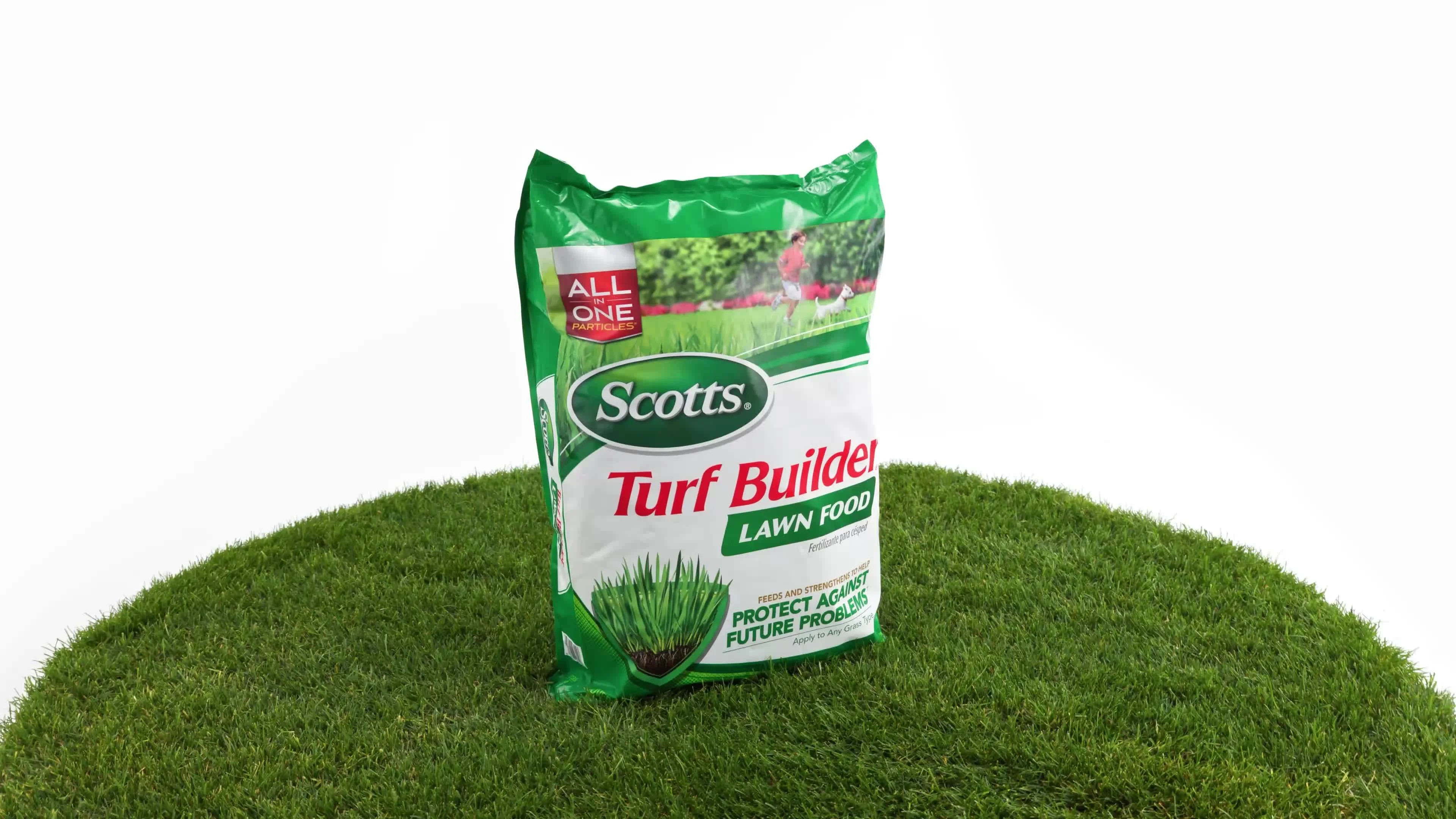
Scotts Turf Builder is a lawn fertilizer made by Scotts, a company with over 150 years of lawn care experience. It’s designed to feed your grass, help it grow thicker, and make it more resistant to problems like weeds and drought. The main formula contains a blend of nitrogen, phosphorus, and potassium (N-P-K)—nutrients that all lawns need. Some versions include weed control, bug control, or are made for special grass types.
There are different Scotts Turf Builder products:
- Scotts Turf Builder Lawn Food: The basic fertilizer for all grass types.
- Scotts Turf Builder Weed & Feed: Fertilizes and kills broadleaf weeds.
- Scotts Turf Builder SummerGuard: Protects against heat, drought, and some insects.
- Scotts Turf Builder WinterGuard: Prepares your lawn for winter and early spring growth.
Each product has a different N-P-K ratio and special instructions. Always check the bag for the right usage.
Why Proper Application Matters
Applying Scotts Turf Builder the right way is not just about following the label. If you use too much, you can burn your lawn or cause environmental harm. Too little, and you won’t see results. Even spreading and good timing are essential for:
- Uniform green color
- Dense, healthy growth
- Fewer weeds
- Better drought resistance
- Efficient use of your money and effort
A common mistake is thinking “more is better. ” In reality, precision and timing matter much more than quantity.
Credit: www.gerbes.com
Choosing The Right Scotts Turf Builder Product
Your lawn’s needs change with the season, location, and problems you face. Here’s a quick comparison of the main options:
| Product | Best For | Main Benefit | Application Season |
|---|---|---|---|
| Scotts Turf Builder Lawn Food | All grass types | General feeding, thickening | Spring, Summer, Fall |
| Scotts Turf Builder Weed & Feed | Lawns with broadleaf weeds | Fertilizes and kills weeds | Spring, Early Fall |
| Scotts Turf Builder SummerGuard | Hot, dry climates | Protects from heat, drought, insects | Late Spring, Summer |
| Scotts Turf Builder WinterGuard | Cool climates, winter prep | Strengthens roots, early green-up | Late Fall |
Pro Tip: If you’re unsure which one to use, take a soil test to check nutrient levels. Your local garden center can help you choose the right product for your grass type and climate.
When To Apply Scotts Turf Builder
Timing is critical for best results. Applying fertilizer at the wrong time can waste product or even harm your lawn. Here’s what you need to know:
- Spring: Apply when grass starts growing and soil temperatures reach about 55°F (13°C). This is usually when lilacs bloom or forsythia bushes turn yellow.
- Summer: Use a summer formula (like SummerGuard) during hot months to protect against stress.
- Fall: Fertilize in early fall for root growth, and again in late fall (WinterGuard) to prepare for winter.
- After Mowing: Wait 1–2 days after mowing, and make sure the grass is dry.
- After Rain or Watering: Apply fertilizer when the soil is slightly moist, not dry or soggy.
Insider tip: Avoid fertilizing before heavy rain. Nutrients can wash away, polluting streams and wasting your money.
How To Prepare Your Lawn Before Application
A little preparation goes a long way. Here’s how to get your lawn ready:
- Remove debris: Pick up sticks, leaves, and toys so the fertilizer spreads evenly.
- Mow the lawn: Cut grass to a normal height (not too short), and bag the clippings if possible.
- Check for wetness: Apply when grass is dry to avoid sticking and uneven distribution.
- Mark obstacles: Place flags or markers near flower beds, trees, and sidewalks to avoid over-fertilizing non-grass areas.
If you have a new lawn, wait until you’ve mowed it at least three times before using most Turf Builder products.
Tools You Need For Best Results
A spreader is the most important tool for even fertilizer application. There are two main types:
| Spreader Type | How It Works | Best For | Pros | Cons |
|---|---|---|---|---|
| Broadcast (Rotary) Spreader | Throws granules in a wide, circular pattern | Medium to large lawns | Covers quickly, even coverage | Less precise near edges, may scatter on driveways |
| Drop Spreader | Drops granules straight down between wheels | Small lawns, precise edges | Accurate, less waste | Slower, needs more passes |
Extra tip: Clean your spreader before and after use. Leftover fertilizer can block openings or cause rust.
Credit: scottsmiraclegro.com
Setting Up Your Spreader
Each Scotts Turf Builder bag lists a spreader setting—a number that controls how much product is released. Using the wrong setting is a common beginner mistake.
- Read the bag: Look for your spreader type and the correct setting.
- Adjust the dial: Set the spreader to the number shown.
- Test on the driveway: Walk a few steps and see if the granules spread evenly.
- Check speed: Move at a steady pace—usually about 3 miles per hour (a brisk walk).
If you’re not sure, start with a lower setting. You can always make another pass if needed, but you can’t take fertilizer back once it’s applied.
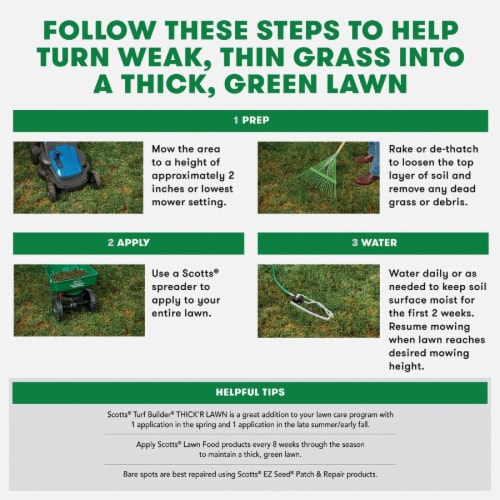
How To Apply Scotts Turf Builder: Step-by-step Guide
Follow these steps for even coverage and great results:
- Plan your path: Start at the edge of your lawn and work in straight lines, overlapping slightly on each pass.
- Fill the spreader: Pour fertilizer in over a hard surface, like the driveway, so any spills can be cleaned up.
- Begin spreading: Open the spreader at the edge, walk at a steady pace, and close it at the end of each row.
- Overlap slightly: Ensure you don’t leave stripes or gaps.
- Turn carefully: Close the spreader when turning or stopping to avoid dumping extra product in one spot.
- Sweep up spills: Use a broom to collect any fertilizer that lands on sidewalks or driveways.
Example Application Plan
Let’s say your yard is 5,000 square feet. Your Scotts Turf Builder bag covers 5,000 sq. Ft. , and your spreader setting is 3. If you walk too fast, you might miss spots. If you walk too slow, you could apply too much.
A consistent, steady pace is key.
Pro insight: Mark your start and stop points with small flags if you have an odd-shaped lawn. This ensures you cover every area once.
Watering After Application
Water is essential for activating the fertilizer and preventing lawn burn. Here’s what to do:
- Scotts Turf Builder Lawn Food: Water in right after application.
- Weed & Feed products: Do NOT water or mow for 24 hours. The product needs to stick to weeds.
- SummerGuard and WinterGuard: Water in within 24 hours unless rain is expected.
Deep watering is better than frequent shallow watering. Aim for about 1 inch of water per week, including rainfall.
Beginner mistake: Forgetting to water after applying regular Turf Builder can lead to fertilizer burn—yellow or brown patches where granules sit on the grass.
Safety Tips For You And The Environment
Fertilizer is safe when used properly, but there are some important safety steps:
- Wear gloves if you handle granules with your hands.
- Keep pets and children off the lawn for at least 24 hours after application, or as the label instructs.
- Store unused product in a dry, cool place, away from pets and kids.
- Clean your spreader and shoes to avoid tracking fertilizer indoors.
Be careful near storm drains, ponds, and flower beds. Fertilizer runoff can cause pollution and harm plants that don’t need extra nutrients.

Credit: www.andersonlumbercompany.com
How Much Scotts Turf Builder Do You Need?
Calculating the right amount will save you money and prevent over-application. Use this simple formula:
- Measure your lawn: Length x width (in feet) = total square feet.
- Check the bag: Each bag lists how many square feet it covers.
- Divide as needed: For smaller lawns, use only part of the bag.
Example: If your lawn is 3,000 sq. ft. and the bag covers 5,000 sq. ft., use about 60% of the bag.
Advanced tip: If your yard has many curves or obstacles, break it into rectangles, add up the areas, and round up slightly.
Common Mistakes And How To Avoid Them
Even experienced homeowners sometimes make errors. Here are the most frequent mistakes with advice on how to avoid them:
- Applying too much: Causes lawn burn and wastes money. Double-check your math and spreader setting.
- Applying at the wrong time: Fertilizing during drought or before rain can do more harm than good. Follow the seasonal guide.
- Uneven spreading: Leads to stripes or patchy color. Always overlap slightly and walk at a steady pace.
- Ignoring safety: Skipping gloves or letting pets out too early can be risky.
- Not watering in: Causes yellow patches, especially in hot weather.
Using Scotts Turf Builder With Other Lawn Products
Many people want to use fertilizer, weed killer, and bug control at the same time. This can work, but timing matters. Here’s a guide:
- Weed & Feed products: Don’t use other weed killers within 3–4 weeks.
- Grub or insect controls: Wait at least a week between applications.
- Lawn seed: Some Turf Builder products are safe for new seed, but not all. Read the label carefully.
Expert insight: Mixing too many products at once can stress your lawn or waste your money. Stick to one product at a time unless the label says otherwise.
Real-world Results: What To Expect
Most homeowners want to know, “How soon will I see a difference?” Results depend on your grass type, weather, and starting condition. Generally:
- Color improvement: 1–2 weeks after application
- Thicker growth: 3–6 weeks with regular use
- Weed reduction: Noticeable in 2–4 weeks (with Weed & Feed products)
- Drought resistance: After 2–3 applications
Some lawns may green up faster, especially in spring. If you don’t see improvement after a month, check your spreader settings, watering, and whether your grass type matches the fertilizer.
When To Reapply Scotts Turf Builder
How often you fertilize depends on your grass type and climate. As a rule:
- Cool-season grasses: 4 times per year (early spring, late spring, summer, fall)
- Warm-season grasses: 2–4 times per year, mainly late spring and summer
Never apply more often than the label recommends. Over-fertilizing can lead to weak, shallow roots and more disease.
Pro insight: It’s better to fertilize less often and do it well than to rush and overdo it.
Special Tips For Different Grass Types
Not all lawns are the same. Here’s how to tailor your Turf Builder plan:
Cool-season Grasses (kentucky Bluegrass, Fescue, Ryegrass)
- Fertilize in early spring, late spring, early fall, and late fall.
- Avoid fertilizing in the heat of summer.
Warm-season Grasses (bermuda, Zoysia, St. Augustine)
- Fertilize after grass is fully green and growing (late spring).
- Continue every 6–8 weeks through summer, stopping in early fall.
Extra tip: Lawns in shady areas need less fertilizer. Too much can cause disease.
How Weather Affects Application
Weather makes a big difference in how well fertilizer works. Here’s what to watch for:
- Rain: Avoid fertilizing before heavy rain to prevent runoff.
- Drought: Don’t apply if your lawn is brown and dormant; wait until it’s green and growing.
- Heat: Fertilize in the early morning or evening to prevent stress.
- Wind: Avoid spreading fertilizer on windy days—it can blow granules into unwanted areas.
Insider insight: A light watering before and after applying on a dry day helps the fertilizer soak in and reduces risk of burn.
Scotts Turf Builder For New Lawns
If you’ve just seeded or sodded your lawn, be extra careful:
- Wait until you’ve mowed new grass 2–3 times before applying most Turf Builder products.
- Use a starter fertilizer if needed (some Turf Builder blends are made for new lawns).
- Water new grass gently and more often—don’t let it dry out.
Applying regular Turf Builder too early can damage tender new roots.
Troubleshooting: If Your Lawn Doesn’t Improve
Sometimes, you follow every step and still don’t see the lush lawn you expect. Here are possible reasons:
- Poor soil quality: Compacted or sandy soils may need aeration or organic matter.
- Wrong grass type: Some fertilizers work best with certain grass species.
- Insect or disease problem: Fertilizer can’t fix pest or fungus damage.
- Shade: Grass in deep shade may never grow thick, no matter how much you fertilize.
Advanced tip: If in doubt, send a soil sample to your local extension office or garden center. They can suggest a custom plan.
Sustainable Lawn Care With Scotts Turf Builder
Caring for your yard doesn’t have to harm the planet. Here’s how to use Scotts Turf Builder responsibly:
- Apply only what your lawn needs—never more.
- Sweep up granules from driveways and sidewalks.
- Use slow-release fertilizers to reduce runoff.
- Water deeply but less often to encourage deep roots.
- Maintain a buffer near streams or ponds—don’t spread fertilizer right to the water’s edge.
Interesting fact: The EPA estimates that over 40% of water pollution comes from household runoff, including lawn fertilizers. Small changes in your habits can protect your local environment.
For more on responsible lawn care, visit EPA: Lawn Fertilizers.
Frequently Asked Questions
How Soon After Applying Scotts Turf Builder Can I Let My Pets Back On The Lawn?
Usually, it’s safe after 24 hours or after the lawn has been watered in and the grass is dry. Always read the label instructions, as some products may have different rules. If in doubt, wait 48 hours.
Can I Apply Scotts Turf Builder And Grass Seed At The Same Time?
Some Turf Builder products are safe for new seed, while others are not. Look for “starter fertilizer” blends for new lawns. For most regular products, wait until after you’ve mowed the new grass a few times before fertilizing.
What Should I Do If I Accidentally Apply Too Much Fertilizer?
Water the area deeply to help wash the extra fertilizer into the soil. Monitor for yellow or brown patches. Avoid fertilizing again until the lawn recovers. If you notice severe burn, contact your local extension office for advice.
Can I Use Scotts Turf Builder On All Types Of Grass?
Most products are designed for common lawn grasses, but always check the bag for your grass type. Some blends are made for specific grasses like Bermuda or St. Augustine. Using the wrong fertilizer can harm sensitive varieties.
How Do I Know If My Spreader Is Set Correctly?
Follow the setting guide on the fertilizer bag for your spreader type. If you’re unsure, start with a lower setting and test on a small area. Look for even coverage without stripes or clumps. Adjust as needed for your lawn’s size and shape.
Getting the most from Scotts Turf Builder is about more than just following directions—it’s about knowing your lawn, your climate, and the science of good turf. With the right tools, timing, and care, you’ll enjoy a healthy, green yard that stands out in your neighborhood all season long.