
A beautiful, healthy lawn is more than just a patch of green. It’s a sign of good care, smart planning, and the right use of fertilizers. Many homeowners ask: How many times a year should you fertilize your lawn? This question is simple, but the answer depends on your location, grass type, climate, and goals. Fertilizer timing affects lawn color, growth, and resistance to weeds and disease. If you fertilize too little, your grass may struggle. If you fertilize too much, you risk burning the lawn or causing pollution. This guide will help you find the best balance for your yard, whether you live in a hot climate, a cool region, or somewhere in between.
Why Lawn Fertilizing Matters
Fertilizer provides essential nutrients for grass growth. The three main nutrients are nitrogen (N), phosphorus (P), and potassium (K). Nitrogen helps grass grow lush and green. Phosphorus supports root development. Potassium makes the lawn stronger against stress, like heat and disease.
Over time, lawns use up these nutrients. Rain and watering can also wash them away. If you don’t replace them, your grass turns yellow, grows slowly, and gets weak. Fertilizing is like feeding your lawn. It keeps it healthy, green, and thick.
Most soils do not have enough nutrients for perfect lawns. That’s why regular fertilizing is important.
Factors That Affect Fertilizer Timing
There’s no single answer for how often to fertilize your lawn. You need to consider several factors:
- Grass Type: Cool-season grasses (like fescue and Kentucky bluegrass) need fertilizer at different times than warm-season grasses (like Bermuda and zoysia).
- Climate: Weather affects how fast grass grows and how quickly nutrients are used.
- Soil Type: Sandy soils lose nutrients faster than clay soils.
- Lawn Age: New lawns may need more frequent feeding.
- Fertilizer Type: Slow-release fertilizers last longer than quick-release types.
- Personal Goals: Do you want a perfect golf-course look, or just a healthy, simple lawn?
Each factor changes how often, and when, you should fertilize.
Understanding Your Grass Type
The first step is to know your grass type. Most US lawns have either cool-season or warm-season grass.
| Grass Type | Best Regions | Growth Cycle |
|---|---|---|
| Cool-season (fescue, bluegrass, ryegrass) | Northern US, Midwest | Spring and fall are main growth periods |
| Warm-season (Bermuda, zoysia, St. Augustine) | Southern US, Sunbelt | Summer is main growth period |
If you’re unsure, check your lawn’s color and growth pattern. Cool-season grasses stay green in spring and fall, but may turn brown in summer heat. Warm-season grasses thrive in summer, but may go dormant (brown) in winter.
Knowing your grass type is key because each needs fertilizer at different times.
How Often Should You Fertilize? (annual Schedule)
Let’s break down fertilizing schedules for each grass type. These are general guidelines; adjust for your climate and lawn needs.
Cool-season Grasses
Most cool-season lawns do best with 2–4 feedings per year. Here’s a typical schedule:
- Early Spring (March–April): Light feeding as grass wakes up.
- Late Spring (May–June): Full feeding to support growth.
- Early Fall (September): Main feeding for strong roots.
- Late Fall (October–November): Optional, for winter prep.
If you want a simple, low-maintenance lawn, focus on fall and skip spring feedings.
Warm-season Grasses
Warm-season lawns usually need 2–5 feedings per year. Here’s a common schedule:
- Late Spring (April–May): First feeding when grass greens up.
- Early Summer (June): Boost growth as heat increases.
- Mid Summer (July): Optional, for lush color.
- Late Summer (August): Prepare for fall.
- Early Fall (September): Final feeding before dormancy.
If you prefer less work, two main feedings (late spring and early summer) are enough for most warm-season lawns.
Regional Adjustments
Every region has unique weather. For example, Florida lawns may need more feedings due to long growing seasons. Northern lawns may need less because of short summers. Always check local advice.
Fertilizer Types And How They Affect Timing
Not all fertilizers are equal. Choosing the right type changes how often you need to fertilize.
| Type | Release Speed | How Long It Lasts | Best Use |
|---|---|---|---|
| Slow-release | Slow | 6–12 weeks | Fewer applications, steady growth |
| Quick-release | Fast | 2–4 weeks | Rapid green-up, more frequent applications |
| Organic | Slow | 8–16 weeks | Safe, natural, fewer feedings |
Slow-release fertilizers are best for busy people. They feed grass for months, so you can fertilize less often. Quick-release fertilizers work fast, but you must use them more often and carefully, or risk burning the lawn.
Organic fertilizers (like compost or manure) are gentle and last longer, but may not give a super green color quickly.
How Much Fertilizer Does Your Lawn Need?
It’s not just about how often. Amount matters too. Too much fertilizer can damage your lawn and pollute water. Too little won’t help.
Most experts recommend about 1 pound of nitrogen per 1,000 square feet per application. Do not exceed 4 pounds per year for cool-season lawns, or 5 pounds per year for warm-season lawns.
Read the label on your fertilizer. It will show how much to use. If you’re unsure, start with less, and increase if needed.
Calculating Lawn Size
To use the right amount, you must know your lawn’s size. Here’s a simple method:
- Measure length and width in feet.
- Multiply them to get square feet.
- Subtract non-grass areas (flower beds, patios).
Example: If your lawn is 50 feet by 40 feet, it’s 2,000 square feet.
Signs Your Lawn Needs Fertilizer
Sometimes, your lawn tells you it needs food. Watch for these signs:
- Yellowing or pale color
- Thin growth and bare spots
- Poor recovery after mowing
- Lots of weeds or moss
- Slow growth
If you see these, it’s time to fertilize—even if it’s not on your schedule.
When To Fertilize: Timing Tips
Timing is as important as frequency. Fertilize at the right time for best results.
Morning Vs Evening
Fertilize in the morning or early evening. Avoid midday, when sun is strongest.
Before Rain Or After Watering
Apply fertilizer before light rain or water after applying. This helps nutrients soak into soil and prevents burning.
Avoid Extreme Weather
Never fertilize during heat waves or drought. Grass is stressed and may not absorb nutrients well.
Step-by-step Fertilizing Guide
Here’s how to fertilize your lawn safely and effectively.
- Mow the lawn: Cut grass, but don’t scalp it.
- Clear debris: Remove leaves, sticks, and trash.
- Measure area: Know your lawn’s size for correct amount.
- Choose fertilizer: Pick the right type for your grass and goals.
- Set spreader: Adjust settings for your fertilizer.
- Apply evenly: Walk in straight lines, overlapping slightly.
- Water lightly: After fertilizing, water gently to help absorption.
- Wash tools: Clean spreader and wash hands.
Common Mistakes To Avoid
- Using too much fertilizer (can burn grass)
- Fertilizing when grass is dormant
- Not watering after application
- Skipping soil tests
- Ignoring product instructions
Soil Testing: The Secret To Smart Fertilizing
A soil test shows what nutrients your lawn needs. Many beginners skip this, but it saves money and prevents mistakes.
You can buy a soil test kit at garden stores or send a sample to your local extension office. The report tells you:
- PH level (acidic or alkaline)
- Nitrogen, phosphorus, potassium levels
- Recommendations for fertilizer
Adjust your fertilizing schedule and type based on the results. For example, if your soil has enough phosphorus, you don’t need more.
Environmental Impact Of Fertilizing
Fertilizing helps lawns, but can harm nature if done wrong. Too much fertilizer runs off into rivers, causing pollution and harming fish.
To prevent this:
- Use the right amount, not more
- Avoid fertilizing before heavy rain
- Keep fertilizer off sidewalks and driveways
- Choose slow-release or organic products
Smart fertilizing means a healthy lawn and a safe environment.
Comparing Diy Vs Professional Lawn Fertilizing
Should you fertilize yourself, or hire a pro? Here’s a quick comparison:
| Method | Cost | Convenience | Results |
|---|---|---|---|
| DIY | Low to medium | Requires time and effort | Good, if done correctly |
| Professional | Higher | Easy, less stress | Consistent, expert advice |
DIY is cheaper and lets you control the process. Professionals offer convenience and expertise, but cost more.
Fertilizing New Lawns Vs Established Lawns
New lawns need special care. If you just seeded or laid sod, fertilize more often during the first year. Use starter fertilizer with extra phosphorus for root growth.
For established lawns, follow the regular schedule, and adjust based on grass health.
Organic Vs Synthetic Fertilizers
Both types work, but each has pros and cons.
- Organic fertilizers: Safe, slow-release, improve soil, but may work slower.
- Synthetic fertilizers: Fast, easy to use, but can burn grass and harm soil if overused.
If you want a natural lawn, try compost, manure, or organic blends.
How Weather Affects Fertilizing
Weather changes how your lawn uses nutrients. Hot, dry summers mean grass grows slowly. Cold winters stop growth. Rainy periods can wash away fertilizer.
Adjust your schedule if:
- Rain is heavy (reduce amount)
- Drought or heat (delay feeding)
- Cold snap (wait until warmer)
Lawn Fertilizer Products: What To Look For
When shopping for fertilizer, check:
- N-P-K ratio: Shows amount of nitrogen, phosphorus, potassium. Example: 20-5-10.
- Release type: Slow or quick.
- Added benefits: Some have weed control, iron, or other extras.
- Safety: Child and pet safe? Organic?
Read labels carefully. More is not always better.
Practical Tips For Best Results
- Keep records: Write down dates, products, and amounts used.
- Rotate products: Change fertilizer type each year for balanced nutrients.
- Aerate soil: Once a year, use an aerator to help roots and fertilizer reach deeper.
- Sharpen mower blades: Clean cuts help grass recover after fertilizing.
- Edge lawn: Keep fertilizer off paths and flower beds.
Two insights many beginners miss:
- Fertilizing at the wrong time can make weeds grow faster than grass.
- Using only nitrogen-rich fertilizer may make your lawn green but weak. Balance is key.
Common Fertilizer Myths
Many people believe myths about fertilizing. Here are some facts:
- Myth: “More fertilizer means greener grass.” Truth: Too much can burn and kill your lawn.
- Myth: “Fertilizer works best in summer.” Truth: Timing depends on grass type.
- Myth: “All lawns need the same fertilizer.” Truth: Every lawn is unique.

Credit: purityfeed.ca
Lawn Fertilizing By Season
Let’s look at each season and what to do.
Spring
- Cool-season: Light feeding, avoid heavy nitrogen.
- Warm-season: First feeding when green-up starts.
Summer
- Cool-season: Usually skip, unless lawn is irrigated.
- Warm-season: Main feeding period.
Fall
- Cool-season: Main feeding, builds strong roots.
- Warm-season: Optional, helps winter prep.
Winter
- Most lawns do not need fertilizer. Dormant grass can’t use nutrients.
Lawn Fertilizing Frequency Table
Here’s a quick reference for yearly fertilizing, based on grass type and climate.
| Grass Type | Cold Climate | Moderate Climate | Warm Climate |
|---|---|---|---|
| Cool-season | 2 times/year | 3 times/year | 4 times/year |
| Warm-season | 2 times/year | 4 times/year | 5 times/year |
Adjust for your specific lawn and region.
What Happens If You Skip Fertilizing?
If you don’t fertilize, your lawn may:
- Lose color and turn yellow
- Grow slowly, with thin patches
- Become more vulnerable to weeds and disease
- Recover poorly from stress (mowing, weather)
Some lawns survive without fertilizer, but most need help for best results.
How To Store And Handle Lawn Fertilizer Safely
Fertilizer can be harmful if stored wrong. Keep these tips in mind:
- Store in a dry, cool place
- Keep away from children and pets
- Use original containers
- Wear gloves and wash hands after use
If you spill fertilizer, sweep it up and dispose properly.

Credit: simplelawnsolutions.com
How Fertilizer Supports Weed Control
A well-fertilized lawn is thick and strong. This makes it harder for weeds to grow. Some fertilizers include weed control, but even regular feeding can help prevent weed problems.
Fertilizer And Lawn Disease Prevention
Healthy lawns resist disease better. Fertilizer helps grass fight fungal problems, brown patches, and other issues. However, over-fertilizing can increase some diseases. Stay balanced.
Watering After Fertilizing
Always water after applying fertilizer. This helps nutrients reach roots and prevents burning. About ¼ inch of water is usually enough.
Choosing The Right Spreader
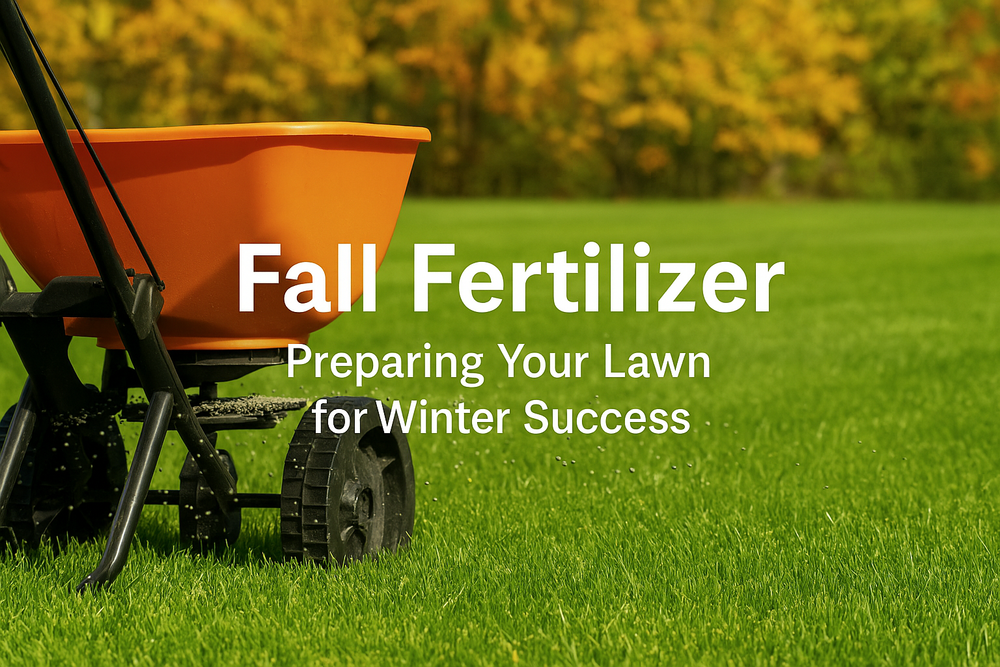
For even fertilizer coverage, use a spreader. There are two main types:
- Broadcast (rotary) spreader: Covers large areas quickly.
- Drop spreader: More precise, good for small lawns.
Read instructions and set correctly for your fertilizer.
Credit: usasod.com
How Fertilizing Fits With Other Lawn Care Steps
Fertilizing is just one part of lawn care. Combine it with:
- Mowing: Regular, proper height
- Aeration: Once a year
- Watering: Deep and infrequent
- Overseeding: Fill in bare spots
These steps work together for a beautiful lawn.
How To Know If You’re Over-fertilizing
Watch for these signs:
- Burned patches
- Sudden, excessive growth
- High water needs
- More weeds than usual
If you see these, cut back on fertilizer and water well.
Diy Fertilizer Recipes
If you prefer natural options, try making your own:
- Compost tea: Soak compost in water, strain, and spray.
- Grass clippings: Leave on lawn after mowing.
- Fish emulsion: Mix with water and spray.
These organic options feed soil and grass gently.
Expert Advice And Local Resources
For specific advice, contact your local extension office or trusted lawn care company. They know your region and can recommend the best schedule and products.
For more details on fertilizer science, see EPA Nutrient Pollution.
Frequently Asked Questions
How Many Times A Year Should I Fertilize My Lawn?
Most lawns need 2–5 feedings per year, depending on grass type and climate. Cool-season lawns do best with 2–4, while warm-season lawns may need up to 5.
Is It Better To Use Slow-release Or Quick-release Fertilizer?
Slow-release fertilizers are easier and safer for beginners. They last longer and reduce risk of burning. Quick-release is faster, but needs more care.
Can I Fertilize During Summer Heat?
Avoid fertilizing during extreme heat. Grass is stressed and may not absorb nutrients well. Wait for cooler days or early morning/evening.
Do Organic Fertilizers Work As Well As Synthetic?
Yes, organic fertilizers work well, but act slower. They improve soil health and are safer for pets and children.
How Can I Tell If My Lawn Needs Fertilizer?
Look for yellowing, thin growth, bare spots, and slow recovery after mowing. Soil tests give the most accurate answer.
A well-planned fertilizing schedule makes your lawn healthy, green, and strong. By knowing your grass type, climate, and using the right products, you can avoid mistakes and enjoy a beautiful yard all year. Remember, smart fertilizing is about balance—not just frequency.
Keep records, adjust as needed, and your lawn will thank you.