
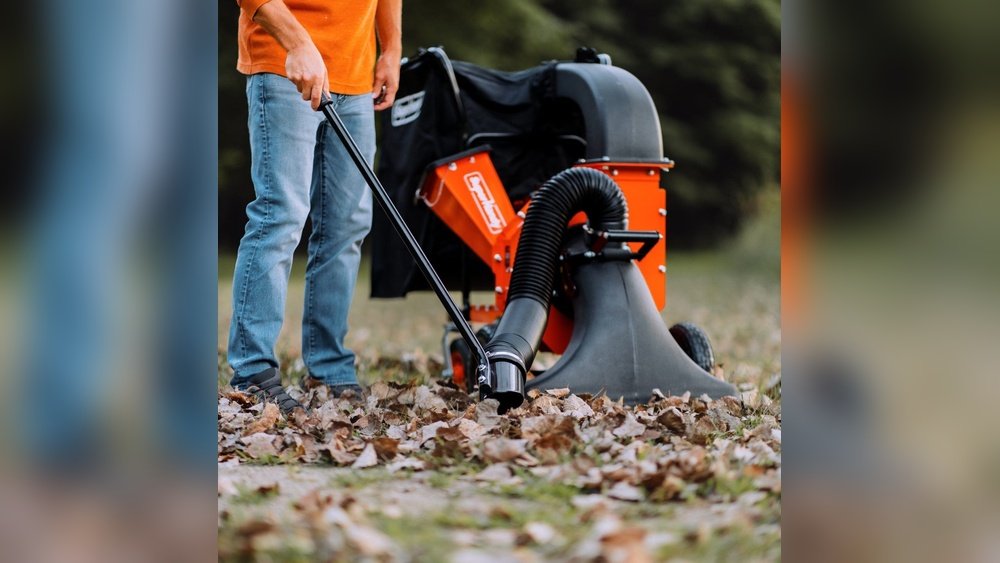
Keeping your yard clean in the fall can feel like a never-ending job. Leaves pile up quickly, and raking them by hand takes hours. But there’s a faster, easier way: using a blower vacuum to both collect and mulch leaves. This method not only saves you time but also turns a messy pile into useful mulch for your garden. Whether you’re new to using a blower or want to get better results, this guide will help you vacuum and mulch leaves efficiently, avoid common mistakes, and understand how to get the most out of your blower’s features.
How Blower Vacuums Work
Blower vacuums are versatile tools. In blower mode, they push leaves into piles. In vacuum mode, they suck leaves up and shred them into smaller pieces. Most modern blowers have an easy switch between modes, so you can change quickly depending on your task.
The mulching feature uses sharp blades or impellers to chop leaves before they enter the collection bag. This reduces the leaf volume, making it easier to handle and creating fine mulch for your yard.
Types Of Blower Vacuums
There are three main types of blower vacuums:
- Corded electric blowers: These plug into an outlet and provide steady power, but the cord limits your range.
- Battery-powered blowers: Cordless and portable, they work well for small yards but need frequent charging.
- Gas-powered blowers: Powerful and suitable for large spaces, but louder and heavier.
Each type has pros and cons depending on your yard size and needs.
| Type | Power Source | Best For | Noise Level | Mobility |
|---|---|---|---|---|
| Corded Electric | Electric Outlet | Small to Medium Yards | Low | Limited by Cord |
| Battery-Powered | Rechargeable Battery | Small Yards | Medium | Portable |
| Gas-Powered | Gasoline | Large Yards | High | Portable |
Mulching Ratio Explained
The mulching ratio shows how much the blower can reduce leaf volume. For example, a 10:1 ratio means it turns ten bags of leaves into one bag of mulch. Most blowers have ratios from 10:1 to 18:1. Higher ratios mean finer mulch and less space needed for storage.
Preparing For Leaf Vacuuming And Mulching
Before you start, preparation makes the job easier and safer. Here’s what you need to do:
Safety First
Always wear eye protection, gloves, and a dust mask. Mulching creates dust and flying debris. If you’re using a gas blower, wear ear protection because these models are loud.
Check Your Equipment
Inspect your blower vacuum for damage, especially the impeller and collection bag. Clear any clogs in the intake or tube. Make sure the battery is charged or the fuel tank is full.
Yard Preparation
Remove stones, sticks, and other large debris. These can damage the mulching blades or clog the vacuum. If leaves are wet, wait for them to dry. Dry leaves mulch better and don’t stick inside the blower.
Plan Your Route
Work in sections. Decide where you’ll start and where you’ll finish. This helps you avoid walking over already cleaned areas and makes leaf collection more efficient.
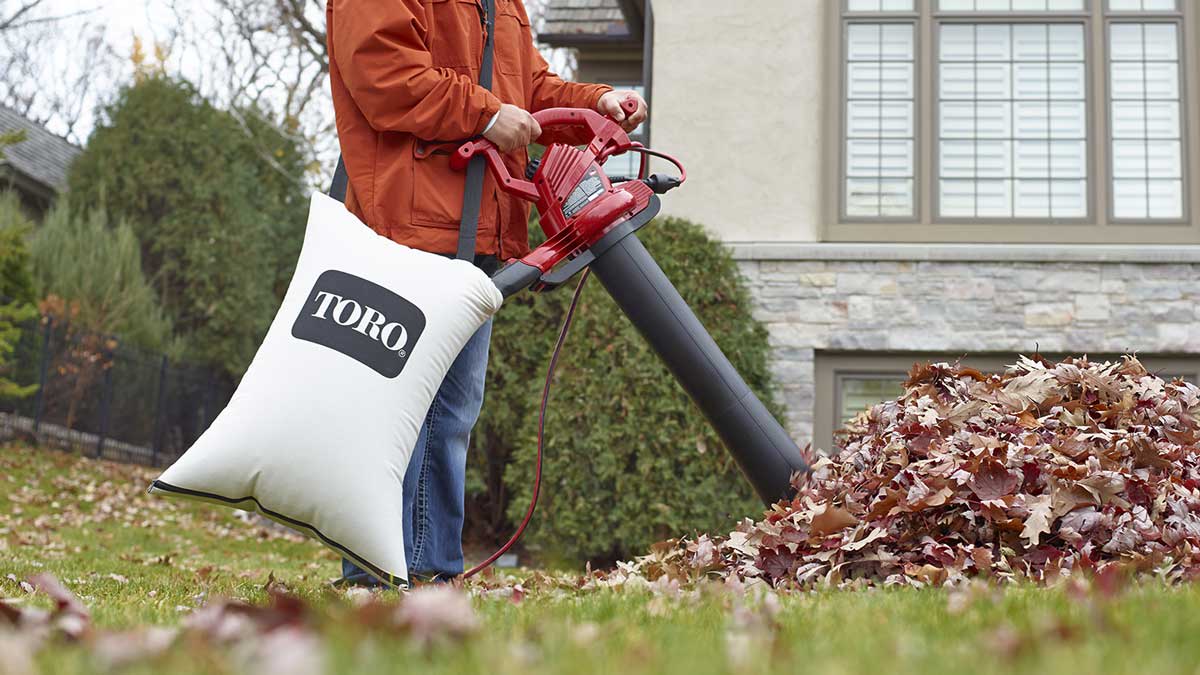
Credit: www.consumerreports.org
Step-by-step: Vacuuming And Mulching Leaves
Here’s how to vacuum and mulch leaves using a blower, broken into clear steps:
1. Set Up Your Blower Vacuum
Choose the correct mode. If you’re gathering leaves first, use the blower mode to push leaves into piles. For mulching, switch to vacuum mode.
Attach the collection bag securely. Check that the mulching blades are clean and sharp.
2. Start With Blower Mode
Use the blower to push leaves into manageable piles. For large areas, move leaves toward a central spot. For smaller yards, work along one edge.
Hold the blower at a slight angle. Sweep slowly, letting the airflow do the work. Don’t rush—moving too fast leaves debris behind.
3. Switch To Vacuum Mode
Once leaves are piled, switch to vacuum. Place the intake tube over the pile and move slowly. Let the vacuum pull in leaves; forcing it can clog the tube.
For thick piles, vacuum in layers. Don’t try to suck up too many leaves at once.
4. Empty The Collection Bag
When the bag is two-thirds full, stop and empty it. Overfilling makes the blower heavy and can reduce suction. Mulched leaves will be smaller and lighter.
Use the mulch in your garden or compost bin. If you don’t need it, dispose of it in yard waste bags.
5. Repeat As Needed
Move to the next section and repeat. Work in small areas for best results. If the blower slows down, check for clogs.
6. Clean Up After Mulching
Wipe down the blower, especially the intake and mulching blades. This prevents buildup and keeps your tool working longer.
Choosing The Right Blower Vacuum
Picking the right blower vacuum depends on your yard size, leaf volume, and preferred features. Here’s what really matters:
Yard Size And Leaf Volume
Large yards need a gas-powered blower with strong suction and a big collection bag. Small yards can use battery-powered or corded models.
If you have lots of trees, look for a blower with a high mulching ratio and durable blades.
Weight And Comfort
Heavier blowers are tiring to use. Look for models with padded handles and adjustable straps. Some have wheels for easier movement.
Mulching Blade Quality
Metal blades last longer and cut leaves finer. Plastic blades are lighter but wear out faster.
Collection Bag Capacity
Bigger bags mean fewer trips to empty. For very large jobs, some blowers have backpack-style bags.
Noise Level
If you have neighbors close by, choose a quieter electric blower.
| Feature | Why It Matters | Typical Options |
|---|---|---|
| Power Source | Impacts mobility and power | Electric, Battery, Gas |
| Mulching Ratio | Volume reduction | 10:1, 16:1, 18:1 |
| Blade Material | Durability and performance | Metal, Plastic |
| Bag Size | Efficiency | 20-50 liters |
| Noise Level | Comfort and neighbor relations | 65-90 decibels |

Credit: shopjoe.com
Practical Tips For Better Results
Many people overlook small tricks that make vacuuming and mulching easier and faster. Here are some useful tips:
Use The Right Speed
Blowers often have adjustable speed. Use higher speed for heavy piles, lower for scattered leaves. High speed can scatter leaves, so adjust as you go.
Keep The Intake Tube Clear
Leaves and debris sometimes clog the tube. Stop and clear it when suction drops. This prevents overheating and damage.
Mulch Only Dry Leaves
Wet leaves stick together and jam the blades. If you must mulch wet leaves, go slowly and clean the blades often.
Watch For Hidden Debris
Rocks, sticks, and acorns can damage the mulching blades. Clear the area before starting.
Layer Large Piles
Don’t try to vacuum thick piles all at once. Mulch in thin layers for best results.
Use Mulch Immediately
Freshly mulched leaves are perfect for garden beds. They keep moisture in and add nutrients to soil.
Storage And Maintenance
Clean the blower after each use. Store it in a dry place. Sharpen or replace blades as needed.
Common Mistakes And How To Avoid Them
Many beginners make mistakes when vacuuming and mulching leaves. Here’s how to avoid them:
Overfilling The Collection Bag
If you fill the bag too much, suction drops and leaves spill out. Empty it when it’s two-thirds full.
Using The Wrong Mode
Switching between blower and vacuum modes incorrectly can cause jams. Always check mode settings before starting.
Ignoring Maintenance
Dirty blades and clogged tubes reduce performance. Clean and inspect your blower after each use.
Mulching Wet Leaves
Wet leaves can clog the blower and damage blades. Wait for dry weather or use a rake for wet leaves.
Skipping Safety Gear
Always wear eye and ear protection. Flying debris and loud noise can cause injuries.
Not Clearing Debris
Rocks and sticks damage blades. Clear your yard before vacuuming.
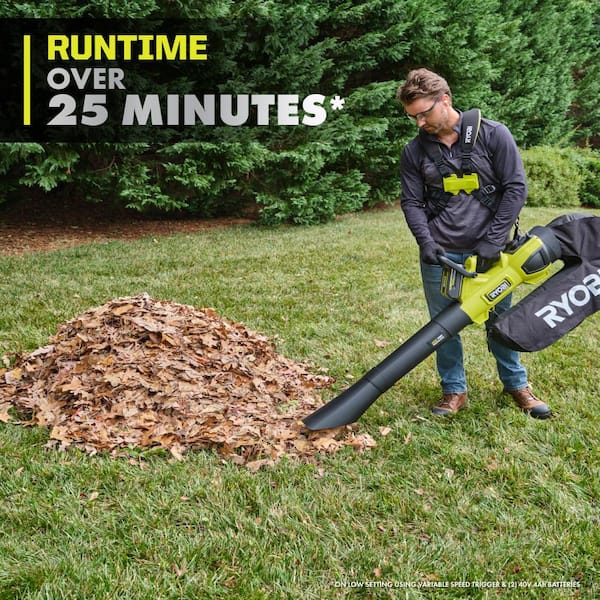
Credit: www.homedepot.com
Mulch Uses And Benefits
Mulched leaves are not just waste—they’re valuable for your garden. Here’s how you can use leaf mulch:
Garden Beds
Spread mulch around plants to keep soil moist and block weeds.
Composting
Add mulched leaves to your compost pile. They break down quickly and add nutrients.
Lawn Fertilizer
Mulched leaves can be spread over your lawn to feed grass and improve soil.
Protecting Roots
Use mulch around trees and shrubs to protect roots from cold weather.
Saving Money
Using leaf mulch reduces the need for store-bought fertilizer and mulch.
Environmental Benefits
Mulching leaves instead of bagging reduces landfill waste and supports healthy soil.
Comparing Blower Vacuum Models
Choosing the right model can be confusing. Here’s a comparison of some popular blower vacuums:
| Model | Power | Mulching Ratio | Weight | Bag Capacity | Noise Level |
|---|---|---|---|---|---|
| Black+Decker BV6600 | 12 Amp Electric | 16:1 | 8.1 lbs | 40 liters | 68 dB |
| Worx WG509 | Electric | 18:1 | 9.3 lbs | 50 liters | 70 dB |
| Toro UltraPlus | 12 Amp Electric | 10:1 | 8.9 lbs | 45 liters | 67 dB |
| Ryobi RY40440 | Battery | 16:1 | 10 lbs | 40 liters | 75 dB |
| Echo ES-250 | Gas | 12:1 | 11.5 lbs | 45 liters | 92 dB |
Maintenance For Blower Vacuums
Proper maintenance keeps your blower vacuum working well for years. Here’s what you should do:
After Each Use
- Empty and clean the collection bag. Shake out any leftover mulch and dust.
- Inspect and clean blades. Remove stuck leaves and dirt.
- Check intake tube. Clear any clogs or debris.
Monthly Maintenance
- Lubricate moving parts. Follow the manufacturer’s instructions.
- Sharpen blades if needed. Dull blades reduce mulching efficiency.
- Inspect power cords for damage (for electric models).
Seasonal Maintenance
- Store in a dry place. Moisture can cause rust and damage.
- Check battery health. For cordless models, store batteries fully charged.
- Inspect for wear. Replace worn parts before the next season.
Troubleshooting Tips
If your blower loses suction:
- Check for clogs in the intake tube.
- Inspect the collection bag for holes or tears.
- Clean blades and impeller.
If the blower won’t start:
- For electric models, check the outlet and cord.
- For battery models, recharge or replace the battery.
- For gas models, check fuel, spark plug, and air filter.
Mulching Leaves Vs. Bagging: Which Is Better?
Many homeowners wonder if mulching or bagging leaves is best. Here’s a quick comparison:
| Method | Pros | Cons |
|---|---|---|
| Mulching | Reduces waste, adds nutrients to soil, saves money | Requires blower vacuum, can be messy |
| Bagging | Easy removal, cleaner yard | Creates landfill waste, no soil benefits |
Mulching is better for the environment and your garden. Bagging is best if your city requires leaf collection or you don’t want mulch.
Non-obvious Insights For Beginners
1. Choose The Right Time Of Day
Mulching leaves in the late morning or early afternoon works best. Dew dries off, and leaves are less likely to stick together. Avoid working just after rain or in early morning when leaves are wet.
2. Check Local Regulations
Some cities have rules about leaf disposal or noise limits for blowers. Always check before starting. You may need to bag some mulch or only use the blower at certain times.
3. Use Mulched Leaves For Worms
Mulched leaves are excellent for worm bins. They break down fast and provide food for worms, improving your compost.
4. Combine With Grass Clippings
Mix mulched leaves with grass clippings for better compost. This speeds up decomposition and gives you richer soil.
Real-world Example
Let’s look at an example. Mike has a medium-sized yard with three big oak trees. Every fall, he faces piles of leaves. Instead of raking, he uses a battery-powered blower vacuum.
He starts by blowing leaves into piles, then vacuums them up. The blower mulches the leaves into fine pieces. Mike spreads the mulch around his flower beds and adds some to his compost bin. By following these steps, he finishes the job in two hours instead of all weekend.
His garden benefits from the mulch, and he saves money on buying soil amendments.
Environmental Impact
Using a blower vacuum for leaf mulching is more eco-friendly than bagging and sending leaves to the landfill. Leaves decompose naturally and return nutrients to the soil. Mulching reduces yard waste and supports sustainable gardening.
According to the EPA, yard trimmings like leaves made up about 10.5% of total municipal solid waste in 2018. By mulching, you help reduce this waste and support a healthier environment (EPA Data).
Frequently Asked Questions
How Do I Prevent My Blower Vacuum From Clogging?
To avoid clogs, always mulch dry leaves and clear sticks and stones from your yard first. Clean the intake tube regularly and empty the collection bag before it gets too full.
Can I Use Mulched Leaves As Compost?
Yes, mulched leaves break down quickly and add carbon to your compost pile. Mix them with green waste like grass for faster decomposition.
Are Blower Vacuums Safe For Children And Pets?
Blower vacuums are safe when used with care. Keep children and pets away while operating the blower. Always wear safety gear and follow manufacturer instructions.
How Often Should I Clean My Blower Vacuum?
Clean your blower vacuum after each use. Wipe down the intake tube, empty the bag, and check blades for stuck leaves. Monthly and seasonal maintenance keeps it working well.
What Is The Best Way To Store Mulched Leaves?
Store mulched leaves in a dry, covered area. Use them in garden beds, compost bins, or as lawn fertilizer. Avoid leaving mulch in wet piles—it can attract pests and mold.
Cleaning up leaves doesn’t have to be hard. By vacuuming and mulching with a blower, you save time, create useful mulch, and help your garden thrive. With the right equipment, careful preparation, and smart techniques, you’ll turn fall leaf cleanup into a simple, productive task.
Remember the tips in this guide, avoid common mistakes, and enjoy a healthier, greener yard all season.