
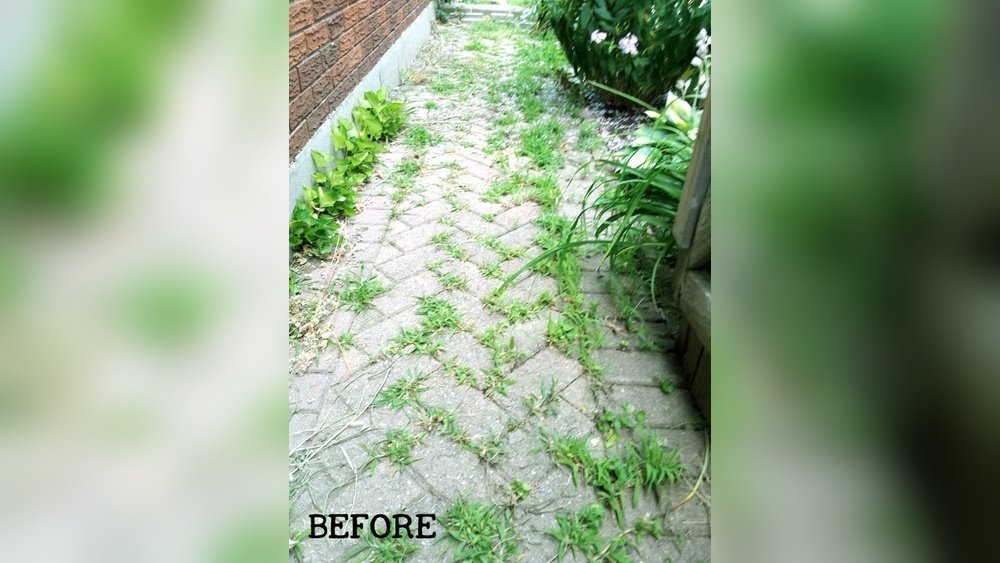
Every homeowner with a patio knows the challenge: weeds pushing up between paver joints, turning a beautiful space into a messy, green patchwork. These weeds don’t just ruin the look—they can damage the patio over time. Learning how to remove weeds between patio pavers is not only about aesthetics, but also about protecting your outdoor investment. In this guide, you’ll find step-by-step instructions, practical tips, and expert advice to tackle weeds efficiently. Whether you want an easy fix or a long-term solution, this article will help you reclaim your patio and keep it clean.
Why Weeds Grow Between Patio Pavers
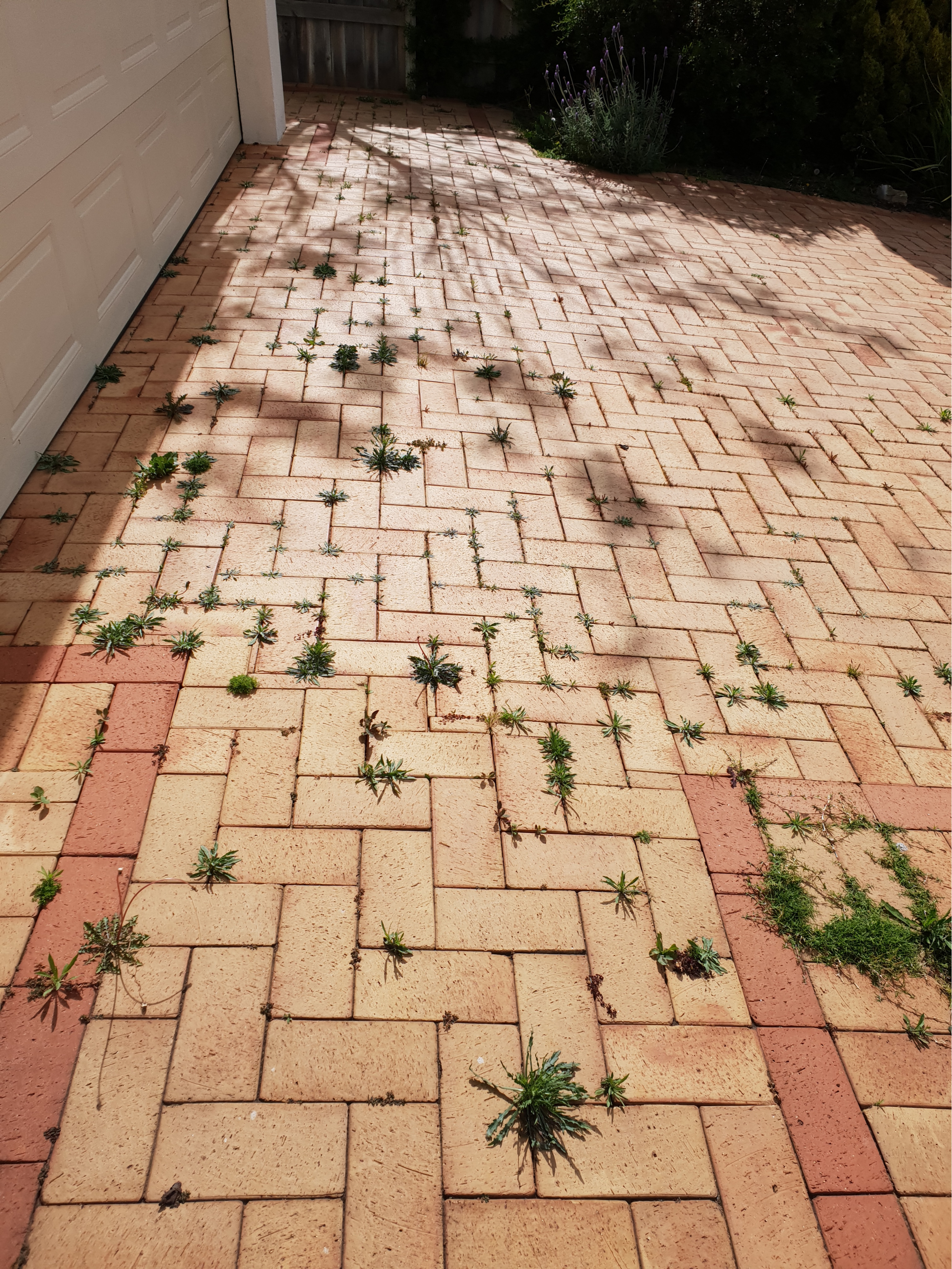
Patio pavers are often set with small gaps. These gaps let in sunlight, water, and soil, creating the perfect spot for weeds to grow. Even the most carefully installed patios can have weeds because:
- Wind blows seeds into the cracks.
- Birds drop seeds while feeding.
- Rain washes soil and organic matter into joints.
- Moisture collects in shaded areas.
Some common weeds found between patio pavers include dandelions, crabgrass, chickweed, and moss. Each has unique growth habits, but all thrive in the spaces between pavers. Once established, their roots can push pavers apart, making the patio uneven.
Identifying Types Of Weeds And Growth Patterns
Not all weeds are equal. Understanding which weeds you have helps you choose the best removal method. Here are the most frequent types:
| Weed Type | Appearance | Growth Pattern | Difficulty to Remove |
|---|---|---|---|
| Dandelion | Bright yellow flowers, jagged leaves | Deep taproot | High |
| Crabgrass | Low, spreading grass | Shallow roots, spreads fast | Medium |
| Chickweed | Small leaves, tiny white flowers | Spreads by seed and stem | Low |
| Moss | Green, spongy patches | Likes damp, shaded spots | Low |
Knowing the weed type matters. For example, dandelions are tough because of their deep roots, while moss is easier to brush away but returns quickly in shade.
The Dangers Of Letting Weeds Grow
Weeds may look harmless at first, but ignoring them can lead to bigger problems:
- Damage to pavers: Roots push pavers apart, causing uneven surfaces.
- Slippery surfaces: Moss and weeds can make the patio slick and unsafe.
- Attracting pests: Weeds provide hiding spots for insects and rodents.
- Higher repair costs: If weeds break up the pavers, repairs are expensive.
A 2021 survey found that patios with unchecked weeds needed 30% more maintenance than weed-free patios. Not dealing with weeds early makes future cleanup much harder.
Manual Removal Methods
Manual removal is the most basic and direct way to get rid of weeds. It’s best for small patios or light weed growth. Here’s how to do it:
Using Hand Tools
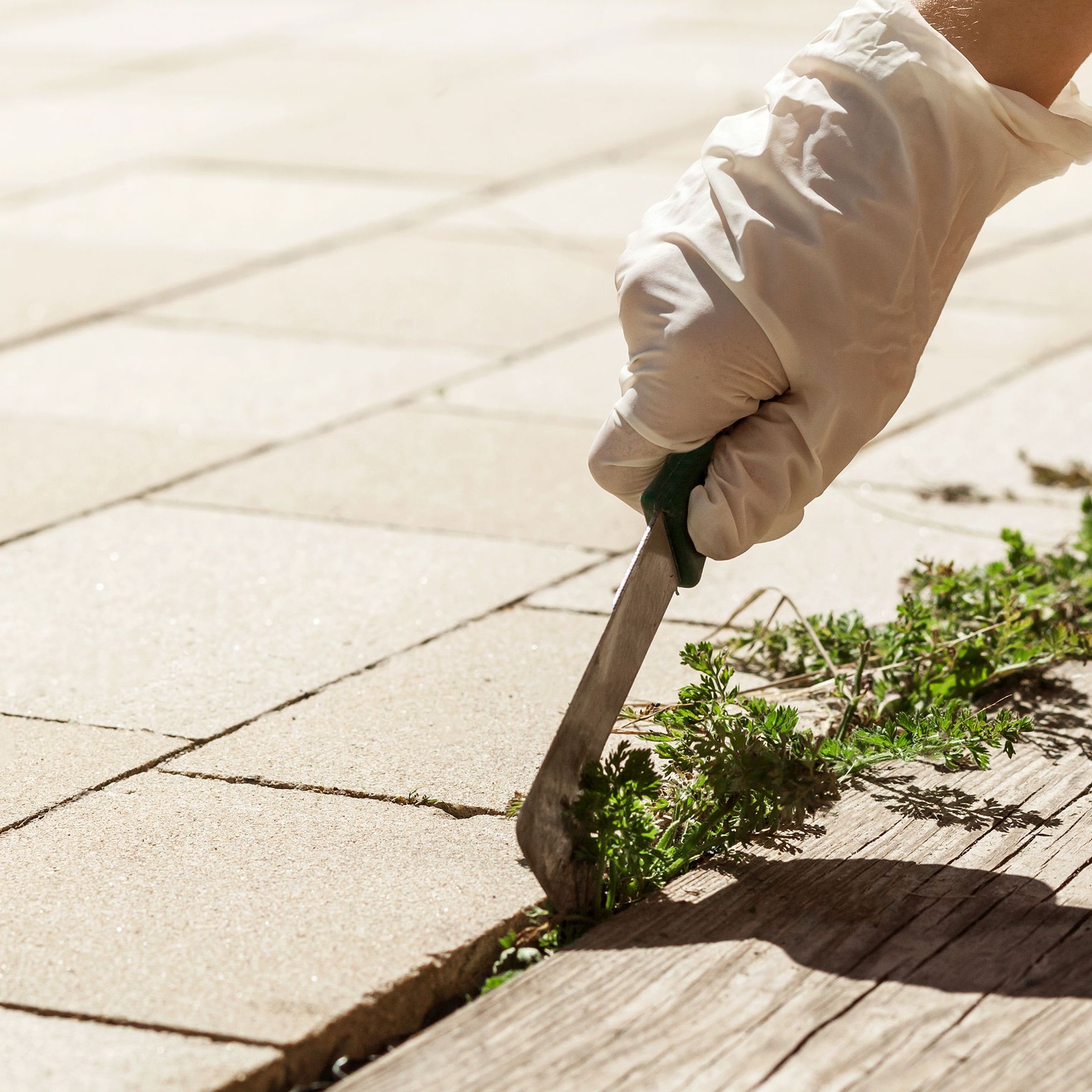
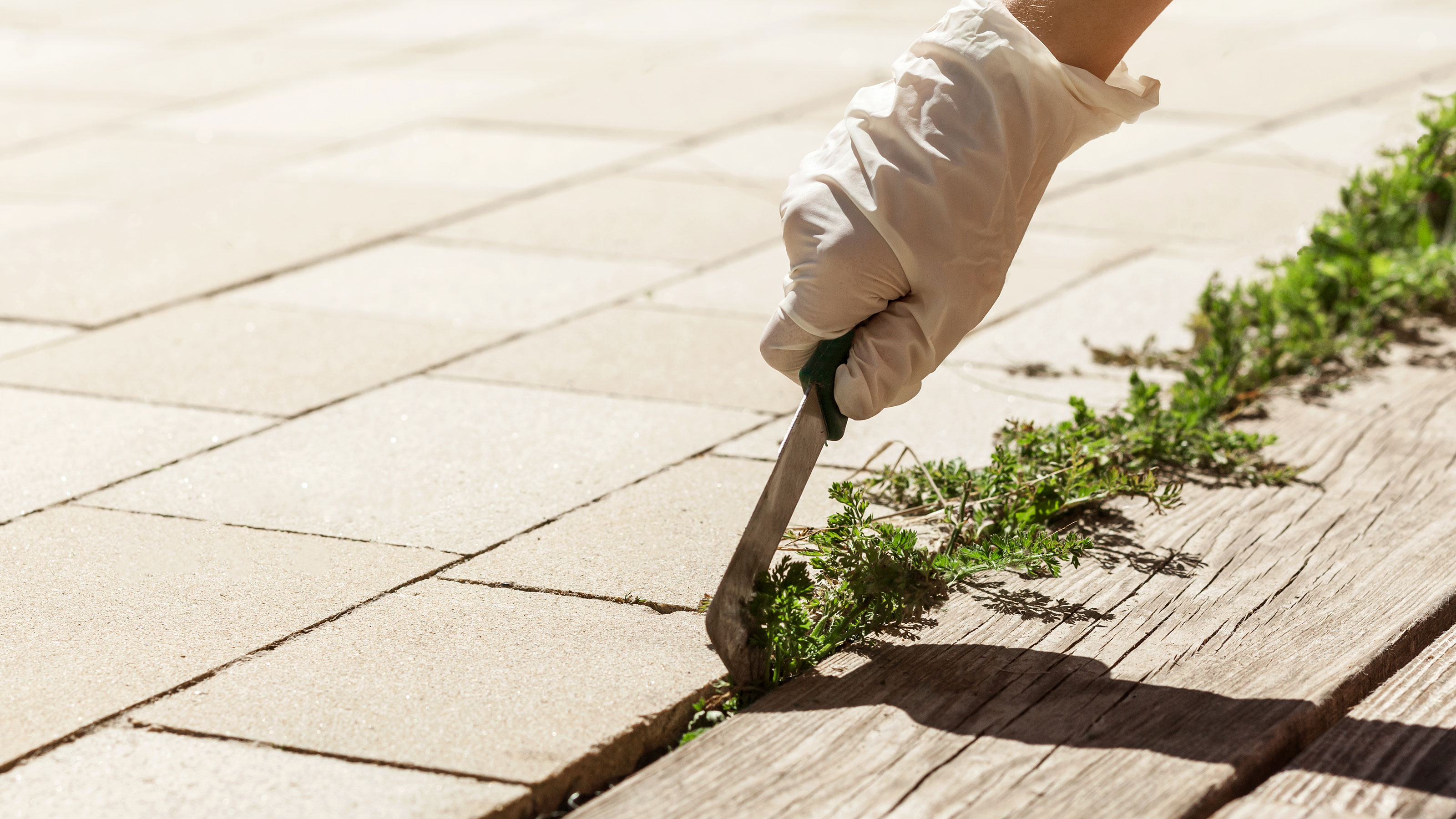
Simple tools like a weeding knife, flat screwdriver, or garden trowel can help:
- Insert the tool into the crack next to the weed.
- Loosen the soil and roots.
- Pull the weed out, trying to remove as much root as possible.
- Sweep up loose debris.
Tip: Work after rain or watering; moist soil makes pulling easier.
Pulling By Hand
If weeds are small, you can pull them by hand:
- Grip the base of the weed close to the paver.
- Pull slowly to avoid snapping the root.
Non-obvious insight: Always remove weeds as soon as you see them. Young weeds are easier to pull and haven’t spread seeds yet.
Pros And Cons Of Manual Removal
| Method | Pros | Cons |
|---|---|---|
| Hand Tools | Precise, no chemicals, good for deep roots | Labor-intensive, slow for large patios |
| Hand Pulling | Quick for small weeds, no equipment needed | May miss roots, weeds can regrow |
Manual methods are eco-friendly and safe, but can be tiring for large patios or thick weed patches.
Credit: www.gardeningetc.com
Chemical Weed Control
Chemical solutions are faster but come with risks. Here’s what you need to know:
Types Of Chemical Weed Killers
- Glyphosate-based: Kills most weeds, strong but can harm other plants.
- Selective herbicides: Target specific weeds, safer for lawns nearby.
- Organic sprays: Vinegar or salt-based, less effective but safer for pets and people.
How To Apply Chemical Weed Killers
- Read and follow label instructions.
- Choose a dry, windless day to prevent drift.
- Spray directly onto the weed, aiming for leaves and roots.
- Wait for 2–7 days; most weeds die off.
- Sweep away dead debris.
Data: Glyphosate kills over 95% of broadleaf weeds within a week, but can linger in soil for up to 30 days.
Safety Precautions
- Wear gloves and eye protection.
- Keep children and pets away until dry.
- Avoid overuse; chemicals can seep into soil and harm surrounding plants.
Common Mistakes To Avoid
- Spraying too much: Can damage patio surfaces or nearby flowers.
- Using in rain: Dilutes effectiveness.
- Ignoring safety gear: Risk of skin or eye irritation.
Non-obvious insight: Many people spray chemicals without reading labels. Some weed killers need dry weather, while others require watering after application. Always check instructions.
Natural And Eco-friendly Weed Removal
If you prefer not to use chemicals, there are safe alternatives. These methods are better for kids, pets, and the environment.
Boiling Water
Pouring boiling water directly onto weeds kills them instantly. The heat destroys roots and leaves. It’s cheap and easy:
- Boil a kettle of water.
- Pour slowly onto each weed, avoiding nearby plants.
- Repeat as needed.
Tip: Use caution to avoid burns and damage to pavers.
Vinegar Solution
A mix of white vinegar and water can kill weeds. For tougher weeds, use undiluted vinegar.
- Mix 1 part vinegar to 1 part water (or use pure vinegar).
- Spray directly onto weeds.
- Results appear in 24–48 hours.
Note: Vinegar works best on sunny days and may not kill deep roots.
Salt
Sprinkling salt in cracks dries out weeds. However, salt can harm soil and prevent anything from growing.
- Use sparingly, only on patios you don’t plan to plant near.
- Sweep excess salt away after weeds die.
Baking Soda
Baking soda is mild but effective for light weed growth.
- Sprinkle baking soda into cracks.
- Water lightly to activate.
Flame Weeder
A flame weeder uses a propane torch to burn weeds. It’s fast but requires care:
- Hold the torch over the weed for a few seconds.
- Avoid burning plastic or nearby plants.
Warning: Never use flame weeders near dry leaves, mulch, or wooden decks.
Comparing Natural Methods
| Method | Effectiveness | Safety | Cost |
|---|---|---|---|
| Boiling Water | High | Safe, but hot | Low |
| Vinegar | Medium | Safe, can harm nearby plants | Low |
| Salt | Medium | Can harm soil | Low |
| Baking Soda | Low | Safe | Low |
| Flame Weeder | High | Risk of fire | Medium |
Non-obvious insight: Many natural methods need repeated applications. For example, vinegar works best when weeds are young, but older weeds may need two or three treatments.
Power Tools For Weed Removal
For large patios or persistent weeds, power tools can save time and effort.
Pressure Washer
A pressure washer can blast weeds, dirt, and moss from between pavers.
- Use a narrow nozzle for precision.
- Hold the wand at a shallow angle to avoid damaging pavers.
- Sweep debris away after cleaning.
Data: Pressure washers remove up to 80% of weeds and moss in a single session.
Tip: Don’t use high pressure on old or loose pavers—this can shift them.
Electric Weed Brush
This tool has rotating bristles designed for patio cracks.
- Move slowly along each joint.
- The brush pulls weeds out and cleans dirt.
Pros: Quick, efficient, and less tiring than manual pulling.
Cons: Can wear down paver edges if used too often.
Comparing Power Tools
| Tool | Effectiveness | Speed | Risk |
|---|---|---|---|
| Pressure Washer | High | Fast | Can loosen pavers |
| Electric Weed Brush | Medium | Medium | Can damage edges |
Non-obvious insight: After using a pressure washer, refill joints with sand to keep pavers stable. Many beginners forget this step, leading to loose or shifting pavers.
Preventing Weeds: Long-term Solutions
Removing weeds is just the start. Preventing them is the key to a clean patio.
Polymeric Sand
Polymeric sand is a special product for filling paver joints. It hardens with water, blocking weeds and insects.
- Sweep sand into joints.
- Mist with water to set.
- Let dry for 24 hours.
Data: Polymeric sand reduces weed growth by up to 90% compared to regular sand.
Regular Maintenance
- Sweep weekly: Removes seeds before they germinate.
- Inspect for gaps: Refill joints as needed.
- Clean debris: Leaves and soil encourage weeds.
Landscape Fabric
Some patios use landscape fabric under pavers to block weeds. This is best for new patios, not for existing ones.
- Lay fabric before installing pavers.
- Overlap edges to cover all soil.
Tip: If you’re relaying pavers, consider adding fabric underneath.
Sealant Application
Sealing pavers with a waterproof sealant keeps moisture out, making it harder for weeds to grow.
- Clean pavers thoroughly.
- Apply sealant with a roller or sprayer.
- Let cure as directed.
Non-obvious insight: Sealing pavers also prevents stains and moss, making future cleaning easier.
Mistakes To Avoid When Removing Weeds
Even experienced homeowners make errors. Avoid these common mistakes:
- Using too much pressure: High-pressure washing can shift pavers or erode joints.
- Ignoring root removal: Pulling just the leaves lets weeds regrow.
- Skipping sand refill: After cleaning, always refill joints to stabilize pavers.
- Applying chemicals in rain: Rain washes chemicals away, wasting time and money.
- Letting debris pile up: Leaves and soil in joints are breeding grounds for weeds.
Tip: Always sweep after any removal method to keep cracks clear.
Step-by-step: Removing Weeds From Patio Pavers
Here’s a practical, step-by-step approach for homeowners:
- Assess the weeds: Identify weed types and growth patterns.
- Choose your method: Decide between manual, chemical, natural, or power tools.
- Prepare the area: Sweep debris, wet soil if needed.
- Remove weeds: Use your chosen technique, focusing on removing roots.
- Clean up: Sweep away dead weeds and soil.
- Refill joints: Add sand or polymeric sand to stabilize pavers.
- Optional: Apply sealant: Protect joints and block future growth.
- Maintain regularly: Sweep, inspect, and clean every week.
Example: Homeowner “Lisa” used boiling water for small weeds, followed by polymeric sand. Her patio stayed weed-free for two seasons, saving hours of cleanup.
Credit: www.installitdirect.com
Professional Weed Removal Services
Sometimes, patios are too large or weeds too stubborn for DIY methods. Professional services offer fast, reliable results:
- They use commercial-grade tools and chemicals.
- Can relay loose pavers or repair damage.
- Offer maintenance packages for ongoing care.
Cost: Average prices range from $1–$3 per square foot depending on weed severity.
Tip: Always ask for eco-friendly options and check reviews before hiring.
Comparing Diy Vs Professional Weed Removal
| Factor | DIY Removal | Professional Service |
|---|---|---|
| Cost | Low (tools and supplies) | Higher (labor and equipment) |
| Speed | Depends on patio size | Fast, usually 1 day |
| Effectiveness | Good for small patios | Best for large or severe cases |
| Eco-Friendly | Depends on method | Ask for green options |
| Long-Term Results | Requires regular maintenance | Often includes prevention |
Non-obvious insight: Many people think professional services are too expensive, but for patios over 500 square feet, hiring help can actually save money by preventing costly repairs.
Seasonal Tips For Patio Weed Control
Patios need different care in each season. Here are practical tips:
Spring
- Inspect for new weeds after thaw.
- Apply polymeric sand if needed.
- Start regular sweeping.
Summer
- Remove weeds before they seed.
- Use vinegar or boiling water for quick fixes.
- Watch for moss in shaded areas.
Fall
- Clear leaves and debris weekly.
- Refill any joints before winter.
- Seal pavers to block moisture.
Winter
- Avoid salt for ice—can damage pavers and soil.
- Inspect for cracks after snow melts.
Tip: Consistency is key. A few minutes each week prevents hours of work later.
Tools And Products For Effective Weed Removal
Having the right tools makes weed removal easier and safer. Here’s what to keep handy:
- Weeding knife: For precision in tight cracks.
- Hand trowel: For digging deep roots.
- Pressure washer: For cleaning large areas.
- Electric weed brush: For quick removal.
- Spray bottle: For vinegar or other solutions.
- Polymeric sand: For refilling joints.
Example: A homeowner with a 300-square-foot patio spent $60 on tools and products, saving over $200 in potential repairs.
Credit: www.gardeningetc.com
Advanced Prevention: Smart Landscaping
Smart landscaping reduces weed growth around patios:
- Plant ground cover near patios to block weed seeds.
- Use mulch in flower beds to prevent seed spread.
- Install edging to keep grass and weeds out.
- Trim overhanging branches to reduce shade and moss.
Non-obvious insight: Ground cover plants like creeping thyme or sedum don’t just look good—they also compete with weeds, making patio maintenance easier.
Environmental Impact Of Weed Control
Chemicals and salt can harm soil, water, and wildlife. Whenever possible, choose natural methods or products marked “eco-friendly.” For more information, see the EPA’s guidance on safe weed control at EPA Official Site.
Tip: Always dispose of dead weeds and chemical containers properly.
Frequently Asked Questions
How Often Should I Remove Weeds From My Patio?
You should remove weeds as soon as you see them. For most patios, weekly sweeping and monthly checks are enough to keep weeds under control. Early removal prevents seeds from spreading.
Can I Use Bleach To Kill Weeds Between Pavers?
Bleach can kill weeds, but it is not recommended. It can damage pavers, harm soil, and is unsafe for pets and children. Vinegar or boiling water are safer alternatives.
What Is The Best Method For Patios With Pets And Kids?
Use natural methods like boiling water, baking soda, or vinegar. Avoid chemicals and salt, as these can be harmful if ingested or touched by pets and children.
Will Polymeric Sand Block All Weeds?
Polymeric sand blocks most weeds, but small gaps or improper application can let some weeds through. Make sure to fill all joints completely and mist with water as directed.
Is Moss Considered A Weed Between Pavers?
Yes, moss is a type of weed for patios. It grows in damp, shaded cracks and can make surfaces slippery. Remove moss with a brush or pressure washer, then improve sunlight and drainage to prevent it from returning.
Cleaning weeds from patio pavers is an ongoing task, but with the right tools, methods, and knowledge, you can keep your outdoor space beautiful and safe. Start with removal, follow up with prevention, and enjoy a weed-free patio all year.