
Spring brings new life to your garden, but it also means it’s time to wake up your lawn mower after months of rest. Many people just add fuel and start mowing, but skipping a proper spring tune up can lead to poor performance, higher fuel use, and costly repairs later. Tuning up your mower each spring makes cutting your grass easier, extends your mower’s life, and helps your lawn look its best. Even if you’re not a mechanic, you can do most tune up tasks with simple tools and a bit of care. This guide will walk you through every step, share tips that most beginners miss, and help you avoid common mistakes.
Why Tune Up Your Lawn Mower In Spring?
A mower is like any machine—it needs regular care. Dirt, old oil, and worn parts can make it struggle or even break down. After winter storage, your mower may have stale fuel, dirty filters, or a dull blade. Tuning up in spring means:
- Easier starts: Fresh spark plugs and clean filters help the engine fire up quickly.
- Better cuts: A sharp blade slices grass cleanly, keeping your lawn healthier.
- Lower costs: Preventing problems is cheaper than fixing them.
Most people don’t realize that small engine problems often start with skipped tune ups. For example, a dirty air filter can make the mower burn extra fuel and run rough. Over time, this damages the engine.
Gather What You Need
Before you start, collect all the tools and parts. This saves time and avoids frustration.
Tools:
- Socket set or wrench
- Flat and Phillips screwdrivers
- Spark plug wrench
- Oil drain pan
- Rags or paper towels
- Blade sharpening tool (file, bench grinder, or sharpening stone)
- Safety gloves and glasses
Parts and Supplies:
- New spark plug (check your model)
- Air filter (paper or foam, model-specific)
- Engine oil (SAE 30 or as recommended)
- Fresh gasoline
- Oil filter (if your mower has one)
- Fuel filter (optional)
- Blade balancing tool (optional)
Many beginners forget to check their mower’s manual for specific part numbers and oil types. Always double-check before buying supplies. If you don’t have a manual, you can usually find one online on the manufacturer’s website.
Step 1: Safety First
Never skip safety. Make sure the mower is on a flat surface and the engine is cool. Disconnect the spark plug wire to prevent accidental starting. Wear gloves to protect your hands, especially when handling the blade.
Step 2: Clean The Mower
Grass clippings, mud, and debris can clog your mower and damage parts. Before you touch anything else, remove dirt from the deck, wheels, and undercarriage.
- Use a stiff brush to clear away dry grass.
- For stubborn buildup, use a putty knife or scraper.
- Wipe all surfaces with a damp cloth.
If your mower has a washout port, you can connect a garden hose and rinse the deck. Let everything dry before moving to the next step. Many people skip cleaning, which makes later steps harder and less effective.
Step 3: Change The Engine Oil
Engine oil loses its protective qualities over time, so fresh oil is essential for smooth running.
- Place an oil pan under the mower.
- Remove the oil fill cap or dipstick.
- If your mower has a drain plug, unscrew it and let the oil drain out. If not, tilt the mower (air filter and carburetor facing up) and pour out the oil.
- Replace the plug and wipe up any spills.
- Refill with the correct amount and type of oil. Check the dipstick to avoid overfilling.
Tip: Used oil is hazardous. Take it to a recycling center—never pour it down the drain.
Oil Capacity And Type Comparison
Here’s a quick look at common mower oil types:
| Mower Type | Oil Type | Typical Capacity |
|---|---|---|
| Push Mower (Gas) | SAE 30 | 15-20 oz (0.44–0.59 L) |
| Riding Mower | 10W-30 or SAE 30 | 48-64 oz (1.4–1.9 L) |
| Electric Mower | None | — |
Check your manual for your specific mower.
Step 4: Replace Or Clean The Air Filter
The air filter protects your engine from dust and debris. A clogged filter reduces airflow, causing poor performance or even engine damage.
- Remove the filter cover (usually a snap or screw).
- Take out the filter. If it’s paper, replace it. If it’s foam, wash with soapy water, rinse, and let dry. Add a few drops of oil to foam filters before reinstalling.
- Put in the clean or new filter and close the cover.
Most people don’t realize how much a dirty filter affects fuel efficiency. It’s a cheap fix that saves money and headaches.
Step 5: Replace The Spark Plug
A fresh spark plug ensures reliable starting and smooth running. Old plugs may look okay but can misfire under load.
- Use a spark plug wrench to remove the old plug.
- Check the gap on the new plug (your manual will give the correct measurement).
- Install the new plug, tightening it firmly but not too hard.
- Reconnect the spark plug wire only when you’re ready to start the mower.
Non-obvious insight: Many mowers run rough after a tune up because the spark plug isn’t seated tightly, causing weak spark.
Step 6: Sharpen And Balance The Blade
A sharp blade cuts grass cleanly. A dull blade tears the grass, leaving brown tips and making your lawn look unhealthy.
- Remove the blade by loosening the bolt (wear gloves).
- Clamp the blade in a vise.
- Use a file, sharpening stone, or grinder to sharpen the cutting edges. Follow the original angle.
- Check blade balance by hanging it on a nail or using a blade balancer. If one side dips, file off a bit more.
- Reinstall the blade, tightening the bolt securely.
Tip: Never use a damaged blade. Replace it if it’s bent or has deep nicks.
Blade Life Expectancy
Here’s a quick comparison of average blade life based on mower type and usage:
| Mower Usage | Blade Replacement Interval |
|---|---|
| Home (small yard) | Every 2-3 years |
| Home (large yard) | Once per year |
| Professional/Landscaper | Every 3-6 months |
If you hit rocks or sticks, check the blade more often.
Step 7: Change Or Clean The Fuel Filter
Some mowers have a fuel filter between the tank and carburetor. If yours does, check the manual for location.
- Clamp the fuel line to stop flow.
- Remove the filter and replace it (or clean, if reusable).
- Reattach the line and remove the clamp.
Non-obvious insight: Many people overlook the fuel filter, which can cause stalling or hard starting, especially after winter.
Step 8: Check And Fill The Tires
For riding mowers, tire pressure affects cutting height and evenness. Use a tire gauge and inflate to the pressure shown on the sidewall.
| Tire Type | Recommended Pressure (psi) |
|---|---|
| Front (riding mower) | 12–16 psi |
| Rear (riding mower) | 8–12 psi |
| Push mower | Solid wheels (no air) |
Uneven tires can make your mower cut crookedly.

Credit: www.tennesseetractor.com
Step 9: Tighten Bolts And Cables
Vibration from mowing can loosen bolts, nuts, and cables. Carefully check:
- Blade bolts
- Handle fasteners
- Wheel nuts
- Throttle and drive cables
Tighten as needed. A loose handle or cable can cause breakdowns or accidents.
Step 10: Lubricate Moving Parts
Lubrication prevents rust and keeps everything working smoothly. Use light oil or spray lubricant on:
- Wheel axles
- Throttle linkage
- Height adjusters
- Control cables
Wipe off excess oil to avoid attracting dirt.

Credit: wildwoodsmallenginerepair.com
Step 11: Add Fresh Fuel
Old gasoline causes hard starting and rough running. Drain any leftover fuel from last season, then add fresh fuel. For best results, use fuel with less than 10% ethanol, and consider adding a fuel stabilizer to keep gas fresh longer.
Practical tip: Don’t fill the tank to the top. Leave some space for fuel expansion, especially in warm weather.
Step 12: Final Checks And First Start
Reconnect the spark plug wire. Set the mower on a flat, clear area. Start the engine and let it run for a few minutes.
- Check for leaks under the mower.
- Listen for smooth running—no sputtering or knocking.
- Test all controls (throttle, drive, blade).
If anything seems off, stop and double-check your work. It’s better to fix small issues now than to risk damage later.
When To Call A Professional
Some jobs are best left to a pro, especially if you find:
- Engine won’t start after all steps
- Blue or black smoke from exhaust
- Oil leaks
- Broken or damaged cables
- Transmission problems (for self-propelled mowers)
Routine tune ups are DIY-friendly, but don’t force repairs you’re unsure about.
Common Mistakes To Avoid
- Skipping the spark plug: This tiny part makes a big difference.
- Overfilling oil: Too much oil can damage the engine.
- Sharpening the blade unevenly: This causes vibration and uneven cuts.
- Using old fuel: Fresh gas is a must after winter.
- Forgetting safety: Always disconnect the spark plug before working.
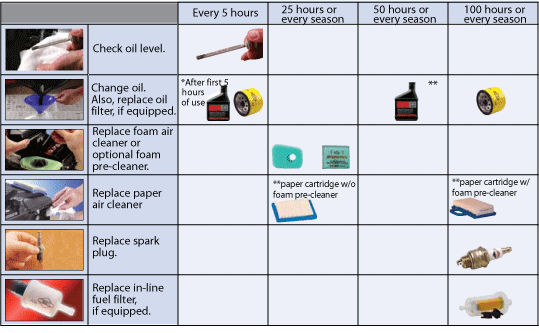
Credit: www.briggsandstratton.com
How Often Should You Tune Up?
A full tune up in spring is ideal, but you should also:
- Check oil and air filter every 25 hours of use.
- Sharpen the blade mid-season if you mow often.
- Replace the spark plug and air filter once a year.
Eco-friendly Tips
- Recycle used oil, filters, and spark plugs.
- Compost grass clippings or use as mulch.
- Consider battery-powered mowers for small lawns.
Resources For More Help
For more mower maintenance tips, the Outdoor Power Equipment Institute offers detailed guides and safety advice. Visit OPEI.org.
Frequently Asked Questions
How Long Does A Spring Tune Up Take?
Most tune ups take 1–2 hours, depending on your mower and your experience. The first time might take longer, but it gets faster with practice.
Can I Use Car Oil In My Lawn Mower?
Car oil and mower oil are not always the same. Most small engines use SAE 30 or 10W-30, but always check your manual. Using the wrong oil can damage your engine.
What If My Mower Still Won’t Start After A Tune Up?
Check for fuel, spark, and air. Make sure the spark plug wire is connected, the air filter is clean, and the fuel is fresh. If it still won’t start, it may need professional repair.
Do Electric Mowers Need Tune Ups?
Electric mowers need less maintenance. Clean the deck, check the blade, and inspect cords or batteries. No oil or spark plug changes are needed.
How Often Should I Sharpen The Blade?
For most homes, sharpening once or twice a year is enough. If you mow often or hit a lot of sticks or rocks, check and sharpen more often.
A proper spring tune up keeps your lawn mower running strong all season. With a few basic tools and a careful approach, you’ll save money and enjoy a healthier, greener lawn. Happy mowing!