
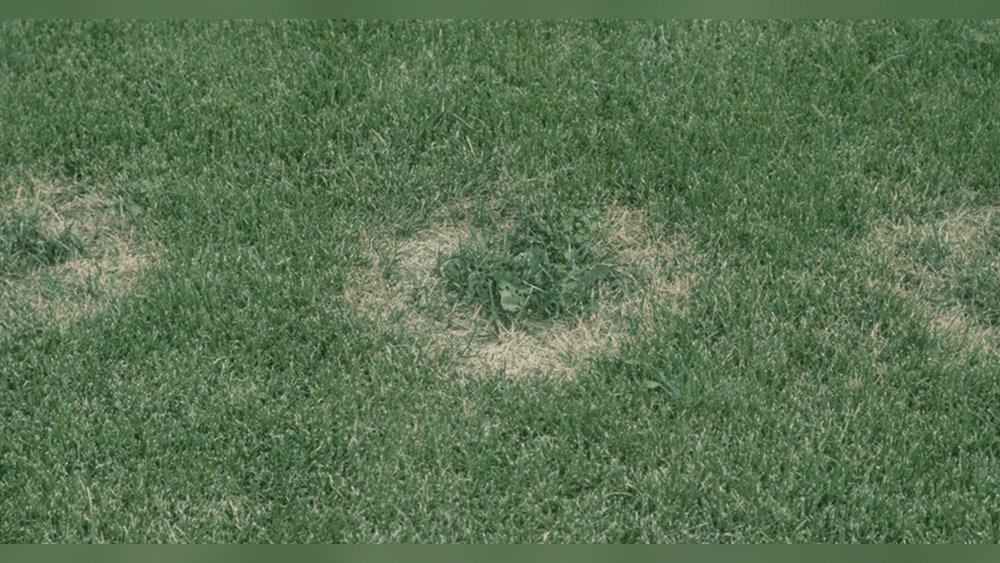
Rapid blight is a lawn disease that can destroy your healthy grass in just a few days. Many homeowners are surprised by how fast it spreads. If you notice large patches of dying grass, especially after hot weather and using salty water for irrigation, rapid blight might be the cause.
Understanding how to treat and prevent rapid blight is key to saving your lawn and keeping it green all year.
This guide will show you how to identify rapid blight, what causes it, and the best ways to treat and prevent it. Whether you are a lawn care beginner or have some experience, you will find clear steps, expert tips, and answers to common questions.
By the end, you will know exactly what to do if rapid blight attacks your grass.
What Is Rapid Blight?
Rapid blight is a lawn disease caused by the Labyrinthula terrestris pathogen. It mainly affects cool-season grasses like perennial ryegrass, tall fescue, and Kentucky bluegrass. The disease first appeared in the United States in the late 1990s and has since spread to many regions, especially those with salty irrigation water.
This disease is called “rapid” because it can turn healthy green grass into dead patches very quickly. Unlike some lawn problems that take weeks to develop, rapid blight can destroy large sections of turf in just 2–5 days. It is most common in autumn and spring when temperatures are mild and salt levels in soil are high.
How To Identify Rapid Blight
Early detection is critical for saving your lawn. Rapid blight can look like other diseases, but there are a few clear signs.
Main Symptoms
- Yellowing Leaves: The grass starts to turn yellow, especially at the leaf tips.
- Water-Soaked Appearance: Infected blades may look wet or greasy before drying out.
- Brown Patches: These yellow areas quickly turn brown and spread fast.
- Blight Shape: Patches often have a “wavy” or irregular edge, not a perfect circle.
- Slime Trails: Sometimes, you can see shiny slime on grass blades, especially in the morning.
Where And When It Happens
- Usually starts in low, poorly drained areas.
- More common on sports fields, golf courses, and lawns with heavy use.
- Often appears after using reclaimed or salty water for irrigation.
Example
A sports field in California saw 60% of its ryegrass die in one week after switching to reclaimed water. The damage started near the sprinkler heads and spread outwards, creating odd-shaped brown patches.
How To Confirm
For a true diagnosis, you can send a grass sample to a local university extension or turf lab. They will check for the Labyrinthula organism under a microscope. This step is helpful if you’re not sure which disease is affecting your lawn.

Credit: getlawnbright.com
What Causes Rapid Blight?
To treat rapid blight, it’s important to know what triggers it. The disease needs three things to thrive:
- Susceptible Grass: Mostly cool-season types like ryegrass, tall fescue, and bluegrass.
- High Salinity: Salt in the irrigation water or soil is the biggest risk factor.
- Mild Temperatures: The pathogen is most active between 15°C and 25°C (59°F to 77°F).
How Salt Makes It Worse
Salt stress weakens grass and gives the rapid blight organism a chance to invade. This is why lawns watered with reclaimed, well, or poor-quality water are more likely to have problems.
Other Risk Factors
- Heavy thatch layers: This keeps the soil moist, helping the disease.
- Poor drainage: Standing water encourages infection.
- Frequent mowing: Short grass height adds stress.
Step-by-step: How To Treat Rapid Blight
Once you spot rapid blight, fast action is important. Here are the most effective steps:
1. Stop Using Salty Water
Switch to the best quality water you can get. If you use reclaimed or well water, test it for electrical conductivity (EC) and sodium content. Try to use fresh water until the disease is under control.
2. Apply Fungicides
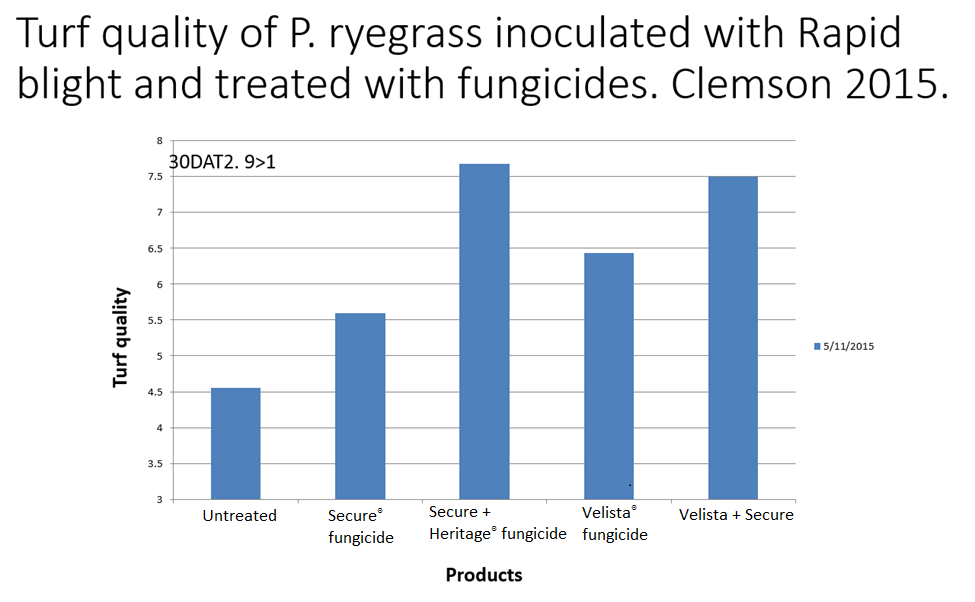
Rapid blight is not controlled by all standard fungicides. Use products with proven results against Labyrinthula. The most effective active ingredients are:
- Cyazofamid
- Phosphites (potassium or aluminum phosphonate)
- Mefenoxam
- Propamocarb
Follow the label for mixing and application rates. Spray in the cool part of the day, and water in lightly if required.
Example Application Schedule
| Application | Fungicide | Interval |
|---|---|---|
| First sign | Cyazofamid (0.9 L/ha) | Day 0 |
| Follow-up | Phosphite (6 L/ha) | Day 7 |
| Preventive | Cyazofamid | Every 14 days |
3. Improve Drainage
Aerate your lawn to reduce water logging. Remove thatch with a rake or dethatcher. This helps the soil dry out and lowers disease pressure.
4. Raise Mowing Height
Set your mower higher. Taller grass is stronger and more resistant to stress. Never remove more than one-third of the grass blade at a time.
5. Remove Dead Grass
Rake out dead patches to improve air movement and make space for new growth. Remove and bag infected material to reduce disease spread.
6. Apply Balanced Fertilizer
Use a complete fertilizer to boost healthy growth. Avoid high-nitrogen products, which can make the disease worse. Look for a balanced N-P-K formula.
7. Reseed With Resistant Varieties
If your lawn is badly damaged, overseed with salt-tolerant grass. Some modern ryegrass and tall fescue blends are less vulnerable to rapid blight.
8. Monitor And Repeat
Check your lawn daily for new patches. Repeat fungicide applications as needed. Track your irrigation water quality to prevent future outbreaks.
Practical Tips For Preventing Rapid Blight
Prevention is much easier than cure. Here are proven strategies to keep rapid blight away from your lawn.
Test Your Water
Have your irrigation water tested at least once a year for salinity and sodium. A salinity level above 2 dS/m is risky for cool-season lawns.
Use Gypsum
Applying gypsum (calcium sulfate) can help lower salt effects in soil. Gypsum replaces sodium with calcium, making salt less harmful to grass roots.
| Soil Salinity (dS/m) | Gypsum Needed (kg/100 m²) | Effect on Lawn |
|---|---|---|
| 2.0 – 3.0 | 5–7 | Moderately improves tolerance |
| 3.1 – 4.5 | 7–10 | Good results if watered in |
Improve Soil Structure
Aerate your lawn at least once per year. This increases drainage and helps flush salts out of the root zone.
Choose The Right Grass
If you live in a high-salt area, plant grasses like seashore paspalum or Bermuda grass, which are much more tolerant of salt and rapid blight.
Rotate Fungicides
To avoid resistance, do not use the same fungicide every time. Alternate products with different active ingredients.
Avoid Overwatering
Keep your watering deep and infrequent. Wetting the grass every day creates perfect conditions for rapid blight.
Increase Mowing Height
Mowing your lawn too short makes grass weaker. A higher cut helps grass recover from disease and salt stress.
Maintain Good Fertility
Feed your lawn with slow-release, balanced fertilizers. Avoid high-nitrogen spikes, especially in hot or humid weather.
Scout Regularly
Walk your lawn every few days during risk periods. Early detection means easier treatment and less damage.
Common Mistakes To Avoid
Many homeowners make the same errors when treating rapid blight. Here are the biggest pitfalls—and how to avoid them.
- Delaying Treatment: Waiting even 2–3 days after symptoms appear can lead to massive turf loss.
- Wrong Fungicide: Not all lawn fungicides work on rapid blight. Always check the label for Labyrinthula control.
- Ignoring Water Quality: If you keep using salty water, the disease will return—even after fungicide.
- Overseeding with Susceptible Grass: Reseeding with the same type of grass invites the problem back.
- Skipping Aeration: Compacted soil and heavy thatch make rapid blight worse.
Credit: www.greencastonline.com
Real-world Case Study
In Arizona, a golf course lost 40% of its ryegrass in three days after switching to reclaimed water. They followed a rescue plan:
- Switched to fresh water immediately.
- Applied cyazofamid and phosphite fungicides.
- Aerated and dethatched the affected greens.
- Overseeded with a salt-tolerant ryegrass.
Within three weeks, the turf was recovering, and no new patches appeared.
This case highlights the importance of fast action, the right chemicals, and water management.
Data: Fungicide Effectiveness Against Rapid Blight
Researchers have compared fungicides for rapid blight. Here’s how the top products perform:
| Fungicide | Control Rate (%) | Notes |
|---|---|---|
| Cyazofamid | 90–95 | Best for fast action |
| Phosphite | 80–90 | Good for prevention |
| Mefenoxam | 70–80 | Moderate efficacy |
| Propamocarb | 60–75 | Use as tank mix |
Credit: www.homedepot.com
Non-obvious Insights
Most beginners focus only on killing the disease, not on changing the environment that caused it. If you do not fix water quality and soil health, rapid blight will return—even after chemical treatment. Another common mistake is not checking for fungicide resistance. If you use the same product every time, the pathogen can adapt, making control much harder.
When To Call A Professional
If your lawn continues to die after fungicide and water changes, it’s time to call a turf specialist. Professionals can test your soil, diagnose hidden problems, and use advanced chemicals not available to homeowners. Fast professional help can save you time and money compared to guessing and losing your lawn.
Frequently Asked Questions
What Is The Main Cause Of Rapid Blight In Lawns?
The main cause is the Labyrinthula terrestris pathogen, which infects cool-season grasses. It spreads quickly in lawns watered with salty or poor-quality water, especially during mild weather.
How Quickly Does Rapid Blight Kill Grass?
Rapid blight can destroy large areas of lawn in just 2–5 days. That’s why it is called “rapid” blight. Early detection and treatment are critical.
Which Fungicides Work Best For Rapid Blight?
Cyazofamid and phosphite fungicides are proven to be the most effective. Always check the product label to make sure it controls rapid blight.
Can I Prevent Rapid Blight Without Chemicals?
Yes. Using good-quality water, aerating your soil, applying gypsum, and planting salt-tolerant grass varieties are effective non-chemical ways to prevent rapid blight.
Where Can I Learn More About Lawn Diseases?
You can find more in-depth information at the Wikipedia page on lawn disease. It covers many types of lawn problems and solutions.
Taking rapid action, understanding your lawn’s conditions, and using the right products will protect your turf from rapid blight. With these steps, you can keep your grass green, healthy, and safe from sudden dieback.