
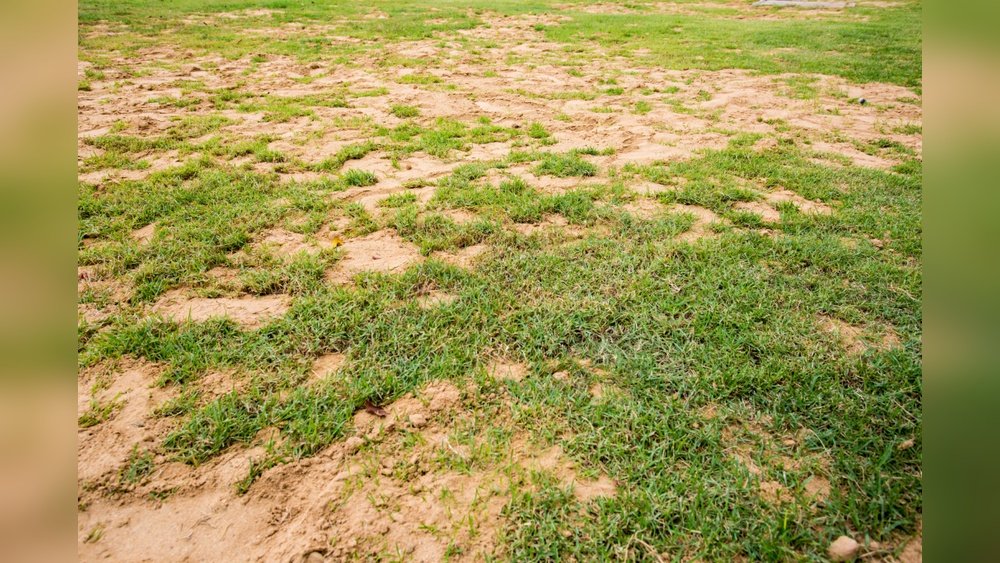
Growing a healthy, green lawn in sandy soil is one of the biggest challenges for gardeners and homeowners. Sandy soil drains water very quickly and does not hold nutrients well. Many people see their grass turn brown, patchy, or thin, even after watering and fertilizing. But with the right approach, you can transform dry, poor soil into a lush, green carpet of grass.
Understanding how to work with sandy soil will save you time, money, and frustration. This guide shares practical tips, step-by-step strategies, and expert advice to help you succeed. Whether you want a small backyard lawn or a large open field, these methods will give you the best chance to grow strong grass, even in the most difficult sandy conditions.
Why Is Sandy Soil Difficult For Grass?
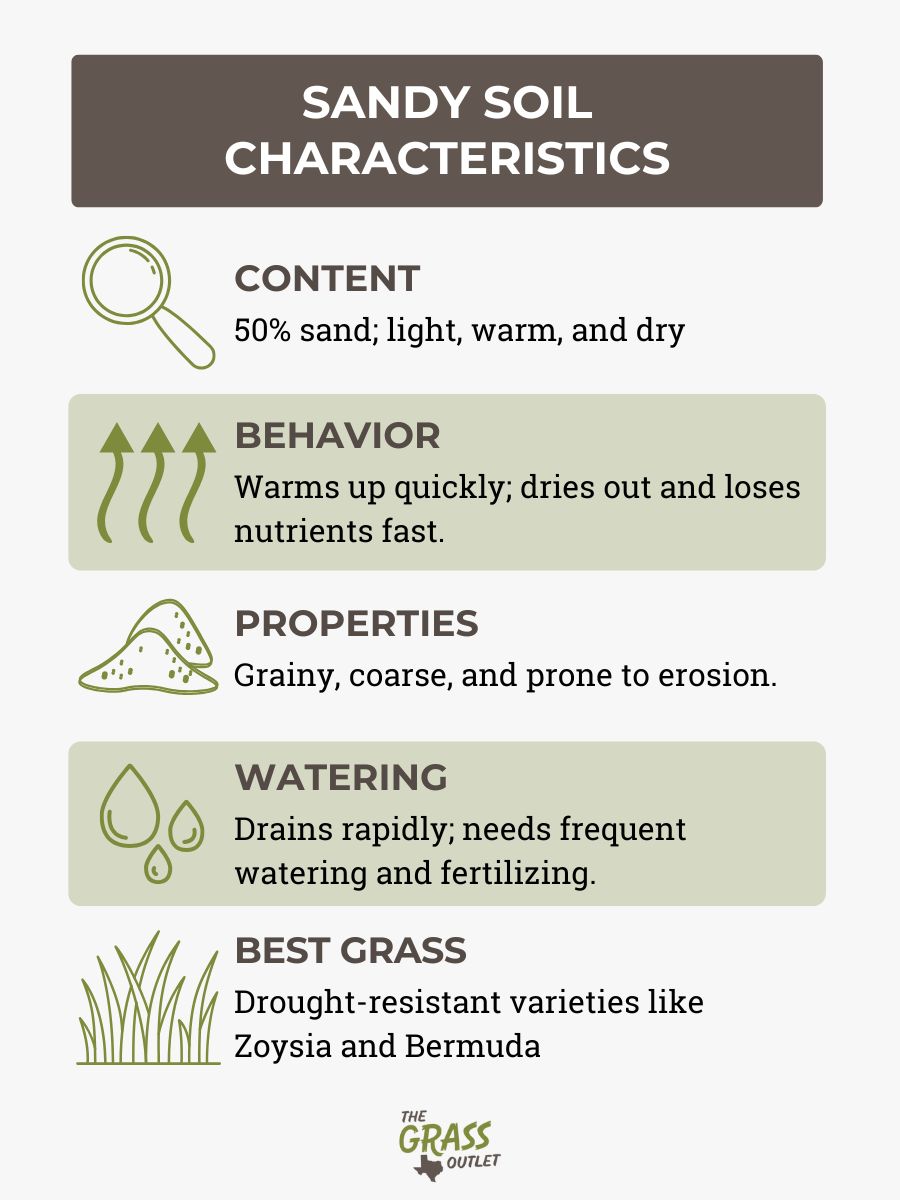
Sandy soil is made of large, loose particles. This means water moves through it very quickly, often before grass roots can absorb it. Essential nutrients, like nitrogen and potassium, wash away fast. As a result, grass can become weak, stressed, and more open to weeds or disease.
Key problems with sandy soil:
- Fast drainage: Water doesn’t stay near roots.
- Low nutrients: Fertilizer leaches away quickly.
- Poor structure: Roots have little support.
Some types of grass do grow better in sand, but all grasses need some help to thrive in these tough conditions.
Test And Prepare Your Sandy Soil
Before you plant or repair your lawn, it’s important to analyze your soil. Testing shows you what nutrients and pH levels you’re starting with.
- Collect a soil sample from different areas of your lawn, about 4-6 inches deep.
- Send the sample to a local agricultural extension or use a home test kit.
- Check the results for pH (ideal is 6.0 to 7.0 for most grasses) and major nutrients.
If your pH is too low (acidic), add garden lime. If it’s too high (alkaline), use sulfur or organic matter. Always follow recommendations from your test.
Pro tip: Many people skip this step, but adding the wrong fertilizer or soil amendments can waste money and harm grass.
Choose The Right Grass Seed
Not all grass types will succeed in sandy soil. Some do much better because they are drought-tolerant, have deep roots, or adapt to low nutrients.
Best grass types for sandy soil:
| Grass Type | Climate | Key Benefit |
|---|---|---|
| Bermuda Grass | Warm-season | Excellent drought tolerance |
| Buffalo Grass | Warm-season | Low water needs |
| Zoysia Grass | Warm-season | Deep root system |
| Fescue (Tall) | Cool-season | Grows in poor soil |
| Ryegrass | Cool-season | Quick germination |
Pick the grass that matches your climate and sunlight. For example, Bermuda is perfect for hot, sunny areas, while Tall Fescue works better in cooler zones.
Improve Sandy Soil Before Seeding
For the best results, you need to change the soil so it holds more water and nutrients. This extra work at the start makes a big difference later.
Add Organic Matter
Mixing organic material into sandy soil is the most important step. Compost, aged manure, peat moss, or leaf mold can all help.
- Spread 2-4 inches of organic matter over the lawn area.
- Use a shovel or rototiller to mix it into the top 6-8 inches.
This process increases water holding, adds nutrients, and helps soil life. Repeat every few years for best results.
Use Soil Conditioners
Some soil conditioners like biochar, zeolite, or even clay-rich topsoil can improve sandy soil. Biochar is a charcoal that holds water and nutrients. Zeolite is a mineral that acts like a sponge.
Add these materials according to package directions or local advice.
Level And Grade
After amending the soil, rake the area smooth. Make sure the ground is level, but with a gentle slope away from buildings to prevent water pooling.
Planting Grass Seed In Sandy Soil
Seeding in sandy soil is similar to other soils, but you must be extra careful with watering and seed-to-soil contact.
- Spread the seed evenly using a broadcast spreader.
- Lightly rake the soil so seeds are covered by 1/8 to 1/4 inch of soil.
- Press the seed down with a roller or by walking gently to ensure good contact.
For even coverage, spread half the seed in one direction, and the other half at a right angle.
Tip: Cover seeds with a thin layer of straw or mulch. This helps keep moisture and protects seeds from birds.
Watering Strategies For Sandy Soil
Watering is one of the hardest parts when growing grass in sand. You must keep seeds and roots moist, but avoid waste.
How Often To Water
- For new seed: Water lightly 2-3 times per day until you see sprouts.
- For established grass: Water deeply, but less often (2-3 times per week).
Because sandy soil dries quickly, check the top 1 inch of soil. If it feels dry, water again.
How Much To Water
Aim for 1 inch of water per week from rain or irrigation. Use a rain gauge or empty can to measure.
Hidden insight: Early morning is the best time to water. Watering at night can invite disease, and midday watering evaporates too fast.
Smart Irrigation Tools
Consider using a soaker hose or smart sprinkler with a timer. These tools deliver water slowly and prevent waste.
Credit: thegrassoutlet.com
Fertilizing Grass In Sandy Soil
Sandy soil loses nutrients quickly, so fertilizer is essential. But you must use it wisely to avoid burning the grass or polluting groundwater.
When And How To Fertilize
- Use a slow-release fertilizer to feed grass over time.
- Apply fertilizer 3-4 times per year: Early spring, early summer, late summer, and fall.
Follow the label for rates, but use slightly less than for clay soils since sandy soil does not hold fertilizer well.
Best Fertilizer Types
Look for fertilizers with added iron and micronutrients. Organic fertilizers, like composted manure or alfalfa meal, are also a good choice.
Preventing Nutrient Loss
After fertilizing, water the lawn lightly. This moves nutrients into the root zone but prevents them from washing away.
Mulching And Topdressing
Adding a thin layer of compost or peat moss (called topdressing) every year improves sandy soil’s quality over time.
- Use about ¼ to ½ inch of compost spread over the grass.
- Water after spreading to help settle it in.
Mulching around the edges of your lawn also keeps weeds down and improves soil.
Mowing And Lawn Care Tips
Sandy soil lawns need a little different care to stay green and thick.
- Mow high: Set your mower blade at 3-4 inches. Taller grass shades roots, keeps soil cool, and reduces water loss.
- Sharpen blades: Dull blades tear grass, causing stress.
- Leave clippings: Grass clippings return nutrients to the soil.
Avoid heavy foot traffic, especially when the soil is wet or newly seeded.
Controlling Weeds And Pests
Weeds and pests can be a bigger problem in sandy lawns because stressed grass is less able to fight them off.
- Pull weeds by hand for small areas.
- Use pre-emergent herbicides before seeds sprout (follow label directions).
- Watch for insects like grubs or ants. Treat only if you see signs of damage.
Healthy, thick grass is the best defense against weeds and pests.

Credit: lilydaleinstantlawn.com.au
Aeration For Sandy Lawns
Many people think only clay soils need aeration. In reality, sandy soils also benefit, especially if they become compacted from foot traffic.
- Use a core aerator once a year in fall or spring.
- Fill holes with compost or sand/compost mix.
This improves root growth and helps soil hold water.
Common Mistakes To Avoid
- Overwatering: Leads to shallow roots and wasted water.
- Underwatering: Grass becomes dry and brown quickly.
- Wrong grass type: Some seeds simply won’t grow in sandy soils.
- Skipping soil amendments: Grass will struggle without organic matter.
- Too much fertilizer: Can burn grass and harm the environment.
Seasonal Care Guide
Your approach should change with the seasons.
| Season | Key Tasks |
|---|---|
| Spring | Test soil, seed bare spots, fertilize, start watering |
| Summer | Mow high, water deeply, watch for pests |
| Fall | Topdress with compost, aerate, overseed |
| Winter | Limit traffic, remove debris, rest lawn |
Adjust your care based on weather and grass growth.
Hidden Insights Beginners Miss
Many new gardeners overlook two important factors:
- Soil biology: Healthy sandy soil needs worms and microbes. Add compost tea or earthworm castings to boost life in your soil.
- Mulch mowing: Instead of bagging clippings, let them mulch the soil. This quickly improves nutrient cycling.
These small steps can make a visible difference over time.
Credit: thegrassoutlet.com
When To Consider Sod
If you want instant results, sod is a fast way to cover sandy soil. Sod is grass grown on a thin layer of soil and rolled up. It costs more, but you get a green lawn right away.
- Prepare soil the same as for seed.
- Lay sod tightly, water well, and don’t walk on it for 2-3 weeks.
Sod still needs good care to survive on sand, but it can solve erosion or dust problems fast.
Additional Resources
For more in-depth guides and research on growing grass in sandy soil, check out this page from the Gardening Know How website.
Frequently Asked Questions
What Is The Best Grass For Sandy Soil?
The best grass depends on your climate. In hot areas, Bermuda and Zoysia are top choices. In cooler zones, Tall Fescue and Ryegrass are reliable. Always pick a grass type known for drought tolerance and deep roots.
How Often Should I Water Grass In Sandy Soil?
Newly seeded grass needs light watering 2-3 times per day to keep seeds moist. Once established, water deeply but only 2-3 times per week. Adjust based on rain and temperature.
Can I Grow A Thick Lawn In Sandy Soil Without Adding Anything?
It’s very hard to grow a thick lawn in pure sand without amending the soil. Adding organic matter like compost is essential for holding water and nutrients. Skipping this step usually leads to thin, patchy grass.
How Do I Keep Fertilizer From Washing Away?
Use a slow-release fertilizer and water lightly after applying. Avoid fertilizing before heavy rain. Split the total amount into several smaller applications throughout the year.
Is Sod Better Than Seed For Sandy Soil?
Sod gives you an instant lawn and helps prevent erosion, but it is more expensive. Both sod and seed need good soil preparation and care. Seed is cheaper and better for large areas, but takes longer to establish.
Growing grass in sandy soil is challenging, but not impossible. With careful soil preparation, the right grass seed, and smart watering and feeding, you can enjoy a green, healthy lawn. Pay attention to the unique needs of sandy soil and don’t skip key steps like adding organic matter.
Over time, your grass will become stronger, thicker, and more beautiful—even in the toughest sandy conditions.