
Last updated: October 2026 · Written by the LawnVibe editorial team.
Sowing seeds by hand from a packet often leads to clumps in one spot, gaps in another and a lot of thinning later. A garden seeder tool solves that by metering seeds out evenly, whether you are sowing tiny carrot seeds in a raised bed or long rows of corn and beans. Choosing the best garden seeder tool depends on the size of your garden, the seeds you grow and whether you sow in rows, trays or small pockets. Good spacing from the start reduces competition and makes sowing more successful.
Our picks are based on product information from the official Amazon product listings and established vegetable gardening practice, not on hands-on testing. For technique, see our guide on how to use a seeder tool.
Our Top Picks
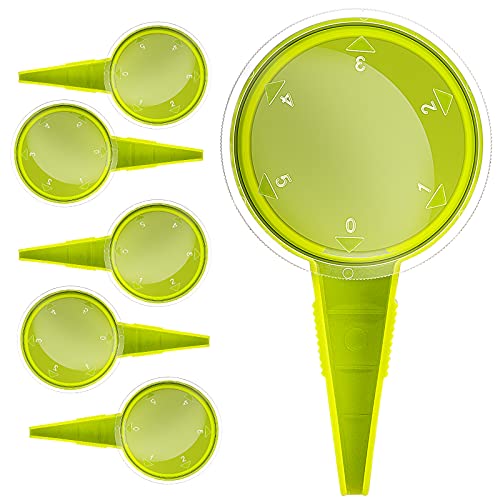
Gostur Handheld Seed Dispenser, 6 Pack
Best for: Small beds, containers and fine seeds
Six dial-adjustable handheld seed dispensers, so you can preload different seed types and sow them with less spillage.
- Six units for different seeds
- Adjustable dial for seed size
- Inexpensive
- Plastic build
- Still requires careful hand spacing

TXIN Handheld Seed Spreader, 2 Pack
Best for: Occasional sowing on a tight budget
A two-pack of simple handheld seed sowers with adjustable openings for small and medium seeds.
- Very affordable
- Simple to use
- Only two units
- Not for large seeds

Milifox Seed Planter Tools with Dibbers, 9 Piece
Best for: Gardeners who want a sowing kit
A sowing kit combining seed spreaders with garden dibbers for making evenly sized planting holes.
- Dibbers plus spreaders
- Good starter kit
- Small hand tools only

SMORBRID 7 Piece Sowing Set with 12-Hole Digger
Best for: Even spacing in trays and beds
A sowing set with a multi-hole digger to mark evenly spaced holes before dropping seeds.
- Helps consistent spacing
- Useful for seed trays
- Best on loose, prepared soil

CHAPIN 8701B Push Garden Seeder
Best for: Medium vegetable gardens with rows
A walk-behind row seeder that Chapin lists for 20 seed varieties, opening, sowing and covering the row in one pass.
- Plants rows quickly
- Handles many seed types
- Needs well-tilled soil
- Bulkier to store

EarthWay 10001 Precision Garden Seeder
Best for: Larger plots and market gardens
A precision push seeder supplied with seven seed plates for different seed sizes.
- Seed plates for accurate spacing
- Long-established design
- Learning curve for plate selection
- Heavier than handheld tools
Comparison Table
| # | Product | Best for | Link |
|---|---|---|---|
| 1 | Gostur Handheld Seed Dispenser, 6 Pack | Small beds, containers and fine seeds | Check price |
| 2 | TXIN Handheld Seed Spreader, 2 Pack | Occasional sowing on a tight budget | Check price |
| 3 | Milifox Seed Planter Tools with Dibbers, 9 Piece | Gardeners who want a sowing kit | Check price |
| 4 | SMORBRID 7 Piece Sowing Set with 12-Hole Digger | Even spacing in trays and beds | Check price |
| 5 | CHAPIN 8701B Push Garden Seeder | Medium vegetable gardens with rows | Check price |
| 6 | EarthWay 10001 Precision Garden Seeder | Larger plots and market gardens | Check price |
A Closer Look at Each Pick
Gostur six-pack, best overall handheld. A dial with five outlet sizes covers most garden seeds, and having six units means you can load several varieties before heading to the garden.
TXIN two-pack, best budget pair. The same dial concept in a smaller set for gardeners who only sow a few crops.
Seed spreader with dibber, best with dibber. Combining a dispenser with a dibber suits raised beds and containers, where you sow into small spaced pockets.
Row seeder spacing kit, best for spacing. Not a dispenser, but a spacing guide that helps place seeds and seedlings at even intervals in trays and rows.
Chapin 8701B, best push seeder. For long rows, a push seeder plants far faster than any handheld tool.
EarthWay precision seeder, best precision push seeder. A long-standing design favored for row crops such as sweet corn, with seven seed plates included.
Types of Garden Seeder Tools
Handheld Dial Seeders
A small plastic body holds seeds and a rotating dial selects an outlet size. You tilt and tap to release seeds along a furrow. They are inexpensive and ideal for small seeds in beds and containers.
Spacing Tools and Templates
Spacing boards and tools mark or dibble holes at fixed intervals so you can place seeds or transplants evenly. They are especially helpful for square-foot gardening and seed trays.
Push Seeders
A wheeled tool with a hopper and interchangeable seed plates. As you push, it opens a furrow, drops seeds at a set spacing and covers them. Best for long rows in large gardens and small farms.
Vacuum and Plunger Seeders
Specialty seeders used for seed trays, picking up individual seeds with suction and dropping one per cell. Popular with market gardeners starting many transplants.
How to Choose the Best Garden Seeder Tool
Garden size. Small beds and containers suit handheld dial seeders. Large gardens with long rows benefit from a push seeder.
Seed types. Tiny seeds such as carrots, lettuce and many flowers need small outlets. Larger seeds like beans, peas and corn suit push seeders or simply hand placement.
Soil preparation. Push seeders need finely tilled, level soil to work well. Handheld seeders work in any prepared bed.
Storage and budget. Handheld seeders store in a drawer and cost little. Push seeders are bulkier and cost more.
How to Use a Handheld Seeder
Make a shallow furrow at the depth on the seed packet. Fill the seeder no more than about half full, select the smallest outlet that lets seeds flow and hold the seeder at a shallow angle over the furrow. Tap the side gently as you walk along the row so seeds drop at an even rate. Cover the seeds lightly, firm the soil with the back of a rake and water gently with a fine rose.
How to Use a Push Seeder
Prepare a smooth, level, finely tilled bed without clods or stones. Select the seed plate that matches your seed, set the furrow depth and fill the hopper. Push at a steady walking pace in a straight line, using a string line as a guide if needed. Check the first few feet to confirm seeds are dropping at the right spacing and depth, then continue.
Sowing Tips for Even Germination
Use fresh seed and store leftovers in a cool, dry place. Mix very fine seeds with dry sand to make them easier to distribute. Keep the soil surface moist until seedlings emerge, especially for small seeds sown shallowly. Thin seedlings to the spacing on the packet once they have true leaves. Label rows with the variety and sowing date.
Seed Spacing and Thinning
Even with the best seeder, some thinning is normal. Thin by snipping extra seedlings at soil level with scissors rather than pulling, which disturbs neighboring roots. Proper spacing improves airflow, reduces disease and lets each plant reach full size.
Seeders for Raised Beds and Containers
In raised beds and containers, space is limited and precision matters. A handheld dial seeder or seeder with dibber lets you place seeds in small pockets or short rows. Our guide to the best hand cultivator for raised beds covers preparing the soil surface before sowing.
Which Seeds Suit Each Type of Seeder?
Tiny seeds such as carrots, lettuce, radish, onion, poppies and many herbs are where handheld dial seeders shine. They are hard to pinch out of a packet one at a time, and the dial lets you release a steady trickle. Medium seeds such as beets, chard, spinach and brassicas can go through larger dial settings or a push seeder plate designed for them. Large seeds such as beans, peas, corn, squash and sunflowers are easy to place by hand in small gardens, while a push seeder speeds up long rows of corn and beans considerably. Pelleted seeds, which are coated to make them larger and rounder, flow more evenly through seeders and are worth considering for carrots and lettuce.
Preparing the Seedbed
Even the best seeder cannot make up for poor soil preparation. Remove stones, roots and debris, loosen the top few inches and rake the surface smooth and level, breaking up clods. Firm the soil lightly so seeds sit at a consistent depth. For push seeders especially, a fine, even surface is essential; lumpy soil causes the wheels to bounce and the plates to skip. Water the bed a day before sowing if the soil is dry, so it is moist but not sticky on sowing day.
Succession Sowing With a Seeder
Seeders make succession sowing quick and easy. Instead of sowing a whole crop of lettuce or radishes at once, sow a short row every two to three weeks for a continuous harvest. Keeping a few handheld seeders preloaded with different crops speeds up these small, frequent sowings, and good labeling helps track what was sown when.
Seed Storage and Viability
Leftover seed stays viable longer when kept cool, dry and dark, ideally in a sealed container with a desiccant packet. Viability varies by crop: onion and parsnip seeds lose viability quickly, while tomato and squash seeds last longer. A simple germination test, placing ten seeds on a damp paper towel in a bag, tells you whether old seed is still worth sowing and whether to sow more thickly.
Cleaning and Storing Seeders
Empty seeders after each use so seeds do not absorb moisture and stick. Brush out the dial and outlet holes, wipe plastic parts dry and store them indoors. For push seeders, brush soil off the wheels and plates, check that plates are not cracked and lightly oil any metal moving parts before winter storage.
Sowing Indoors in Trays
When starting seeds indoors, precision saves seed and space. Use a handheld dial seeder or spacing kit to drop one or two seeds per cell in a tray filled with moist seed-starting mix. A pencil or dibber makes uniform holes at the correct depth. Cover lightly, label each tray, and keep the mix evenly moist and warm until germination. A heat mat and humidity dome speed up germination for warm-season crops like tomatoes and peppers. Once seedlings have their first true leaves, thin to one per cell.
Seeders for Wildflowers and Cover Crops
For broadcasting wildflower mixes or cover crops over larger areas, a handheld dial seeder is too slow. Mix fine wildflower seed with dry sand for bulk and broadcast it by hand or with a handheld broadcast spreader, then press it into contact with the soil. Cover crops such as clover and rye can be broadcast the same way and lightly raked in. Our guide to cover crop seeds covers timing and rates.
Making a Simple DIY Seeder
In a pinch, a clean spice jar with holes punched in the lid, or a folded index card, can help distribute small seeds more evenly. A salt shaker filled with seed and dry sand works for broadcasting fine seed. These improvised tools are fine for occasional sowing, but a purpose-made dial seeder offers more control and consistent results.
Seeders for Gardeners With Limited Mobility
Handheld seeders reduce the fine finger work of pinching seeds, which helps gardeners with arthritis or reduced dexterity. Push seeders let you sow long rows while standing upright instead of bending or kneeling. Pairing a long-handled hoe to open furrows with a push seeder can make sowing a whole vegetable garden possible without getting down on the ground. For raised beds at waist height, a handheld dial seeder is the most comfortable option.
Watering After Sowing
Water newly sown seeds gently so they are not washed out of the furrow. A watering can with a fine rose or a hose nozzle on a soft shower setting works best. Keep the surface consistently moist until seedlings emerge; for tiny seeds sown very shallowly, that may mean light watering once or twice a day in warm, dry weather. A thin layer of fine compost or vermiculite over the row helps hold moisture.
Common Seeder Mistakes
Common mistakes include using too large an outlet, shaking the seeder instead of tapping, sowing into lumpy or poorly prepared soil, sowing too deep, letting the soil surface dry out before germination and skipping thinning.
How Many Seeds Should You Sow?
Seed packets list a recommended spacing and often a germination rate. If germination is listed at around 80 percent, sowing slightly more thickly than the final spacing and thinning later gives a full row. With fresh, high-quality seed and a well-prepared bed, you can sow closer to the final spacing and do less thinning. Old seed or cold soil calls for thicker sowing.
The Bottom Line on the Best Garden Seeder Tool
For most home gardeners, a handheld dial seeder like the Gostur six-pack is the simplest way to sow small seeds evenly, with the TXIN pair as a budget alternative and a seeder with dibber for pocket sowing in beds. A spacing kit helps beginners place seeds precisely. For long rows in larger gardens, the Chapin 8701B and EarthWay precision push seeders save hours each season. Prepare the soil well, sow at the right depth and keep the surface moist for even germination.
Frequently Asked Questions
What is the best seeder for small seeds?
A handheld dial seed dispenser is the easiest way to sow small seeds like carrots, lettuce and flowers evenly. Choose the outlet setting that matches the seed size and tap gently along the furrow.
Are push seeders worth it?
For long rows in a large vegetable garden, yes. A push seeder opens the furrow, drops seed at a consistent spacing and covers it in one pass. For small beds, a handheld seeder is simpler.
How do I stop seeds from clumping?
Keep seeds dry, use the smallest dial setting that lets seed flow, mix very fine seeds with dry sand and tap the seeder rather than shaking it.
Can I use a seeder for grass seed?
Handheld dial seeders are designed for garden rows. For lawns, use a broadcast or drop spreader instead.
How deep should I sow seeds?
A common rule is to sow seeds about two to three times as deep as their width, but always check the seed packet.