
When the air turns thick and heavy, many homeowners see their beautiful lawns change almost overnight. Humid weather can be both a blessing and a curse for grass. On one hand, the extra moisture helps your lawn grow fast. On the other, it creates the perfect environment for lawn fungus. If you have ever noticed odd patches, brown circles, or powdery spots on your lawn after a few humid days, you are not alone. Fungus problems are very common, but the good news is that you can prevent most of them with smart care.
This guide is for anyone who wants a green, healthy yard—even when the humidity is high. You will learn why fungus appears, what signs to look for, and—most importantly—practical steps you can take to keep your grass fungus-free. These methods work for all types of lawns, from warm-season grasses like Bermuda to cool-season types like fescue.
Let’s dig into the best ways to stop fungus before it starts.
Why Humid Weather Triggers Lawn Fungus
Humidity and heat are the top reasons lawn fungus becomes a problem. Most fungi need three things to grow: moisture, warmth, and organic material. Your lawn offers all three during humid seasons.
- Moisture from rain or dew sits on blades for hours.
- Warm soil speeds up fungal growth.
- Grass clippings and thatch give fungi food.
Some fungi can produce spores in just a few hours if the conditions are right. These spores then spread quickly, especially when people walk on the grass or use a mower.
What many people miss is that not all lawns react the same way. Lawns with thick thatch, poor soil drainage, or heavy shade are at higher risk. Even if your neighbor’s yard is fine, your own lawn might be struggling.
Common Types Of Lawn Fungus In Humid Weather
Understanding which fungus you’re up against helps you choose the right prevention strategy. Here are some of the most common fungi you’ll see after humid spells:
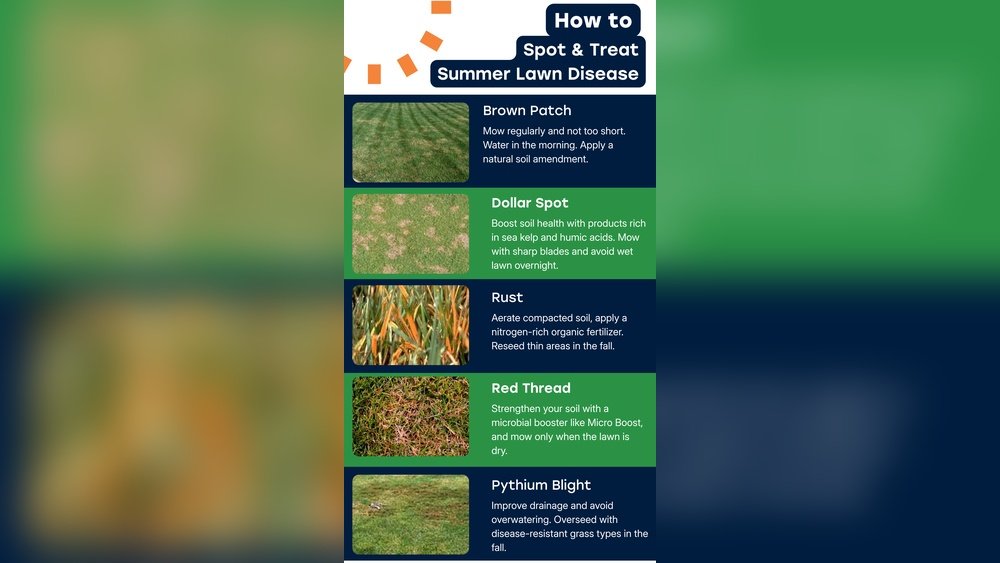
- Brown Patch: Shows as circular brown areas, often with a darker ring.
- Dollar Spot: Looks like small, silver-dollar-sized tan patches.
- Powdery Mildew: White, powdery spots on the surface of grass blades.
- Pythium Blight: Greasy, blackened patches that spread quickly.
- Red Thread: Pink or red strands growing from grass tips.
Each type has its own favorite conditions, but all thrive when humidity is high and air movement is low.
Key Signs Of Lawn Fungus
Catching fungus early can save your lawn. Look for these warning signs, especially after a stretch of humid weather:
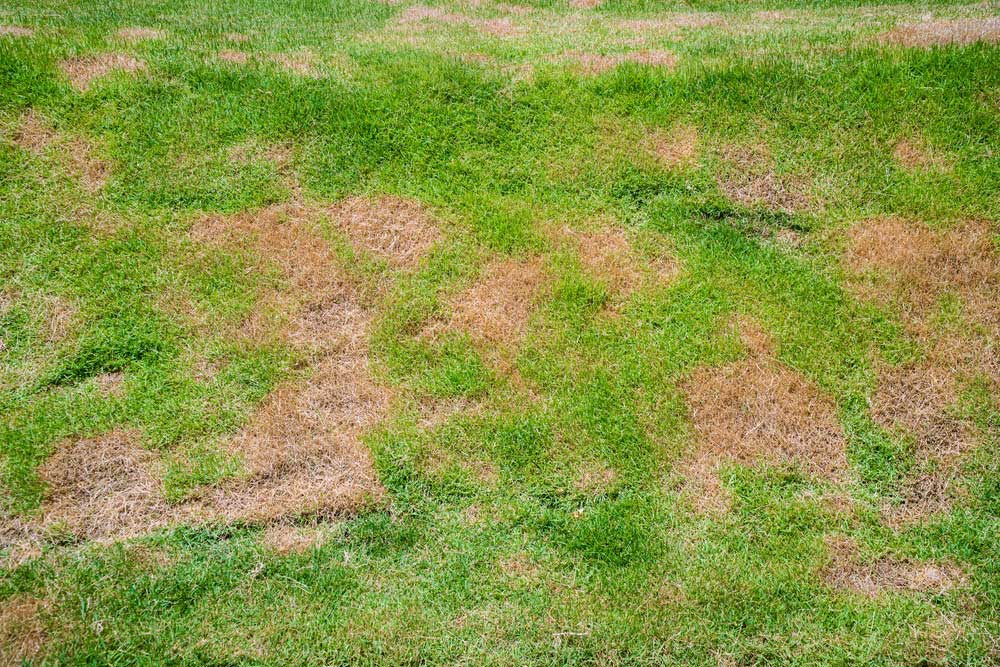
- Discolored patches: Brown, yellow, or gray spots.
- Slimy or greasy grass: Especially in the morning.
- Powdery coatings: White, pink, or black.
- Blades sticking together: Often wet or matted.
- Thin or weak grass: Areas that look less dense.
If you see any of these, act quickly. Fungus can spread in just days if not controlled.
Essential Steps To Prevent Lawn Fungus
Preventing fungus is much easier than curing it. Here’s how to protect your lawn—step by step.
1. Water Wisely
Overwatering is the number one mistake. Lawns only need about 1 inch of water per week, including rain.
- Water deeply and infrequently. Early morning is best.
- Avoid watering at night, which keeps grass wet for hours.
- Use a rain gauge to track weekly water.
A common beginner’s mistake is watering every day for a few minutes. This keeps the surface wet but doesn’t help roots grow deep.
2. Improve Drainage
Standing water is a fungus magnet. If your yard stays soggy after rain, consider:
- Aerating your lawn once a year.
- Filling in low spots.
- Adding organic matter to clay soils.
You can test your drainage by digging a small hole and filling it with water. If it takes more than an hour to drain, you have a problem.
3. Mow At The Right Height
Cutting your grass too short (scalping) stresses the plants and weakens their resistance.
- Keep blades sharp to avoid tearing.
- Never remove more than one-third of the blade in a single mow.
- Adjust height for your grass type—most lawns do best at 2.5 to 3.5 inches.
Letting grass grow a bit longer in summer helps shade the soil and keeps it drier.
4. Feed Your Lawn Carefully
Too much fertilizer, especially nitrogen, can actually make fungus worse.
- Use a slow-release fertilizer.
- Follow package directions—do not overapply.
- Fertilize during active growing periods.
A soil test can help you know exactly what your lawn needs.
5. Control Thatch
Thatch is a layer of dead grass and roots. If it gets thicker than half an inch, it holds moisture and feeds fungi.
- Rake out thatch each spring or fall.
- Use a dethatcher if needed.
- Compost the removed material or throw it away.
Many people never check their thatch, which is a mistake.
6. Increase Air Circulation
Fungi love still, moist air. Improve airflow by:
- Pruning overhanging trees and shrubs.
- Spacing out plants.
- Avoiding heavy foot traffic in wet conditions.
If your lawn is in a shady area, consider thinning out trees or planting shade-tolerant grass.
7. Select Disease-resistant Grass
Some varieties are bred to resist fungus better. When planting or overseeding, choose:
- Tall fescue for cool climates.
- Zoysia or Bermuda for warm regions.
Check with local garden centers for the best disease-resistant choices in your area.
8. Monitor Weather And Lawn Conditions
Pay attention during long humid periods.
- Check forecasts for humidity and rain.
- Walk your lawn every few days to spot early problems.
Keeping a simple lawn diary can help you find patterns and prevent future outbreaks.
9. Avoid Spreading Spores
Fungal spores travel on shoes, pets, and garden tools.
- Clean mower blades regularly.
- Wash shoes if you’ve walked on affected areas.
- Do not compost diseased clippings.
This step is often overlooked but makes a big difference.
10. Apply Preventive Fungicides (if Needed)
If your lawn has a history of fungus, a preventive fungicide can help.
- Choose a product labeled for your grass and fungus type.
- Follow directions exactly—overuse can harm the lawn.
- Apply before or at the very start of humid weather.
Do not rely on chemicals alone—use them as a last resort.

Credit: wildhorseturf.com.au
Comparing Lawn Care Practices For Fungus Prevention
Not all lawn care practices offer the same protection against fungus. Here’s how common methods compare:
| Practice | Fungus Prevention | Risk Level |
|---|---|---|
| Watering at night | Poor | High |
| Early morning watering | Excellent | Low |
| Thick thatch | Poor | High |
| Aerating soil | Good | Low |
| Using resistant grass | Excellent | Very Low |
As the table shows, small changes like timing your watering or choosing the right grass can make a big difference.
Typical Fungus Outbreak Timeline
If you want to know how quickly fungus can appear and spread in humid weather, consider this example:
| Day | Weather | Lawn Condition | Fungal Activity |
|---|---|---|---|
| 1 | Humid, overnight rain | Wet grass in morning | Spores begin to germinate |
| 2 | Humid, cloudy | Moist soil, dew persists | Small patches appear |
| 3 | More rain | Very wet, little sun | Patches spread, grass weakens |
| 4-5 | Continued humidity | Standing water in spots | Large dead areas visible |
This shows why fast action is so important. Fungus can turn a healthy lawn into a patchy mess in under a week.
Mistakes To Avoid During Humid Weather
Even experienced homeowners make errors that invite fungus. Here are some to watch for:
- Watering too often: Leads to constantly damp grass.
- Ignoring mower blades: Dull blades tear grass, making it vulnerable.
- Skipping soil tests: Fertilizing without knowing your soil’s needs often backfires.
- Waiting too long to act: Early treatment is much more effective.
- Not adjusting for shade: Shady areas need less water and slower fertilizer rates.
Two insights many beginners miss:
- Lawns do not always need to be green during high humidity. A slightly dull color is safer than overwatering and risking fungus.
- Healthy soil equals healthy grass. Focusing on soil quality (with compost or proper aeration) is the best long-term prevention.
Simple Lawn Care Schedule For Humid Climates
Consistency is key for prevention. Here’s a basic schedule you can adapt for your yard:
| Task | Frequency | Best Timing |
|---|---|---|
| Watering | 1x per week | Early morning |
| Mowing | As needed (keep height) | Late afternoon (when dry) |
| Aeration | 1x per year | Spring or fall |
| Soil test | 1x per year | Spring |
| Dethatching | As needed | Spring or early fall |
This schedule keeps your lawn healthy and less likely to suffer from fungal problems—even in tough weather.

Credit: consolidatedpestcontrol.com
When To Call A Professional
Most fungus problems can be solved at home, but call an expert if:
- Patches keep coming back despite your efforts.
- The problem spreads to more than half the lawn.
- You see unusual symptoms (like black slime or strong odor).
A lawn care professional can test for specific fungi and recommend targeted treatments.
Where To Learn More
For further reading on lawn diseases and prevention, the Purdue University Turfgrass Disease Center provides research-backed advice.
Credit: americanlandscapesllc.com
Frequently Asked Questions
What Is The Best Time To Water My Lawn In Humid Weather?
Early morning, between 4 a. m. and 8 a. m. , is ideal. This allows grass to dry quickly, reducing the time fungi have to grow.
How Do I Know If My Lawn Has Fungus Or Just Needs Fertilizer?
Fungus usually causes patches, slimy or powdery spots, while fertilizer issues cause even yellowing. If in doubt, consult your local extension service or a lawn care expert.
Can I Use Homemade Remedies To Prevent Lawn Fungus?
Some people use baking soda or diluted milk sprays. These can help with very minor problems but are not as reliable as good lawn care practices.
Will Grass Recover After A Fungus Attack?
Most lawns recover with proper care, especially if you reseed bare spots and improve your watering and mowing habits.
Should I Bag Or Mulch My Lawn Clippings During Humid Weather?
Bagging is better if you suspect fungus. Mulching can spread spores if the grass is infected. When your lawn is healthy, mulching is safe and helps return nutrients to the soil.
By following these steps, you can keep your lawn lush, green, and healthy—even when the weather is sticky and humid. With a little attention and smart care, fungus problems will be a thing of the past.