
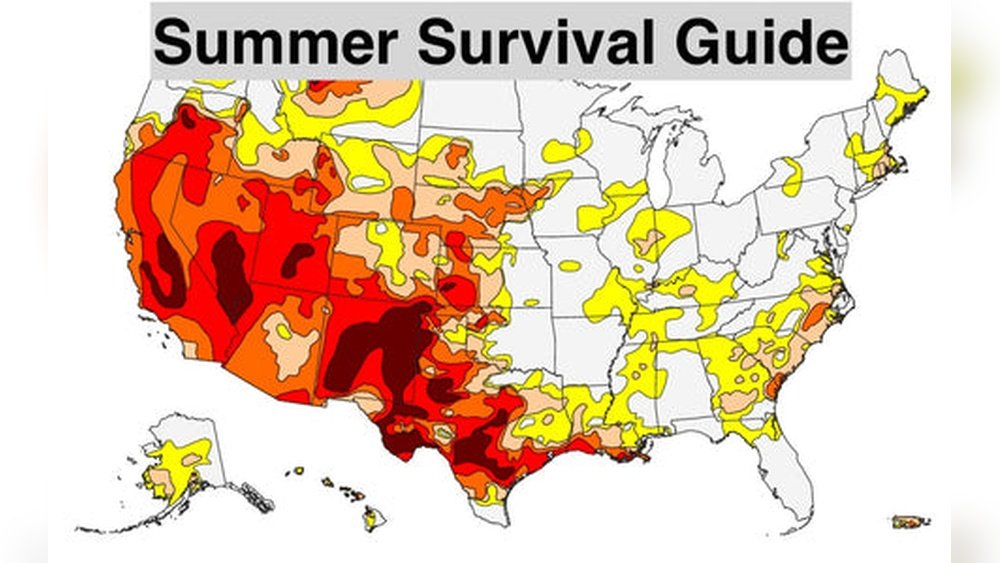
Growing a lush green lawn in a hot dry climate is a real challenge. Hot sun, little rain, and dry winds can make grass look brown and weak. But with the right steps, you can still grow healthy grass—even in tough conditions. This article gives you everything you need to know to turn dry soil into a vibrant, green lawn. You’ll find practical advice, common mistakes to avoid, and tips that most beginners miss.
Understanding Your Climate
Before you start, it’s important to understand the challenges. Hot, dry climates—often called arid or semi-arid regions—have high temperatures, low rainfall, and strong sunlight. These factors dry out the soil quickly and stress most grass types.
Areas like the Southwestern United States, parts of Australia, and the Mediterranean face these conditions. In these regions, traditional cool-season grasses struggle. Instead, you need grasses that can handle heat and drought. Knowing your climate helps you select the right approach from the start.
Choosing The Right Grass Type
Some grasses survive heat and drought better than others. Picking the right kind is the most important step.
| Grass Type | Drought Tolerance | Heat Tolerance | Best Use |
|---|---|---|---|
| Bermuda Grass | Excellent | Excellent | Lawns, sports fields |
| Zoysia Grass | Very Good | Very Good | Home lawns |
| Buffalo Grass | Excellent | Excellent | Low-maintenance lawns |
| St. Augustine Grass | Moderate | Very Good | Shady areas |
| Kikuyu Grass | Good | Excellent | High-traffic areas |
- Bermuda grass is very tough, grows fast, and handles full sun well.
- Zoysia grass is dense, resists drought, and uses less water once established.
- Buffalo grass is native to dry plains and needs little water or mowing.
- St. Augustine grass is good for shade, but not as drought-tolerant as Bermuda.
- Kikuyu grass grows aggressively, but can be invasive.
Most people make the mistake of using cool-season grasses like fescue or ryegrass. These will not survive repeated hot, dry summers.
Credit: www.provenwinners.com
Preparing The Soil
Healthy grass needs healthy soil. In hot dry places, soil is often sandy, rocky, or compacted—making it hard for grass roots to grow deep.
1. Test Your Soil
Buy a simple soil test kit. You want soil with pH between 6. 0 and 7. 0 for most grasses. Check for nutrients like nitrogen, phosphorus, and potassium.
2. Add Organic Matter
Mix in compost, well-rotted manure, or peat moss. This helps soil hold water and gives nutrients for strong roots.
3. Loosen Compacted Soil
Use a garden fork or mechanical aerator to break up hard soil at least 3–4 inches deep.
4. Level The Area
Smooth out bumps so water spreads evenly. Uneven ground causes water to run off and not soak in.
5. Apply A Starter Fertilizer
Use a slow-release fertilizer with phosphorus to help new roots.
Insight: Many beginners skip soil prep and just throw down seeds. This leads to weak, patchy lawns that cannot handle heat.
Choosing Seeds, Sod, Or Sprigs
You can plant grass in three main ways:
- Seeds: Cheapest, but slow to establish.
- Sod: Instant green lawn, but more expensive.
- Sprigs/plugs: Small chunks of grass spaced apart, good for some types like Zoysia or Bermuda.
| Method | Cost | Establishment Time | Water Needs (First 3 Weeks) |
|---|---|---|---|
| Seed | Low | 4–12 weeks | High |
| Sod | High | 2–3 weeks | Medium |
| Sprigs/Plugs | Medium | 8–16 weeks | Medium |
Tip: In hot climates, sod or plugs work better because they cover the ground quickly, keeping soil cooler and moist.

Credit: www.outsidepride.com
Planting At The Right Time
Timing is critical. Plant warm-season grasses in late spring or early summer, when soil is warm (above 65°F / 18°C). Seeds will not sprout in cold soil.
- For sod, plant when you can water daily for 2–3 weeks.
- Avoid planting in the hottest part of summer, unless you have lots of water for new grass.
Watering Strategies For Hot Dry Climates
Water is precious in dry climates. The right watering plan can mean the difference between success and failure.
Deep And Infrequent Watering
Water deeply, but less often. This encourages roots to grow deeper, where the soil stays moist longer.
- Water 1–1.5 inches per session, 1–2 times a week.
- Early morning is best, before 8 a.m., to reduce evaporation.
- Avoid short, daily watering. It leads to shallow roots and weak grass.
Smart Irrigation
Install drip lines or use soaker hoses for efficient watering. Sprinklers can waste water in hot wind.
Water Conservation Tips
- Mulch around edges and in bare spots to keep soil cool.
- Fix leaks in hoses or sprinkler lines quickly.
- Collect rainwater in barrels when possible.
Insight: Many people overwater in small amounts, but the water never reaches deep roots. Deep watering saves water and grows stronger grass.
Credit: www.provenwinners.com
Mowing In Hot Dry Conditions
How you mow makes a big difference in a hot dry climate.
- Mow high: Set your mower to the highest recommended setting (usually 2.5–3.5 inches). Taller grass shades the soil, reducing evaporation.
- Sharp blades: Dull blades tear grass, causing stress. Sharpen blades often.
- Mow when dry: Wet grass can clump and spread disease.
- Leave clippings: Grass clippings return nutrients to the soil and help keep moisture in.
Tip: Avoid mowing during drought stress. Wait until grass is actively growing after a rain or watering.
Fertilizing For Drought Tolerance
Grass in dry climates needs the right nutrients, but too much fertilizer can harm your lawn.
- Use a slow-release fertilizer designed for drought-tolerant grasses.
- Fertilize in late spring and again in mid-summer. Do not fertilize during peak drought or extreme heat.
- Always water after fertilizing to prevent burning the grass.
Common mistake: Applying too much nitrogen can make grass grow fast but weak. It also increases water needs.
Controlling Weeds And Pests
Weeds like crabgrass and dandelions steal water from your grass. Hot dry lawns are also targets for pests like grubs and chinch bugs.
- Pull large weeds by hand early in the season.
- Use pre-emergent herbicides if weeds are a big problem.
- Encourage thick grass—this is the best weed prevention.
- Watch for brown patches or thinning, which can mean pests. Use natural or chemical treatments as needed.
Maintaining The Lawn Year-round
A green lawn in a hot dry climate needs year-round care.
Spring
- Rake up leaves and debris.
- Aerate compacted areas.
- Apply fertilizer and start watering.
Summer
- Mow high and water deeply.
- Watch for pests and heat stress.
Fall
- Overseed thin spots with drought-tolerant grass.
- Reduce watering as temperatures drop.
Winter
- Keep off dormant grass to avoid damage.
- Clean up debris to prevent disease.
Non-obvious tip: Lightly overseeding with a compatible drought-tolerant variety each fall keeps lawns thick and green.
Alternative Lawn Options
If growing traditional grass is too difficult or expensive, consider these alternatives:
- Groundcovers: Plants like creeping thyme, clover, or sedum use less water and stay green.
- Artificial turf: Looks green all year, no water needed.
- Gravel or mulch: For pathways or non-play areas.
Some cities even offer rebates for replacing grass with drought-friendly landscaping. Check your local programs.
Practical Examples And Data
Studies show that warm-season grasses like Bermuda and Buffalo use up to 50% less water than cool-season types. In Arizona, lawns with Bermuda grass survived with as little as 0. 5 inches of water per week during summer.
Let’s look at a real-world example:
A homeowner in Phoenix, Arizona, switched from fescue to Bermuda grass. After one year, their water bill dropped by 35%. The lawn survived 110°F (43°C) days with only weekly deep watering. This shows the impact of choosing the right grass and watering method.
Common Mistakes To Avoid
- Planting the wrong grass: Cool-season grasses usually fail in hot, dry areas.
- Shallow watering: This leads to weak, shallow roots.
- Ignoring soil preparation: Grass needs loose, nutrient-rich soil to survive.
- Over-fertilizing: Fast growth increases water needs and risk of burning.
- Cutting grass too short: Short grass heats up faster and loses water.
- Planting at the wrong time: Seeds will not sprout in cold or extremely hot soil.
Two Insights Most Beginners Miss
- Soil improvement is more important than watering: Water runs off or evaporates quickly from poor soil. Improving soil with organic matter holds moisture much longer, reducing water needs by up to 30%.
- Mowing height is critical: Taller grass helps shade the soil, keeps roots cool, and outcompetes weeds naturally. Many people mow too short, stressing the lawn more than the heat does.
Additional Resources
For more climate-specific advice, check official extension services or research centers. One useful resource is the EPA WaterSense Lawn & Garden page, which offers tips for water-smart landscaping.
Frequently Asked Questions
How Often Should I Water Grass In A Hot Dry Climate?
Water deeply once or twice a week. The goal is to wet the soil 6–8 inches deep. Early morning watering reduces evaporation. Adjust frequency based on rainfall and temperature.
What Is The Best Grass For Hot Dry Areas?
Bermuda grass and Buffalo grass are best for most hot, dry regions. Zoysia is also good if you want a thick, carpet-like lawn. Avoid cool-season types.
Can I Plant Grass Seed During Summer Heat?
It’s possible but risky. High heat can dry out seeds before they sprout. If you must plant in summer, water often to keep the top inch of soil moist until seeds germinate.
How Do I Keep My Lawn Green With Less Water?
Use drought-tolerant grasses, improve your soil with compost, mow high, and water deeply but less often. Mulching and using smart irrigation also help save water.
What If I Can’t Grow Grass At All?
Consider alternatives like drought-tolerant groundcovers, artificial turf, or gravel landscaping. These options can look good and save water, time, and money.
A beautiful, green lawn in a hot dry climate is possible with the right steps. Focus on soil health, choose the right grass, and use smart watering and mowing. With patience and proper care, you can enjoy a cool, inviting yard—even in the hottest, driest places.