
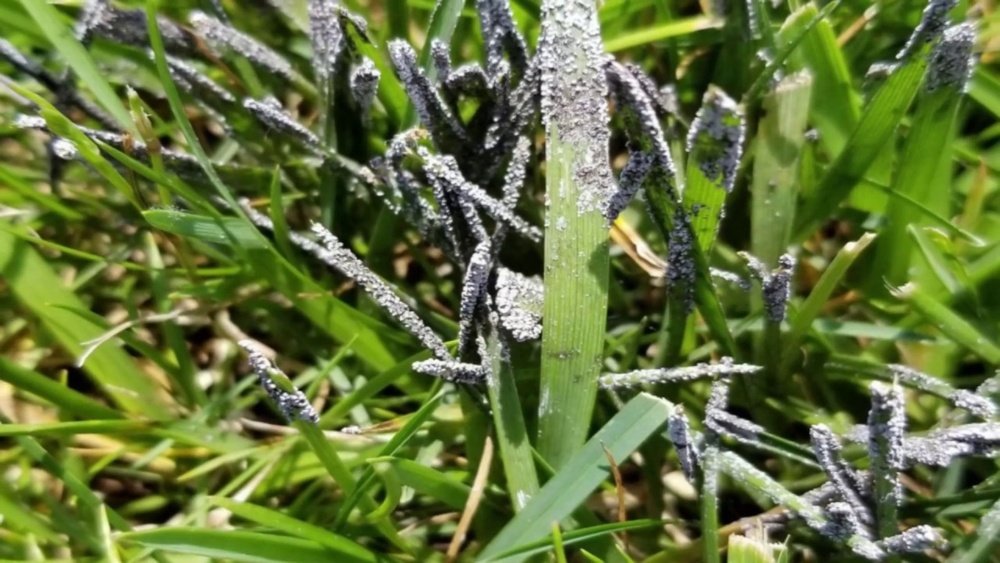
Many homeowners are surprised the first time they spot slime mold on their lawns. It can look alarming—like patches of gray, black, or yellow goo spreading across the grass overnight. But unlike fungal diseases that kill turf, slime mold is usually harmless to your grass. Still, its appearance can be unsightly and sometimes confusing. If you want to understand what slime mold is and how to handle it, this guide will explain everything you need to know, step by step.
What Is Slime Mold On Lawn?
Slime mold is not a fungus, even though it often gets mistaken for one. Instead, it is a primitive organism in the group called myxomycetes. When conditions are right—often after rainy or humid weather—it appears as a thin, powdery, or jelly-like coating on grass blades, mulch, or even sidewalks.
These molds are not usually harmful. They do not attack grass roots or leaves, and they do not produce toxins. Their main food source is bacteria and organic matter in the soil. However, slime mold can block sunlight from reaching grass if it covers a large area, which may cause mild yellowing. The key is knowing when to act and how to remove it without damaging your lawn.
Why Slime Mold Appears
Understanding why slime mold pops up helps prevent it in the future. Here are the main reasons:
- Prolonged moisture: Slime mold thrives in wet, humid environments, especially after rain or heavy dew.
- Shady areas: Lawns with lots of shade and poor air circulation are more prone to outbreaks.
- Thick thatch: Organic debris buildup at the soil surface gives slime mold a perfect place to grow.
- Nutrient-rich conditions: Fertilizer runoff or decomposing leaves add organic matter, which slime mold loves.
It’s worth noting that some lawns never see slime mold, while others get it every year. Usually, it’s a sign that your yard has extra moisture and organic material.
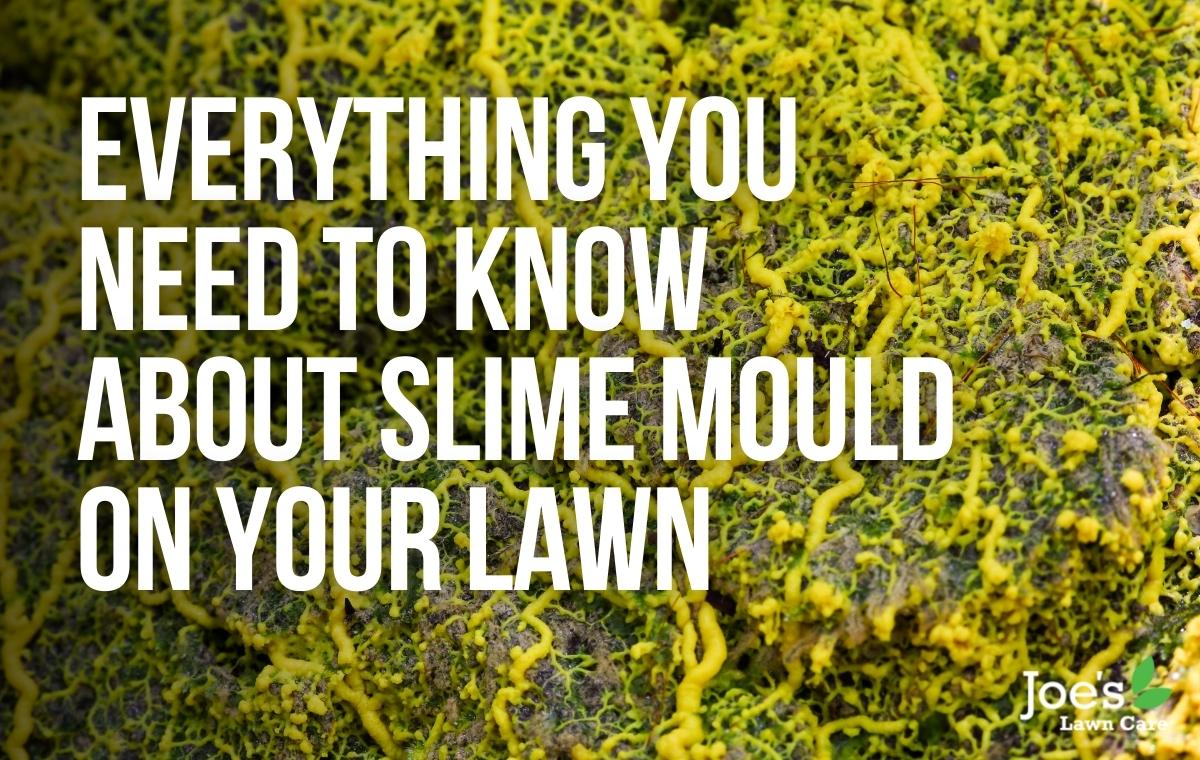
Credit: joeslawncare.co.uk
How To Identify Slime Mold
Before you try to treat slime mold, make sure that’s really what you’re dealing with. Here’s how to spot it:
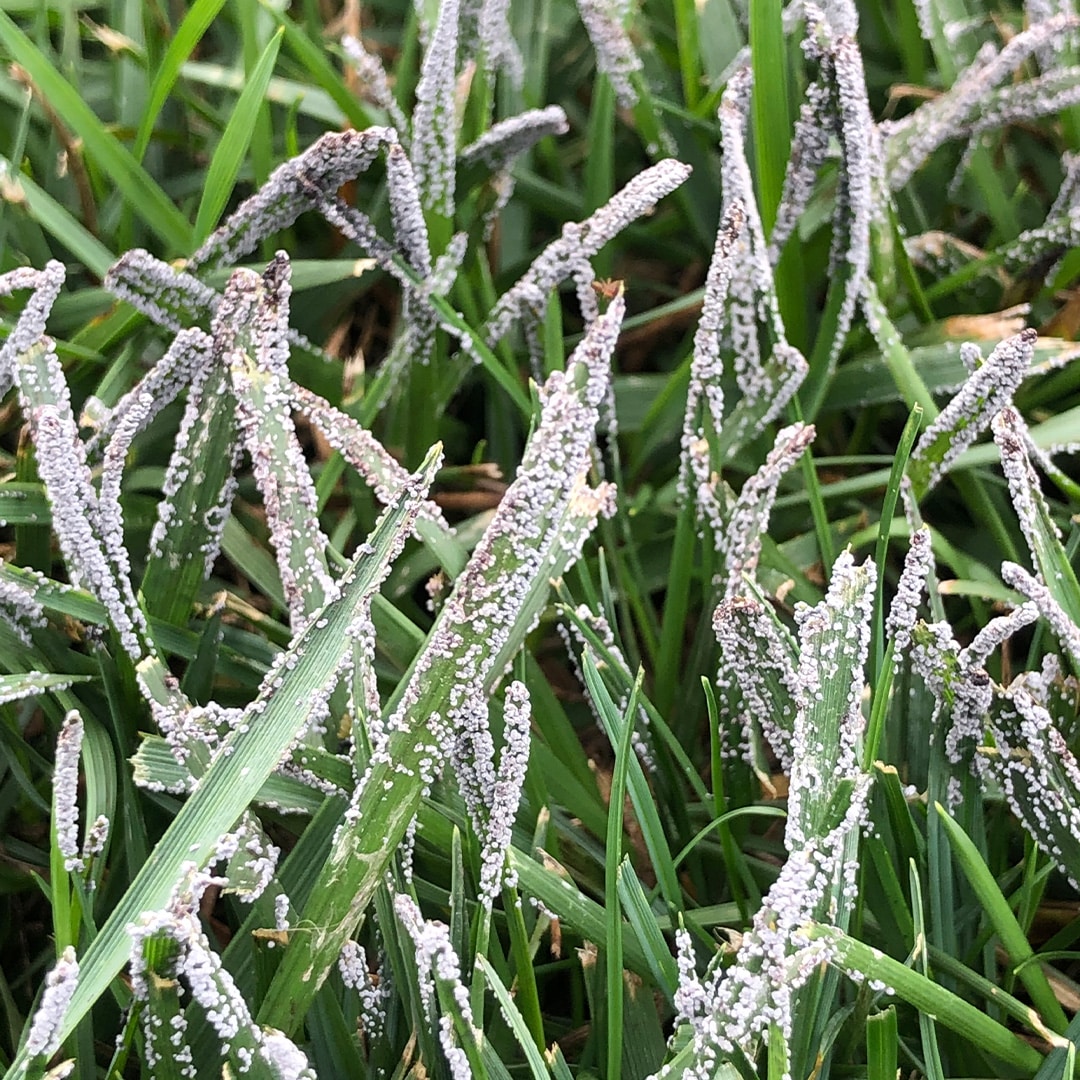
- Color: Slime mold can look gray, black, white, yellow, or even pink. The color changes as it matures.
- Texture: It often appears as a powdery, crusty, or jelly-like mass.
- Location: It covers the surface of grass blades, not the soil. You might see it in patches or streaks.
- Easily removed: If you brush it, most of the mold comes off easily, showing healthy grass beneath.
Slime mold is different from common fungal lawn diseases. Fungal diseases usually cause grass to rot or wilt. Slime mold just sits on top and rarely causes lasting damage.
Steps To Treat Slime Mold On Lawn
Now, let’s look at how to handle slime mold if you want it gone. These steps will help you control and prevent it:
1. Do Not Panic
Slime mold looks dramatic, but it’s not dangerous. It will not kill your grass. In most cases, it disappears on its own within a week or two when weather dries out. Many people choose to do nothing and simply wait.
2. Remove Manually
If you want to get rid of slime mold faster, you can remove it by hand:
- Use a broom, rake, or stiff brush to sweep the mold off the grass.
- A strong jet of water from a hose can also wash it away.
- Collect any large, jelly-like clumps and throw them in the trash.
Manual removal works best in the morning, when the mold is still moist and loose. If it dries and hardens, it will flake off naturally after a few days.
3. Improve Lawn Drainage
Since slime mold loves moisture, reducing water on your lawn is key. Here’s how:
- Aerate compacted soil to help water drain.
- Fill in low spots where water stands after rain.
- Avoid overwatering and water only in the early morning, so grass dries quickly.
Better drainage makes your lawn less inviting to slime mold.
4. Reduce Shade
Lawns that stay damp because of shade are more likely to get slime mold. Trim trees or shrubs to let in more sunlight. This helps the grass dry faster and makes conditions less friendly for mold growth.
5. Control Thatch
Thatch is a thick layer of dead grass and roots that builds up at the soil surface. Slime mold loves to grow on thatch. Dethatch your lawn once a year if the thatch is over 1/2 inch (about 1. 3 cm) thick.
Here’s a comparison of different lawn care tools for dethatching:
| Tool | Best For | Ease of Use | Effectiveness |
|---|---|---|---|
| Manual Rake | Small lawns | Medium | Good |
| Dethatching Machine | Large lawns | Easy | Excellent |
| Lawn Scarifier | Medium lawns | Medium | Very Good |
6. Adjust Fertilizer Use
Too much fertilizer—especially those high in nitrogen—can encourage slime mold by boosting organic matter in the soil. Follow these tips:
- Test your soil and use only the nutrients your grass needs.
- Avoid over-fertilizing, especially in shady or damp areas.
- Use slow-release fertilizers to prevent sudden surges in growth.
7. Mow Properly
Cutting your grass too short stresses the lawn and may make slime mold more noticeable. Always mow at the recommended height for your grass type. Keep mower blades sharp so you don’t injure the grass.
8. Increase Air Circulation
Stagnant air keeps your lawn wet for longer. Space out plants, remove dense groundcovers, and encourage wind flow to help grass dry out quickly.
9. Remove Lawn Debris
Leaves, grass clippings, and dead branches all add organic matter that slime mold feeds on. Clean up your lawn regularly, especially after mowing or storms.
10. Avoid Chemical Fungicides
Most chemical fungicides do not work on slime mold because it is not a true fungus. Using chemicals is usually a waste of money and may harm helpful organisms in your soil.
11. Water Less Often
Frequent, shallow watering keeps the surface wet and helps slime mold thrive. Water deeply but less often to encourage deeper roots and dry the grass surface between waterings.
Here’s a simple table comparing watering strategies:
| Watering Method | Frequency | Grass Health | Slime Mold Risk |
|---|---|---|---|
| Frequent, shallow | 3-4 times/week | Poor | High |
| Deep, infrequent | 1-2 times/week | Good | Low |
12. Monitor Weather Conditions
Slime mold outbreaks usually happen after long periods of rain or humidity. During these times, check your lawn often and act quickly if you see mold starting to grow.
13. Use Mulch Carefully
Mulch can help your plants, but too much holds moisture and feeds slime mold. Use a thin layer (no more than 2 inches, about 5 cm), and keep mulch away from direct contact with grass.
14. Reseed Bare Patches
Thin or bare spots in your lawn are more likely to get slime mold. Reseed these areas in early fall or spring to encourage thick, healthy turf that resists mold growth.
15. Be Patient
In most cases, the best treatment is simply to wait. Slime mold is short-lived. It will dry up and disappear as the weather improves, leaving your lawn unharmed.
Non-obvious Insights Most Homeowners Miss
Most guides focus only on removing slime mold, but two details are often overlooked:
- Soil compaction is a hidden factor. Compacted soil keeps moisture near the surface, which is perfect for slime mold. Regular aeration (once per year) helps more than people realize.
- Mulch type matters. Wood chips and leaf mulch break down slowly, providing a long-term food source for slime mold. Switching to pine bark or composted mulch can reduce outbreaks over time.
When To Call A Professional
Most slime mold problems do not need expert help. However, if you see:
- Patches that last more than three weeks
- Mold that comes back every month, no matter what you try
- Grass that turns brown and dies underneath the mold
It’s a good idea to call a local lawn care specialist. They can test your soil, check for hidden drainage issues, and provide targeted advice.

Credit: www.youtube.com
Preventing Slime Mold In The Future
Once you have cleared slime mold from your lawn, simple changes make a big difference:
- Keep your yard tidy and free of organic debris.
- Water and fertilize your lawn only as needed.
- Mow regularly and avoid cutting grass too short.
- Improve sunlight and airflow by trimming nearby plants.
These habits not only prevent slime mold but also create a healthier, stronger lawn overall.
Frequently Asked Questions
What Is The Main Cause Of Slime Mold On Lawns?
Slime mold grows when there is excess moisture and lots of organic matter. Shady, damp lawns with thick thatch or mulch are most at risk, especially after rainy weather.
Is Slime Mold Dangerous For Pets Or Children?
No, slime mold is not toxic to pets or people. It might look strange, but touching or walking on it is safe. Just wash hands after handling, especially if you have sensitive skin.
Can I Use Vinegar Or Home Remedies To Kill Slime Mold?
Home remedies like vinegar, baking soda, or bleach are not effective and may harm your grass. Manual removal and improving lawn conditions work best.
How Long Does Slime Mold Usually Last?
Slime mold usually lasts a few days to two weeks. It disappears naturally as the weather dries out. If it stays longer, check for drainage or shade problems.
Will Slime Mold Kill My Grass?
Slime mold does not kill grass. It covers the blades but does not attack roots or leaves. After removal, your lawn will recover fully.
If you want to learn more about slime mold biology and lawn care, you can visit the Wikipedia page on slime molds for more in-depth information.
Slime mold on your lawn can look strange, but it’s rarely a big problem. With the right steps, you can keep your grass healthy and looking its best all season long.
Credit: www.greenimagelawncare.com