
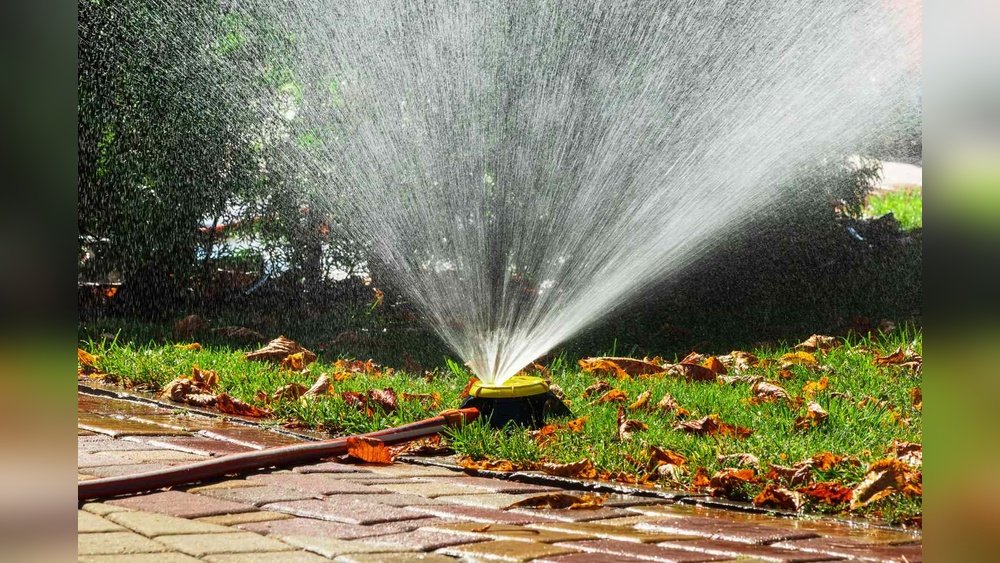
As fall arrives and the days get shorter, many homeowners start to wonder: when should I stop watering my lawn in fall? Watering at the wrong time can waste water, harm grass, or leave your lawn unprepared for winter. Getting the timing right means your grass will survive the cold months and bounce back healthy in spring. Let’s explore the details, answer key questions, and make sure you know exactly when—and how—to put the sprinklers away for the season.
Why Fall Watering Matters
A lot of people think grass stops needing water as soon as the weather cools down. That’s not true. In many regions, fall is a critical time for grass. The roots keep growing even when the blades slow down. Water helps roots store energy for winter, repair summer damage, and resist disease.
But overwatering late in fall can be harmful. Too much moisture encourages disease like snow mold, attracts pests, and can make your lawn vulnerable to winter kill. The trick is to find the right moment to stop watering.
Key Factors That Affect When To Stop Watering
There’s no single date that fits everyone. Instead, look at these important factors:
1. Grass Type
- Cool-season grasses (like Kentucky bluegrass, fescue, or ryegrass) stay active longer in fall and need water later into the season.
- Warm-season grasses (such as Bermuda, zoysia, or St. Augustine) slow down earlier and need less water by late summer or early fall.
2. Local Climate
In regions with early frosts, lawns go dormant sooner. In mild climates, grass may grow well into November. Look for local weather patterns: first frost dates, daytime temperatures, and rainfall.
3. Soil Type
- Sandy soil drains fast and dries out quickly, so it may require watering longer.
- Clay soil retains moisture, so you can stop watering earlier.
4. Recent Rainfall
If your area gets steady fall rain, you may not need to water at all. If it’s dry, grass may need some extra help.
5. Lawn Age And Condition
Newly seeded or sodded lawns need more water to establish roots, even in fall. Older, healthy lawns are more resilient.
The Ideal Time To Stop Watering
A good rule is to stop watering your lawn when the ground begins to freeze at night, or when grass stops growing and turns brown. In most cases, this happens when daytime temperatures consistently drop below 40°F (4°C), or after your area’s first hard frost.
A hard frost means the ground stays frozen, not just a light overnight chill. After this, grass goes dormant and stops using water.
Signs It’s Time To Stop Watering
- Grass growth slows or stops.
- You see consistent morning frost.
- Soil feels cool and moist, not dry.
- Leaves start falling from trees.
- Your mower barely collects any clippings.
How To Adjust Your Fall Watering Routine
As the season changes, you don’t need to stop all at once. Instead, adjust your routine:
- Reduce frequency: Water less often as temperatures drop and rain increases.
- Shorten run times: Cut your sprinkler time by half in late September or October.
- Water early: Always water in the morning to prevent fungal growth.
- Skip after rain: Don’t water if you get more than 1 inch (2.5 cm) of rain in a week.
Example Fall Watering Schedule
| Month | Cool-Season Grass | Warm-Season Grass |
|---|---|---|
| September | Once per week | Once every 10 days |
| October | Every 10 days | Stop (if dormant) |
| November | Stop after first hard frost | Stop |
:strip_icc()/GettyImages-2175823740-4dc0c0369a204a5cbcb6cf53aec73b7f.jpg)
Credit: www.bhg.com
Why Stopping At The Right Time Is Important
Ending watering at the correct time does more than save water:
- Prevents lawn disease: Wet grass plus cool weather is perfect for fungus.
- Protects roots: Too much water before winter can suffocate roots.
- Improves cold tolerance: Grass that’s not stressed by excess water survives winter better.
- Prepares for spring: Healthy roots mean green-up happens faster next year.
Common Mistakes People Make
Even experienced gardeners can get it wrong. Here are common mistakes to avoid:
- Stopping too early: If you stop in early fall, roots don’t get enough moisture before winter.
- Watering during frost: This can freeze roots and damage the lawn.
- Ignoring rainfall: Not adjusting for rain leads to overwatering.
- Watering in the evening: Wet grass overnight is an invitation for diseases.
- Believing all grass is the same: Each lawn is unique—grass type, soil, and climate matter.
How To Monitor Lawn Moisture
If you’re unsure, check soil moisture before watering. Insert a screwdriver or small shovel 6 inches into the soil. If it’s moist, you can skip watering. If it’s dry and crumbly, water lightly.
A soil moisture meter is another useful tool. These are inexpensive and help you know exactly when your lawn needs water.
Winterizing Your Sprinkler System
Once you stop watering, don’t forget to protect your sprinkler system from freezing. Here’s what to do:
- Turn off the water supply: Shut off the main valve to outdoor faucets or irrigation.
- Drain the system: Use the manual or automatic drain valves, or blow out lines with compressed air.
- Remove hoses and timers: Disconnect and store them indoors.
- Insulate exposed pipes: Wrap with foam covers to prevent freezing.
Proper winterization avoids costly repairs in spring.

Credit: www.youtube.com
Regional Differences In Lawn Watering
Where you live changes everything. Here’s how timing might differ:
| Region | Typical Stop Date | Notes |
|---|---|---|
| Northern US/Canada | Early October | First hard frost often comes early |
| Midwest | Mid to late October | Cool-season grass stays active longer |
| Southern US | Late October to November | Some warm-season lawns stay green longer |
| Pacific Northwest | Mid October | Heavy fall rains usually take over |
| Mountain West | Late September to early October | Soil freezes early; short fall season |
Real-world Example
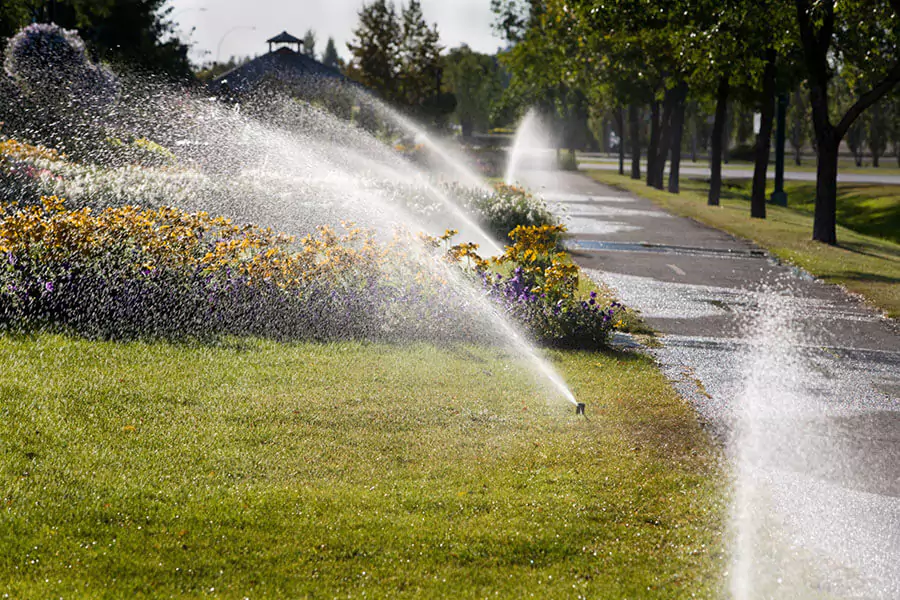
Jenna lives in Minnesota, where first frost usually comes in early October. She watches the weather forecast and stops watering after the first hard frost. Her lawn bounces back green each spring.
Carlos lives in Texas, with mild falls and warm-season grass. He waters less in October, but stops completely by mid-November when his grass turns brown and dormant.
Credit: texasrainmakers.com
Non-obvious Insights For A Healthy Lawn
- Deep, infrequent watering is best: In fall, it’s better to water deeply and less often. This encourages roots to grow down, not stay near the surface. Shallow roots are more likely to die in winter.
- Monitor night temperatures, not just days: Some homeowners focus only on daytime highs. But it’s the night temperatures dropping below freezing that signals dormancy.
- Aerate before the last watering: Aerating your lawn before the final watering helps water reach roots and reduces soil compaction, giving grass a head start for spring.
- Don’t fertilize right before stopping: Fertilizer can force new growth that won’t survive winter. Apply fall fertilizer a few weeks before your last planned watering.
Comparing When To Stop Watering For Different Grass Types
| Grass Type | Typical Dormancy Start | When to Stop Watering |
|---|---|---|
| Kentucky Bluegrass | Late October | After first hard frost |
| Bermuda | Mid October | When grass turns brown |
| Fescue | Early November | After consistent frosts |
| Zoysia | Mid October | When growth slows significantly |
Frequently Asked Questions
How Much Water Does My Lawn Need In Fall?
Most lawns need about 1 inch of water per week in fall, including rainfall. As temperatures drop, reduce to half an inch, then stop when the grass goes dormant.
Can I Stop Watering Earlier If There’s Heavy Rain?
Yes. If your area receives steady rainfall (more than 1 inch per week), you can stop supplemental watering. Always check soil moisture before deciding.
Does New Grass Need Watering Longer In Fall?
Absolutely. Newly seeded or sodded lawns need regular watering until roots are established, even if that means watering later into fall. Reduce gradually as growth slows.
What Happens If I Stop Watering Too Late?
Overwatering late in fall can lead to lawn diseases like snow mold, create soggy soil, and increase the risk of winter kill. It’s important to watch for signs of dormancy.
Should I Winterize My Irrigation System Right After Stopping Watering?
Yes. Once you stop watering, drain and protect your irrigation system to prevent pipes from freezing and breaking. Don’t delay this step.
As fall draws to an end, paying attention to your grass, soil, and weather is the best way to know when to stop watering. This care now will reward you with a greener, healthier lawn next year. For more science-based lawn care advice, you might visit the Turfgrass Water Conservation Alliance. With smart watering, your lawn can survive even the toughest winter.
You’re now ready to make the right call for your yard—no guesswork needed.