
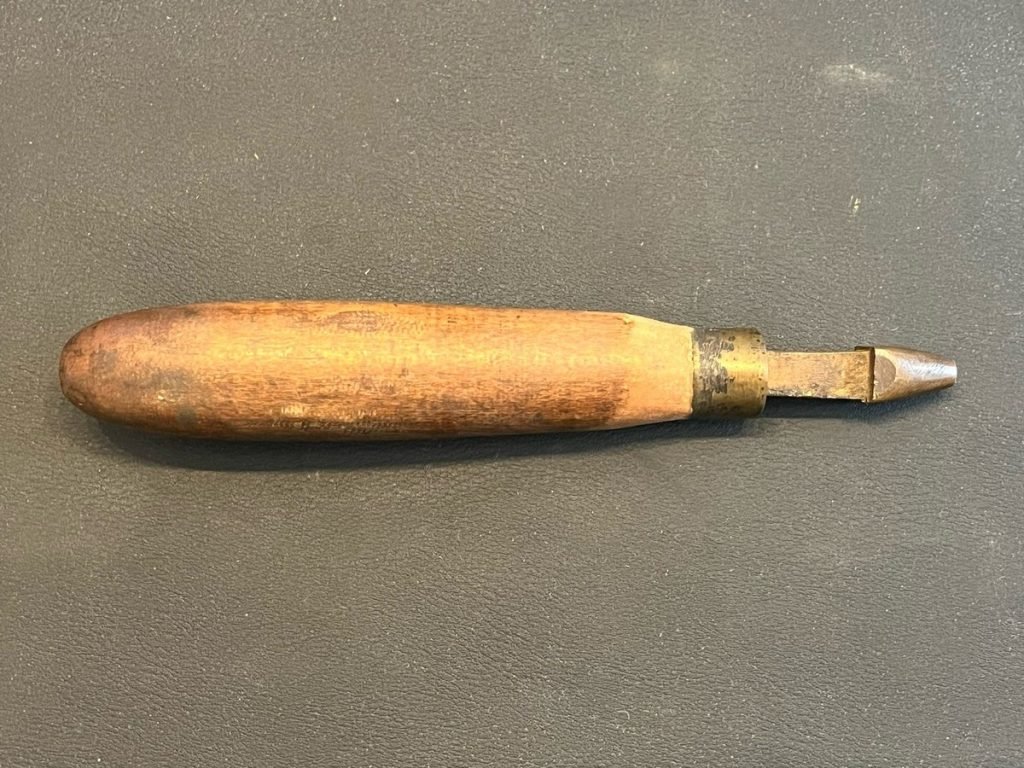
Regular cleaning, oiling, and inspection extend the life of wooden tool handles.
Wooden tool handles, while sturdy and reliable, require proper care to ensure longevity and effectiveness. Known for their natural feel and shock absorption, these handles can degrade if neglected. This guide dives deep into the best practices for maintaining your wooden tool handles, offering expert insights and practical advice. Equip yourself with the knowledge to keep your tools in peak condition, enhancing your work experience and tool longevity.
Understanding Wooden Tool Handles
Wooden tool handles add a traditional charm, providing a comfortable grip and excellent balance. However, wood is susceptible to environmental factors such as moisture and temperature changes. Understanding these vulnerabilities is the first step in crafting a solid maintenance plan.
Why Care Matters
Even the toughest wood can weaken over time due to exposure to the elements. A lack of care can lead to splinters, cracks, and eventual breakage. Belonging to a lineage of woodworkers, I’ve seen how consistent maintenance preserves the elegance and functionality of tools.
Choosing the Right Wood
The type of wood influences durability. Hickory, ash, and oak are popular choices due to their strength and resilience. Knowing your handle’s material helps tailor the care routine, avoiding unnecessary wear.
Regular Cleaning and Maintenance
Cleaning your wooden handles after each use is crucial. Dirt and moisture are silent culprits that can deteriorate wood over time.
- Remove debris using a dry cloth. Avoid water-soaked materials as they may penetrate the wood, leading to rot.
- Sand the surface gently if you notice rough patches. A fine-grit sandpaper can smooth out imperfections, preventing splintering.
Oiling for Protection
Oil acts as a barrier against moisture, nourishing the wood and enhancing its sheen.
- Use linseed or tung oil, applying a thin layer with a cloth.
- Allow the oil to soak in, then wipe off excess to prevent stickiness.
- Repeat monthly or more often in humid environments.
Inspections: Spotting Early Signs of Wear
Regular inspections can prevent minor issues from becoming major problems.
- Look for cracks or splinters. Address these immediately to maintain structural integrity.
- Ensure the handle is securely attached to the tool head to prevent accidents.
Repair vs. Replace
In some cases, repair is possible using wood filler for small cracks. However, significant damage might necessitate replacement to maintain safety and effectiveness.
Storing Tools Properly
Proper storage extends the life of wooden handles.
- Keep tools in a dry, cool environment.
- Avoid stacking tools in a way that may warp the handles.
Seasonal Considerations
Changes in temperature and humidity can affect wood. During colder months, increase oiling frequency to combat dryness.
Personal Insights and Real-Life Examples
Throughout my career, I've witnessed the difference proper maintenance can make. For instance, an old hammer passed down through generations maintained its form thanks to regular oiling and careful storage. Emphasizing these practices can transform your tools into lasting heirlooms.
Frequently Asked Questions of How to Care for Wooden Tool Handles Tips
How often should I oil wooden handles?
Oiling should be done monthly, but increase frequency in high humidity or dryness to protect the wood.
Can I use any oil on wooden handles?
Use linseed or tung oil for best results, as they penetrate well and provide lasting protection.
What if a handle develops a crack?
Small cracks can be filled with wood filler. For large splits, consider handle replacement for safety.
Is sanding necessary if the handle is smooth?
Sanding isn't needed for smooth handles. Only sand if rough patches or splinters emerge.
Why is storage important for wooden tool handles?
Proper storage prevents moisture buildup and warping, extending handle life and maintaining strength.
Conclusion
Caring for wooden tool handles is a rewarding practice that ensures your tools remain reliable allies in your work. By incorporating regular cleaning, oiling, and strategic storage, you preserve the charm and efficacy of these essential companions. Start applying these techniques today to enjoy tools that stand the test of time. Explore our additional resources for more insights, and share your experiences in the comments below!
