
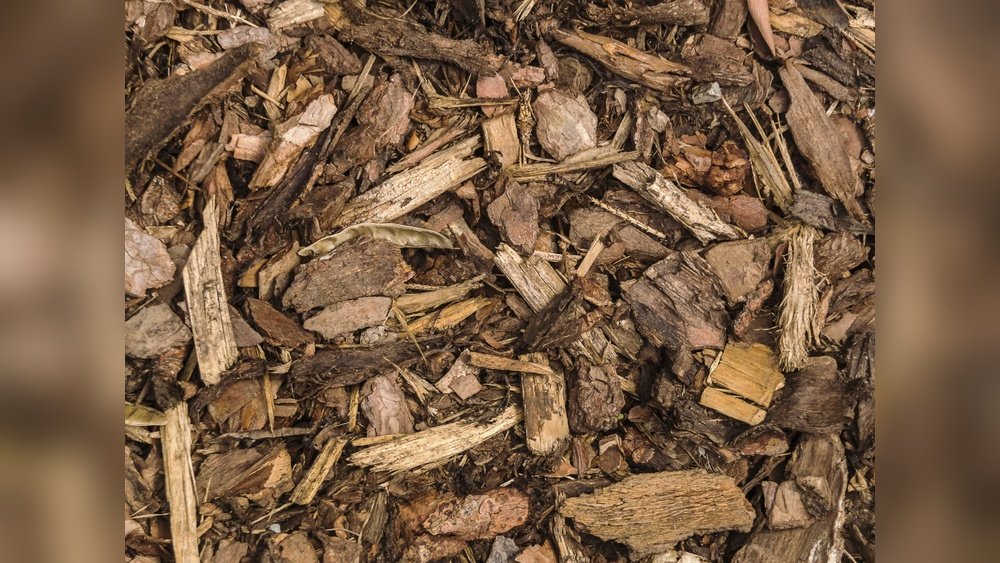
If you want your garden beds to thrive, using wood chips can be a game changer—but only if you use them the right way. Wood chips are more than just a simple mulch; they help improve soil health, retain moisture, and keep weeds at bay.
However, if you don’t apply them correctly, they might cause problems like pest infestations or moisture issues. You’ll discover easy and practical tips on how to use wood chips in your garden beds so your plants grow stronger, your soil stays healthy, and your garden looks its best all season long.
Ready to unlock the full benefits of wood chips? Let’s dive in!
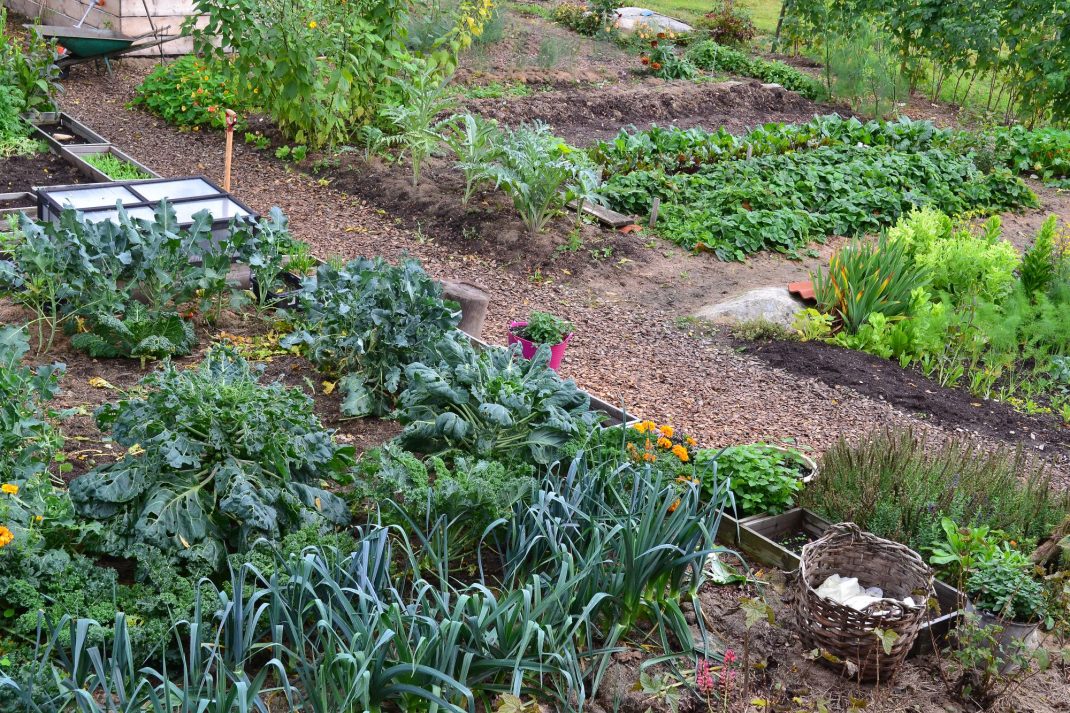
Credit: sarabackmo.com
Benefits Of Wood Chips
Wood chips offer many advantages for garden beds. They improve soil, save water, and protect plants. Using wood chips creates a healthier garden environment. These benefits help plants grow stronger and reduce maintenance work.
Improving Soil Health
Wood chips break down and add organic matter to the soil. This process improves soil structure and fertility. It encourages beneficial microbes and earthworms. These organisms help roots absorb nutrients better. Over time, wood chips make soil richer and more alive.
Moisture Retention
Wood chips form a layer that holds moisture in the soil. This reduces the need to water plants often. Moist soil helps roots stay healthy and grow deep. It also protects soil from drying out during hot days. Using wood chips saves water and supports plant growth.
Weed Suppression
A thick layer of wood chips blocks sunlight from reaching weed seeds. This prevents many weeds from sprouting. Fewer weeds mean less competition for water and nutrients. Garden beds stay cleaner and require less weeding work. Wood chips create a natural barrier against unwanted plants.
Temperature Regulation
Wood chips act as insulation for garden soil. They keep the soil cooler in hot weather. They also protect roots from freezing in winter. Stable soil temperature helps plants avoid stress. Wood chips create a safer and more comfortable environment for plants year-round.
Choosing The Right Wood Chips
Choosing the right wood chips is key for healthy garden beds. The type of wood chips affects soil health, moisture retention, and plant growth. Understanding the differences helps you pick the best option for your garden.
Types Of Wood Chips
Wood chips come from various trees like pine, oak, and cedar. Pine chips are soft and break down quickly, adding nutrients fast. Oak chips last longer and improve soil structure. Cedar chips repel pests but can slow plant growth. Choose chips based on your garden needs.
Avoiding Harmful Materials
Not all wood chips are safe for gardens. Avoid chips treated with chemicals or paint. These can harm plants and soil life. Also, steer clear of chips from black walnut trees. They release juglone, which can kill some plants. Use natural, untreated wood chips only.
Fresh Vs. Aged Chips
Fresh wood chips look bright and smell strong. They can pull nitrogen from the soil as they decompose. Aged chips are darker and softer. They add nutrients slowly without harming plants. For best results, use aged chips or let fresh ones sit for a few months before applying.
Preparing Garden Beds
Preparing garden beds is the first step to a healthy and productive garden. Proper preparation helps wood chips work better as mulch. It creates a good environment for plants to grow strong roots and stay moist. Taking time to prepare your beds will save effort later and improve plant health.
Clearing And Weeding
Start by removing all weeds and old plants from the bed area. Pull out roots to stop weeds from growing back quickly. Clear away rocks, sticks, and debris that might block root growth. This makes space for new plants and helps wood chips stay clean on the surface.
Soil Preparation Tips
Loosen the soil with a garden fork or tiller to improve air and water flow. Mix in compost or organic matter to add nutrients. This helps the soil hold moisture under the wood chips. Check soil pH and adjust if needed for the plants you want to grow. Well-prepared soil supports healthy roots and better plant growth.
Setting Bed Dimensions
Decide the size and shape of your garden beds before adding wood chips. Keep beds narrow enough to reach the center easily without stepping on soil. Raised beds can improve drainage and soil warmth. Mark bed edges clearly to keep wood chips inside and pathways clean. Correct bed size helps manage plants and mulch better.
Applying Wood Chips Correctly
Applying wood chips correctly in garden beds helps plants grow healthy. Proper use protects soil, retains moisture, and controls weeds effectively. Follow these tips to get the best results with wood chip mulch.
Recommended Mulch Depth
Spread wood chips evenly around your plants. Keep the mulch layer about 2 to 4 inches thick. Too thin, and it won’t protect the soil well. Too thick, and it can block water and air from reaching roots.
Creating Mulch Rings
Make a ring of mulch around each plant or tree. Leave some space near the base to avoid moisture buildup. This ring stops grass and weeds from stealing water and nutrients. It also helps roots grow better.
Avoiding Mulch Volcanoes
Do not pile mulch high against tree trunks. This “mulch volcano” traps moisture and invites pests. It can cause the trunk to rot and harm the plant. Keep mulch a few inches away from stems for healthy growth.
Maintaining Wood Chips
Maintaining wood chips in garden beds is essential to keep plants healthy and soil protected. Proper care helps wood chips last longer and prevents common problems. Regular checks and simple actions make a big difference.
When To Reapply
Wood chips break down over time. This natural process adds nutrients to the soil. Watch the thickness of the wood chips layer. If it is less than two inches, it is time to add more. Reapply wood chips every 1 to 2 years for best results. Spring or fall are good seasons to refresh your mulch.
Managing Decomposition
Decomposition keeps soil healthy but needs balance. Too fast decay means losing mulch too soon. Keep wood chips slightly moist to slow drying out. Avoid piling chips too thick, which can stop air flow. Turn or fluff the chips once in a while to help air reach the soil. This prevents bad smells and mold growth.
Monitoring For Pests
Wood chips can hide pests like slugs, ants, or earwigs. Check your garden beds regularly for unwanted insects. Look under wood chips and near plant stems. Remove pests by hand or use safe traps. Avoid piling wood chips against plant stems to stop pests from reaching them. Good garden hygiene helps keep pests under control.
Common Mistakes To Avoid
Using wood chips in garden beds brings many benefits like moisture retention and weed control. Avoid common mistakes to get the best results. These errors can harm your plants or reduce the benefits of wood chips. Follow these tips to keep your garden healthy and thriving.
Using Wrong Soil Mix
Wood chips work best with well-draining soil. Avoid using heavy clay or compacted soil mixes. Poor soil makes it hard for roots to grow and absorb nutrients. Mix organic matter into the soil before adding wood chips. This improves soil texture and helps plants thrive.
Overcrowding Plants
Planting too close together limits air flow and sunlight. Overcrowded plants compete for water and nutrients. Wood chips can hide this problem, making it worse. Space plants properly to allow room for growth. Healthy spacing reduces disease and boosts plant health.
Improper Mulch Placement
Keep wood chips away from plant stems and trunks. Piling mulch directly against stems traps moisture and invites pests. This can cause rot and damage plants. Spread wood chips evenly in a thin layer around plants. Leave a gap of a few inches near stems for air circulation.
Wood Chips And Pest Control
Wood chips serve many purposes in garden beds. One key benefit is their role in pest control. Using wood chips properly can help reduce garden pests naturally. Understanding the relationship between wood chips and pests helps gardeners maintain healthy plants. This section explores important tips to manage pests with wood chips.
Insect Harborage Risks
Wood chips can provide shelter for insects. Some insects, like slugs and ants, may hide under chips. This can increase pest problems if chips are piled too thickly. Avoid placing wood chips directly against plant stems. Keep mulch layers thin to reduce insect hiding spots. Regularly check mulch for unwanted pests. Proper spacing and maintenance lower insect risks.
Natural Pest Deterrents
Certain wood chips repel pests naturally. Cedar and cypress chips have oils that insects dislike. These chips can reduce some insect activity in garden beds. Using these types of wood chips helps protect plants. Mixing wood chips with other organic matter boosts pest control. This creates a less inviting environment for harmful insects.
Integrated Pest Management
Wood chips work best with other pest control methods. Combine mulching with crop rotation and companion planting. Encourage beneficial insects by planting flowers nearby. Beneficial bugs help keep pest populations down. Use wood chips as part of a balanced pest management plan. This approach keeps your garden healthy and pest-free.
Seasonal Tips For Wood Chip Use
Wood chips add many benefits to garden beds throughout the year. Using them right depends on the season. Adjusting your wood chip use helps protect plants and improve soil health. Follow these simple seasonal tips for best results.
Winter Protection
In winter, wood chips act as a blanket for your soil. They keep the ground warmer, preventing frost damage. Spread a thick layer around plant bases to shield roots from cold. Avoid piling chips against plant stems to stop rot. This layer also reduces soil freezing and thawing, protecting soil life.
Summer Mulching Strategies
During summer, wood chips help retain soil moisture. A 2-3 inch layer cuts water evaporation and cools roots. This is vital in hot, dry climates. Mulch also stops weeds from growing and competing for water. Check mulch depth often and add more if it thins out. Keep chips away from plant stems to avoid pests.
Spring Renewal
Spring is the time to refresh your wood chip mulch. Remove old, compacted chips that block air and water. Add a fresh layer to improve soil nutrients as the chips break down. This supports new plant growth and root development. Rake chips gently to mix them with soil for better results.
Wood Chips In Raised Beds
Wood chips add many benefits to raised garden beds. They help keep moisture, reduce weeds, and improve soil health over time. Using wood chips in raised beds needs careful planning. This ensures plants get the right nutrients and water they need. Below are important tips for using wood chips in raised beds effectively.
Soil Mix Compatibility
Wood chips work best with a balanced soil mix. Combine wood chips with compost and garden soil to create rich, loose soil. Avoid using too many wood chips alone. They can tie up nitrogen, slowing plant growth. Mixing wood chips with compost helps release nutrients slowly. This mix supports strong root development and healthy plants.
Drainage Considerations
Raised beds usually drain well, but wood chips affect water flow. Large wood chips can slow drainage and hold extra moisture. This helps during dry times but may cause root rot if too wet. Use smaller wood chips or shredded mulch for better drainage. Check soil moisture regularly. Adjust wood chip amounts to keep soil moist but not soggy.
Optimizing Plant Growth
Wood chips create a natural mulch layer that protects plants. They keep soil temperature stable and reduce water evaporation. This helps plants grow strong with less stress. Spread wood chips evenly over the bed surface. Leave space around plant stems to prevent rot. Refresh wood chips each year as they break down. This keeps your raised beds healthy and productive.

Credit: www.landscape-design-in-a-day.com

Credit: www.nytimes.com
Frequently Asked Questions
What Are The Disadvantages Of Using Wood Chips In Vegetable Gardens?
Wood chips can hide soil moisture, making watering timing hard. They break down quickly and attract pests like slugs and ants. Regular reapplication is necessary, increasing maintenance efforts in vegetable gardens.
What Is The 3-3-3 Rule For Mulch?
The 3-3-3 rule for mulch means applying a 3-inch deep layer, keeping mulch 3 inches away from the trunk, and maintaining a 3-foot wide mulch ring. This promotes healthy roots, prevents moisture buildup, and protects the tree from pests and rot.
What Are Three Mistakes To Avoid When Gardening With Raised Beds?
Avoid using compacted garden soil; choose light, well-draining mix. Place beds in sunny, accessible water spots. Prevent overcrowding to ensure healthy plant growth.
Is October Too Late To Mulch?
October is not too late to mulch. Apply mulch before the ground freezes to protect plants and conserve moisture. Mulching now helps soil stay warm and reduces weed growth during winter. Use organic materials like wood chips or straw for best results.
Conclusion
Wood chips add moisture and nutrients to garden beds. They help keep weeds down and protect soil from erosion. Spread them evenly but avoid piling them against plant stems. Refresh wood chips every year or two for best results. Watch for pests that may hide in the mulch.
Using wood chips wisely improves plant health and garden beauty. Try these tips to make your garden stronger and greener. Simple steps lead to great gardening success.