
Designing your home irrigation layout might seem tricky at first, but it’s the key to a healthy, lush lawn and garden. Imagine stepping outside to vibrant greenery that thrives without wasting water or your time.
By planning your irrigation system the right way, you ensure every inch of your landscape gets just the right amount of water. In this guide, you’ll discover simple steps to create an efficient layout that saves water, reduces runoff, and keeps your plants happy year-round.
Ready to take control of your watering and transform your outdoor space? Let’s dive into how you can design a home irrigation layout that works perfectly for your yard.
Credit: extension.okstate.edu
Site Assessment
Before starting your home irrigation layout, a thorough site assessment is essential. This process helps understand your lawn’s specific needs. It ensures the irrigation system works efficiently and conserves water. Careful observation of the site saves time and money during installation.
Measure Your Lawn Area
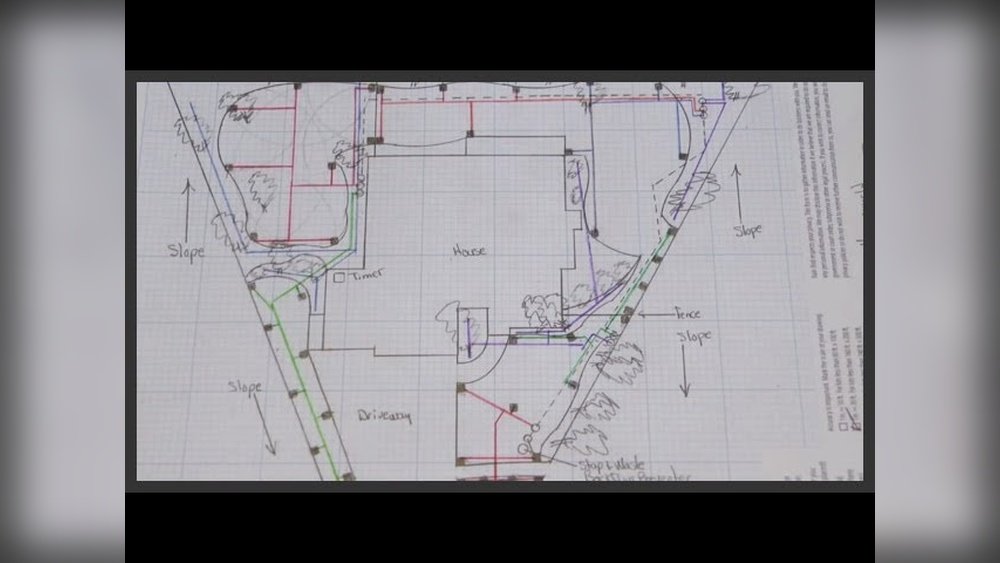
Begin by measuring the entire lawn space. Use a tape measure or a measuring wheel for accuracy. Note the length and width of each section. Draw a rough sketch of your lawn. Mark the dimensions clearly on the sketch. This helps plan sprinkler placement and water coverage.
Identify Water Sources
Locate all available water sources on your property. Check for outdoor faucets, wells, or rainwater tanks. Measure the water pressure and flow rate if possible. This data determines the type of irrigation system suitable. Knowing the water source location helps design efficient pipe routing.
Note Sunlight And Shade Patterns
Observe your lawn throughout the day. Note areas with full sun, partial shade, or full shade. Different plants need different watering amounts. Sunlit areas usually require more water than shaded spots. Mapping these patterns guides sprinkler head placement and watering schedules.
Assess Soil Type And Drainage
Test the soil to identify its type: sandy, clay, or loam. Sandy soil drains quickly but holds less water. Clay soil retains water longer but drains poorly. Loam offers a balance of drainage and water retention. Check for areas where water pools or drains rapidly. Soil type affects irrigation frequency and duration.
System Components
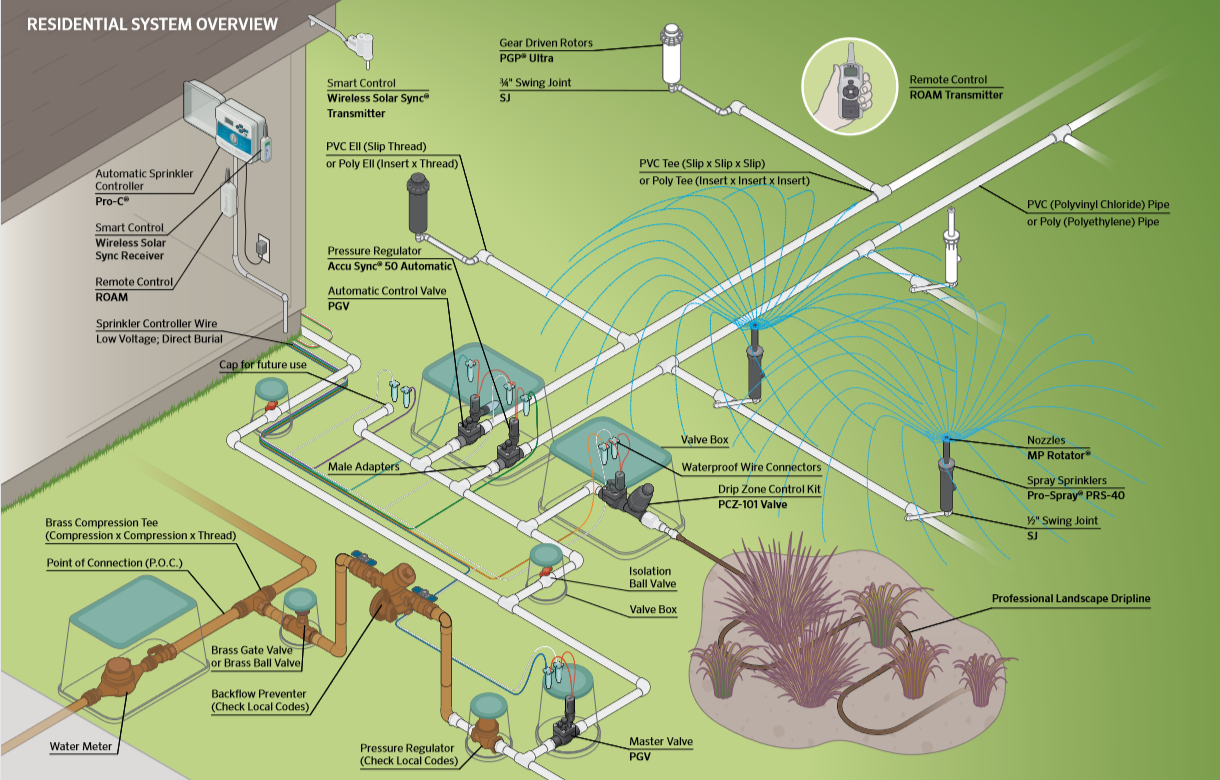
Designing a home irrigation layout starts with understanding the system components. Each part plays a key role in delivering water efficiently to your lawn and plants. Choosing the right components ensures your system runs smoothly and saves water.
Sprinkler Heads Types
Sprinkler heads come in various types to suit different needs. Pop-up sprinklers are common for lawns and stay hidden when off. Rotor sprinklers cover large areas by spinning water streams. Spray heads provide a steady mist for smaller zones. Drip emitters deliver water slowly near plant roots. Match sprinkler type to your garden layout for best results.
Pipes And Tubing
Pipes carry water from the source to sprinklers. Use durable PVC or polyethylene pipes for underground lines. Flexible tubing works well for drip irrigation or tight spaces. Choose pipe size based on water flow and pressure needs. Proper piping prevents leaks and maintains steady water supply.
Valves And Controllers
Valves control water flow to each irrigation zone. Manual valves require hand operation, while automatic valves work with controllers. Controllers schedule watering times and duration for convenience. Programmable controllers save water by adjusting to weather or soil conditions. Reliable valves and controllers improve system efficiency.
Pressure Regulators And Filters
Pressure regulators keep water pressure steady to avoid damage. They protect delicate drip emitters and sprinkler heads. Filters remove debris that can clog pipes and nozzles. Clean water helps system last longer and perform better. Always install regulators and filters in your irrigation design.
Water Pressure And Flow
Water pressure and flow are key factors in designing an effective home irrigation layout. They determine how well water reaches all parts of your garden. Without the right pressure and flow, sprinklers may not cover the area evenly. Understanding these elements helps create a system that saves water and supports healthy plants.
Test Water Pressure
Begin by measuring the water pressure at your outdoor faucet. Use a pressure gauge to get an accurate reading. Most home irrigation systems work best between 30 and 50 psi. Too high pressure can damage pipes and sprinklers. Too low pressure results in poor water coverage.
Calculate Flow Rate
Flow rate is how much water flows through your system each minute. To find this, use a container and timer. Fill the container from the faucet for 30 seconds. Multiply the amount collected by two to get gallons per minute (GPM). This number helps determine how many sprinklers you can run at once.
Account For Friction Loss
Water slows down as it moves through pipes due to friction. The longer the pipe, the more pressure drops. Use friction loss charts to estimate pressure loss for your pipe size and length. Add this loss to your total system needs. This step ensures sprinklers at the far end get enough water.
Adjust For Optimal Pressure
Install pressure regulators if your water pressure is too high. These devices keep pressure steady and protect system parts. If pressure is too low, consider a booster pump. Proper pressure ensures even water spray and prevents misting or runoff. Regularly check and adjust pressure for best results.
Zone Design
Designing zones in a home irrigation layout helps save water and keeps plants healthy. Grouping plants with similar watering needs avoids overwatering or underwatering. Zones also let you control watering times for different areas easily.
Good zone design fits your garden’s sun exposure, terrain, and plant types. Thoughtful planning creates an efficient irrigation system that supports strong root growth and lush landscapes.
Group Plants By Water Needs
Separate plants by how much water they require. Place drought-tolerant plants in one zone. Put moisture-loving plants in another zone. This approach prevents water waste and promotes plant health. It also makes irrigation schedules simpler and more effective.
Plan Zones For Sun And Shade
Plants in sunny spots need more water than those in shade. Design zones based on sunlight exposure to match watering needs. This method helps avoid dry patches and overwatered areas. It keeps the lawn and garden balanced and green.
Consider Slope And Terrain
Water flows downhill, so slope affects irrigation. On slopes, water runs off quickly and may not soak in well. Create separate zones for steep and flat areas. Use drip irrigation or slow watering cycles on slopes. This reduces runoff and ensures deep soil moisture.
Limit Zone Size For Efficiency
Keep zones small enough for even water distribution. Large zones can cause pressure loss and uneven watering. Small zones let you control water flow better and fix problems faster. Efficient zones save water and keep your system running smoothly.
Layout Planning
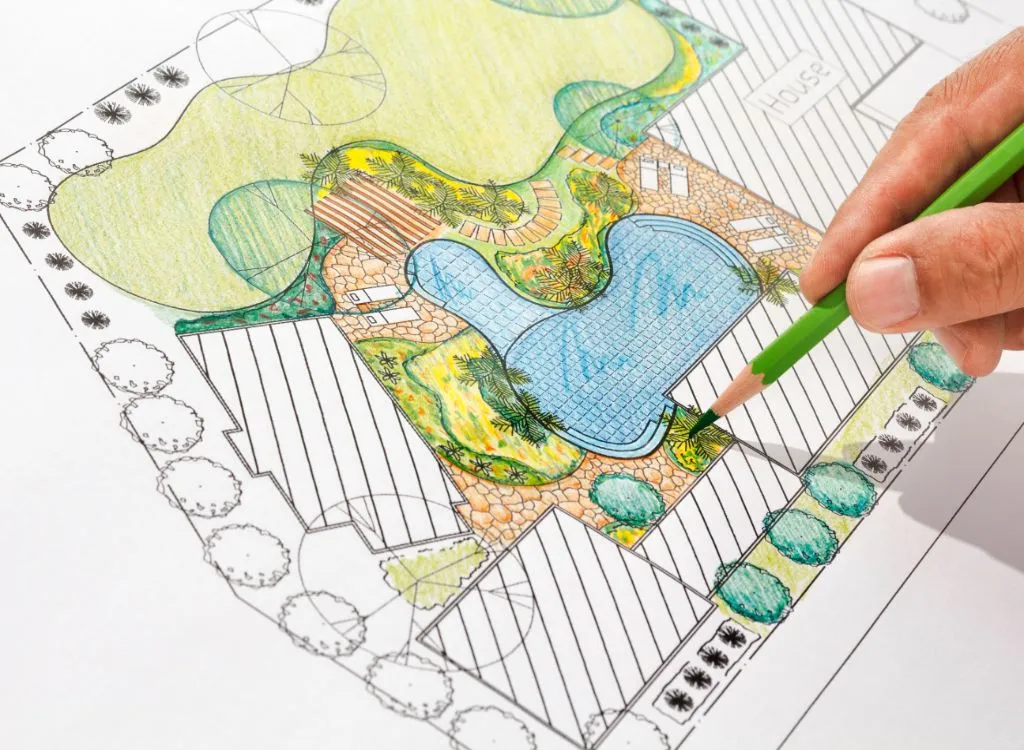
Planning the layout of a home irrigation system is key to maintaining a healthy lawn and garden. A well-thought-out plan ensures every area gets enough water without wasting resources. Start by studying your yard’s shape, size, and plant needs. Mapping out your landscape helps place sprinkler heads effectively. Proper layout planning saves water, time, and money.
Head-to-head Coverage
Place sprinkler heads so their spray overlaps slightly. This is called head-to-head coverage. It ensures water reaches every spot evenly. Overlapping prevents dry patches and reduces water waste. Check the spray radius of each sprinkler and space them accordingly. This layout keeps your lawn lush and uniform.
Odd-shaped Area Strategies
For irregular or odd-shaped areas, use smaller or adjustable sprinklers. Break the space into smaller zones for better coverage. Use drip irrigation for narrow or hard-to-reach spots. Avoid placing sprinklers near sidewalks or driveways to reduce runoff. Customizing the layout fits your unique yard perfectly.
Spacing Sprinkler Heads
Space heads according to their spray distance and water pressure. Too far apart means dry areas, too close wastes water. Follow manufacturer guidelines for spacing. Adjust spacing based on plant type and soil absorption. Proper spacing helps maintain even moisture and healthy plants.
Avoiding Water Waste
Prevent watering sidewalks, streets, or buildings. Use spray shields or adjust sprinkler angles. Water early in the morning or late evening to reduce evaporation. Regularly check for leaks or broken heads. Efficient layout and timing help conserve water and protect your landscape.
Credit: simmonslandscape.com
Drip Irrigation Setup
Drip irrigation offers precise watering directly to plant roots. This method saves water and improves plant health. Setting up a drip irrigation system requires careful planning. Proper layout ensures uniform water distribution and system efficiency.
Choosing Drip Emitters
Select emitters based on plant type and water needs. Emitters come in different flow rates, such as 0.5, 1, or 2 gallons per hour. Use lower flow rates for small plants and higher for larger ones. Choose pressure-compensating emitters for uneven terrain. This keeps water flow steady across the system.
Laying Drip Lines
Place drip lines close to plant roots for best results. Run main tubing along garden beds and branch out with smaller tubes. Avoid sharp bends that can reduce water flow. Secure lines with stakes to keep them in place. Cover lines with mulch to reduce evaporation and protect tubing.
Preventing Pressure Drops
Pressure drops reduce water flow at the end of lines. Use pressure regulators to keep water pressure steady. Avoid long tubing runs without loops or manifolds. Design your layout in zones to balance pressure. Check for leaks and clogs regularly to maintain system efficiency.
Cycle And Soak Method
Watering in short cycles prevents runoff and deepens root growth. Run the system for a few minutes, then pause to let water soak in. Repeat cycles until the soil is moist but not flooded. This method is ideal for clay or compacted soils. It helps water penetrate evenly and reduces waste.
Installation Tips
Installing a home irrigation system needs careful attention. Proper installation ensures even watering and saves water. Follow these tips to set up your system correctly. These steps help avoid common mistakes and keep the system running smoothly.
Trenching And Pipe Laying
Dig trenches at the right depth, usually 6 to 12 inches. Keep trenches straight and avoid sharp turns. Lay pipes carefully to prevent kinks or damage. Use PVC or polyethylene pipes made for irrigation. Join pipes with proper fittings and seal all joints tightly. Cover trenches carefully after checking pipe placement.
Connecting Valves And Controllers
Install valves in a valve box for easy access. Connect valves to the main water line using adapters. Attach wiring from valves to the controller securely. Place the controller in a dry, shaded area near a power source. Program the controller with watering schedules suited for your plants.
Testing The System
Turn on the water and test each zone one by one. Check for leaks, uneven spray, or low water pressure. Adjust sprinkler heads to cover all plants without wasting water. Fix any leaks or blockages before covering pipes. Run the system for a full cycle to ensure proper operation.
Troubleshooting Common Issues
Look for dry spots that may mean blocked or misaligned heads. Inspect valves that do not open or close properly. Clean or replace clogged filters and sprinkler nozzles. Check controller settings for correct timing and zone control. Repair or replace damaged pipes to avoid water loss.

Credit: www.youtube.com
Maintenance Practices
Proper maintenance keeps your home irrigation system running smoothly. It helps avoid water waste and plant damage. Regular care extends the life of the system and saves money on repairs. Follow these simple practices to keep your irrigation layout efficient all year.
Regular System Checks
Check your irrigation system often for leaks or broken parts. Look for uneven watering or dry spots in your lawn. Test all sprinkler heads to ensure they spray in the right direction. Fix any problems quickly to maintain good water coverage.
Cleaning Filters And Nozzles
Remove filters and nozzles regularly to clean out dirt and debris. Clogged parts reduce water flow and cause poor irrigation. Soak nozzles in vinegar or use a soft brush to clear blockages. Clean filters with water to keep them working well.
Adjusting For Seasonal Changes
Change your watering schedule as seasons shift. Plants need less water in cooler months and more in hot weather. Adjust the timer on your controller to avoid overwatering. This saves water and keeps plants healthy all year long.
Winterizing The System
Prepare your irrigation system for winter to prevent damage. Drain all water from pipes and valves before freezing temperatures arrive. Use an air compressor to blow out water from sprinkler lines. Cover exposed parts to protect from frost and cold.
Frequently Asked Questions
What Is The 30/30 Rule For Irrigation?
The 30/30 rule for irrigation means watering for 30 minutes, then waiting 30 minutes before watering again. This reduces runoff and improves soil absorption.
How To Plan A Home Irrigation System?
Plan a home irrigation system by mapping your garden layout and water source. Choose appropriate sprinklers or drip emitters. Design zones based on water pressure and plant needs. Ensure even coverage with head-to-head sprinkler placement. Use timers for efficient watering schedules.
Check system regularly for leaks or clogs.
What Is The Best Way To Layout Sprinklers?
Layout sprinklers head-to-head for even coverage in regular areas. For odd shapes, overlap sprays from the first to the third sprinkler. Ensure proper spacing to avoid dry spots and water waste.
What Is The 200/200 Rule For Drip Irrigation?
The 200/200 rule limits drip irrigation tubing to 200 feet per zone and 200 emitters per line. It prevents pressure loss and ensures even water distribution.
Conclusion
Designing a home irrigation layout takes planning and careful thought. Start by measuring your lawn and noting plant types. Place sprinklers so water reaches all areas evenly. Consider water pressure to avoid weak spray zones. Use drip lines for gardens needing precise watering.
Check your system regularly for dry spots or leaks. A well-planned layout saves water and keeps plants healthy. Simple steps lead to a lush, green yard all year. Take your time and enjoy the process of creating your irrigation plan.