
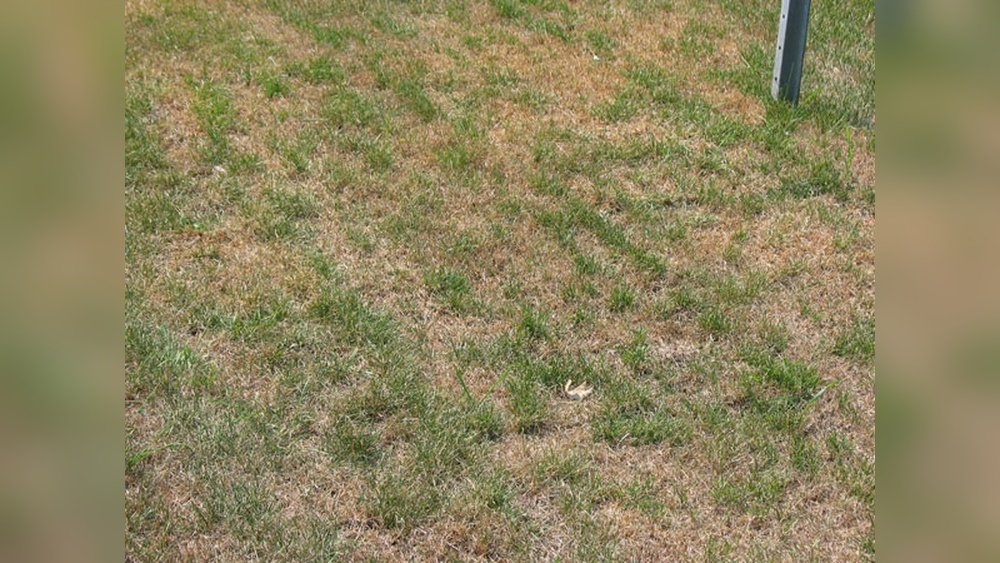
Have you noticed your once lush, green lawn turning brown and lifeless as summer heats up? It’s frustrating to see your grass lose its vibrant color just when you want to enjoy your outdoor space the most.
But here’s the thing: your grass isn’t dying—it’s going dormant. Understanding why grass goes dormant in summer can change how you care for your lawn and help you keep it healthier through the hottest months. You’ll discover the simple reasons behind this natural survival tactic and learn practical tips to support your grass so it bounces back beautifully when cooler weather returns.
Ready to unlock the secret to a summer-ready lawn? Let’s dive in.
Grass Dormancy In Summer
Grass dormancy in summer is a natural survival strategy. During hot, dry months, grass growth slows or stops. This process helps the grass conserve water and energy. Dormant grass may look brown or dry but it is still alive. Understanding why grass goes dormant can help with lawn care decisions.
Causes Of Summer Dormancy
High temperatures stress grass and reduce its growth. Lack of water makes it hard for grass to stay green. Intense sunlight dries out soil quickly. These conditions force grass into dormancy. Dormancy protects the grass from damage during tough weather.
How Grass Survives Heat
Grass slows down its functions to save energy. It closes tiny pores to reduce water loss. Grass roots stay alive deep in the soil. This allows grass to recover when cooler weather returns. Dormancy is like a rest period for grass.
Signs Of Dormant Grass
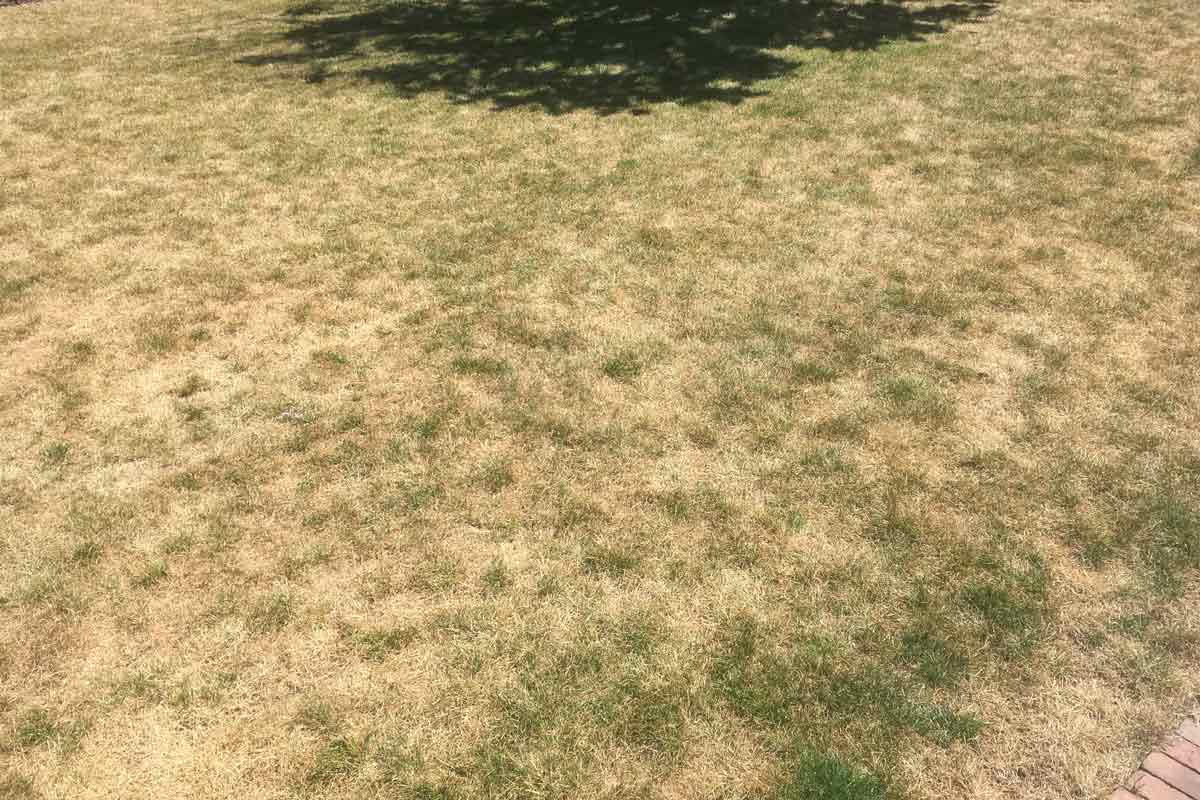
Grass turns brown or tan but feels dry and brittle. It stops growing and may look patchy. The soil may appear hard or cracked. Grass blades lose their usual bright green color. These signs indicate the grass is dormant, not dead.
Types Of Grass And Dormancy
Grass types play a key role in summer dormancy. Different grasses react differently to heat and drought. Understanding these types helps explain why grass goes dormant in summer.
Grass dormancy is a survival strategy. It allows grass to conserve water and energy. This helps grass survive hot, dry conditions without dying.
Cool-season Vs Warm-season Grasses
Cool-season grasses grow best in spring and fall. They become stressed during hot summer months. Common types include Kentucky bluegrass, fescue, and ryegrass.
Warm-season grasses thrive in heat and grow mostly in summer. They include Bermuda, zoysia, and St. Augustine grass. These grasses stay green during summer but may go dormant in cold winters.
Dormancy Patterns By Grass Type
Cool-season grasses often go dormant in summer. They turn brown to save water. Dormancy begins as temperatures rise above 80°F and soil dries out.
Warm-season grasses usually remain active in summer. They may enter dormancy during winter cold. These grasses store energy in their roots for spring growth.
Knowing your grass type helps with lawn care decisions. It guides watering and fertilizing to reduce dormancy effects.
Effects Of Dormancy On Lawn Health
Grass dormancy in summer has clear effects on lawn health. During this time, grass slows its growth and conserves energy. This natural response helps grass survive hot and dry conditions. Understanding these effects helps homeowners care for their lawns better through summer.
Impact On Appearance
Dormant grass often turns brown or straw-colored. This change may look like the lawn is dead. The grass blades lose their green pigment to reduce water loss. Despite the color change, roots remain alive below the surface. The lawn looks less lush but is still healthy inside.
Soil And Root Health During Dormancy
Grass dormancy helps protect roots from heat stress. Roots grow deeper to find moisture in dry soil. Dormancy reduces the demand for nutrients and water. This rest period allows soil microbes to stay active and support root health. Maintaining soil moisture during dormancy improves recovery when grass starts growing again.

Credit: bygl.osu.edu
Watering Strategies
Watering strategies play a key role in managing dormant grass during summer. Proper watering helps grass survive heat and dry spells. It also prepares grass to bounce back when cooler weather arrives. Understanding how and when to water dormant grass avoids unnecessary stress on your lawn.
When To Water Dormant Grass
Water dormant grass only during long dry periods. A deep soak once every two to three weeks is enough. Early morning is the best time to water. It reduces water loss from evaporation. Avoid watering on hot afternoons or at night. Dormant grass uses less water, so less is more.
Avoiding Overwatering
Overwatering can harm dormant grass roots. It causes disease and weakens the lawn. Check soil moisture before watering. If the soil feels damp, wait before adding more water. Use a rain gauge or moisture meter for accuracy. Proper watering keeps grass healthy and ready to grow again.
Fertilizing Dormant Lawns
Proper mowing and lawn maintenance play a key role in how grass handles summer heat. Careful mowing helps reduce stress on grass and can prevent dormancy. Maintaining healthy soil and thatch levels supports grass growth even in dry times.
Adjusting Mowing Height
Raising the mowing height helps grass retain moisture. Taller grass shades the soil, lowering evaporation. Cutting too short stresses grass and can cause it to go dormant faster. Set your mower to a higher setting during hot months. This simple change keeps grass healthier and greener.
Managing Thatch And Soil Moisture
Thatch is a layer of dead grass between soil and green blades. Too much thatch blocks water and nutrients from reaching roots. Regular dethatching improves soil moisture absorption. Water your lawn deeply but less often to encourage strong roots. Well-maintained soil and thatch reduce summer dormancy risks.
Credit: www.greenviewfertilizer.com
Mowing And Lawn Maintenance
Summer dormancy happens when grass stops growing to survive heat and drought. Preventing this state helps keep your lawn green and healthy all season. Simple care steps can reduce stress on grass and improve its resilience.
Soil Improvement Techniques
Healthy soil supports strong grass roots and better water retention. Aerate compacted soil to let air, water, and nutrients reach roots. Add organic matter like compost to improve soil texture and fertility. Test soil pH and adjust it to the ideal range for your grass type. These steps help grass absorb moisture and nutrients better during hot months.
Mulching And Shade Benefits
Mulch keeps soil cool and moist by reducing evaporation. Use natural mulches such as grass clippings or shredded leaves around plants and bare spots. Provide shade with trees or shade cloth to protect grass from intense sun. Shade lowers soil temperature, reducing heat stress on grass blades. Both mulching and shade slow water loss and keep grass greener longer.
Preventing Summer Dormancy
Grass often goes dormant during summer to protect itself from heat and drought. Reviving dormant grass requires care and the right steps. Understanding how to help your lawn recover brings it back to life more quickly. Focus on watering and fertilizing, along with giving the grass time to heal.
Watering And Fertilizing Tips
Water your lawn deeply but less often. This encourages roots to grow deeper into the soil. Early morning watering helps reduce evaporation. Avoid watering in the heat of the day.
Use a balanced fertilizer to provide nutrients. Fertilizer supports root growth and leaf recovery. Apply fertilizer after the hottest days pass. Avoid over-fertilizing, which can harm the grass.
Patience And Recovery Time
Grass takes time to bounce back from dormancy. Growth may be slow at first but will improve. Avoid heavy foot traffic on recovering grass. Give the lawn a few weeks to green up fully.
Regular care during this period makes a big difference. Water and fertilize as needed to support steady growth. Watch for signs of new green shoots as a good sign.
Reviving Dormant Grass
Many people misunderstand why grass turns brown and stops growing in summer. These misunderstandings create myths that cause poor lawn care choices. Knowing the truth helps keep your lawn healthy and saves water and money.
Dormant Vs Dead Grass
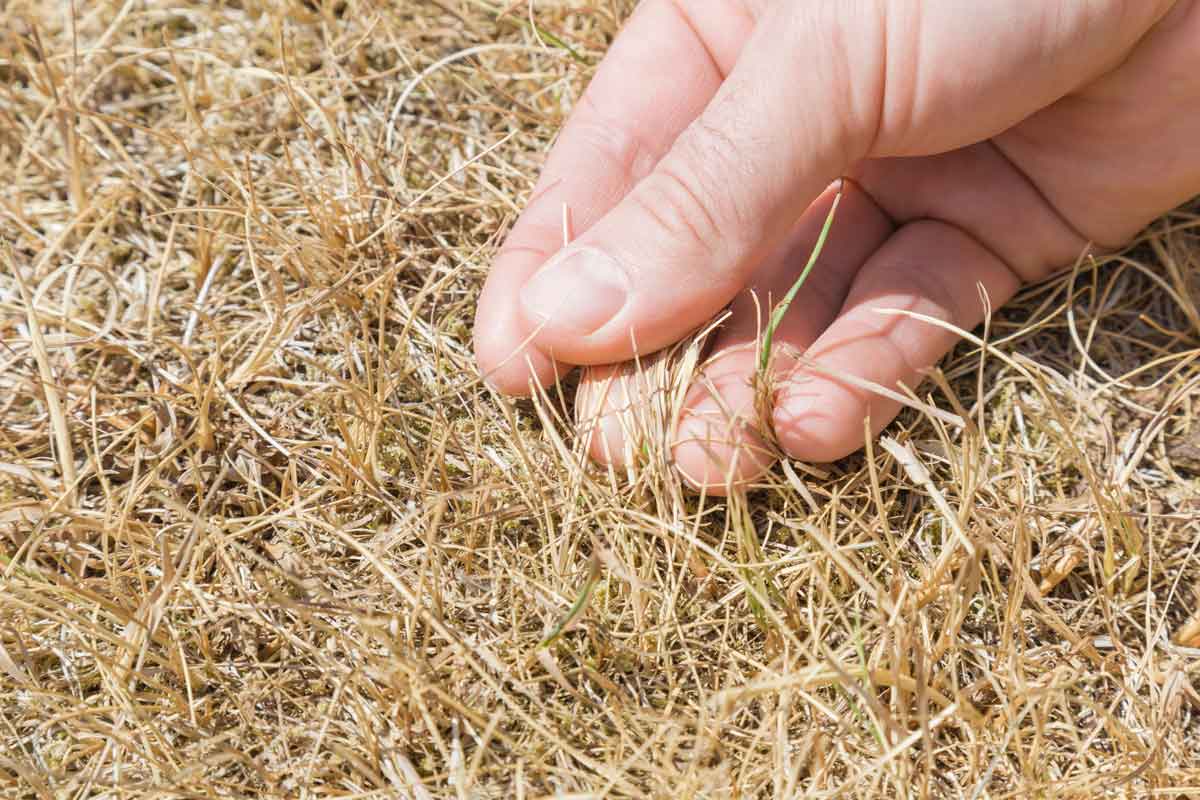
Dormant grass looks brown but is still alive. It stops growing to save energy during heat and drought. Dead grass, on the other hand, is dry and brittle. Dormant grass recovers with water and cooler weather. Dead grass needs to be replaced.
Many mistake dormant grass for dead grass and overwater or reseed unnecessarily. This wastes resources and can harm the lawn’s natural cycle. Understanding the difference helps you care for your lawn correctly.
Misconceptions About Lawn Care
Some believe grass must stay green all summer to be healthy. This leads to overwatering, which can cause disease and weak roots. Others think fertilizing during dormancy helps, but it can stress the grass.
The best approach is to let grass go dormant naturally. Water only during extreme drought and avoid heavy fertilizer in summer. This supports strong roots and a healthier lawn in the long run.
Credit: www.greenviewfertilizer.com
Frequently Asked Questions
How To Keep Grass From Going Dormant In Summer?
Water your lawn deeply and regularly during dry spells to prevent summer dormancy. Mow grass higher to shade soil and retain moisture. Apply fertilizer before heat peaks to boost growth. Aerate soil to improve water absorption. These steps help keep grass green and active in summer heat.
How Long Does Dormant Grass Take To Recover?
Dormant grass typically recovers within 2 to 4 weeks after favorable weather returns. Proper watering and care speed recovery.
How Do I Revive Dormant Grass?
Revive dormant grass by watering deeply, aerating soil, and applying fertilizer. Mow at proper height and remove debris. Consistent care restores growth.
How To Revitalize Dormant Grass?
Revitalize dormant grass by watering deeply, aerating soil, and applying fertilizer after growth stops. Maintain consistent moisture and mow properly to encourage recovery.
Conclusion
Grass goes dormant in summer to survive heat and drought stress. This natural pause protects roots and conserves water. Dormant grass may look brown but is not dead. Proper watering and care help grass recover faster. Understanding dormancy helps you maintain a healthier lawn year-round.
Patience and good lawn care bring your grass back to life.