
Last updated: October 2026 · Written by the LawnVibe editorial team.
The metal vs wood raised garden bed decision comes down to lifespan, budget and style. Galvanized or coated steel beds resist rot and termites, have thin walls that maximize growing space and often last many years, but they can warm up in strong sun and require kit assembly. Wood beds, especially untreated cedar, look natural, insulate the soil and are easy to build to any size, but they eventually rot and need replacing. For long-term vegetable gardening with minimal maintenance, metal usually wins; for a natural look and DIY flexibility, wood is a great choice.
This comparison draws on extension service guidance and general material properties, not hands-on testing. For background on wood durability, see the wood preservation article on Wikipedia. For metal bed recommendations, see our guide to the best metal raised garden bed.
Quick Answer
The metal vs wood raised garden bed decision comes down to lifespan, budget and style. Galvanized or coated steel beds resist rot and termites, have thin walls that maximize growing space and often last many years, but they can warm up in strong sun and require kit assembly. Wood beds, especially untreated cedar, look natural, insulate the soil and are easy to build to any size, but they eventually rot and need replacing.
Key takeaways:
- Metal beds offer durability, slim walls and low maintenance, while wood beds offer natural beauty, insulation and easy customization.
- Weigh lifespan, climate, style and budget, then choose the material that fits your garden.
- For metal options, compare our best metal raised garden bed picks.
Metal vs Wood at a Glance
| Factor | Metal (Galvanized or Coated Steel) | Wood (Untreated Cedar or Similar) |
|---|---|---|
| Lifespan | Long, often many years | Moderate; eventually rots |
| Rot and termites | Not affected | Susceptible over time |
| Wall thickness | Thin, more growing space | Thicker boards |
| Soil temperature | Warms faster in sun | Insulates soil |
| Appearance | Modern, industrial | Natural, traditional |
| Assembly | Kit, bolts, sharp edges | DIY or kit, easy to cut |
| Customization | Limited to kit shapes | Any size or shape |
| Upfront cost | Moderate to high | Low (pine) to high (cedar) |
| Food safety | Generally considered safe | Safe if untreated |
Lifespan and Durability
Metal beds made from galvanized or zinc-aluminum-magnesium coated steel resist corrosion and do not rot, so they commonly last many years in typical conditions. Wood beds last as long as the wood resists decay. Untreated pine may only last a few seasons in soil contact, while cedar, redwood and other naturally rot-resistant woods last longer, especially with thick boards. Climate matters: wet, warm regions accelerate wood rot, while salty coastal air can shorten metal life.
Safety for Vegetables
Galvanized and coated steel beds sold for gardening are generally considered safe when soil pH is kept near neutral; see are galvanized raised beds safe. Untreated wood is naturally safe. Older pressure-treated wood containing CCA should be avoided for vegetables. Modern treated lumber uses copper-based preservatives that many extension services consider lower risk, but many gardeners choose untreated wood or metal for peace of mind.
Soil Temperature and Moisture
Metal conducts heat, so beds warm faster in spring, which can help early planting, but may heat the outer soil in midsummer, especially dark colors in hot climates. Wood insulates, keeping soil temperatures steadier. Both materials dry out faster than in-ground beds; mulch and drip irrigation help either way.
Growing Space
Metal walls are only a few millimeters thick, while wood boards are often 1.5 to 2 inches or more. Over a large bed, metal provides slightly more growing area within the same footprint.
Assembly and Customization
Metal beds come as kits with panels and bolts. Assembly can take an hour or more, and some panels have sharp edges, so gloves are essential. Shapes are limited to kit designs, though modular kits offer several layouts. Wood beds can be built to any size, height or shape with basic tools, and kits are also available. Wood is easier to modify, attach trellises to or repair.
Cost Over Time
Untreated pine is cheap upfront but may need replacing in a few years. Cedar costs more but lasts longer. Metal kits are often priced between pine and premium cedar and can last the longest, making them good value over time. Factor in soil costs, which are the same for both and often exceed the bed price for deep beds. Our guide on how to build a raised garden bed cheaply covers budget builds.
Appearance and Style
Wood suits cottage, traditional and natural gardens and weathers to a soft gray. Metal suits modern, farmhouse and minimalist designs and comes in galvanized silver and various colors. Choose the look that fits your home and garden.
Environmental Considerations
Wood is renewable, but rot-resistant species may be harvested from old-growth forests unless certified. Steel is energy-intensive to produce but highly recyclable, and long lifespan reduces replacement. Some metal beds use recycled steel. Choose certified wood or long-lasting, recyclable metal to reduce impact.
Which Should You Choose?
Choose metal if you want long life, minimal maintenance, pest resistance and a modern look, and you do not mind kit assembly. Choose wood if you want a natural look, need a custom size, prefer DIY building or garden in a very hot climate where insulation helps. Many gardeners mix both, using metal for vegetable beds and wood for decorative borders.
Types of Wood for Raised Beds
Cedar is the most popular choice thanks to natural oils that resist rot and insects. Redwood is similarly durable and common on the West Coast. Juniper and black locust are very rot-resistant regional options. Douglas fir and larch offer moderate durability. Pine and spruce are inexpensive but rot quickly unless treated. Composite boards made from wood fiber and plastic resist rot but can sag over long spans.
Types of Metal for Raised Beds
Galvanized steel has a zinc coating that protects against rust. Zinc-aluminum-magnesium coated steel, used by some premium brands, is designed for improved corrosion resistance. Powder-coated steel adds a colored finish over the protective layer. Corrugated roofing panels are sometimes used in DIY builds, but buy new panels intended for outdoor use rather than salvaged material of unknown history. Corten steel develops a protective rust patina and is used in high-end designs.
Climate Considerations
In hot, sunny climates, wood's insulation can help keep roots cooler, while metal beds benefit from light colors, mulch and afternoon shade. In cold climates, metal's quick spring warming can extend the season, and frost does not damage either material. In very wet climates, wood rots faster, making metal or rot-resistant species more attractive. Near the coast, choose high-quality coatings or wood, since salt can accelerate metal corrosion.
Pest and Rodent Resistance
Metal beds do not attract termites or carpenter ants and are harder for rodents to chew through. Both materials benefit from hardware cloth on the bottom if burrowing animals such as gophers and voles are a problem. Wood beds can harbor slugs and insects in cracks; metal beds have fewer hiding spots.
Maintenance Requirements
Metal beds need very little maintenance beyond occasionally checking bolts and touching up scratches. Wood beds may need replacing boards over time, re-securing corners as wood shrinks and swells, and avoiding sealants that are not food-safe. Many gardeners leave cedar untreated and accept gradual weathering.
Building a Hybrid Bed
Some gardeners combine materials, such as wooden corner posts and frames with metal side panels, or a wooden cap rail on top of metal walls for a comfortable seat and a natural look. Hybrid designs can give you the durability of metal with the warmth of wood, but they require more planning and DIY skill.
Accessibility and Comfort
Both materials can be built tall for easier gardening. Wood edges are comfortable to sit on and can support a wide cap board for a seat. Metal edges should be rolled or capped for safety, and some kits offer caps. For wheelchair users and those who cannot kneel, elevated metal planters or tall wood beds with wide caps both work well.
Resale and Moving
Metal kits can often be disassembled and moved to a new home, which is useful for renters. Wooden beds can be moved if built with screws rather than nails, but older wood may not survive disassembly.
Real-World Scenarios
A Small Suburban Vegetable Garden
A family growing tomatoes, peppers and salad greens in a sunny backyard often does well with two or three modular metal beds 17 inches tall. They last, look tidy and resist pests. If budget is tight, a single cedar bed is a good start.
A Cottage-Style Flower and Herb Garden
For a softer, natural look, untreated cedar or reclaimed, untreated hardwood beds blend into cottage plantings. Low wooden beds suit herbs and flowers that do not need deep soil.
A Rental Property
Renters benefit from metal kits that can be disassembled and moved, or from elevated planters that do not disturb the ground. Check your lease before installing beds.
A Hot Desert Climate
In very hot, dry regions, wood beds or light-colored metal beds with thick mulch and drip irrigation help keep roots cooler. Afternoon shade cloth can also protect crops.
A Wet, Rainy Region
Where rain is frequent and soils stay damp, metal beds avoid rot issues, and raised beds in general improve drainage for vegetables that dislike wet feet.
Questions to Ask Before Buying
How long do you want the bed to last? Do you prefer a natural or modern look? Will you build it yourself or assemble a kit? How deep do your crops need? Is your climate very hot, very wet or coastal? What is your total budget including soil and irrigation? Answering these quickly points you toward metal, wood or a hybrid.
Cost Comparison Over Ten Years
Rather than comparing only the purchase price, consider how many times you would replace the bed over a decade. A cheap pine bed replaced every few years may cost more over time than one quality metal or cedar bed. Soil, compost and irrigation stay with you regardless of material, so the frame is only part of the long-term cost.
Lining Wooden Beds
Some gardeners line the inside of wooden beds with breathable landscape fabric to slow rot by reducing direct soil contact. Avoid plastic sheeting, which traps moisture against the wood and can speed decay. A liner also helps keep soil from leaking through gaps between boards.
Protecting Metal Bed Edges
If your metal bed has exposed sharp edges, add a rubber edge trim or a wooden cap rail. This improves safety for children and makes it comfortable to lean on while weeding and harvesting.
Our Recommendation in One Sentence
If you want a long-lasting, low-maintenance vegetable bed, start with a quality metal kit; if you want a natural look or a custom shape, build with untreated cedar.
Final Checklist
Compare lifespan, safety, climate fit, style and total cost before buying.
Metal and Wood Beds to Compare
Here are popular options in each material. Details come from Amazon listings; we have not hands-on tested them.

Vego Garden 9-in-1 Modular Metal Raised Bed, 17 Inch Tall
Best for: Vegetable gardeners wanting a flexible, long-lasting bed
A modular 17-inch-tall kit that builds one of nine shapes, made from steel with a zinc, aluminum and magnesium coating for corrosion resistance per Vego.
- Nine layout options
- Coated steel for longevity
- Rolled safety edges
- Assembly takes time
- Premium cost
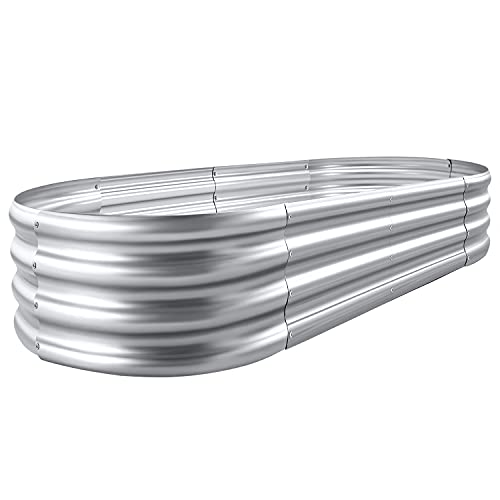
Land Guard Galvanized Oval Raised Garden Bed, 4 x 2 x 1 ft
Best for: Small gardens and first-time growers
An oval galvanized steel bed made from Q195 sheet with double-layer anti-corrosion galvanizing, according to the listing.
- Affordable
- Simple oval design
- Shallower 1 ft depth
- Thinner steel than premium kits

Greenes Fence Premium Cedar Raised Garden Bed, 4 x 8 ft x 17.5 in
Best for: Natural-look vegetable beds
A cedar raised bed kit with 3/4-inch thick boards per the listing.
- Natural cedar look
- Tool-free style assembly
- Thinner boards wear faster than thick timber

Infinite Cedar Deep Root Cedar Raised Bed Garden Kit
Best for: Root crops in wood
A deep cedar raised bed kit for root vegetables.
- Deep growing space
- Cedar resists rot
- Premium cost

Rakukiri GRS Certified Galvanized Oval Raised Bed, 5 ft
Best for: Eco-minded gardeners
A 0.8 mm galvanized oval bed made with recycled material and GRS certification per the seller.
- Recycled material
- Thicker 0.8 mm sheet per listing
- 11-inch height is shallower
See all metal options in our best metal raised garden bed guide.
Common Mistakes
Common mistakes include using untreated pine and expecting it to last, using old CCA-treated lumber, buying thin metal that bows, ignoring sharp edges, building beds too wide to reach and skipping internal bracing on long beds of either material.
Final Thoughts on Metal vs Wood Raised Garden Beds
Metal beds offer durability, slim walls and low maintenance, while wood beds offer natural beauty, insulation and easy customization. Weigh lifespan, climate, style and budget, then choose the material that fits your garden. For metal options, compare our best metal raised garden bed picks.
More Questions People Ask
Do cedar raised beds need to be treated?
No. Cedar naturally resists rot. Many gardeners leave it untreated and let it weather to gray.
Do metal raised beds rust?
Galvanized and coated steel resist rust well, though scratches and cut edges can rust over time.
Which raised bed material is best for vegetables?
Untreated rot-resistant wood and galvanized or coated steel made for gardening are both widely recommended.
Are composite raised beds a good option?
They resist rot and need little maintenance, but long boards can sag, and they lack the natural look of wood.
Frequently Asked Questions
Is metal or wood better for raised garden beds?
Metal beds usually last longer, resist rot and pests and have slimmer walls, while wood beds look natural, insulate soil better and are easy to build and customize. The best choice depends on budget, climate and style.
How long do cedar raised beds last?
Untreated cedar beds commonly last several years to around a decade or more depending on thickness, climate and soil contact. Thicker boards last longer.
Do metal raised beds get too hot for plants?
Metal walls warm in sun, but the soil mass buffers temperatures. In very hot climates, lighter colors, mulch and consistent watering prevent problems.
Is pressure-treated wood safe for raised beds?
Old CCA-treated wood is not recommended. Modern treated lumber uses different preservatives that many extension services consider lower risk, but many vegetable gardeners still prefer untreated wood or metal.
Which raised bed material is cheapest?
Basic untreated pine is usually cheapest upfront but rots quickly. Galvanized steel and cedar cost more but last longer, often making them better value over time.