
Facing drought conditions can make watering your lawn feel like a tricky balancing act. You want to keep your grass healthy and green, but you also need to conserve water and avoid waste.
If you’re wondering how to water your lawn effectively during dry spells without overdoing it, you’re in the right place. This guide will show you simple, smart ways to care for your lawn even when water is scarce. By following these tips, you’ll protect your lawn’s health, save water, and feel confident that you’re doing the right thing for both your yard and the environment.
Keep reading to discover how to make every drop count.
Assess Lawn Needs
Assessing your lawn’s needs is the first step in watering it during drought conditions. Every lawn is different. Understanding its unique requirements helps save water and keeps the grass healthy. Simple checks can guide how much and when to water.
Identify Grass Type
Different grasses have different water needs. Warm-season grasses like Bermuda and Zoysia tolerate drought better. Cool-season grasses such as fescue and bluegrass need more water. Knowing your grass type helps set the right watering schedule.
Check Soil Moisture
Soil moisture shows how much water is available to roots. Use a soil probe or dig a small hole to check moisture 4 to 6 inches deep. If the soil feels dry, watering is needed. Wet or damp soil means watering can wait.
Observe Lawn Stress Signs
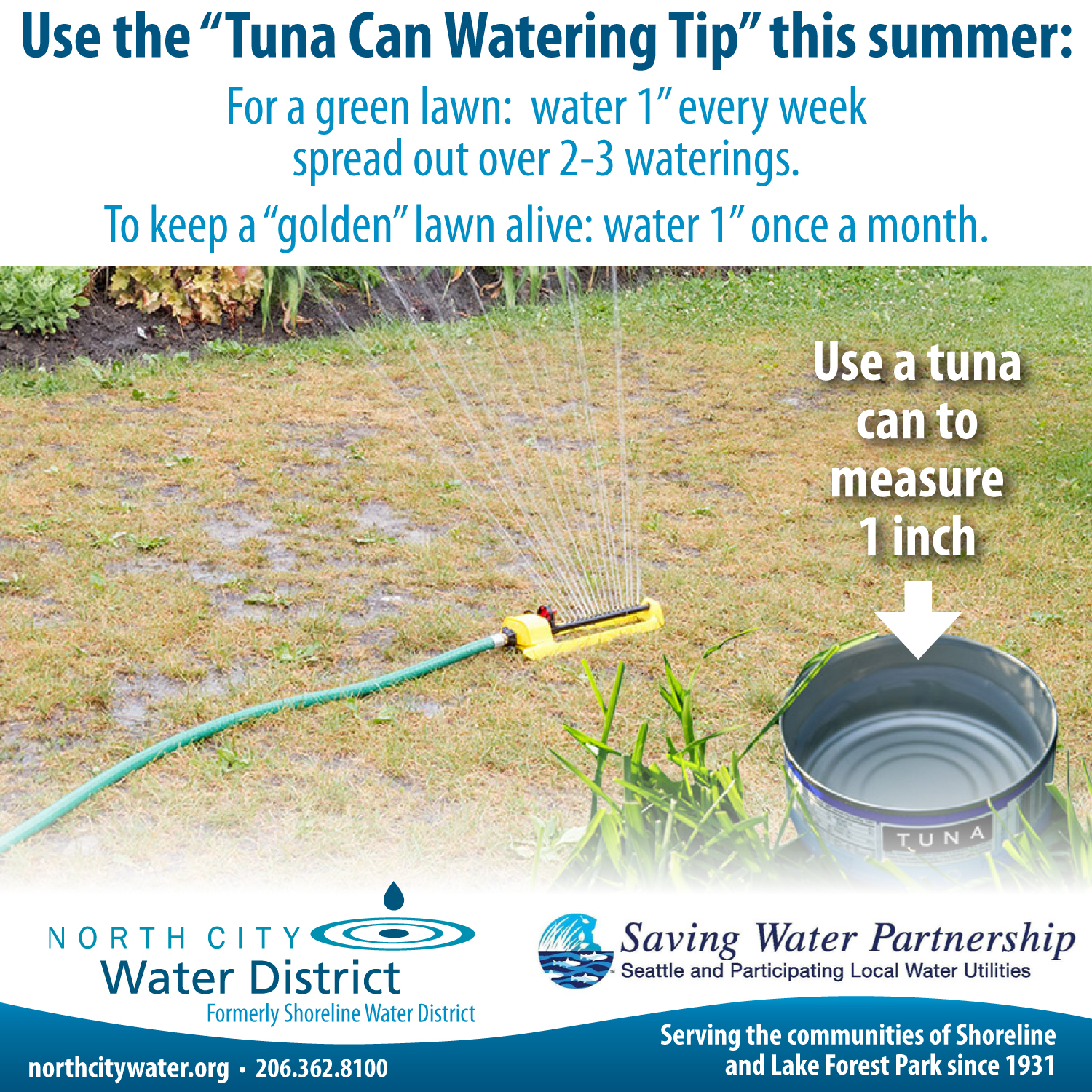
Grass shows stress before it dies. Look for color changes, like dull green or brown patches. Footprints staying visible on grass blades also mean drought stress. Early signs help you water only when necessary, saving water and protecting the lawn.
Credit: northcitywater.org
Watering Timing
Timing matters a lot when watering your lawn during drought. Watering at the right time helps save water and keeps your grass healthy. Proper timing reduces evaporation and ensures water reaches the roots.
Below are key points about watering timing for drought conditions.
Best Time Of Day
Water early in the morning, between 4 a.m. and 9 a.m. This time is cool and calm. Water evaporates less in the morning. Grass absorbs water better before heat rises. Avoid watering in the afternoon or evening. Afternoon sun causes quick evaporation. Evening watering can cause fungal diseases.
Frequency During Drought
Water less often but deeply. Aim for one to two times per week. Deep watering encourages strong roots. Shallow, frequent watering weakens roots. During drought, grass needs less water overall. Watch your lawn for signs of stress. Brown patches or wilted blades show thirst. Adjust frequency based on weather and soil type.
Adjusting For Seasonal Changes
Water needs change with seasons. In hot summer, increase watering slightly. Cooler months require less water. Fall and winter often need little to no watering. Check your lawn’s condition regularly. Adapt watering times and amounts as seasons shift. This approach helps conserve water year-round.
Watering Techniques
Watering your lawn during drought requires smart techniques to save water and keep grass healthy. Using the right watering methods helps roots grow deep and strong. This section explains effective watering techniques you can use in dry conditions.
Deep And Infrequent Watering
Water deeply to encourage roots to grow down. Shallow watering makes roots stay near the surface. This can cause grass to dry out faster. Water your lawn less often but for longer periods. Deep watering helps grass survive drought better. Aim to soak the soil about 6 inches deep each time.
Spot Watering Strategies
Focus water on dry or stressed areas only. Spot watering saves water by targeting problem spots. Use a hose or watering can for these areas. Avoid watering the whole lawn if only parts are dry. Check your lawn regularly to find spots that need extra care.
Using Efficient Sprinkler Systems
Choose sprinklers that deliver water evenly and slowly. Efficient systems reduce runoff and water waste. Use timers to water early in the morning or late at night. This lowers evaporation and makes watering more effective. Maintain your sprinklers to avoid leaks and broken heads.
Mowing Tips For Drought
Mowing your lawn during drought conditions needs care to keep grass healthy. Proper mowing reduces water loss and helps grass survive dry spells. Follow simple mowing tips to protect your lawn and save water.
Follow The One-third Rule
Never cut more than one-third of the grass blade at once. Cutting too short stresses the grass and wastes energy. This rule helps grass keep its strength and grow deeper roots. Strong roots hold water better during droughts. Stick to this rule for a healthier lawn.
Raise Mower Height
Set your mower blade higher than usual. Taller grass shades the soil, reducing evaporation. It also helps grass trap moisture and stay cool. Raising the mower height protects your lawn from heat stress. Keep grass longer in dry times for best results.
Manage Overgrowth Safely
Let grass grow a bit longer during drought, but avoid letting it get too tall. Tall grass can become weak and fall over. Mow gently to keep grass standing upright. Remove clippings to prevent disease and pests. Proper management keeps your lawn strong and drought-resistant.
Soil And Lawn Care
Proper soil and lawn care is vital during drought conditions. Healthy soil helps grass absorb water better. It also keeps moisture in the ground longer. Taking care of your lawn reduces water needs and keeps grass green. Simple steps can improve water use and lawn health.
Aerate To Improve Water Absorption
Aerating the lawn creates small holes in the soil. These holes let water reach grass roots more easily. Aeration reduces soil compaction, which blocks water flow. It also allows air and nutrients to reach roots. Aerate in early spring or fall for best results. This process helps lawns survive droughts better.
Apply Mulch For Moisture Retention
Mulch covers the soil surface to keep moisture from evaporating. It lowers soil temperature and reduces water loss. Organic mulches, like grass clippings or compost, also add nutrients. Spread mulch thinly around grass bases to avoid suffocating roots. Mulching helps the lawn use water efficiently during dry spells.
Fertilize Moderately
Fertilizing supports grass growth but too much can harm drought-stressed lawns. Use a balanced fertilizer with slow-release nitrogen. Apply only the recommended amount to avoid burning grass roots. Fertilize during cooler parts of the year to reduce stress. Moderate feeding strengthens grass and improves drought resistance.
Water Conservation Tips
Water conservation is key when watering a lawn during drought conditions. Saving water helps your lawn survive dry spells and lowers your water bills. Using smart and simple techniques can reduce water waste and keep your grass healthy. These tips focus on using water wisely and protecting the environment.
Collect And Use Rainwater
Collecting rainwater is an eco-friendly way to water your lawn. Use rain barrels or containers to catch water from your roof. This water is free and natural. It reduces the need for tap water and saves money. Use the stored rainwater during dry days to keep your grass green.
Use Smart Irrigation Controllers
Smart irrigation controllers adjust watering based on weather and soil moisture. They prevent overwatering by turning off sprinklers during rain. These devices save water and keep your lawn healthy. Set the controller to water early in the morning or late at night. This reduces evaporation and maximizes water use.
Avoid Runoff And Waste
Runoff wastes water and can harm your lawn. Avoid watering too fast or on windy days. Water slowly and deeply to soak the soil. Use drip irrigation or soaker hoses to target roots directly. Check your sprinklers often to fix leaks or broken parts. Save water by stopping irrigation if the ground is already wet.
Reviving Drought-stressed Lawns
Drought conditions put lawns under great stress. Grass may wilt, turn brown, or die in patches. Reviving these drought-stressed lawns requires careful steps. The goal is to restore health without wasting water. Focus on smart watering and lawn care.
Start by understanding the damage. Then water wisely to aid recovery. Finally, reseed bare spots to bring life back. Each step helps your lawn bounce back from drought.
Identify Damage Extent
Walk over your lawn and look closely. Note areas where grass is brown or dry. Check if the damage is shallow or deep. Some grass blades may recover with water. Others may be dead and need reseeding. Knowing damage extent guides your next steps.
Implement Recovery Watering
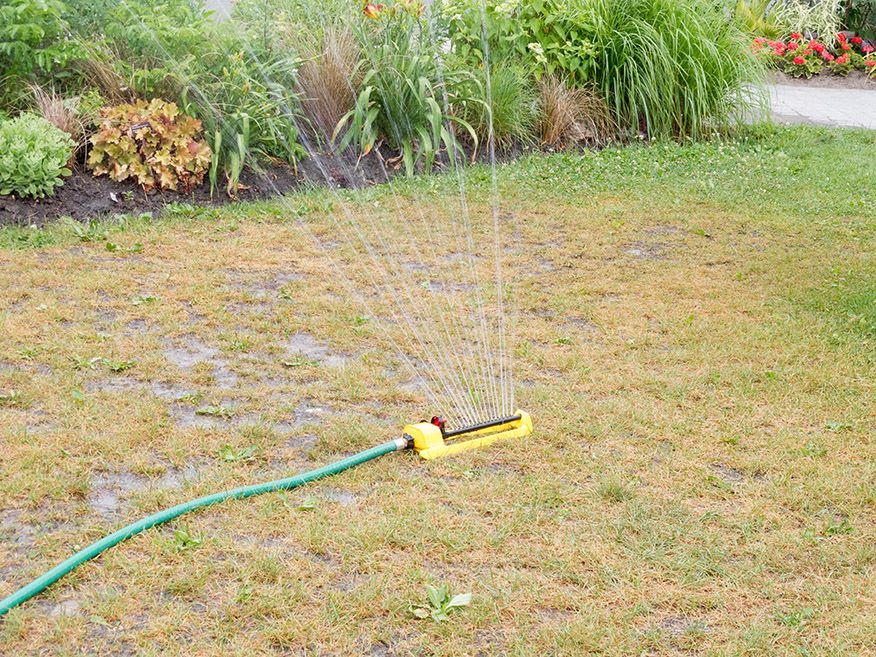
Water deeply but less often to encourage strong roots. Early morning is the best time to water. Avoid watering in the heat of the day. Focus on dry areas and avoid puddles. Use a sprinkler or soaker hose for even coverage. Keep watering until grass shows signs of greening again.
Reseed Or Patch Bare Spots
Clear dead grass and loosen soil in bare spots. Spread grass seed suited for your region and season. Lightly rake to mix seed into the soil. Cover with a thin layer of mulch or straw. Water gently to keep soil moist. New grass should sprout within two weeks. This brings life back to damaged patches.

Credit: www.amazon.com
Credit: northcitywater.org
Frequently Asked Questions
How To Water Grass During Drought?
Water grass deeply but infrequently, early morning or late evening. Use drip irrigation or soaker hoses. Avoid overwatering to prevent waste. Mow high to shade roots and reduce evaporation. Focus on watering stressed or dry patches only.
What Is The 1/3 Rule In Lawn Care?
The 1/3 rule in lawn care means never cut more than one-third of the grass blade height at once. This prevents stress and promotes healthy growth.
How To Fix A Drought-stressed Lawn?
Water deeply but infrequently to encourage deep roots. Mow high, removing no more than one-third of grass blades. Aerate soil and apply drought-tolerant fertilizer. Water early morning to reduce evaporation. Monitor and treat pests or diseases promptly to restore lawn health.
Should You Still Water Your Lawn In October?
Water your lawn in October if rainfall is insufficient. Adjust watering to cooler temperatures and grass type to avoid overwatering.
Conclusion
Watering your lawn during drought needs care and attention. Use less water but water deeply to reach roots. Water early morning or late evening to reduce evaporation. Avoid frequent shallow watering that stresses grass. Choose drought-resistant grass types for better survival.
Keep your lawn healthy with proper mowing and fertilizing. These small steps save water and keep your lawn green. Stay patient and consistent for the best results. Your lawn will thank you with a fresh, healthy look.