
Getting stuck off-road is common, especially for Jeep owners who love exploring rough trails. Whether you are crossing mud, sand, or snow, your Jeep can lose traction and become immobilized. Recovering from these situations safely and efficiently requires the right tools and knowledge. Among all recovery tools, traction boards stand out for their simplicity, reliability, and effectiveness. If you want to minimize risk and avoid calling for help, learning how to use traction boards is essential.
Many Jeep owners carry traction boards but don’t fully understand how to use them. Some try to use them in the wrong way, leading to damage or wasted effort. Others rely only on winches or tow straps, missing the advantages that traction boards provide.
In this guide, you’ll discover not just the basic steps, but also practical tips, expert insights, and common mistakes to avoid. By the end, you’ll feel confident using traction boards for Jeep recovery in any situation.
What Are Traction Boards?
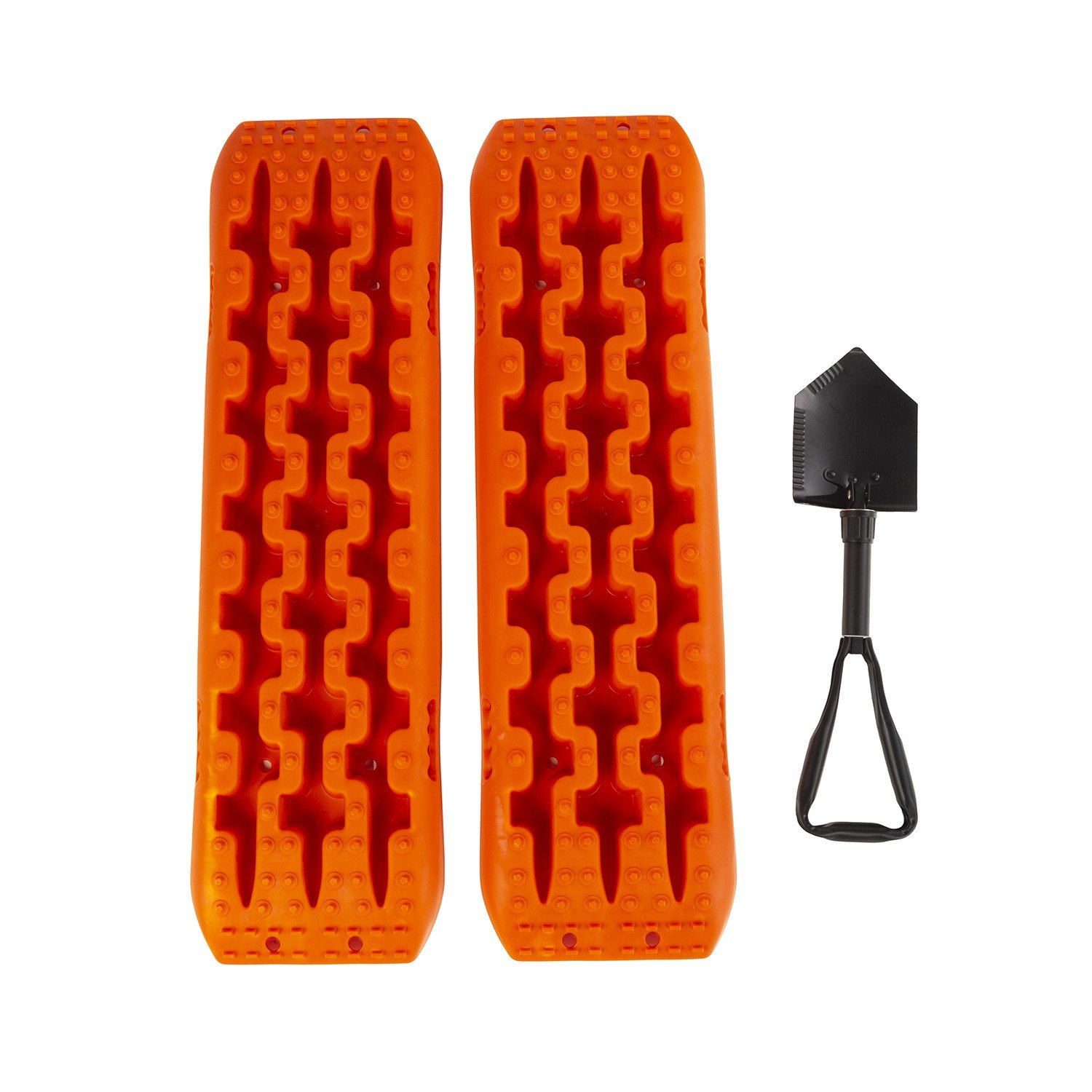
Traction boards are strong, lightweight panels designed to help tires grip and drive out of slippery or loose surfaces. Usually made from tough plastic or reinforced composite, they feature raised grips and teeth that dig into mud, sand, or snow.
Traction boards come in various lengths, widths, and designs. Some are wide and heavy-duty for large SUVs, while others are compact for easy storage. Popular brands include Maxtrax, TRED, and ARB. Their main job is to provide a solid path under your tires, so your Jeep can move forward or backward without spinning.
Key Features Of Traction Boards
- Raised teeth: Grip the tire and surface for maximum traction.
- Flexible material: Absorbs stress without breaking.
- Handles or holes: Make carrying and placement easier.
- Stackable design: Allows multiple boards to be used for deeper ruts.
Why Traction Boards Are Essential For Jeep Recovery
Jeep owners face many challenging terrains. In mud, tires can sink and spin; in sand, tires lose grip and dig deeper. Traction boards solve these problems without external power or heavy gear. They are lightweight, quick to deploy, and reduce stress on your vehicle.
Unlike winches or tow straps, you don’t need another vehicle or anchor point. Traction boards are also safer—no tensioned cables or ropes. They work in places where traditional recovery gear may fail.
When Should You Use Traction Boards?
Knowing when to use traction boards is as important as knowing how. Here are the main situations:
- Deep sand: When tires spin and dig in, traction boards provide a firm surface.
- Mud pits: Boards prevent tires from slipping and help escape sticky ruts.
- Snowbanks: Boards give tires grip on icy or packed snow.
- Loose gravel: Boards stop tires from spinning on unstable ground.
- Rocky terrain: Boards protect tires and help climb over obstacles.
Many beginners wait too long before using traction boards. The best time is when you notice your Jeep losing traction and the wheels spinning. If you keep spinning, you’ll dig deeper and make recovery harder. Using traction boards early saves time and effort.
Preparing For Recovery: Essential Gear And Safety
Before starting any recovery, preparation is key. Here’s what you need to have ready:
- Traction boards: At least two, ideally four for all tires.
- Shovel: To clear mud, sand, or snow from under the tires.
- Gloves: Protect your hands from sharp objects and debris.
- Recovery kit: Includes tow straps, shackles, and winch (optional).
- Tire deflator: Lowering tire pressure increases surface area and grip.
Safety is crucial. Always check your surroundings—look for other vehicles, people, or obstacles. Make sure the ground is stable. Avoid standing in the path of the tires or boards. Wear gloves, and keep your face away from spinning tires.
Step-by-step Guide: Using Traction Boards For Jeep Recovery
Getting your Jeep unstuck with traction boards requires a systematic approach. Here’s a detailed guide:
Step 1: Assess The Situation
Stop the Jeep as soon as you notice loss of traction. Spinning tires dig deeper and make recovery harder. Check which tires are stuck and how deep they are. Look at the terrain—mud, sand, snow, or rocks.
Step 2: Clear The Area Around The Tires
Use a shovel to remove mud, sand, or snow from in front of (or behind) the tires. If possible, dig a path for the tires to move forward or backward. Remove any large rocks or debris that could block the boards.
Step 3: Position The Traction Boards
Place the traction boards directly against the tire(s) that need grip. The boards should be angled slightly upward, so the tire can climb onto them. Push the boards under the tire as far as possible. If needed, use multiple boards for deeper ruts.
Pro Tip: If you have only two boards, place them under the drive wheels. For a Jeep, this is often the rear wheels (unless you have 4WD engaged).
Step 4: Adjust Tire Pressure (optional)
Lowering tire pressure to 15–20 psi increases the tire’s surface area. This gives more grip and reduces the chance of spinning. Use a tire deflator if you have one.
Step 5: Drive Out Slowly
Get back in your Jeep. Shift to low gear or 4WD (if available). Apply gentle throttle—avoid sudden acceleration. The tires should climb onto the boards and gain traction. Drive forward or backward as needed.
If your Jeep moves a few feet but stalls again, repeat the process. Sometimes you need to reposition the boards or clear more debris.
Step 6: Retrieve The Boards
Once your Jeep is free, stop and collect the boards. Clean off mud, sand, or snow. Check for damage—cracks, broken teeth, or wear.
Step 7: Inspect Your Jeep
Before continuing your adventure, check your tires, undercarriage, and wheels for damage. Look for leaks or loose parts. If you lowered tire pressure, re-inflate the tires to safe levels.
Credit: www.quadratec.com
Practical Examples: Jeep Recovery With Traction Boards
Many Jeep owners share stories of using traction boards in tough conditions. Here are real-life examples:
- Mud Recovery: In Louisiana, a Jeep Wrangler got stuck in deep mud. The owner used four Maxtrax boards, digging out the tires and placing boards under each wheel. With slow throttle, the Jeep climbed out without needing a winch.
- Sand Dunes: In California’s Glamis dunes, a Jeep Grand Cherokee lost traction on a steep slope. Two TRED boards were placed under the rear wheels. Lowering tire pressure and slow acceleration allowed the Jeep to escape in minutes.
- Snow Rescue: In Colorado, a Jeep Rubicon was trapped in packed snow. The owner used a shovel and two ARB boards, digging a path and placing boards under the front tires. The Jeep drove out easily, avoiding tow truck fees.
These examples show that traction boards work in many conditions. The key is preparation, proper placement, and gentle driving.
Comparing Traction Boards With Other Recovery Tools
How do traction boards compare to other recovery tools like winches, tow straps, and sand ladders? Below is a comparison to help you understand when traction boards are the best choice.
| Recovery Tool | Weight | Ease of Use | Solo Recovery | Risk Level | Cost Range |
|---|---|---|---|---|---|
| Traction Boards | 10–15 lbs (per pair) | Simple | Yes | Low | $80–$300 |
| Winch | 25–50 lbs | Complex | No (needs anchor) | Medium–High | $300–$1200 |
| Tow Strap | 5–10 lbs | Moderate | No (needs another vehicle) | Medium | $30–$150 |
| Sand Ladder | 15–30 lbs | Moderate | Yes | Low | $200–$600 |
Traction boards are lighter, safer, and allow for solo recovery. Winches and straps require more setup and another vehicle or anchor point. Sand ladders are similar but often heavier and bulkier.
Choosing The Right Traction Boards For Your Jeep
Not all traction boards are equal. Picking the right ones depends on your Jeep model, terrain, and storage space. Consider these factors:
Material And Strength
Boards made from reinforced nylon or composite are durable and can handle heavy vehicles. Cheap boards may crack under weight or extreme cold.
Size And Weight
Larger boards provide more surface area but are harder to store. Compact boards are easier to carry but may not work in deep ruts.
Grip Design
Look for boards with aggressive teeth or tread patterns. This ensures maximum grip for your Jeep’s tires.
Compatibility
Check that the boards fit your tires’ width. Some boards are optimized for wider off-road tires.
Price And Warranty
Quality boards cost more but last longer. Some brands offer lifetime warranties or free replacement for damaged boards.
Non-obvious insight: Many beginners forget to check the maximum load rating. If your Jeep is heavily loaded, standard boards may break. Always check specs and reviews.
Jeep Recovery Techniques: Advanced Tips
Experienced Jeep owners use traction boards in creative ways. Here are advanced techniques:
Double Stacking
Stack two boards on top of each other for extra lift. This is useful for deep mud or snow where a single board doesn’t reach the tire.
Board Bridging
Use boards to bridge gaps over rocks, small streams, or deep holes. Boards act as ramps, helping your Jeep cross obstacles safely.
Recovery In Steep Angles
On slopes, place boards perpendicular to the tire direction for extra stability. This prevents boards from slipping or shooting out.
Combining Tools
Use traction boards with winches or straps. Boards reduce resistance, making winch pulls easier and safer.
Expert tip: Clean boards after each use. Mud or sand left on the boards can reduce grip next time.

Credit: www.amazon.com
Common Mistakes When Using Traction Boards
Avoiding mistakes is key to successful recovery. Here are errors many Jeep owners make:
- Spinning tires too much: This digs deeper and damages the boards.
- Placing boards too far from tires: Boards must touch the tire to work.
- Using boards on hard surfaces: Boards are for soft terrain—using them on rocks can break them.
- Ignoring tire pressure: Lowering pressure increases grip, but many forget this step.
- Standing behind the boards: If a tire slips, boards can shoot backward—stand aside.
Non-obvious insight: Some users forget to clean mud from the tire tread. Dirty tires slip even on boards—wipe them if possible.
Real-world Data: Success Rates And Durability
Traction boards have proven success rates in off-road recovery. According to a 2022 survey by Overland Journal:
- 87% of users recovered their vehicles without outside help using traction boards.
- Boards were effective in mud (89%), sand (85%), and snow (78%).
- Average recovery time: 10–15 minutes with boards, compared to 30–60 minutes with winches.
Durability is also high for quality boards. Maxtrax and ARB boards survive hundreds of uses, while cheap boards break after a few recoveries.
Credit: www.jcroffroad.com
How To Maintain Traction Boards
To keep your boards working for years, follow these maintenance tips:
- Wash after each use: Mud, sand, and salt can damage the material.
- Inspect for cracks: Replace boards with structural damage.
- Store away from sunlight: UV rays weaken plastic over time.
- Stack boards properly: Avoid bending or warping.
- Lubricate handles: If your boards have moving parts, keep them clean and free of grit.
Proper maintenance ensures your boards are ready for emergencies. Damaged boards may fail when you need them most.
Storing And Mounting Traction Boards On Your Jeep
Where you keep your boards matters. Easy access can make recovery faster. Here are storage options:
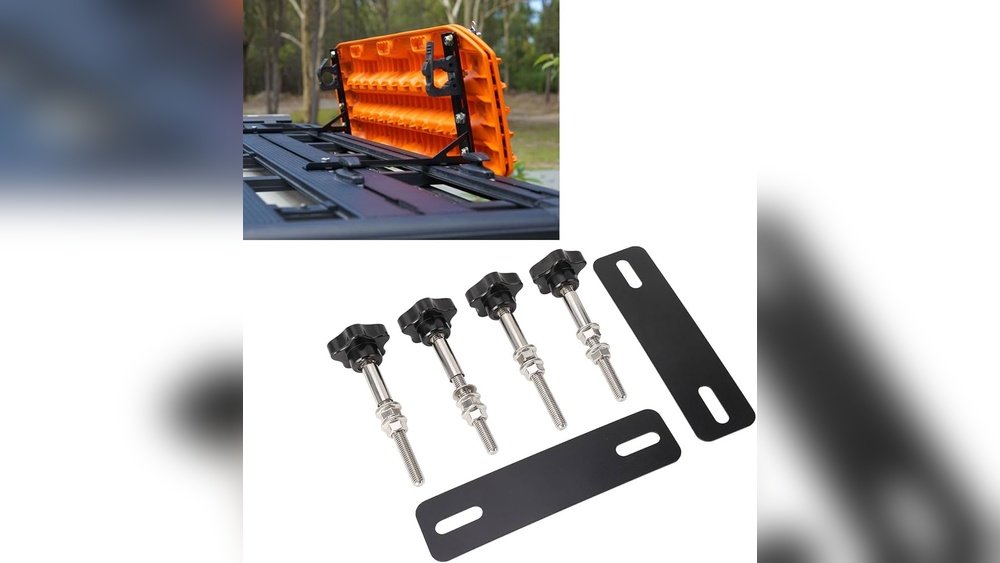
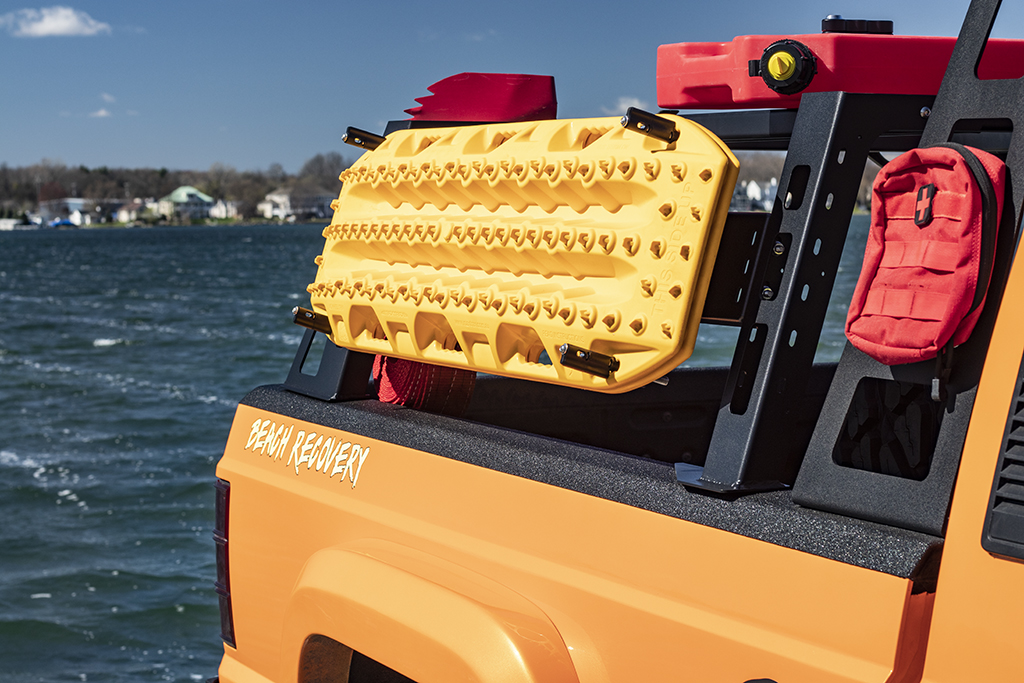
Roof Rack
Many Jeep owners mount boards on the roof rack. Use clamps or brackets designed for traction boards. This keeps boards out of the way and frees up interior space.
Spare Tire Carrier
Some boards fit behind the spare tire. Specialized mounts hold them securely.
Interior Storage
Boards can be stored inside, behind seats or in cargo areas. Make sure they don’t move around during driving.
Underbody Mounts
Advanced setups use underbody brackets. These are less common but keep boards hidden and protected.
Pro Tip: Always secure boards tightly. Loose boards can become projectiles in accidents.
Environmental Impact And Responsible Use
Traction boards reduce the need for heavy recovery equipment, but they can impact the environment if used incorrectly. Always follow these guidelines:
- Avoid damaging vegetation: Place boards on bare ground, not plants.
- Clean boards before leaving: Mud and seeds on boards can spread invasive species.
- Use boards only when needed: Overuse can erode trails.
Responsible use protects nature and keeps trails open for others.
Jeep Recovery Checklist: Before, During, And After Using Traction Boards
Here’s a quick checklist to help you remember each step:
Before Recovery
- Stop the Jeep and assess the situation
- Prepare boards, shovel, and gloves
- Lower tire pressure if needed
During Recovery
- Clear debris and dig a path
- Place boards tightly against tires
- Drive out slowly using low gear
After Recovery
- Retrieve boards and clean them
- Inspect Jeep for damage
- Re-inflate tires to safe pressure
Comparing Popular Traction Board Brands
Different brands offer unique features. Here’s a comparison of the most popular:
| Brand | Material | Length | Weight | Load Rating | Warranty |
|---|---|---|---|---|---|
| Maxtrax | Reinforced Nylon | 46 inches | 8 lbs (each) | 10,000 lbs | Lifetime |
| TRED Pro | Composite | 44 inches | 7 lbs (each) | 8,800 lbs | 5 Years |
| ARB TRED | Polypropylene | 40 inches | 6 lbs (each) | 7,700 lbs | 1 Year |
Non-obvious insight: Lifetime warranty is valuable if you plan frequent off-road trips. Lower load ratings may be fine for lighter Jeeps, but avoid them for heavily loaded rigs.
How To Use Traction Boards In Extreme Conditions
Sometimes conditions are more dangerous—deep water, steep slopes, or freezing cold. Adjust your approach:
- Deep water: Boards can float, so press them down firmly or use rocks to anchor.
- Steep slopes: Place boards perpendicular for stability.
- Freezing cold: Boards can become brittle; warm them if possible before use.
In extreme cold, some brands perform better. For example, Maxtrax boards resist cracking at temperatures below -10°F.
Jeep Recovery With Traction Boards: Cost And Value
Investing in quality boards saves money and hassle. Consider the costs:
- Tow truck fees: Average $150–$400 per rescue.
- Winch installation: $500–$1500.
- Traction boards: $80–$300 per pair.
Most Jeep owners recover themselves with boards, avoiding costly tow bills. Boards also protect your Jeep from damage—winching or towing can strain suspension and drivetrain.
Expert Advice: Tips From Professional Jeep Guides
Professional guides recommend:
- Use boards early—don’t wait until tires are deeply buried.
- Clean tire tread before driving onto boards.
- Carry at least four boards for deeper mud or sand.
- Practice recovery at home before heading out.
Non-obvious insight: Practicing in a safe area builds confidence. Many beginners panic during real recoveries, making mistakes. Familiarity with the process makes real-world recovery smoother.
Real-life Scenario: Jeep Recovery On A Remote Trail
Imagine you’re on a remote trail in Utah. Your Jeep slips into deep sand. No winch, no tow vehicle nearby. Here’s how you recover:
- Stop immediately, avoiding spinning the tires.
- Use a shovel to clear sand from around all four tires.
- Place two Maxtrax boards under the rear tires, angled upward.
- Lower tire pressure to 16 psi.
- Drive out slowly, maintaining steady throttle.
- Retrieve boards, clean them, and re-inflate tires.
This process takes 10 minutes and avoids waiting hours for help. Traction boards are often the only tool needed.
The Science Behind Traction Boards
Traction boards work by increasing the coefficient of friction between your tires and the ground. Their teeth grip both the tire and the surface, preventing wheel spin. In soft terrain, tires sink and lose contact with firm ground. Boards provide a solid path for tires to climb out.
According to engineering studies, traction boards increase friction by up to 60% in sand and mud. This allows vehicles to escape with less force, reducing risk of damage.
Jeep Recovery With Traction Boards: Environmental Benefits
Using boards instead of winches or straps reduces soil disturbance. Winching can tear up ground and roots, while boards keep recovery localized. This is important for keeping trails open and protecting nature.
The Leave No Trace principle suggests minimal impact. Boards are reusable, leave little trace, and reduce need for external help.
Where To Learn More
If you want more information on traction boards and Jeep recovery, visit Tread Magazine for expert reviews and guides.
Frequently Asked Questions
How Many Traction Boards Do I Need For Jeep Recovery?
Most Jeep owners carry at least two boards, but four are ideal for deep mud or sand. Two boards allow you to recover drive wheels; four let you support all tires and handle more challenging situations.
Can Traction Boards Break Under Heavy Loads?
Yes, cheap boards can break if overloaded. Quality boards like Maxtrax or TRED Pro handle up to 10,000 lbs. Always check the load rating and avoid using boards on hard surfaces, which increases breakage risk.
Is It Necessary To Lower Tire Pressure Before Using Traction Boards?
Lowering tire pressure is recommended. It increases the tire’s contact area and grip, making recovery easier. 15–20 psi is common for sand or mud. After recovery, re-inflate tires to safe levels.
What Should I Do If Traction Boards Slip Or Move During Recovery?
If boards slip, reposition them and ensure they are tightly against the tires. Dig a deeper path or place rocks behind the boards for stability. Drive slowly and avoid sudden acceleration.
Are Traction Boards Effective In All Terrains?
Traction boards work best in soft terrain—mud, sand, and snow. They are less effective on hard rocks or steep slopes. For rocky terrain, use boards as ramps or bridges, but avoid placing them directly under tires unless necessary.
—
Traction boards are one of the most useful tools for Jeep recovery. They are lightweight, reliable, and allow solo recovery in challenging conditions. Knowing how to use them properly saves time, protects your Jeep, and keeps you safe. Whether you’re facing mud, sand, or snow, traction boards offer a practical solution.
With the right boards, knowledge, and practice, you can tackle any trail with confidence.