
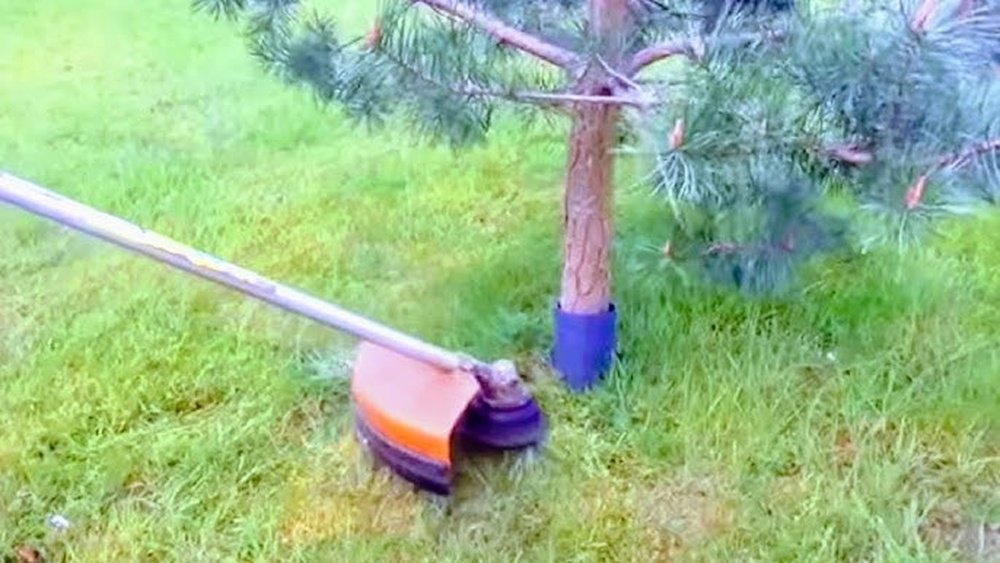
Trimming grass around trees might seem simple, but if you’re not careful, you can easily damage the tree bark or leave uneven patches that ruin your lawn’s look. You want your yard to look neat, but protecting your trees is just as important.
Using a trimmer the right way can help you create clean, sharp edges around your trees without harming them. In this guide, you’ll learn step-by-step how to trim grass around trees safely and efficiently with a trimmer—giving your lawn a polished appearance while keeping your trees healthy.
Ready to master this essential lawn care skill? Let’s get started!
Preparing The Area
Clear away leaves and debris around the tree base to protect its bark. Mark a safe trimming zone to avoid damage while cutting grass near the trunk.
Before trimming grass around trees, prepare the area carefully. This step protects the tree and ensures a clean cut. Proper preparation saves time and prevents damage to the tree bark.
Clear space around the tree lets you work safely and smoothly. It also helps the trimmer reach grass close to the trunk without hitting the tree.
Clear Debris And Obstacles
Remove sticks, stones, and leaves from around the tree base. These items can block the trimmer or become dangerous projectiles. Clearing debris prevents injury and protects your trimmer from damage.
Check carefully for hidden obstacles like roots or wires. Avoid cutting near these to keep your tools safe and the tree unharmed.
Mark The Tree Base Zone
Create a visible ring around the tree trunk to mark the trimming boundary. Use small stakes, string, or spray paint for clear guidance. This zone keeps the trimmer away from the bark.
Maintaining a grass-free circle protects the tree from cuts and diseases. It also makes your trimming cleaner and more precise.

Credit: www.amazon.com
Choosing The Right Trimmer
Choosing the right trimmer is key to trimming grass around trees safely and efficiently. The tool must offer control to avoid damaging the tree bark. It should also handle the type of grass and terrain in your yard. Picking the correct trimmer makes the job easier and protects your trees.
String Trimmer Vs Brush Cutter
String trimmers are lightweight and easy to use. They work well for light grass and small areas around trees. The nylon string cuts grass without harming the tree bark.
Brush cutters are stronger and heavier. They handle thick grass, weeds, and small bushes. Brush cutters use metal blades, which can damage tree bark if not used carefully. For delicate tree bases, string trimmers are usually safer.
Selecting Proper Line Thickness
Line thickness affects cutting power and control. Thin lines (0.065 to 0.080 inches) work best for soft grass and detailed trimming near trees. They reduce the risk of hitting the bark hard.
Thicker lines (0.095 to 0.130 inches) cut tougher grass and weeds faster. They are harder to control close to tree trunks. Choose the thinnest line that can handle your grass type to protect trees and get clean cuts.
Setting Up The Trimmer
Properly setting up your trimmer is the first step to trim grass cleanly around trees. This setup helps protect the tree bark and ensures a smooth trim. Taking time to adjust the trimmer can prevent damage and improve your control. It also makes the trimming process safer and more efficient.
Adjusting The Guard Position
The trimmer guard shields the tree and you from flying debris. Set the guard close to the cutting line but not touching it. This position blocks grass clippings and stones from hitting the tree trunk. Keep the guard in place to avoid accidents and protect the bark.
Selecting The Correct Speed And Line Length
Choose a moderate speed on your trimmer to avoid harsh cuts. High speed can harm the tree bark and wear the line quickly. Set the line length to a short but effective size. A shorter line gives better control near the tree base. This reduces the risk of accidentally striking the trunk.

Credit: www.youtube.com
Techniques For Trimming Around Trees
Trimming grass around trees requires careful techniques. The goal is to keep the tree healthy while maintaining a neat lawn. Using a trimmer helps reach tight areas near the trunk. These methods protect the tree bark and improve lawn appearance. Follow these simple techniques to trim safely and cleanly.
Creating A Grass-free Circle
Start by making a clear space around the tree base. Use the trimmer to cut grass in a circle around the trunk. This space should be about 6 to 12 inches wide. It stops grass from growing too close to the bark. A grass-free circle helps prevent damage from mowers or trimmers. It also reduces weed growth and improves water access for the tree roots.
Using The Upside-down Method
Flip the trimmer head upside down to trim close to the tree. This technique lets you cut grass neatly near the base. Hold the trimmer at a low angle and move slowly. Use your thumb to control the trigger for better precision. This method keeps the trimmer line from hitting the bark. It also helps create a clean edge around the tree.
Maintaining Safe Distance From Bark
Always keep the trimmer line a few inches away from the tree bark. Direct contact can damage the bark and harm the tree. Bark injuries invite pests and diseases. Use the trimmer guard to protect both the tool and the tree. Take slow, gentle strokes near the trunk. This careful approach prevents harm and keeps the tree healthy.
Safety Tips
Trimming grass around trees can be tricky. Safety is important to protect yourself and the tree. Follow these simple safety tips for a smooth trimming experience.
Wearing Protective Gear
Always wear safety glasses to protect your eyes from flying debris. Use gloves to shield your hands from cuts and blisters. Wear long pants and closed shoes to protect your legs and feet. A hat or ear protection can help reduce noise and sun exposure.
Handling Flying Debris
Flying debris can cause injury or damage property. Keep pets and children away from the trimming area. Clear the area of stones, sticks, and other objects before starting. Hold the trimmer steady and work slowly to control debris direction. Use the trimmer’s guard to block most flying objects.
Avoiding Damage To Tree Bark
Tree bark is sensitive and easy to damage. Avoid hitting the trunk directly with the trimmer line. Keep the trimmer head at a safe distance from the bark. Trim grass carefully around the base to prevent wounds. Damaged bark can lead to disease and harm the tree’s health.
Pros And Cons Of Removing The Guard
Removing the guard from your grass trimmer can seem tempting for easier access around trees. It may help you get closer to the trunk and trim more precisely. Yet, this choice carries both benefits and risks. Understanding these can help you decide what works best for your yard and safety.
Benefits Of Removing The Guard
Removing the guard lets you see the cutting line better. This makes it easier to trim grass close to tree trunks without guessing. It also helps fit the trimmer head into tight spaces near roots. Without the guard, the trimmer is lighter and easier to handle. This can reduce fatigue during long trimming sessions.
Risks And Disadvantages
Without the guard, flying debris can hit you or damage nearby plants. The guard protects both the user and the tree bark. Removing it raises the chance of cutting into the tree, which harms its health. The trimmer line may wear out faster without the guard’s support. This can cause engine strain and reduce the tool’s life. Removing the guard may also void the trimmer’s warranty.
Safer Alternatives
Use the guard but adjust your trimming technique for better control. Try flipping the trimmer or changing the angle to reach tight spots. Use a smaller trimmer head designed for edging around trees. Wearing safety goggles and protective clothing helps prevent injury. Consider hand tools for delicate areas near trunks. These methods protect you and preserve tree health.
Maintenance After Trimming
Proper maintenance after trimming grass around trees keeps your trimmer in good shape. It ensures the tool works efficiently for the next use. Simple steps like cleaning, checking, and storing the trimmer prevent damage and extend its life.
Cleaning The Trimmer
Remove grass clippings and dirt from the trimmer head. Use a brush or cloth to clean the spool and guard. Keep the cutting line clear to avoid jams. Clean the air filter if your trimmer has one. This helps maintain strong performance.
Checking For Damage
Look for cracks or worn parts on the trimmer head. Check the cutting line for frays or breaks. Inspect the shaft and handle for any loose screws or damage. Replace damaged parts before the next use. This prevents accidents and ensures smooth operation.
Proper Storage
Store the trimmer in a dry, cool place away from direct sunlight. Hang it or place it on a stable surface to avoid bending. Remove the fuel if your trimmer uses gas. Cover the trimmer to protect it from dust and moisture. Proper storage keeps the trimmer ready for your next project.

Credit: www.amazon.com
Frequently Asked Questions
How To Cut Grass Around Trees?
Create a grass-free circle around the tree trunk to protect bark. Use a string trimmer carefully, keeping blades away from the bark. Trim grass gently to avoid damaging roots or tree health. Maintain a safe distance to prevent disease and tree injury.
How To String Trim Around Trees?
Hold the trimmer at a slight angle, keeping the line just above the soil. Trim slowly around the tree base, avoiding contact with bark. Create a grass-free ring to protect the tree and ensure safe trimming.
How To Use A Trimmer For Edging?
Hold the trimmer firmly, align the cutting head parallel to the edge, and move it smoothly along the border. Maintain a steady pace for clean lines.
Why Do Landscapers Take The Guard Off Trimmers?
Landscapers remove trimmer guards for better visibility, access tight spots, use longer string for wider coverage, and reduce tool weight. This improves precision and efficiency but increases safety risks and can void warranties.
Conclusion
Trimming grass around trees keeps your yard neat and healthy. Always use a trimmer carefully to avoid tree bark damage. Take your time and trim evenly for best results. Clear grass from the tree base to protect roots and trunk.
With practice, trimming around trees becomes quick and easy. Your trees will look better and stay strong longer. Keep safety in mind and enjoy a tidy lawn every season.