
When winter arrives, storing your propane tank safely becomes a top priority. You might wonder how to protect your tank from freezing temperatures, moisture, or even accidental leaks.
Taking the right steps now can keep your propane tank in perfect condition and ensure your safety throughout the cold months. You’ll discover simple, practical tips to store your propane tank safely during winter—so you can avoid costly damage, prevent hazards, and enjoy peace of mind until it’s time to use it again.
Keep reading to learn exactly what you need to do to protect your propane tank this winter.
Choose The Right Location
Choosing the right location for storing your propane tank during winter is crucial. It helps prevent accidents and maintains the tank’s condition. A safe spot reduces the risk of leaks and fire hazards. Follow these simple tips to select the best place.
Keep Tanks Outdoors
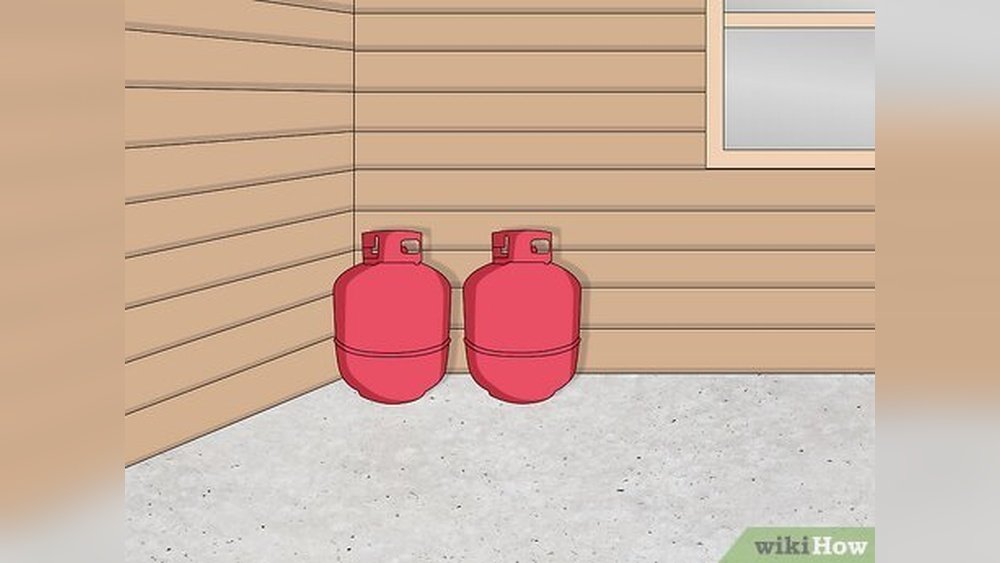
Always store propane tanks outside your home. Indoor storage increases fire risks. Outdoor placement ensures any leaks disperse quickly in the open air. Avoid storing tanks in garages or basements. Cold weather will not harm propane if stored properly outside.
Select A Well-ventilated Area
Choose a spot with good airflow around the tank. Proper ventilation prevents gas buildup. Gas can collect near the ground if ventilation is poor. Keep the tank away from enclosed spaces or tight corners. Fresh air helps keep the propane safe and stable.
Avoid High-traffic Zones
Place tanks where people and vehicles rarely pass. High-traffic areas increase the chance of accidental damage. A bumped or knocked-over tank can cause leaks. Pick a quiet corner away from doors, driveways, and play areas. This lowers the risk of accidents.
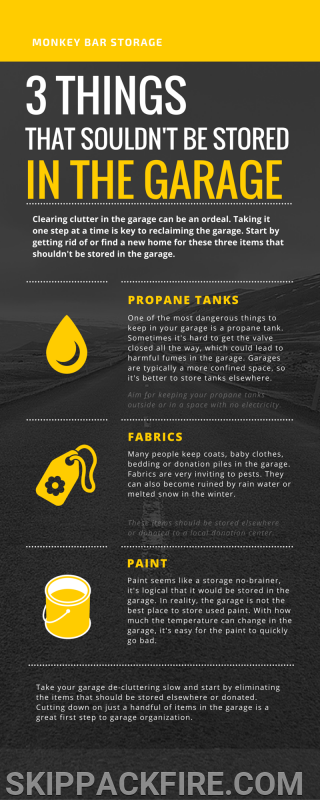
Credit: www.skippackfire.com
Maintain Upright Position
Maintaining your propane tank in an upright position during winter is crucial for safety. This simple step helps keep the tank working properly and prevents dangerous situations. Upright storage ensures the propane stays in the correct state inside the tank. It also protects the valve and reduces chances of leaks. Always place your tank on a stable, level surface outdoors. Avoid laying it flat or on its side, even for a short time. Proper positioning supports the tank’s design and safety features.
Prevent Valve Malfunction
Keeping the tank upright helps the valve function correctly. The valve is designed to release gas only when the tank stands vertically. If the tank tips or lies down, liquid propane may enter the valve. This can cause the valve to freeze or fail. A malfunctioning valve may stop gas flow or create unsafe pressure. Upright storage avoids these problems and keeps the valve working smoothly.
Reduce Leak Risks
An upright tank reduces the risk of propane leaks. Propane is stored as a liquid under pressure, and the valve seals the gas inside. When the tank is vertical, the valve stays above the liquid level. This prevents liquid propane from escaping. Laying the tank on its side can damage seals and cause leaks. Leaks are dangerous because propane is highly flammable. Store tanks upright to keep your home and family safe during winter.
Protect From Elements
Protecting your propane tank from harsh winter elements is key for safety and longevity. Exposure to snow, ice, and sunlight can damage the tank or affect its performance. Taking simple steps helps keep your propane tank in good shape throughout the cold months.
Use Weatherproof Covers
Weatherproof covers shield your propane tank from rain, snow, and freezing temperatures. Choose covers made from durable, waterproof materials. These covers prevent moisture buildup and reduce rust risks. Always ensure the cover fits well and allows ventilation to avoid trapped gas.
Shield From Snow And Ice
Snow and ice can block valves or pressure relief devices on your tank. Clear snow regularly to keep these parts accessible. Place the tank under a shelter or roof overhang to reduce direct snowfall. Avoid piling snow around the base to prevent moisture damage and freezing.
Avoid Direct Sunlight
Direct sunlight heats propane tanks, increasing pressure inside. Place your tank in a shaded area or use a shade cloth. Avoid storing tanks where the sun hits for long hours. Keeping the tank cool helps maintain safe pressure levels and extends its lifespan.
Monitor Temperature Effects
Cold weather affects propane tanks in many ways. Monitoring temperature changes is key to keeping your tank safe and working well. Low temperatures can cause issues with the tank’s parts. Watch your tank closely during winter months. Protect it from freezing and damage to avoid costly repairs or leaks.
Prevent Freezing Regulator
The regulator controls propane flow from the tank. Cold weather can freeze the regulator. A frozen regulator stops gas flow. It causes appliances to stop working. Keep the regulator dry and clear of snow. Use a cover or shield to block wind and moisture. Check the regulator often for ice build-up. Remove ice gently to avoid damage. Never use sharp tools on the regulator.
Use Tank Warmers Safely
Tank warmers help keep propane flowing in cold weather. They prevent the tank from getting too cold. Use warmers made for propane tanks only. Follow all instructions carefully. Do not use heaters not designed for tanks. Keep warmers away from flammable materials. Monitor the tank and warmer regularly. Turn off the warmer if you smell gas or see damage. Safe use of warmers protects your tank and home.
Inspect And Maintain Tanks
Proper inspection and maintenance of propane tanks ensure safety during winter storage. Regular checks prevent leaks and damage that can cause hazards. Keeping tanks in good condition helps avoid costly repairs or dangerous situations. Follow simple steps to inspect your propane tank thoroughly and maintain it well.
Check For Leaks And Damage
Start by examining the tank’s surface for rust, dents, or cracks. These damages can weaken the tank and cause leaks. Use a soap and water solution to spray on connections and valves. Bubbles forming indicate a gas leak. Never use open flames for leak detection. Repair or replace damaged tanks immediately to stay safe.
Examine Valves And Seals
Valves and seals control the flow of propane and keep it contained. Check for wear, cracks, or stiffness in these parts. Gently turn valves to ensure they operate smoothly without resistance. Replace any worn or damaged seals to prevent gas from escaping. Properly functioning valves and seals reduce the risk of leaks.
Schedule Professional Inspections
Have a licensed technician inspect your propane tanks yearly. Professionals can detect problems that are hard to see. They test for leaks, check pressure levels, and assess overall tank condition. Timely professional inspections extend tank life and keep your home safe. Book inspections before winter to prepare for cold weather storage.
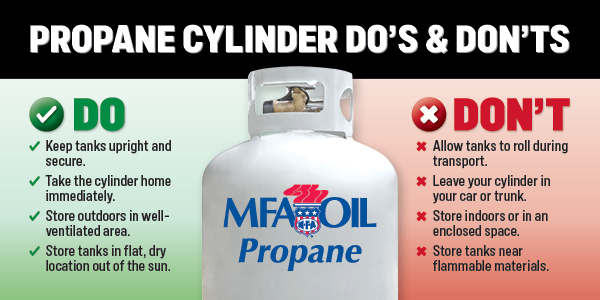
Credit: www.mfaoil.com
Follow Local Regulations
Following local regulations is vital when storing propane tanks in winter. Rules vary by location and ensure safety for you and your neighbors. Knowing these rules helps avoid fines and hazards. Always check with your local fire department or regulatory agency before storing your propane tank. They provide guidelines tailored to your area’s climate and safety needs. Respecting these rules keeps your storage safe and legal.
Understand Storage Limits
Each area sets limits on how many propane tanks you can store. These limits depend on tank size and storage location. Exceeding these limits can create fire risks and legal issues. Learn the maximum amount allowed for your property. This helps you plan safe storage without breaking rules. Keep your tanks spaced properly to reduce hazards.
Comply With Safety Codes
Safety codes cover tank placement, ventilation, and distance from buildings. Tanks must be stored outdoors in a well-ventilated space. Keep tanks upright and away from heat sources. Follow local fire codes for proper clearance from doors and windows. Use approved containers and supports for your tanks. Regularly inspect tanks for damage or leaks as required. Meeting these codes lowers the risk of accidents during winter.
Handle And Transport Safely
Handling and transporting propane tanks safely protects you and others from accidents. Propane is highly flammable and needs careful management during movement. Proper handling reduces risks and keeps your tanks in good condition. Follow clear steps to move your propane tanks without danger.
Use Proper Equipment
Always use equipment designed for propane tanks. Use a sturdy hand truck or cart made for cylinders. Avoid dragging or rolling tanks on the ground. Wear gloves to protect your hands from cold or rough surfaces. Check that all tools and carriers are in good condition before use.
Secure Tanks During Movement
Keep propane tanks upright and stable while moving them. Use straps or chains to secure tanks in vehicles. Prevent tanks from tipping or sliding during transport. Place tanks away from heat sources and ignition points. Make sure valves are closed tightly before moving. Drive slowly and avoid sharp turns to keep tanks steady.

Credit: www.youtube.com
Frequently Asked Questions
Where Should I Store A Propane Tank In Winter?
Store propane tanks upright in a dry, well-ventilated area outdoors. Keep them away from extreme cold and heat sources for safety.
Can A 20 Lb Propane Tank Be Stored On Its Side?
Never store a 20 lb propane tank on its side. Always keep it upright to prevent leaks and ensure valve safety.
How Long Can A Propane Tank Sit Without Being Used?
A propane tank can sit unused for years if stored upright in a dry, ventilated area. Check valves and seals regularly.
How Do I Keep My 20lb Propane Tank From Freezing?
Keep your 20lb propane tank upright in a well-ventilated, dry area. Use a propane tank warmer to prevent freezing. Avoid placing it on cold surfaces or in snow. Regularly check the regulator and valves for ice buildup to ensure safe operation.
Conclusion
Proper propane tank storage protects your home and family during winter. Always keep tanks upright and in well-ventilated, dry areas. Avoid storing tanks indoors or near heat sources. Check valves and hoses regularly for leaks or damage. Cover tanks to shield them from snow and ice buildup.
Taking these simple steps ensures safe use and extends tank life. Stay cautious and handle propane with care every winter season. Safety is key to worry-free propane storage all year round.