
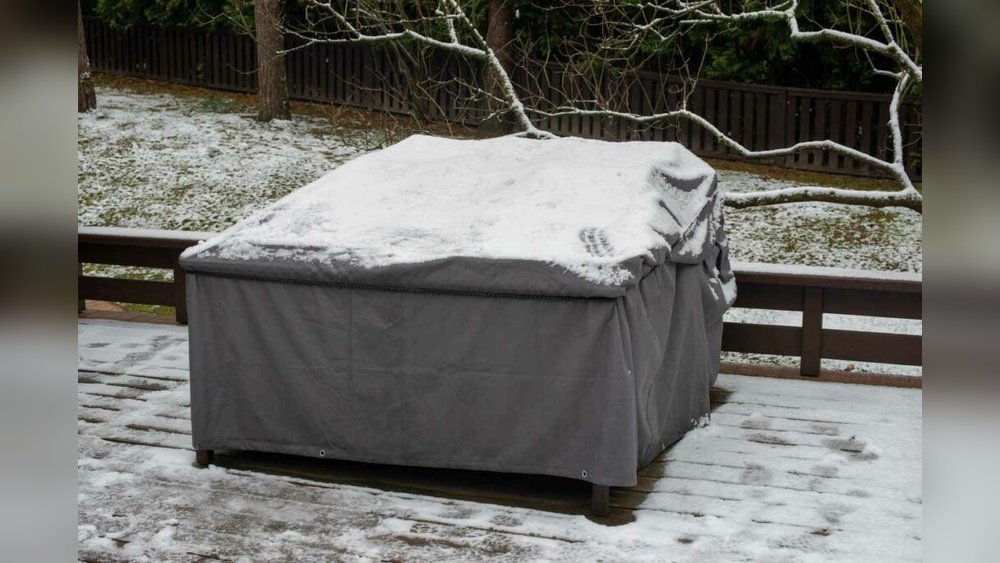
Getting your outdoor furniture ready for winter is one of the best ways to make it last for years. Many people invest good money in patio sets, benches, or lounge chairs, but forget that winter weather can quickly damage even high-quality pieces. The good news? With some planning and smart storage strategies, you can protect your outdoor furniture from snow, ice, and cold temperatures. This guide will walk you through how to store outdoor furniture for winter, step by step, using clear language, helpful examples, and practical tips.
Why Proper Storage Matters
Outdoor furniture faces a tough environment. Rain, snow, ice, and freezing temperatures can ruin wood, metal, plastic, and fabric. You might see rust, cracking, fading, or mildew by spring if you don’t protect your pieces. Data from the American Home Furnishings Alliance shows that improper storage is a leading cause of premature outdoor furniture damage. In fact, well-cared-for furniture can last up to twice as long as neglected items.
But protecting your furniture isn’t only about avoiding damage—it’s about saving money. Replacing a full patio set costs hundreds or even thousands of dollars. With the right storage steps, you keep your furniture looking good and working well for much longer.
Assessing Your Outdoor Furniture
Before you move anything, take a few minutes to check what you have. Each material has different needs.
Identify Materials And Condition
- Wood: Teak, cedar, eucalyptus, or acacia are common. Check for cracks, stains, or loose joints.
- Metal: Aluminum, steel, or wrought iron. Look for rust spots or chipped paint.
- Plastic/Resin: Polypropylene, polyethylene, or PVC. Check for fading, brittleness, or cracks.
- Wicker/Rattan: Natural or synthetic. Watch for unraveling or mold.
- Fabric: Cushions, umbrellas, and covers. Check for mildew, fading, or tears.
Inspect each piece. Take photos if you want a record. Make a quick list of items that need cleaning or repair before you store them.
Evaluate Storage Space
Next, consider where you can put your furniture for the winter. Common options include:
- Garage
- Basement
- Shed
- Attic
- Covered porch or patio
- Storage unit
Measure your available space. Large items like tables or loungers need more room, while stackable chairs or folding pieces are easier to fit in tight spots. If you don’t have indoor space, you’ll need high-quality outdoor covers (more on those soon).
Credit: bytheyard.net
Cleaning: The First Essential Step
Never store dirty furniture. Dirt, pollen, and moisture can lead to stains, mold, or corrosion over the winter. Here’s how to clean each type:
Wood Furniture
- Use a soft brush or cloth to remove loose dirt.
- Mix mild soap with warm water.
- Gently scrub the surface, following the wood grain.
- Rinse with clean water and dry completely.
- For mildew, mix 1 cup of vinegar with 1 gallon of water and wipe affected areas.
Metal Furniture
- Brush off dust and debris.
- Wash with a sponge and mild soap solution.
- Rinse and dry fully.
- Apply touch-up paint to any scratches or rust spots to prevent spreading.
Plastic/resin Furniture
- Wipe with a damp cloth.
- Use a mixture of water and dish soap for stubborn dirt.
- Rinse and let it air dry.
Wicker/rattan Furniture
- Use a vacuum with a brush attachment to remove dust from crevices.
- Clean with a damp cloth and gentle soap.
- Dry thoroughly to prevent mold.
Cushions And Fabric
- Brush off surface dirt.
- Check labels for washing instructions.
- Most covers can be machine washed in cold water.
- Dry covers and cushions completely before storage.
If you skip drying, trapped moisture can cause mildew or musty smells. Always store fabric in a dry, airy place.
Repair And Maintenance Before Storing
Small repairs now can prevent bigger problems later.
- Tighten screws and bolts on all furniture.
- Sand and repaint any chipped or rusted metal areas.
- Oil wood (use teak or linseed oil) to help prevent cracking.
- Repair loose wicker strands with glue or replace broken pieces.
- Patch tears in fabric or replace damaged covers.
This is also the time to consider applying a protective sealant to wood or metal. Sealants help repel moisture and reduce the risk of cracking or rust.

Credit: www.thewickery.com
Choosing The Right Storage Location
Where you store your furniture makes a big difference. Here’s a quick comparison:
| Storage Option | Protection Level | Best For | Drawbacks |
|---|---|---|---|
| Garage/Basement | Excellent | All materials | May take up car/storage space |
| Shed | Good | Plastic, metal, wicker | Risk of moisture if not ventilated |
| Outdoor (with cover) | Moderate | Metal, resin, weatherproof wood | Needs high-quality cover, wind risk |
| Attic | Good | Small items, cushions | Hard to carry large furniture |
| Storage Unit | Excellent | Expensive or large sets | Monthly rental cost |
If you must store outside, choose the most sheltered spot—under an awning, against a wall, or out of the wind.
How To Store Different Types Of Outdoor Furniture
Each material needs specific care. Here are practical storage tips for the most common types.
Storing Wood Furniture
- Keep indoors if possible. Wood expands and contracts with temperature changes, which can cause warping or cracks.
- If indoor space is not available, use a waterproof, breathable cover. Avoid plastic tarps that trap moisture.
- Place wood furniture on blocks or a pallet to keep it off the wet ground.
- Never let snow pile up on wood furniture—it can cause splitting or mold.
Storing Metal Furniture
- Move metal pieces inside to avoid rust.
- Cover with soft blankets or furniture pads to prevent scratches during storage.
- If left outside, use a water-resistant cover that fits snugly but allows air circulation.
- Elevate metal furniture off the ground to prevent water pooling and rust.
Storing Plastic/resin Furniture
- These pieces are more weather-resistant but can become brittle in extreme cold.
- Stack or nest chairs to save space.
- Store indoors or in a shed for best results.
- If left outside, cover completely and secure the cover tightly—wind can blow lightweight furniture away.
Storing Wicker/rattan Furniture
- Always store inside. Moisture can cause natural wicker to rot and synthetic wicker to fade.
- Wipe with a dry cloth before storing.
- Place in a dry area with good air flow.
- Avoid stacking heavy items on top, as wicker can flatten or bend.
Storing Cushions, Fabrics, And Umbrellas
- Wash and dry fully.
- Store in breathable bags (like cotton) rather than plastic to prevent mildew.
- Keep in a dry, temperature-controlled space—never outdoors.
- Store umbrellas closed and upright, if possible.
Using Furniture Covers: What You Need To Know
A good cover can protect furniture left outdoors when indoor space is limited. But not all covers are equal.
Key Features To Look For
- Waterproof, not just water-resistant. True waterproofing keeps out snow and rain.
- UV protection to prevent sun fading.
- Breathable fabric to avoid mold and mildew.
- Secure fastenings (straps, elastic hems, or buckles) to hold the cover in place during wind.
Cover Sizing
Covers should fit snugly but not too tight. Too loose, and wind can lift them; too tight, and they may tear. Measure your furniture before buying covers. Some brands make covers for specific shapes—tables, sofas, chairs, or chaise lounges.
Common Cover Mistakes
- Using cheap plastic tarps, which trap moisture and promote mold.
- Covering wet furniture—always dry pieces first.
- Forgetting to check covers after heavy snow or storms.
Storing Patio Heaters, Fire Pits, And Grills
Don’t forget about your outdoor heating and cooking equipment. Here’s how to keep them safe:
- Patio heaters: Disconnect propane, clean the burner, and cover with a heater-specific cover. Store upright in a dry space.
- Fire pits: Remove ashes, clean the bowl, and cover tightly. Store in a shed or garage if possible.
- Grills: Clean thoroughly, remove propane tanks, and store both grill and tank separately in dry locations.
Proper storage prevents rust and keeps these items ready for next season.
Organizing And Stacking For Space Efficiency
Storing everything efficiently saves space and prevents damage.
- Stack chairs if possible, with towels or padding between them to prevent scratches.
- Remove table legs for easier storage if your table is designed for it.
- Store cushions in bins or bags on shelves, not on the floor.
- Label bins or boxes with contents for easy retrieval in spring.
- Keep furniture off concrete floors if possible, as concrete can draw moisture into wood or metal.
Here’s a sample organization strategy:
| Item | Best Storage Position | How to Pad/Protect |
|---|---|---|
| Stackable Chairs | Stacked vertically | Old towels or felt pads |
| Tables | Legs removed, on side | Blankets on corners/edges |
| Cushions | In bins or on shelves | Breathable bags |
| Umbrellas | Closed, upright | Dust cover, in closet |
Dealing With Limited Storage Space
Not everyone has a big garage or basement. Here’s how to make the most of small spaces:
- Use vertical space: Install shelves in your shed or garage.
- Choose stackable/folding furniture: Plan ahead when buying.
- Rent a mini storage unit: This can be cost-effective for expensive sets.
- Share space with a neighbor: Split costs and storage if you both have outdoor furniture.
- Invest in outdoor storage boxes: Some weatherproof boxes can double as benches.
Remember, leaving furniture exposed is always a last resort. Even basic protection is better than nothing.
Winterizing Outdoor Furniture: Key Mistakes To Avoid
Many people repeat the same storage mistakes every year. Here are common pitfalls and how to avoid them:
- Storing dirty furniture: Dirt and grime trap moisture and promote mold.
- Using plastic tarps directly on furniture: They trap condensation and cause rot.
- Stacking heavy items on cushions or wicker: Leads to crushing and permanent damage.
- Forgetting to check on stored items: Periodically inspect stored furniture for leaks, pests, or shifting.
- Leaving fabric wet: Even small amounts of moisture can ruin cushions or covers.
- Ignoring manufacturer’s advice: Some materials require special care—check manuals or tags.
How To Prepare For Next Spring
Smart winter storage makes your job easier when the weather warms up.
- Before unpacking, inspect furniture for any signs of mold, rust, or damage.
- Air out cushions and covers for a day in the sun.
- Re-oil wood and touch up paint as needed.
- Clean surfaces again to remove dust before use.
- If you see new damage, address it quickly—spring is the best time for repairs.

Credit: www.mtlakepool.com
Non-obvious Tips For Extra Protection
- Add moisture absorbers (like silica gel packs) to storage bins with cushions or covers. This reduces the risk of mildew.
- Elevate furniture on pallets or boards, even indoors, to prevent moisture wicking from the floor.
- Open covers on dry, sunny days for an hour to vent trapped moisture.
- Remove glass tabletops and store them separately in a safe, upright position. Extreme cold can weaken glass.
- Use furniture-friendly insect repellents (cedar blocks or lavender sachets) to keep pests away from wood and fabric.
These steps take only a few minutes but can make a huge difference in how your furniture looks and lasts.
Planning Ahead: Buying Furniture That’s Easy To Store
If you’re thinking about new outdoor furniture, choose pieces that are designed for easy storage:
- Folding or stackable chairs take much less space.
- Modular sets can be broken down into smaller parts.
- Weather-resistant materials (like powder-coated aluminum or all-weather wicker) need less protection.
- Removable cushions are easier to wash and store.
When shopping, ask about winter storage needs, and check if the brand offers custom-fit covers.
Environmental Impact: Why Storing Matters
Proper storage isn’t just about your wallet—it’s also about the planet. Most outdoor furniture is made with energy-intensive materials like aluminum, plastic, or treated wood. Replacing furniture every few years creates waste and pollution. By protecting your investment, you help reduce landfill waste and the demand for new products.
According to the Environmental Protection Agency, over 9 million tons of furniture are thrown away each year in the US—much of it could have lasted longer with better care.
When To Start Winterizing
Don’t wait for the first snowstorm. The best time to start storing outdoor furniture is early fall, when the weather is still mild and dry. This gives you enough time to clean, dry, repair, and organize your items before the cold and wet weather arrives.
Set a reminder for late September or early October, depending on your climate.
Useful Resources
For more detailed guidance on caring for different materials, check out this comprehensive Better Homes & Gardens guide to outdoor furniture care.
Frequently Asked Questions
How Can I Store Outdoor Furniture If I Don’t Have A Garage Or Shed?
If you lack indoor storage, use high-quality, waterproof and breathable covers. Place furniture as close to the house as possible, under an awning or porch. Elevate items off the ground using bricks or boards. For cushions, always store them indoors, even if you have to use a closet or under-bed storage.
Can I Leave Metal Patio Furniture Outside All Winter?
It’s possible, but not recommended. If you must, use a tight-fitting, waterproof cover and check regularly for rust. Move furniture away from spots where snow and water collect. Applying a coat of rust-inhibiting spray before winter can provide extra protection.
What’s The Best Way To Store Outdoor Cushions?
Wash and dry cushions fully. Place them in breathable storage bags and store in a dry, indoor place like a closet, attic, or storage bin. Avoid plastic bags or containers that trap moisture. Adding a few silica gel packs can help prevent mildew.
How Do I Prevent Mold And Mildew During Storage?
Clean and dry all items before storing. Use covers that allow air to circulate. For extra safety, add moisture absorbers to bins or shelves. Check stored items every few weeks, especially if you live in a humid climate.
Should I Oil Wood Furniture Before Storing For Winter?
Yes. Applying teak oil or other wood sealant after cleaning and drying helps protect against cracking and moisture damage. Follow the product instructions, and always let the oil dry fully before covering or storing.
Taking the time to prepare your outdoor furniture for winter is a smart investment. A few hours of work can save you a lot of money and effort in the spring. Whether you have a big backyard or a small balcony, these steps will help you enjoy your furniture for many years to come.