
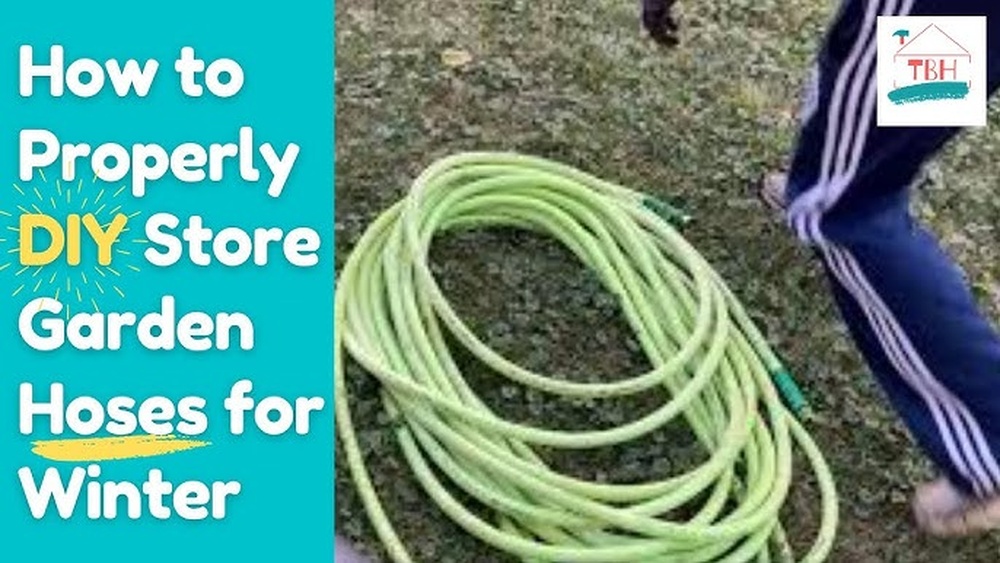
Winter is coming, and if you want your garden hose to last for many seasons, knowing how to store it properly is a must. Leaving your hose outside when temperatures drop can cause it to freeze, crack, and become useless.
But don’t worry—storing your garden hose in winter doesn’t have to be complicated. In this guide, you’ll learn simple, effective steps to protect your hose from the cold and keep it in great shape. Follow these tips, and you’ll save money, time, and frustration when spring arrives.
Ready to give your garden hose the care it deserves? Let’s dive in!
:max_bytes(150000):strip_icc()/GettyImages-117709868-a7b6e60ffef84e3f938f81de0ddb9cb1.jpg)
Credit: www.marthastewart.com
Winter Damage Risks
Winter poses serious risks to garden hoses if not stored properly. Cold weather can cause damage that shortens the hose’s life. Understanding these risks helps protect your investment and keeps your hose ready for spring.
Freezing Temperatures Impact
When temperatures drop below freezing, water inside the hose can freeze. Frozen water expands and can stretch or crack the hose material. This leads to leaks and weak spots. Even a small amount of frozen water can cause damage.
Repeated freezing and thawing make the hose brittle. Over time, the hose loses flexibility and becomes prone to breaking. Protecting the hose from freezing temperatures is crucial for its durability.
Water Expansion Issues
Water expands about 9% when it freezes. This expansion puts pressure on the hose walls. The pressure can cause the hose to bulge or split open. These splits are often hidden until water leaks out during use.
Leaving water inside the hose during winter increases the chance of damage. Draining the hose fully helps prevent expansion problems. Avoid storing the hose with water trapped inside.
Exposure To Elements
Winter weather exposes hoses to harsh elements like snow, ice, and wind. Sunlight and cold air also wear down the hose material. Prolonged exposure causes fading, cracking, and stiffening.
UV rays damage the hose surface even in winter. Wind and ice can cause physical wear and tear. Storing the hose in a sheltered, dry place reduces exposure and extends its life.
Preparing Hose For Storage
Preparing your garden hose for winter storage protects it from damage and extends its life. Proper steps stop freezing water from causing cracks or leaks. Simple care before storing helps avoid costly replacements in spring.
Follow these key steps to prepare your hose well. Disconnecting, draining, and careful coiling all matter. Each step ensures your hose stays in good shape during cold months.
Disconnecting The Hose
Start by turning off the water supply to the hose. Unscrew the hose from the outdoor faucet carefully. Avoid pulling or twisting the hose to prevent damage. Removing it fully stops water from staying inside and freezing. Store the hose away from the faucet to protect both parts.
Draining Water Completely
Drain all water from the hose before storing. Hold one end low to let gravity pull water out. Walk along the hose to push out any remaining water. Water left inside can freeze and cause splits. Make sure no water stays trapped in any part of the hose.
Avoiding Kinks And Twists
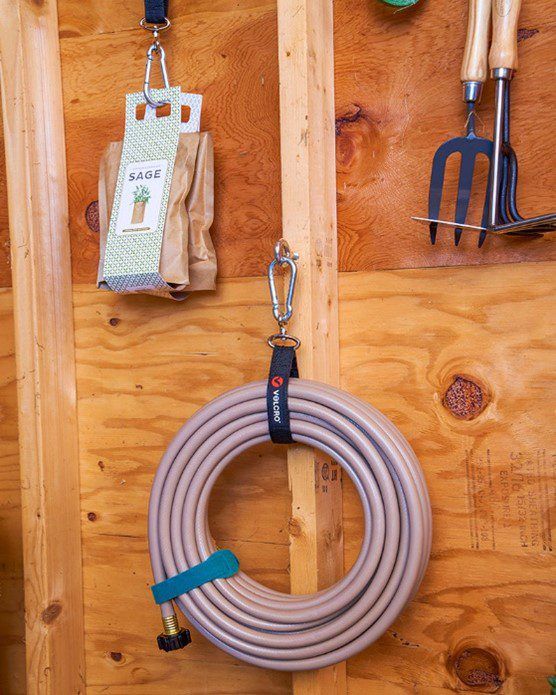
Coil the hose loosely into large loops. Small, tight coils create kinks that weaken the hose. Avoid sharp bends or twists that cause stress. Use a hose reel or hang it on a hook if possible. Proper coiling keeps the hose flexible and ready for next use.
Choosing Storage Location
Choosing the right storage location for your garden hose during winter is crucial. The goal is to protect it from freezing temperatures and damage. Proper storage extends the hose’s life and keeps it ready for use in spring. Consider the environment where you store the hose to prevent cracks and leaks.
Indoor Vs Outdoor Storage
Indoor storage is the safest option for your garden hose. A garage, basement, or shed shields it from harsh cold. Keeping the hose inside prevents freezing and brittleness. Outdoor storage is possible but requires extra care. Make sure the hose is completely drained to avoid ice buildup. Cover it with an insulated hose box or wrap to reduce exposure.
Ideal Temperature And Humidity
Store the hose in a place with mild temperatures. Avoid areas where temperature drops below freezing. Ideal storage keeps the hose between 40°F and 70°F. High humidity can cause mold and mildew on the hose. Choose a dry spot with good air circulation. This helps maintain the hose’s flexibility and durability.
Using Hose Reels And Hangers
Hose reels and hangers keep the hose organized and off the ground. This reduces kinks and tangles during storage. Use a reel or hanger inside to protect the hose from cold and moisture. Outdoor reels should be covered and insulated for winter. Properly winding the hose prevents damage and makes it easy to use next season.
Protecting Outdoor Faucets
Protecting outdoor faucets is essential before winter arrives. Water left inside can freeze and cause pipes to burst. This damage leads to costly repairs and water loss. Taking simple steps can keep your faucets safe through cold months. Proper care prevents leaks and ensures a smooth spring start.
Shutting Off Water Supply
Locate the shut-off valve inside your home. Turn it off to stop water flow to the outdoor faucet. This step stops water from sitting in pipes outside. Shutting off water reduces the risk of freezing and pipe damage. Make sure the valve is fully closed for best results.
Draining The Spigot
After shutting off water, open the outdoor faucet fully. Let all water drain out completely. This removes any remaining water in the pipe. Draining prevents ice from forming inside the spigot. Leave the faucet open during winter to allow expansion space.
Installing Frost-proof Faucets
Consider replacing old faucets with frost-proof models. These faucets extend inside the wall where it is warmer. This design stops water from freezing in the pipe. Frost-proof faucets reduce winter damage risk effectively. Installation may require a plumber for proper setup.
Maintenance Tips During Winter
Proper maintenance during winter keeps your garden hose in good shape. Cold weather can cause damage if the hose is not cared for. Follow these simple tips to protect your hose and extend its life. Regular checks and cleaning prevent costly repairs and ensure readiness for spring.
Regular Hose Inspections
Inspect your hose often during winter storage. Look for signs of wear or damage caused by cold temperatures. Early detection helps avoid bigger problems later. Check both ends and the entire length carefully. Make sure no parts are frozen or brittle.
Checking For Cracks And Leaks
Cracks and leaks reduce hose performance and waste water. Examine the hose surface for small splits or holes. Run water through the hose before storing to find leaks. Repair minor damage with hose tape or patches. Replace the hose if damage is severe.
Cleaning Before Storage
Cleaning removes dirt and prevents mold growth. Rinse the hose with water to clear debris. Use mild soap for stubborn grime but avoid harsh chemicals. Dry the hose fully to prevent mold and freezing inside. Store the hose in a dry, cool place away from direct sunlight.
:strip_icc()/102268250_preview-a753d296df314bfd96277f16dc556a8c.jpg)
Credit: www.bhg.com
Long-term Hose Care
Proper care of your garden hose during winter extends its life. Long-term hose care prevents cracks and leaks caused by freezing temperatures. Follow simple steps to store your hose safely until spring. This helps keep water flowing and saves money on replacements.
Proper Coiling Techniques
Start by draining all water from the hose. Water left inside can freeze and damage it. Coil the hose in large loops about two feet wide. Avoid tight coils that cause kinks or bends. Store the hose on a reel or hang it on hooks to keep its shape.
Using Hose Protectors
Hose protectors shield your hose from cold and sharp edges. Wrap foam sleeves or pipe insulation around the hose. These protectors reduce damage from cold air and rough surfaces. Placing the hose inside a storage bin or plastic bag adds extra protection.
Replacing Old Hoses
Check your hose for cracks or leaks before storing. Old hoses become brittle and break easily in winter. Replace damaged hoses to avoid water loss and frustration. Investing in a new hose with weather-resistant material improves durability.
Credit: www.velcro.com
Frequently Asked Questions
Can You Leave Your Garden Hose Outside In The Winter?
You can leave your garden hose outside in winter only if you fully drain it. Water left inside can freeze, causing damage. Disconnect the hose, drain all water, and store it in a sheltered area to extend its life and prevent splitting from freezing temperatures.
How To Store Garden Hose For Winter Diy?
Drain all water from the hose by hanging it over a high surface. Coil it loosely without kinks. Store indoors in a shed, garage, or basement to prevent freezing and damage.
What Temperature Will A Garden Hose Freeze At?
A garden hose freezes at 32°F (0°C). Water inside expands and can damage the hose below this temperature.
Should You Leave A Hose Bib Open Or Closed In Winter?
Leave the hose bib closed in winter to prevent freezing. Disconnect and drain hoses, then shut off the indoor water supply. Open the bib to drain any remaining water, avoiding pipe damage.
Conclusion
Storing your garden hose properly protects it from winter damage. Always drain all water before storing to prevent freezing. Coil the hose loosely to avoid kinks and cracks. Keep it in a dry, sheltered place like a garage or basement.
Taking these simple steps saves money and extends your hose’s life. Ready for spring watering without any hassle. Winter care matters for your garden tools too. Small effort now means no repairs later. Stay prepared and protect your hose every cold season.