

Is chickweed taking over your lawn and ruining its lush, green look? You’re not alone.
This pesky weed spreads quickly, thrives in cool, moist conditions, and can be tough to get rid of once established. But don’t worry—removing chickweed from your lawn is easier than you think when you know the right steps. In this guide, you’ll discover simple, effective ways to reclaim your yard and keep chickweed from coming back.
Stick with me, and you’ll soon enjoy a healthier, weed-free lawn you can be proud of.
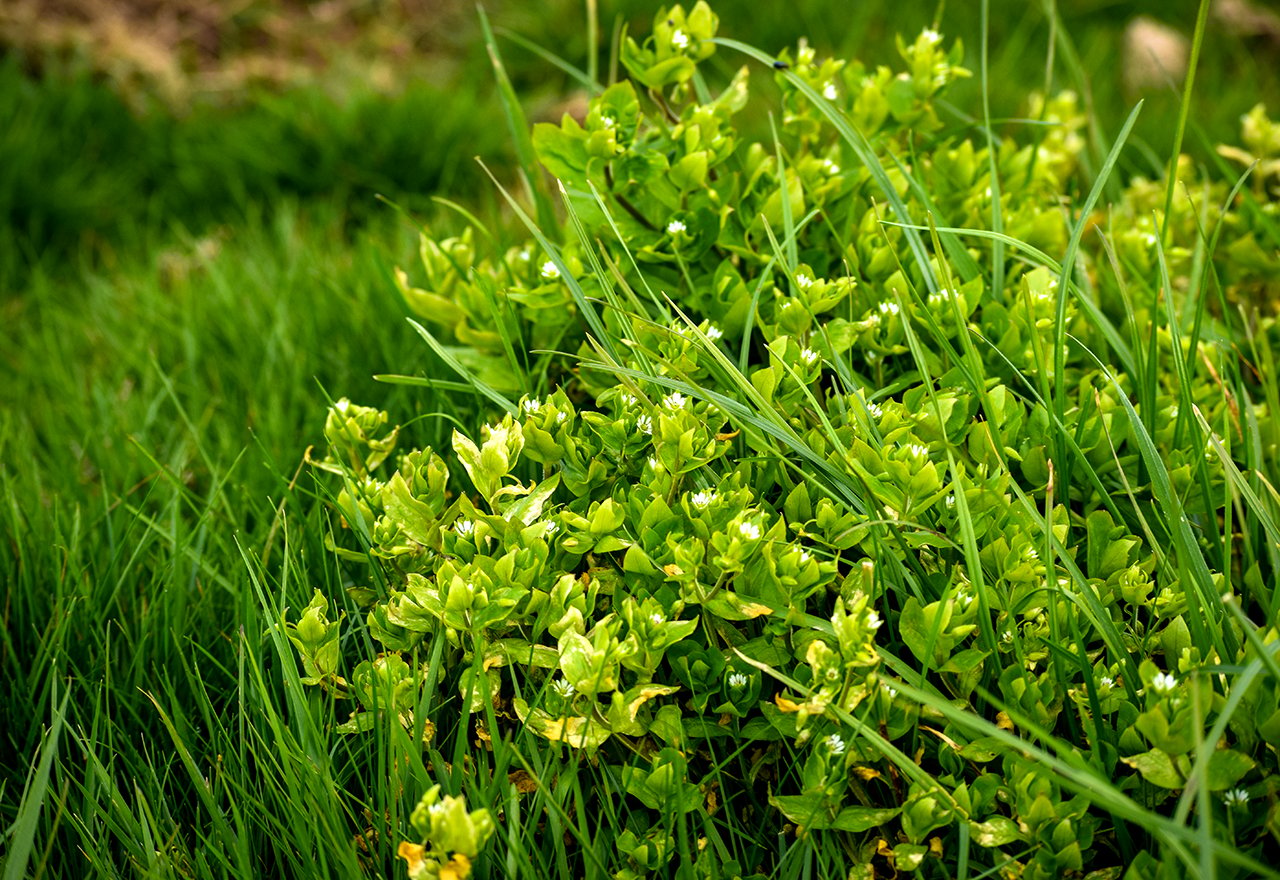
Credit: www.whygoodnature.com
Chickweed Growth Factors
Timing plays a big role in controlling chickweed in your lawn. Different seasons affect how well treatments work. Knowing the right time to act helps kill chickweed before it spreads. Seasonal weed control timing lets you plan treatments for best results. Understanding fall, spring, and frost risks keeps your lawn healthy all year.
Fall Treatments
Fall is a prime time to treat chickweed. The weed stores energy in its roots during this season. Applying herbicides in fall kills chickweed before winter. Late September to early November works well for spraying. The soil is still warm, helping herbicides move to roots. Fall treatments also stop new chickweed seeds from sprouting.
Spring Considerations
Spring is another key season for weed control. Chickweed grows fast as temperatures rise. Early spring treatment stops the weed before it flowers. Use selective herbicides that protect grass while killing chickweed. Regular mowing helps, cutting chickweed before it spreads seeds. Spring care prevents heavy infestations later in the year.
Avoiding Frost Damage
Frost can harm chickweed treatments. Avoid spraying after the first hard freeze. Frost-damaged leaves absorb herbicides poorly, reducing effectiveness. Watch the weather and plan treatments ahead of frost. Stopping treatment too late saves your lawn and prevents wasted effort. Proper timing protects both your grass and the treatment results.
Manual Removal Techniques
Removing chickweed from your lawn requires care and attention. Many people make mistakes that slow down their progress. Avoiding these common errors can save time and effort. Learn what to watch out for to keep your lawn healthy and chickweed-free.
Incomplete Removal
Chickweed spreads quickly if not fully removed. Pulling only the visible parts lets roots stay in the soil. These roots will grow new plants fast. Dig deep to take out all roots and stems. Check your lawn often for new chickweed growth. Regular removal stops it from spreading further.
Wrong Herbicide Use
Choosing the wrong herbicide can harm your grass. Some chemicals kill chickweed but damage lawn plants. Read product labels carefully before use. Pick herbicides made for chickweed and safe for your grass type. Apply herbicides on calm, dry days to avoid drift. Follow instructions to prevent resistance or poor results.
Ignoring Lawn Health
Weeds grow strong in weak lawns. Poor soil and thin grass let chickweed take over. Feed your lawn with proper fertilizer and water it well. Aerate the soil to improve air and water flow. Healthy grass competes better against weeds. Keep mowing at the right height to promote thick growth. A strong lawn reduces chickweed chances.
Chemical Control Options
Choosing the right product makes removing chickweed from your lawn easier. Different products target chickweed in various ways. Some focus only on chickweed, while others handle many broadleaf weeds. For gardeners seeking safer options, natural alternatives also work well. Below are product types to consider for effective chickweed control.
Chickweed-specific Killers
These products target chickweed without harming grass. They contain ingredients designed to kill chickweed at the root. Using them helps clear chickweed quickly. They are ideal for lawns with heavy chickweed infestations. Always follow label directions for best results and safety.
Broadleaf Weed Control
Broadleaf weed killers remove many types of weeds including chickweed. They protect your grass while eliminating unwanted plants. These products work well for lawns with mixed weed problems. Choose formulations safe for your grass type. Regular use helps keep your lawn weed-free and healthy.
Natural Alternatives
Natural solutions use plant-based or organic ingredients to fight chickweed. They are safer for children, pets, and the environment. Some natural options include vinegar sprays and corn gluten meal. These products may need repeated use for full effect. Combining natural methods with lawn care improves long-term control.
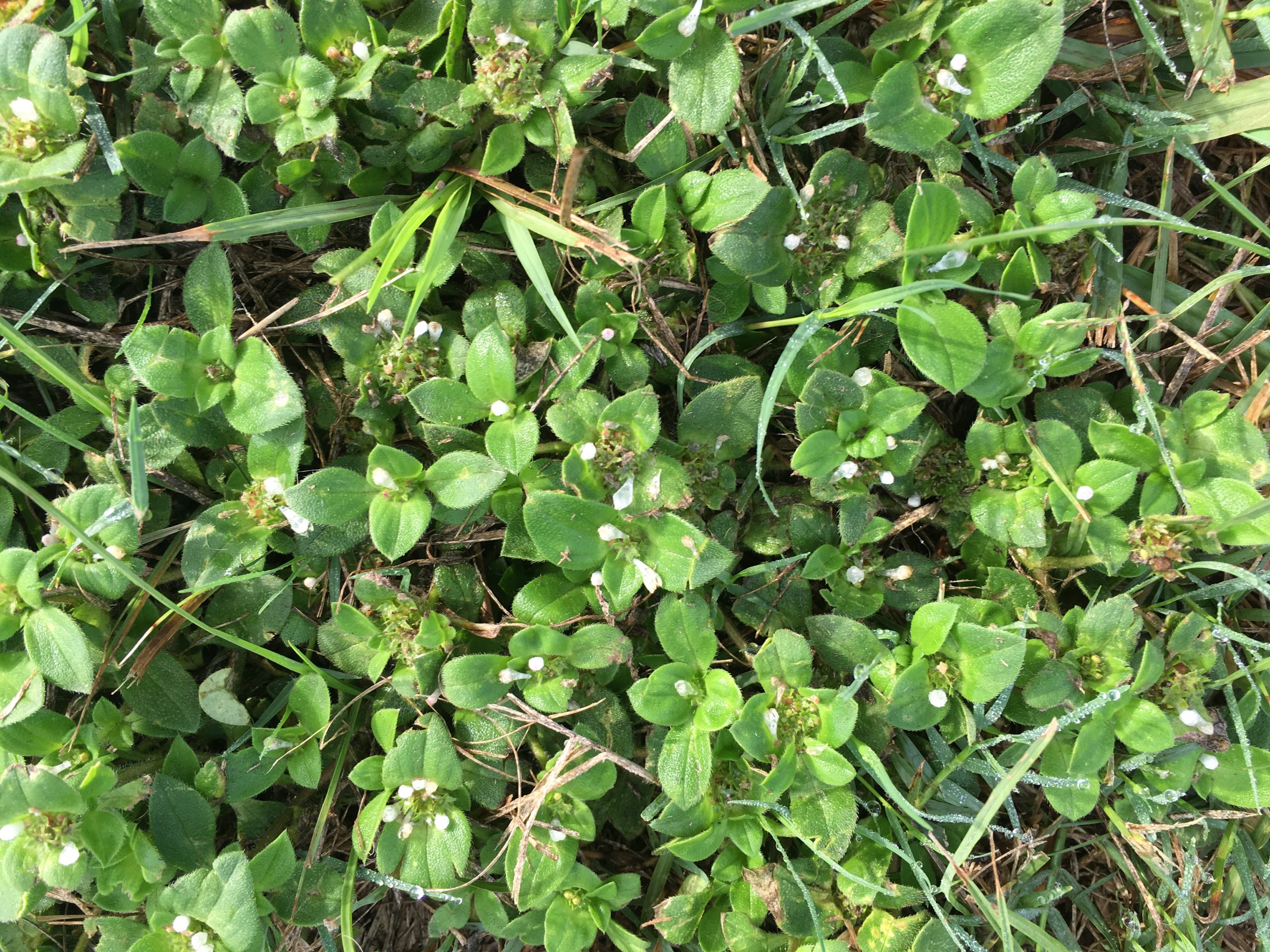
Credit: www.myhometurf.com.au

Credit: www.youtube.com
Frequently Asked Questions
What Kills Chickweed But Not Grass?
Use selective herbicides like Bonide Chickweed, Clover & Oxalis Killer. It kills chickweed without harming lawn grass when applied correctly.
Why Do I Have So Much Chickweed In My Lawn?
Chickweed thrives in moist, sunny lawns with neutral pH and high nitrogen. Compacted soil also encourages its growth.
Is October Too Late To Spray For Weeds?
October is a good time to spray weeds. Herbicides work best before the first hard freeze damages leaves. Apply treatments early in the month for effective control, especially on winter annuals like chickweed. Avoid spraying after frost or when leaves yellow to ensure herbicide absorption.
Does Chickweed Come Back Every Year?
Chickweed is a winter annual that sprouts from seed each fall or spring. It dies after seeding but returns yearly.
Conclusion
Removing chickweed keeps your lawn healthy and green. Consistent care helps prevent it from returning. Use simple methods like pulling weeds or applying safe herbicides. Water and mow your lawn properly to discourage chickweed growth. Keep an eye on problem areas and act quickly.
A tidy lawn looks better and supports strong grass. Small efforts make a big difference over time. Stay patient and persistent for best results. Your lawn will thank you with a lush, weed-free look.