
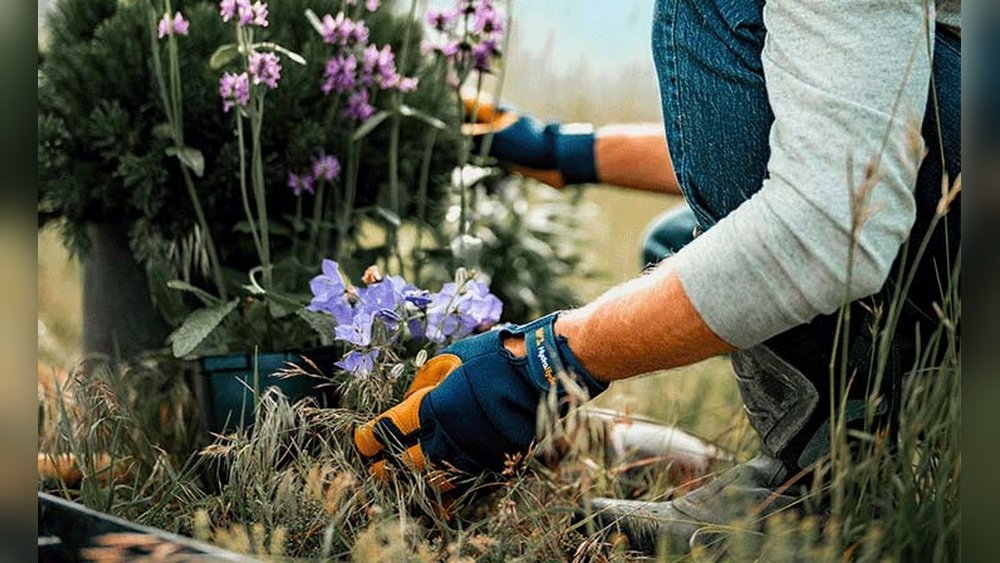
How to Choose the Right Gardening Gloves for Comfort And Protection
The best gardening gloves combine comfort with reliable protection for your hands, letting you work safely and enjoyably outdoors. To choose the right pair, focus on materials, fit, and the tasks you plan to do in your local climate.
Finding a quality gardening glove goes beyond just picking what’s on sale at the garden center. If you live in a place with thorny plants, wet weather, or intense sun, your choice matters even more. Let’s explore what makes a glove the best fit for you, how to match it to your tasks, and what to consider for your local area.
Why The Right Gardening Gloves Matter
Gardening exposes your hands to cuts, thorns, blisters, and chemicals. The wrong gloves can leave you frustrated, sweaty, or even injured. A well-chosen glove will:
- Shield you from sharp objects and allergens
- Help you grip tools without slipping
- Keep your hands cool or warm, as needed
- Allow you to work longer and more comfortably
According to the American Society of Hand Therapists, up to 30% of home gardeners experience minor hand injuries each year—most are preventable with the right gloves.
Key Factors When Choosing Gardening Gloves
1. Materials
The material of your glove affects both comfort and protection. Here’s a comparison of common options:
| Material | Best For | Drawbacks |
|---|---|---|
| Leather | Thorns, heavy-duty work | Less breathable, can be stiff |
| Cotton | Light tasks, weeding | Poor water resistance |
| Nitrile/Neoprene | Wet conditions, chemicals | Less dexterity than bare hands |
| Bamboo | Eco-friendly, light tasks | Low puncture protection |
Non-obvious insight: Many people think thicker gloves are always safer, but for delicate tasks like planting seeds, a flexible, thin glove (like nitrile) may prevent accidents by improving your touch and grip.
2. Fit And Sizing
A glove that’s too tight will cause blisters, while a loose glove can slip and reduce control. Most brands offer XS to XL sizes.
- Try gloves on in-store if possible.
- Check the fit around your fingertips and wrist.
- Look for adjustable wrist closures to block out dirt.
Tip: If you have wide palms or long fingers, check manufacturer sizing charts online before buying.
3. Glove Types By Task
Not all gloves work for every job. Here’s a quick reference:
| Task | Recommended Glove Type |
|---|---|
| Pruning roses | Thick leather, gauntlet gloves |
| Planting seeds | Thin nitrile or bamboo gloves |
| Weeding | Lightweight cotton or latex-coated |
| Working in wet soil | Waterproof neoprene/nitrile |
| Handling chemicals | Chemical-resistant nitrile/neoprene |
Practical example: For a day of both pruning and weeding, consider buying two types of gloves so you’re not sacrificing comfort or safety.
4. Breathability And Moisture Control
Gardening can make your hands sweaty, especially in warm climates. Look for:
- Mesh backs for ventilation
- Moisture-wicking linings for summer
- Waterproofing for rain or mud
Beginners often overlook: Gloves that keep out water may also trap sweat. In humid places, choose gloves with breathable fabrics on the back.
5. Grip And Dexterity
Great gloves allow you to hold tools and pull weeds without slipping.
- Textured palms give better grip in wet or muddy conditions.
- Form-fitting gloves improve your ability to do fine work.
Try picking up small objects with the gloves before buying. If it’s hard, try another type.
6. Durability
Check for:
- Double-stitched seams
- Reinforced fingertips
- Reviews about lifespan
Higher-quality gloves cost more but usually last longer and protect you better.

Credit: www.gardenersworld.com
Local Considerations For [your City/region]
Gardening needs change based on your location. In Austin, Texas, for example:
- Summers are hot and humid—breathable gloves reduce sweat
- Thorny plants like cacti are common—thick leather offers protection
- Occasional heavy rain means waterproof gloves are smart for muddy tasks
If you’re in a colder climate like Minneapolis, choose insulated gloves for spring and fall.
Local tip: Visit your nearest garden center and ask what gloves landscapers use for your region’s common plants and weather. They often know which brands last and which don’t.
Cost Of Gardening Gloves
Prices range from $5 for basic cotton to $40 for heavy-duty leather. Expect to pay:
- $5–$12 for light-duty gloves (weeding, seed planting)
- $15–$25 for waterproof or thorn-proof gloves
- $25–$40 for premium brands or specialty gloves
Buying a two-pack can save money if you do both heavy and light gardening. For most home gardeners, spending $15–$20 gives a good balance of comfort and protection.
Pro insight: Don’t be tempted by cheap multi-packs if you work with thorns or chemicals. These often wear out fast and may not protect you well.
:max_bytes(150000):strip_icc()/CoolJob-Skydeer-FloralSociety-StoneBreaker-GroupPhoto-Caitlin-Sole-01-1-448f154f95e54ea6a7dec1ef0da77d84.jpg)
Credit: www.thespruce.com
How To Care For Your Gloves
Proper care makes gloves last longer:
- Shake out dirt after every use.
- Wash cotton and bamboo gloves in cold water; air dry.
- Wipe leather gloves with a damp cloth; apply leather conditioner every few months.
- Disinfect nitrile or neoprene gloves if used with chemicals.
Store gloves in a dry, shaded place to prevent mold and odor.
Where To Buy Gardening Gloves Locally
Most large retailers like Home Depot, Lowe’s, and local nurseries stock a range of gloves. Try on different pairs before buying, especially if you have unique fit needs.
- Support local garden centers; they may carry specialty gloves not found in big chains.
- Consider visiting local farmers’ markets, where vendors sometimes sell handmade or region-specific gloves.
- For a reliable online resource, see the Royal Horticultural Society.
:max_bytes(150000):strip_icc()/amazing-stuff-for-you-grippy-gardening-gloves-medium-viveka-neveln-01-1-horizontal-169a1b93648c4c25bb606326cd39b39d.jpg)
Credit: www.realsimple.com
Internal Linking Suggestions
If you own a local gardening website, link to pages like:
- “Best Plants for [Your City] Gardens”
- “How to Start a Vegetable Garden in [Your Area]”
- “Seasonal Garden Care Tips for [Your Region]”
These resources help your readers take the next step in their gardening journey.
Strong Call To Action
Ready to enjoy gardening with fewer blisters and more comfort? Visit your local garden center today and try on different gloves. Protect your hands, boost your garden’s beauty, and make every planting season a pleasure!
Frequently Asked Questions
What Size Gardening Glove Should I Buy?
Measure around your palm at the widest point (excluding the thumb). Check the manufacturer’s size chart—sizes usually range from XS to XL. It’s best to try gloves on for the best fit.
Are Leather Gloves Better Than Rubber Gloves?
Leather gloves protect well against thorns and rough work, while rubber (nitrile/neoprene) is better for wet or chemical tasks. Choose based on your gardening needs.
How Do I Clean Muddy Gardening Gloves?
Cotton and bamboo gloves can be machine washed in cold water. Leather gloves should be wiped clean, and nitrile gloves can be rinsed and air-dried.
Can I Use The Same Gloves For All Gardening Tasks?
It’s better to have two pairs: one for heavy or thorny work and one for light, delicate tasks. This prevents wear and improves comfort.
Where Can I Buy Quality Gardening Gloves Near Me?
Check local garden centers, hardware stores, or large retailers like Home Depot or Lowe’s. Local nurseries may offer a better selection for your climate.
What Gloves Work Best For Hot Climates?
Choose lightweight, breathable gloves with mesh backs or moisture-wicking materials. Bamboo or thin nitrile gloves are good choices.
How Long Do Gardening Gloves Last?
With regular use and proper care, good gardening gloves last 6–18 months. Heavy-duty gloves tend to last longer than light-duty types.
Choosing the right gardening gloves is the first step to safe, enjoyable, and successful gardening—no matter where you live. Happy planting!