

You rely on your overseeder to keep your lawn healthy and lush. But nothing ruins your work faster than a clogged machine.
When your overseeder clogs, it slows you down, causes frustration, and can even damage your equipment. What if you could avoid all that? You’ll discover simple, practical tips to prevent your overseeder from clogging. By following these easy steps, you’ll save time, protect your investment, and enjoy a smoother overseeding experience.
Ready to keep your overseeder running perfectly? Let’s dive in.
Credit: homemembership.com
Common Causes Of Overseeder Clogs
Overseeder clogs disrupt your lawn care and slow down the process. Understanding the common causes helps you avoid them. Small issues can lead to big blockages. Keep your overseeder running smoothly by knowing what causes clogs.
Wet Grass And Debris
Wet grass sticks together and blocks the machine easily. Debris like leaves and sticks also cause jams. Always mow when the grass is dry. Clear away debris before starting. Wet conditions create clumps that stop seed flow.
Low Engine Rpm
Running the engine too slow reduces power. Low RPM lowers blade speed and airflow under the deck. This causes grass and seeds to build up inside. Keep the engine at full throttle for best performance. Strong airflow prevents clogs and helps spread seeds evenly.
Improper Mowing Speed
Mowing too fast or too slow harms overseeder function. Moving too fast leaves uneven seed coverage and clogs. Moving too slow lets grass and debris collect inside. Find a steady, moderate pace for smooth operation. Consistent speed keeps seeds flowing and prevents blockages.

Credit: www.rentalex.com
Preparing Your Overseeder For Use
Preventing your overseeder from clogging keeps your lawn care smooth and efficient. Simple techniques help avoid blockages and keep your machine running well. These steps focus on how you mow and the condition of your grass.
Mowing At The Right Pace
Walk at a steady, moderate speed while mowing. Moving too fast can cause grass to pile up and clog the machine. Too slow, and clippings may accumulate inside. Find a balanced pace for smooth operation.
Maintaining Full Throttle
Run the engine at full throttle during overseeding. High blade speed helps cut and blow grass clippings effectively. Low speed reduces airflow and increases clog risk. Keep the engine revved to maintain strong suction.
Avoiding Tall Or Damp Grass
Do not mow when the grass is too tall or wet. Tall grass clumps easily and blocks the chute. Wet grass sticks together and clogs the machine faster. Mow only dry, moderately short grass for best results.
Techniques To Avoid Clogging
Routine maintenance is key to keeping your overseeder running smoothly. Small efforts prevent clogging and extend the machine’s life. Follow these simple tips regularly for best results.
Regular Cleaning Schedule
Clean your overseeder after every use. Remove grass, dirt, and debris from blades and seed tubes. Use a brush or compressed air to clear small openings. Regular cleaning stops buildup that causes clogging.
Check the seed hopper for leftover seeds and dirt. Empty and wipe it clean before storage. A clean hopper ensures seeds flow freely during operation.
Checking Engine And Blade Performance
Inspect the engine often. Look for signs of wear or damage. Change oil and filters as recommended. A well-maintained engine runs smoothly and keeps blades spinning at the right speed.
Examine blades for dullness or bends. Sharp blades cut cleanly and prevent grass clumps. Replace or sharpen blades to maintain proper cutting and seeding action.
Storage Best Practices
Store your overseeder in a dry, sheltered place. Moisture causes rust and damage to metal parts. Cover the machine with a tarp or use a storage shed.
Before storing, clean the overseeder thoroughly. Drain fuel if storing for a long period. Proper storage keeps the machine ready for the next use and prevents clogging issues.
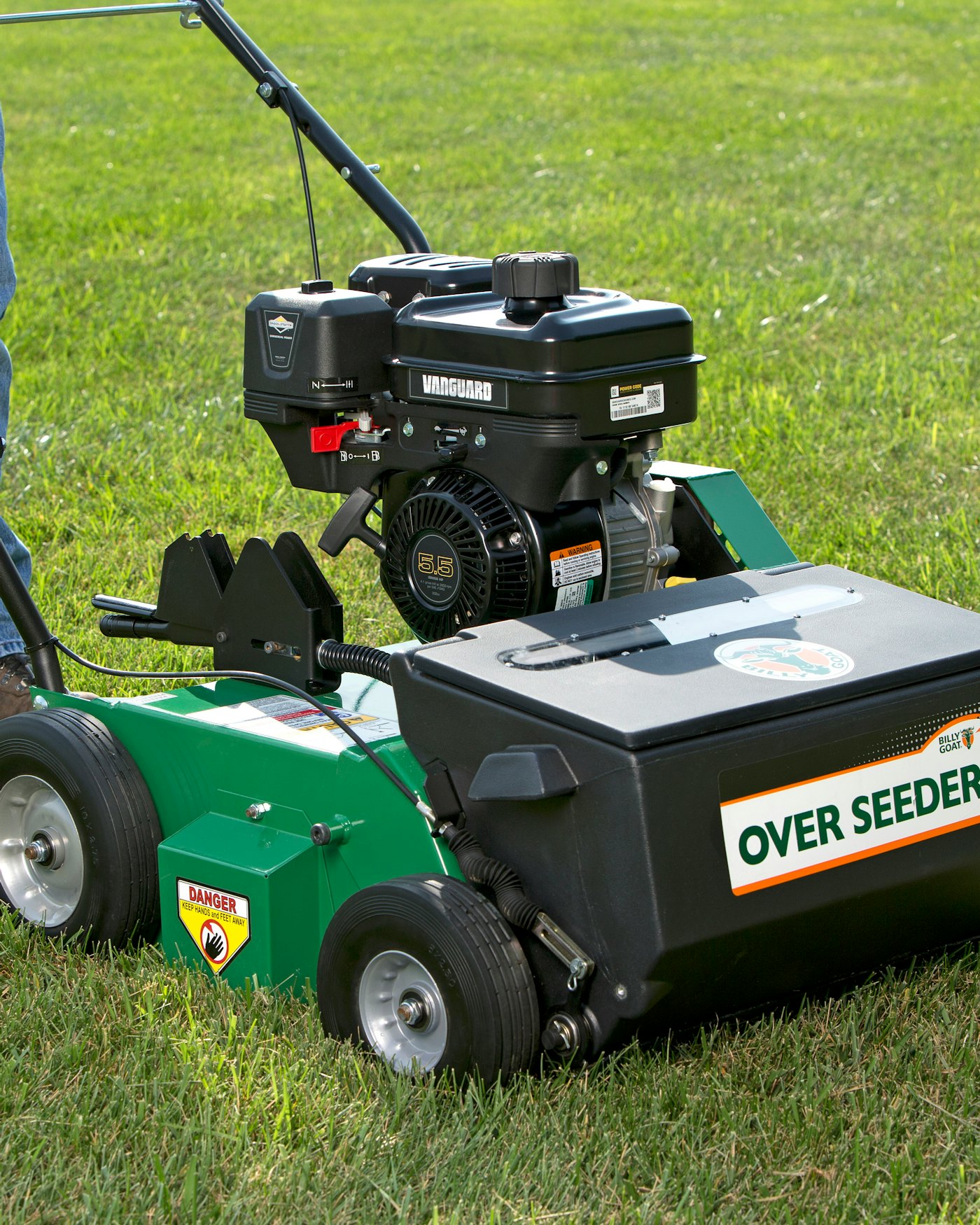
Credit: www.billygoat.eu
Frequently Asked Questions
Why Does My Bagger Keep Getting Clogged?
Your bagger clogs due to wet grass, low engine speed, or a dirty mower deck. Mow only dry grass, run the engine at full throttle, and clean the deck regularly to prevent clogs.
How To Keep A Garden Sprayer From Clogging?
Use clean water and strain liquids before filling the sprayer. Regularly clean nozzles and filters. Avoid thick or dirty mixtures. Flush the sprayer after each use to prevent residue buildup. Store sprayer in a dry, clean place to maintain functionality and prevent clogs.
How To Stop A Lawn Mower From Clogging?
Clean the mower deck regularly and mow dry grass only. Run the engine at full throttle and avoid cutting overly tall grass. Walk at a medium pace for smooth clipping discharge.
How To Prevent A Snow Blower Chute From Clogging?
Apply non-stick spray on the auger and chute before use. Maintain a steady, consistent speed while operating. Consider installing an impeller kit for wet snow. Clean the chute regularly to prevent buildup and ensure smooth snow discharge.
Conclusion
Preventing overseeder clogs keeps your lawn care smooth and easy. Clean the machine often to avoid buildup. Use dry grass and mow at a steady pace. Check for worn parts and replace them when needed. Keeping your overseeder well-maintained saves time and frustration.
Follow these simple steps for better results every season. Your lawn will thank you with healthy, green growth. Stay consistent, and enjoy hassle-free overseeding all year long.