
Growing squash can be deeply rewarding. Their large leaves, bright flowers, and tasty fruit make them popular in home gardens. But many gardeners feel disappointed when flowers appear, only to watch them drop or see fruits fail to grow. This problem is often caused by poor pollination. Unlike some crops, squash plants need help moving pollen from male to female flowers. If bees or other insects are missing, fruit won’t form. Luckily, you can fix this by learning how to pollinate squash by hand.
This guide gives you everything you need to know. You’ll learn how squash flowers work, spot the differences between male and female blooms, and use simple tools and techniques to boost your harvest. We’ll cover the reasons for poor pollination, share tips, and answer common questions.
Whether you’re a new gardener or have grown squash for years, hand-pollination can make a big difference.
Why Squash Needs Hand Pollination
In the wild or on large farms, bees and other insects move pollen from flower to flower. But in many gardens, pollinator numbers are low. Pesticides, weather, and even the wrong garden setup can reduce bee visits. When this happens, squash flowers aren’t pollinated, and you see small, shriveled fruit or lots of dropped blooms.
Hand pollination is a way to make sure every female flower gets pollen, even if bees aren’t around. It’s easy to learn, fast to do, and can increase your squash yield by 2–3 times. Some gardeners report more than 90% fruit set after hand pollinating, compared to less than 50% without it.
Understanding Squash Flowers
Before you start, it’s important to know how squash flowers work. Every squash plant produces separate male and female flowers—sometimes on the same plant (monoecious) or on different plants (dioecious, rare for squash). Successful pollination only happens when pollen from a male flower touches the stigma of a female flower.
Male Vs Female Flowers
Here’s how to tell them apart:
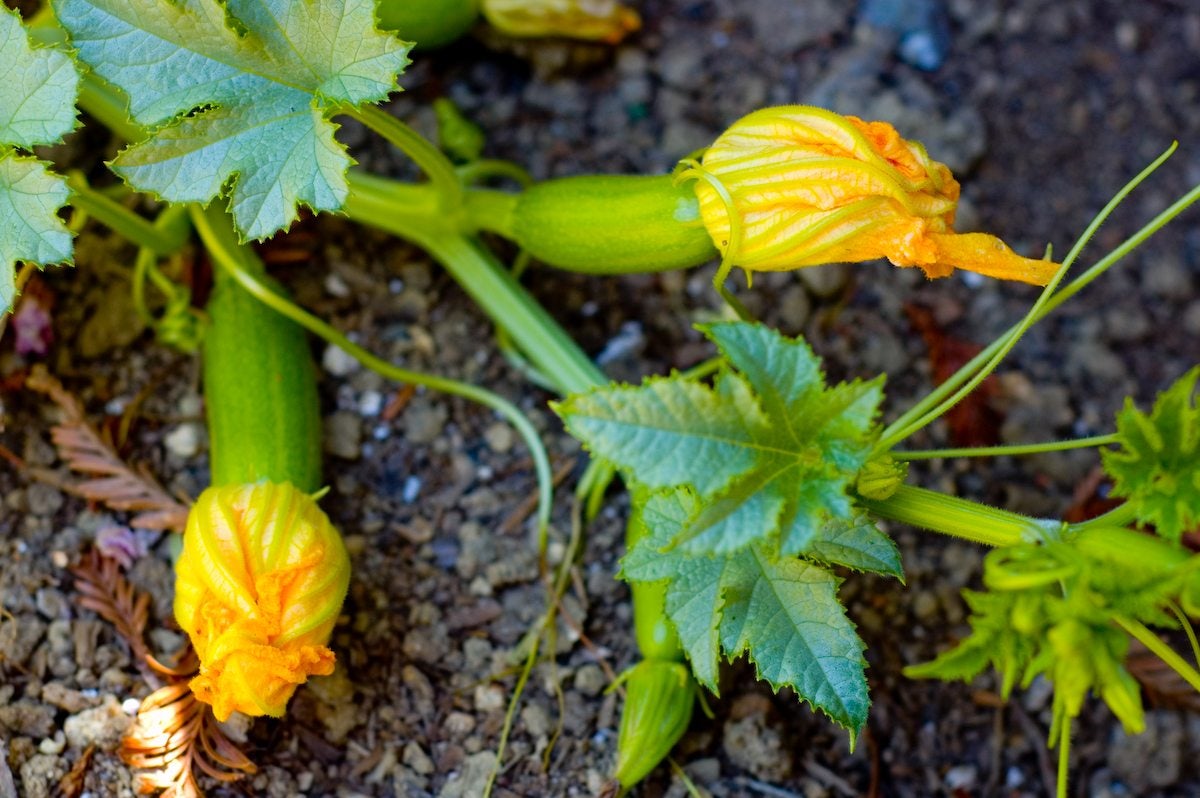
- Male Flowers: Grow directly on the stem. They have a thin stalk and a central structure called the anther, which holds the pollen.
- Female Flowers: Have a small swelling behind the petals. This is the ovary—it looks like a tiny squash. Inside the flower is the stigma, which receives pollen.
| Feature | Male Flower | Female Flower |
|---|---|---|
| Attachment | Long, thin stalk | Short stem with ovary |
| Center Structure | Anther (pollen) | Stigma (receives pollen) |
| Fruit Behind Flower | None | Small immature fruit |
| Number per Plant | Many | Fewer |
Non-obvious insight: Male flowers usually appear first, often for a week or more before you see female flowers. This is normal and not a problem—just wait and both will show up.
Timing Of Flower Opening
Squash flowers open early in the morning, often just after sunrise, and close by noon or early afternoon. Pollination only works when the flowers are fresh and open. If you wait too long, the flowers wither, and your chance is lost for that day.
Tools And Materials Needed
You don’t need fancy gear to pollinate squash by hand. Most gardeners use simple items they have at home:
- Small paintbrush (soft, clean, about 1/2 inch wide)
- Cotton swab (Q-tip)
- Tweezers (optional, for picking flowers)
- Scissors or garden snips (optional)
- Clean hands if you prefer touching directly
Some gardeners use the whole male flower as a tool by picking it and brushing the anther onto the female stigma.
Step-by-step: How To Pollinate Squash By Hand
Follow these clear steps for best results:
1. Go Early In The Morning
Pollinate between 6:00 and 10:00 AM. Flowers are fully open, and pollen is fresh and sticky. If you wait until afternoon, flowers may close or pollen may dry out.
2. Identify Male And Female Flowers
Check your plants for both types of flowers. Male flowers are more common, but look for at least one open female flower with a small squash behind it.
3. Collect Pollen From The Male Flower
There are two main methods:
Using A Brush Or Swab
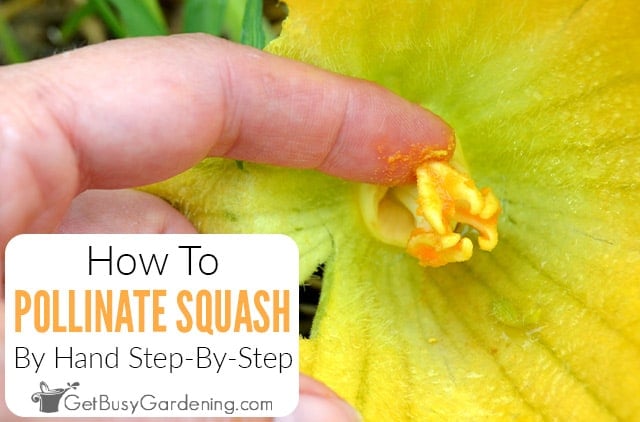
- Gently touch the brush or cotton swab to the anther inside a male flower.
- The yellow pollen will stick to the brush.
- Try not to damage the anther.
Using The Whole Male Flower
- Pick a fresh male flower.
- Remove the petals to expose the anther.
- Hold the anther gently.
4. Transfer Pollen To The Female Flower
- Open the female flower carefully.
- Touch the brush, swab, or male anther to the stigma (the sticky, lobed structure in the center).
- Twist or tap lightly to leave plenty of pollen.
- One male flower can pollinate several female flowers.
5. Repeat If Needed
If you have more female flowers, repeat the process. Use fresh pollen each time for best results.
6. Mark Pollinated Flowers (optional)
Some gardeners tie a string or use a marker to remember which flowers they’ve pollinated. This helps track fruit set later.
Practical tip: If rain is expected, pollinate before it starts. Rain can wash pollen away and reduce success.
Troubleshooting Pollination Problems
Sometimes hand pollination doesn’t work right away. Here’s how to fix common issues:
Not Enough Female Flowers
Early in the season, you may see only male flowers. Be patient—female flowers appear later as plants mature.
Flowers Not Opening
Heat, drought, or stress can cause flowers to stay closed. Water your plants well and check that they’re getting enough sun (at least 6 hours daily).
Poor Fruit Set After Pollinating
If you hand pollinate but fruit still shrivels or drops:
- Check that you’re using fresh, open flowers
- Try using more pollen
- Pollinate earlier in the day
- Avoid damaging the stigma with rough tools
Pollen Looks Old Or Damp
Pollen should be yellow and powdery. If it’s clumpy, brown, or sticky, wait for a drier morning. Wet pollen doesn’t stick well.
When And How Often To Hand Pollinate
You only need to pollinate each female flower once for good results. If you have many female flowers open, try to pollinate all of them that morning. Larger gardens may need daily pollination during peak bloom.
Data insight: In typical gardens, hand pollination can increase yield from about 40–50% (with poor bee activity) to over 90%. That means twice as many fruits per plant.
Credit: www.gardeningknowhow.com
Benefits Of Hand Pollinating Squash
Why hand pollinate? Here’s what you gain:
- Higher fruit set: More flowers turn into squash.
- Better fruit quality: Pollinated fruit grows evenly and larger.
- More control: You decide which flowers get pollinated.
- Earlier harvest: Consistent pollination means earlier, regular crops.
- Saves seeds: For seed saving, you can control cross-pollination and keep varieties pure.
Common Squash Types And Their Pollination Needs
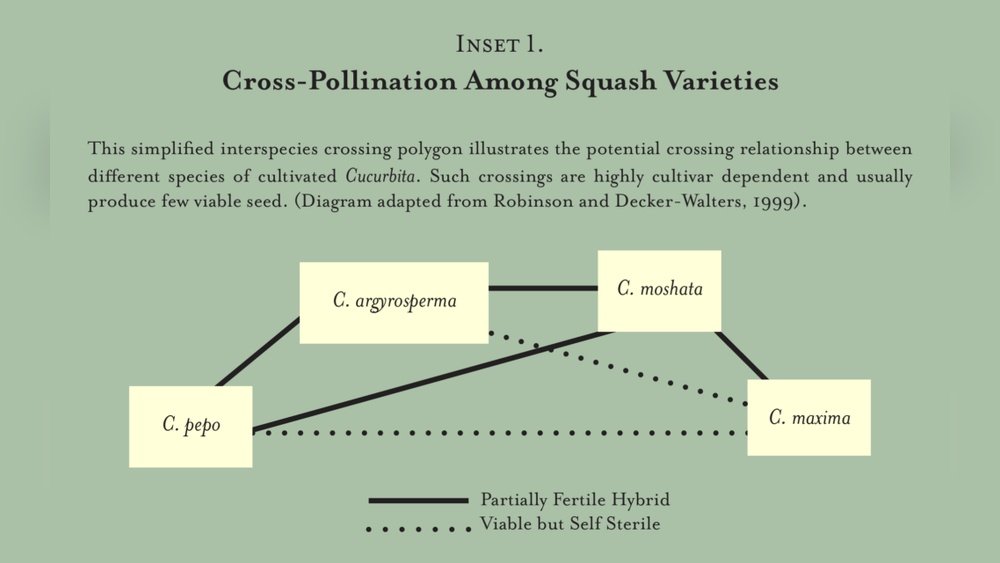
Most squash grown in gardens are Cucurbita pepo (zucchini, summer squash, acorn), Cucurbita maxima (pumpkin, buttercup), or Cucurbita moschata (butternut). All use the same hand pollination method, but their flowering habits differ slightly.
| Squash Type | Flowering Period | Number of Male/Female Flowers | Fruit Size |
|---|---|---|---|
| Zucchini | Early, long season | Many males, regular females | Medium |
| Pumpkin | Mid-season to late | Fewer females at first | Large |
| Acorn | Mid-season | Balanced | Small to medium |
| Butternut | Late | Fewer, larger flowers | Medium to large |
Tip for beginners: Even if you grow multiple types together, hand pollination works the same way. But if you want to save seeds, pollinate only within the same variety and cover pollinated flowers with a small bag to prevent insects from cross-pollinating.
How Weather Affects Pollination
Weather can change how well pollination works. Hot, dry, or rainy weather can make pollen less sticky or flowers close too soon.
- Hot days: Flowers may close earlier. Pollinate as soon as you see them open.
- Rainy mornings: Skip pollination if pollen is wet. Try again when it’s dry.
- Cool, cloudy days: Flowers may stay open longer, giving more time to pollinate.
If you notice poor fruit set during bad weather, try to hand pollinate daily during the worst conditions.
Encouraging Pollinators To Help
While hand pollination is effective, encouraging bees and butterflies can reduce your workload and improve your garden’s health.
Ways to attract pollinators:
- Plant flowers (like marigold, borage, or sunflowers) near squash
- Avoid using pesticides during flowering
- Provide shallow water sources
- Leave some wild areas for bees to nest
For more on pollinator-friendly gardening, the Xerces Society offers helpful tips.
Saving Squash Seeds With Hand Pollination
If you want to save seeds for next year, hand pollination helps keep your variety pure. Here’s what to do:
- Identify a healthy female flower that will open the next morning (it will look swollen and yellow).
- Bag the flower the night before with a small mesh bag or tie it shut with a twist tie.
- The next morning, pick a male flower from the same variety and remove its petals.
- Open the bag, pollinate as described above, and re-bag the flower for a day or two.
- Mark the fruit so you remember which ones were hand-pollinated for seed.
Advanced Tips For Hand Pollinating
For gardeners who want to maximize their yield or save special varieties, these tips help:
- Use multiple male flowers to pollinate one female for extra pollen.
- Rotate tools (different brushes for each variety) to avoid mixing pollen if you grow several types.
- Harvest male flowers in the evening, store them in the fridge, and use them early the next morning if you’ll be away.
- Pollinate over several days if you have many plants and limited time.
Real-world Example: Boosting Zucchini Harvest
Let’s look at a real-world example. Lisa, a gardener in Oregon, noticed her zucchini plants had lots of flowers but few fruits. She counted:
- 12 female flowers in July
- Only 3 grew into fruit
After learning hand pollination, she tried for one week. The result:
- 8 out of 9 female flowers became full-sized zucchini
Her harvest more than doubled in just a week. She continued all season and had more zucchini than her family could eat.
Comparing Hand Pollination To Natural Pollination
Is hand pollination better than relying on bees? Here’s a side-by-side look:
| Method | Fruit Set (%) | Work Needed | Control Over Variety |
|---|---|---|---|
| Natural (bees) | 40–70% | Low | Low |
| Hand Pollination | 80–95% | Medium | High |
Insight: Hand pollination is more work, but gives higher yields and lets you control which plants cross. For most home gardeners, a mix of both methods works best.
Hand Pollination For Other Cucurbits
The same method works for other cucurbits like cucumbers, melons, and pumpkins. Some have slightly different flower shapes, but the principle is the same: move pollen from male to female flower. However, cucumbers sometimes have perfect flowers (with both male and female parts), so check your variety.
Common Mistakes To Avoid
Many gardeners make small errors that reduce success:
- Pollinating too late in the day: Always work early morning.
- Using old or wet pollen: Only use freshly opened male flowers.
- Damaging the stigma: Be gentle when transferring pollen.
- Missing female flowers: Check daily during peak bloom.
- Mixing varieties unintentionally: If you save seeds, clean tools between varieties.
Credit: getbusygardening.com
Signs Of Successful Pollination
How do you know your hand pollination worked? Look for these signs:
- The flower wilts and falls off the next day.
- The tiny squash at the base of the female flower grows larger and stays green.
- In 3–5 days, the fruit gets noticeably bigger.
If the fruit shrivels or turns yellow, try again with a fresh flower.
Encouraging Healthy Squash Plants
Healthy plants set more fruit. To keep your squash strong:
- Water deeply once or twice per week.
- Mulch to keep soil moist.
- Feed with balanced fertilizer (5-10-10 or similar) every 3–4 weeks.
- Remove weeds to reduce competition.
- Check for pests like squash bugs or vine borers.
Non-obvious insight: Over-fertilizing with nitrogen creates lots of leaves but fewer flowers. Use balanced fertilizer for more blooms.
How To Store And Use Extra Squash
If your pollination is successful, you may have more squash than you need. Here’s how to handle the bounty:
- Eat fresh: Zucchini and summer squash are best when small and tender.
- Freeze: Slice, blanch, and freeze for winter use.
- Share: Give extras to friends or donate to a food bank.
- Preserve: Pickle, dry, or make squash bread.
Frequently Asked Questions
How Can I Tell If A Squash Flower Is Male Or Female?
Male flowers have a thin stem and a powdery center (anther). Female flowers have a swollen base (tiny squash) and a sticky, lobed center (stigma). The tiny fruit behind the female flower is the easiest way to tell.
Can I Use The Same Brush For Different Squash Varieties?
If you’re just growing for food, yes. If you want to save seeds and keep varieties pure, use a different brush for each variety or clean the brush with alcohol between plants.
What If There Are No Male Flowers Open When I Want To Pollinate?
Male flowers usually open before female flowers. If you miss the window, wait for the next morning. You can pick a male flower in the evening, store it in the fridge overnight in a plastic bag, and use it early the next day.
How Many Female Flowers Can One Male Flower Pollinate?
One male flower has enough pollen for 3–5 female flowers if you work quickly. Collect pollen and transfer to each female flower within 15–30 minutes for best results.
Does Hand Pollination Work For All Types Of Squash?
Yes, it works for zucchini, pumpkins, butternut, acorn, and more. The method is the same for all common garden squash.
Pollinating squash by hand is a simple skill that can transform your harvest. By understanding how flowers work, using the right tools, and following the steps above, you’ll enjoy a bigger, healthier crop. You may even discover the satisfaction of seed saving or share your bounty with friends.
With a little practice, hand pollination becomes a quick, easy part of your morning routine—one that brings lasting rewards in the garden.

Credit: www.youtube.com