
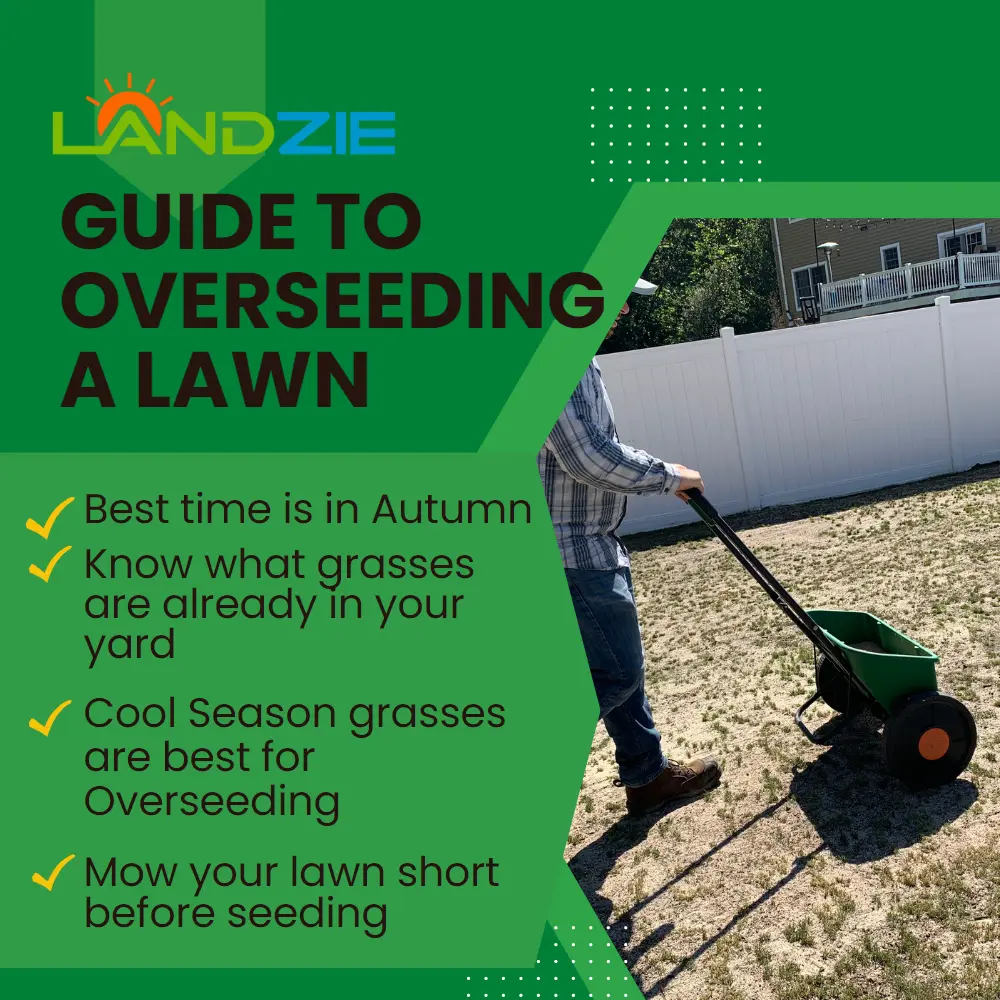
Do you want a lush, green lawn? Overseeding is the way to go. This guide will help you learn how to overseed a lawn. You will have a healthier and thicker lawn.
Credit: landzie.com
What is Overseeding?
Overseeding is planting new grass seed over existing grass. This helps fill in thin areas. It makes your lawn look fuller. It also helps crowd out weeds.
Why Overseed Your Lawn?
Overseeding has many benefits. Here are a few:
- Improves grass density
- Enhances lawn color
- Reduces weed growth
- Increases resistance to diseases
- Helps lawn recover from damage
When to Overseed Your Lawn?
Timing is crucial for overseeding. The best time depends on your region:
| Region | Best Time to Overseed |
|---|---|
| Cool-season grasses | Early fall or spring |
| Warm-season grasses | Late spring or early summer |
Steps to Overseed a Lawn
Follow these steps to overseed your lawn effectively:
1. Prepare The Lawn
Preparation is key. First, mow your lawn short. Set the mower to its lowest setting. This helps the new seeds reach the soil. Next, rake up any debris. Remove dead grass and leaves.
2. Aerate The Soil
Aeration helps the soil breathe. It allows water, air, and nutrients to reach the roots. You can rent an aerator from a local store. Run the aerator over your lawn. This will create small holes in the soil.
3. Choose The Right Grass Seed
Pick the right grass seed for your lawn. Consider your region and climate. Look for high-quality seeds. They have better germination rates. Here are some common grass types:
- Kentucky Bluegrass
- Perennial Ryegrass
- Fescue
- Bermuda Grass
- Zoysia Grass
4. Spread The Grass Seed
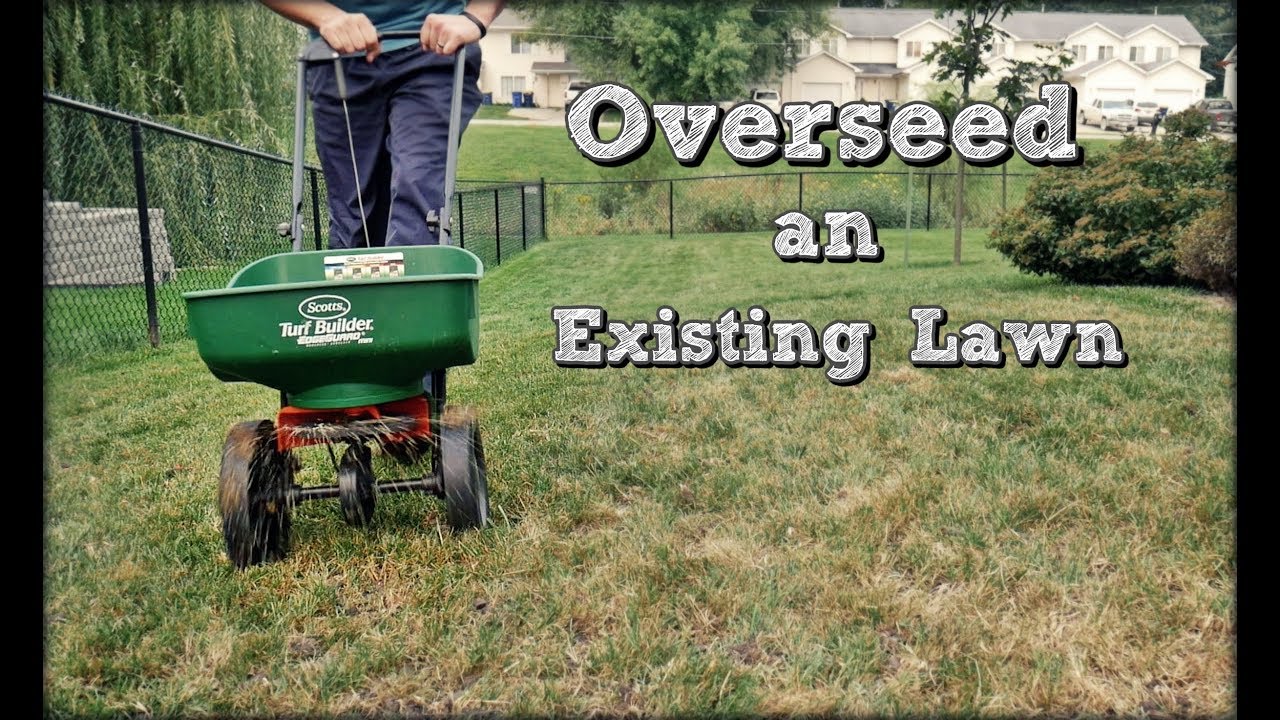
Use a broadcast spreader to spread the seed. Walk in straight lines across the lawn. Then, walk in perpendicular lines. This ensures even coverage. Follow the recommended seeding rate on the seed bag.
5. Water The Lawn
Watering is crucial for seed germination. Keep the soil moist but not soggy. Water lightly several times a day. Once the grass starts to grow, reduce the frequency. Water deeply but less often.
6. Fertilize The Lawn
Fertilizer provides nutrients for the new grass. Use a starter fertilizer. It has a high phosphorus content. Follow the instructions on the package. Don’t over-fertilize. It can harm the new grass.
7. Maintain The Lawn
Proper maintenance helps the new grass grow strong. Here are some tips:
- Keep the lawn free of leaves and debris
- Mow the lawn when the grass is 3 inches tall
- Don’t cut more than one-third of the grass height
- Water the lawn regularly
- Fertilize as needed
Common Mistakes to Avoid
Avoid these common mistakes when overseeding:
- Overseeding at the wrong time
- Not preparing the lawn properly
- Using the wrong grass seed
- Not watering enough
- Over-fertilizing
Credit: www.youtube.com
Frequently Asked Questions
What Is Overseeding A Lawn?
Overseeding is the process of planting grass seeds directly into existing turf without tearing up the turf.
When Is The Best Time To Overseed?
Early fall is the best time to overseed. Cooler temperatures and rain help new grass grow better.
Why Should I Overseed My Lawn?
Overseeding improves lawn density, fills in bare spots, and enhances the overall appearance of your yard.
Do I Need To Aerate Before Overseeding?
Yes, aeration helps seeds penetrate soil, promoting better germination and root growth.
Conclusion
Overseeding a lawn is a simple process. It can transform your lawn into a lush, green paradise. Follow the steps in this guide. Avoid common mistakes. Your lawn will thank you. Happy overseeding!