
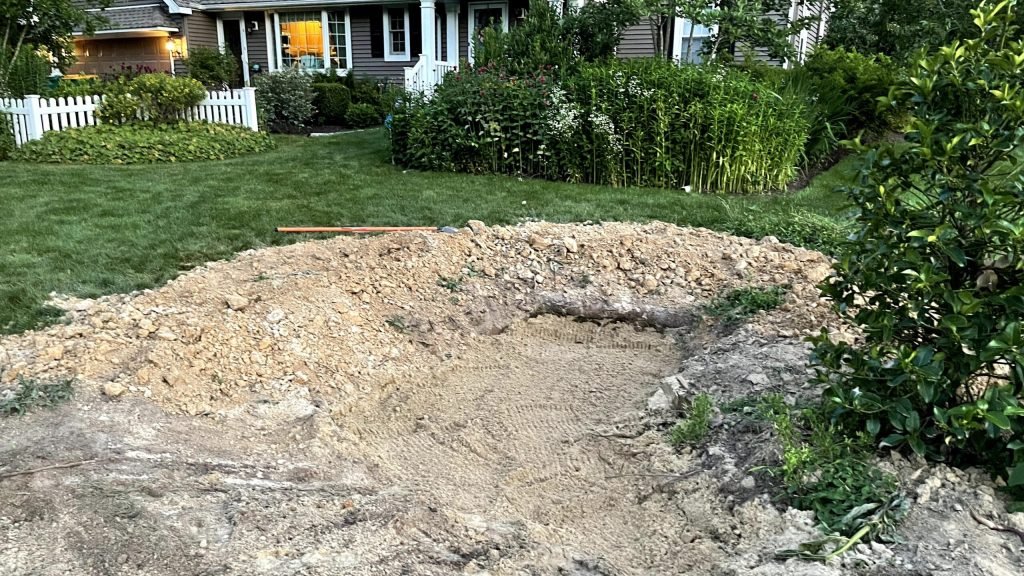
Creating a rain garden involves positioning a depression in your yard to collect rainwater runoff. Transforming your outdoor space into a sustainable oasis may seem daunting, but integrating a rain garden into your yard is both rewarding and environmentally beneficial. This comprehensive guide will walk you through each step, from picking the right plants to ensuring proper water flow, combining expertise and practical insights for a flawless rain garden.
What is a Rain Garden?
A rain garden is a shallow, planted basin that captures and filters rainwater runoff from impervious surfaces like roofs and driveways. It's designed to allow water to penetrate the ground, reducing erosion and runoff pollution.
Benefits of a Rain Garden
- Environmental Impact: Helps mitigate flooding and purifies runoff before it enters storm drains.
- Biodiversity: Attracts pollinators such as butterflies and bees.
- Aesthetic Appeal: Adds beauty and interest to your landscape.
- Cost-Effective: Reduces water bills by lowering the need for irrigation.
Choosing the Right Location
Selecting the right spot is crucial. Consider these factors:
- Proximity to Water Sources: Place the garden downhill from roof spouts or driveways.
- Sunlight Conditions: Ensure the site receives adequate sunlight.
- Soil Type: Test soil permeability to determine water absorption. Clay soils can be amended with organic matter or sand.
Designing Your Rain Garden
Determine the Size
- Depth: Typically, a rain garden is 6-12 inches deep.
- Area: Generally, 20-30% of the area that contributes runoff.
Shape and Layout
- Shapes: Kidney, oval, or teardrop shapes integrate well with most landscapes.
- Water Flow: Ensure there's a gentle slope directing water to the garden.
Plant Selection
Choose native plants for your rain garden. Here’s why:
- Resilience: Adapt to local climate and soil.
- Low Maintenance: Require less water and fertilizers.
Consider a mix of grasses, perennials, and shrubs:
- Grasses: Blue fescue, switchgrass.
- Perennials: Black-eyed Susan, purple coneflower.
- Shrubs: Red chokeberry, winterberry.
Installation Steps
- Outline and Excavation: Mark the garden shape with a rope or hose, and dig to the desired depth.
- Soil Amendment: Enhance the soil with compost or sand to improve drainage.
- Plant Arrangement: Position larger plants in the center, moving outward with smaller species.
- Mulching: Add mulch to retain moisture and reduce weeds.
- Watering: Initially, water thoroughly until plants establish roots.
Maintaining Your Rain Garden
- Regular Weeding: Keep invasive species at bay.
- Monitor Drainage: Ensure water is penetrating and not pooling excessively.
- Pruning and Trimming: Maintain plant growth for aesthetics and health.

Frequently Asked Questions of How to Make a Rain Garden in Yard Guide
What is the ideal size for a rain garden?
The size depends on your landscape but typically is 20-30% of the drainage area, with a depth of 6-12 inches.
How long does it take to build a rain garden?
Most rain gardens can be completed in a weekend, but plant establishment may take a few weeks.
Can I install a rain garden on a slope?
Yes, just ensure you have a level bottom to the garden and incorporate berms as needed to direct water flow.
Do rain gardens attract mosquitoes?
Properly designed rain gardens drain within 24-48 hours, preventing mosquito breeding.
What if my soil doesn't drain well?
If the soil is heavy clay, amend it with sand or compost to improve permeability.
Conclusion
Crafting a rain garden in your yard is a journey toward sustainability and ecological balance. It's a simple yet profound way of contributing to a healthier environment. Consider transforming a corner of your yard into this eco-friendly feature; you'll be rewarded with beauty and biodiversity. Dive deeper by exploring resources, subscribing to gardening newsletters, or leaving a comment about your rain garden experiences.
Ready to get started on your rain garden journey? Explore resources or share your thoughts below!