
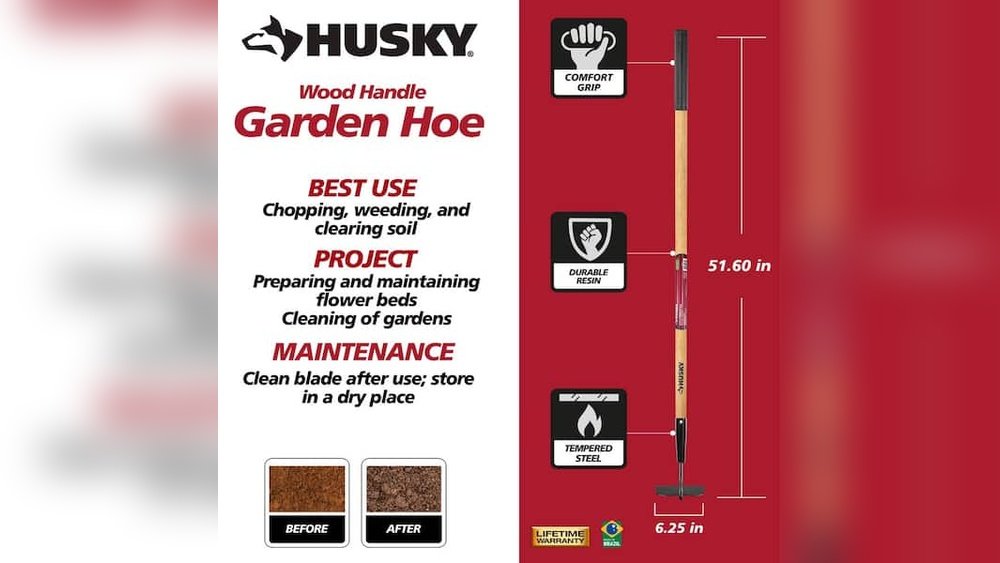
You rely on your garden hoe to keep your garden neat and thriving. But have you ever wondered why some hoes wear out quickly while others stay sharp and sturdy for years?
The secret lies in how you care for your tool. If you want your garden hoe to last longer, work better, and save you money on replacements, maintaining it properly is key. You’ll discover simple, effective steps to clean, sharpen, and store your garden hoe so it stays in top shape season after season.
Keep reading and learn how to make your gardening tasks easier with a well-maintained hoe you can count on.
Cleaning After Use
Cleaning your garden hoe after each use is essential for its durability and performance. Dirt and plant debris can stick to the blade and handle. This buildup can cause rust and reduce the hoe’s effectiveness. Regular cleaning keeps your tool ready for the next gardening session. Follow these simple steps to clean your garden hoe properly.
Removing Soil And Debris
Start by knocking off large clumps of soil from the blade. Use a hard surface or rock to tap the hoe gently. For stuck dirt, use a putty knife or a flat tool to scrape it away. Removing debris prevents rust and keeps the blade sharp. Clean the handle too, especially if it has dirt or sap.
Using Wire Brushes And Steel Wool
After removing soil, scrub the blade with a wire brush. This helps clear small particles and rust spots. For stubborn rust, use steel wool to rub the metal surface. Work in small circles until the metal looks clean. Regular brushing stops rust from spreading and keeps the hoe strong.
Cleaning With Oil-infused Sand Or Sawdust
Dip the clean blade into oil-infused sand or sawdust. This method polishes the metal and adds a thin protective oil layer. The sand or sawdust acts like a mild scrub, removing tiny rust bits. Use vegetable-based oils like sunflower or linseed oil. Avoid petroleum oils as they can harm soil and plants. Store your hoe in a dry place after oiling.
Credit: www.fiskars.com
Sharpening The Blade
Keeping your garden hoe sharp improves its performance and makes gardening easier. A sharp blade cuts through soil and weeds smoothly. Dull blades need more effort and can damage plants. Regular sharpening keeps your hoe efficient and extends its life.
Choosing The Right Sharpening Tools
Select tools that fit your hoe blade type. A metal file works well for most garden hoes. For finer edges, use a sharpening stone or a diamond file. Avoid electric sharpeners that can overheat and damage the blade. Choose tools that are easy to handle and safe to use.
Sharpening Techniques
Secure the hoe blade on a stable surface. Hold the file at a 45-degree angle to the blade edge. Push the file along the edge in one direction, away from your body. Use smooth, even strokes for a consistent edge. Repeat until the blade feels sharp. Clean the blade with a cloth after sharpening.
Maintaining A Sharp Edge For Efficiency
Sharpen your hoe blade regularly to keep it effective. After use, clean dirt and moisture from the blade. Apply a light coat of oil to prevent rust. Store the hoe in a dry place. Check the blade edge before each use and sharpen if needed. A sharp hoe reduces effort and improves garden results.
Preventing Rust
Rust can quickly damage a garden hoe, making it less effective and shortening its life. Preventing rust keeps your hoe sharp and strong for many seasons. Simple habits help stop rust from forming on metal parts. These easy steps protect your tool and save money on replacements.
Drying Tools Properly
Always dry your garden hoe right after cleaning. Water left on metal causes rust fast. Use a clean cloth to wipe off all moisture. Let the hoe air dry in a warm spot if needed. Never store the hoe while it is still wet.
Applying Protective Oils
Oiling your garden hoe creates a barrier against rust. Use natural oils like linseed or vegetable oil. Apply a thin layer on the metal parts with a cloth. This keeps the metal smooth and stops moisture from settling. Repeat oiling after each use or cleaning.
Avoiding Harmful Petroleum-based Products
Steer clear of petroleum oils on your garden hoe. These can harm the soil and plants around you. Petroleum oils may also gum up or attract dirt. Choose plant-based oils instead for safe, effective rust prevention. Protect your tool and garden at the same time.

Credit: www.amazon.com
Proper Storage
Proper storage is essential for keeping your garden hoe in good shape. It prevents rust, damage, and extends the tool’s life. Storing your hoe correctly also makes it easy to find and use for your next gardening task.
Selecting A Dry Storage Location
Choose a place that stays dry and clean. A shed or garage works well. Avoid damp basements or outdoor spots. Moisture can cause rust and weaken the metal parts. A dry area protects both the blade and the handle.
Hanging Vs. Laying Tools Flat
Hanging your hoe on a wall hook is better than laying it flat. Hanging keeps the blade off the ground and avoids bending. It also prevents accidents from stepping on or tripping over the tool. Use sturdy hooks or racks designed for garden tools.
Avoiding Moisture Exposure
Never store your hoe while it is wet. Always dry the blade and handle after use. Wipe off dirt and moisture with a clean cloth. Avoid placing it near water sources or humid areas. Keeping moisture away stops rust and keeps the hoe sharp longer.
Handle Care
Proper care of your garden hoe’s handle keeps it strong and safe to use. A well-maintained handle prevents accidents and extends the tool’s life. Wooden handles require special attention to avoid damage from moisture and wear. Follow these simple steps to maintain your hoe’s handle and enjoy gardening without hassle.
Inspecting For Cracks And Splinters
Check the handle regularly for cracks or splinters. These can cause injury or weaken the tool. Run your hand along the handle to feel for rough spots. Look closely at the entire length, especially near the blade connection. Replace the handle if cracks are deep or splinters are large. Minor splinters can be smoothed out to keep the handle safe.
Sanding And Smoothing Wooden Handles
Use fine-grit sandpaper to smooth rough or splintered areas. Sand in the direction of the wood grain for best results. Remove all sharp edges to prevent cuts during use. Wipe the handle with a dry cloth to remove dust after sanding. This step prepares the wood for oil treatment and improves grip comfort.
Applying Linseed Or Sunflower Oil
Apply linseed or sunflower oil to protect and nourish the wood. Use a clean cloth or brush to spread the oil evenly. Let the oil soak into the wood for several hours or overnight. Wipe off any extra oil to avoid stickiness. This treatment prevents drying and cracking, keeping the handle flexible and strong.
Routine Maintenance Schedule
Maintaining a garden hoe ensures it stays effective and lasts for years. A routine maintenance schedule helps prevent rust, dullness, and damage. Regular care saves time and effort during gardening tasks. Follow these simple steps to keep your hoe in top shape.
Daily Cleaning Tips
After each use, remove soil and debris from the blade. Use a stiff brush or cloth to clean it well. Avoid leaving dirt on the hoe as it causes rust. Wipe the metal parts dry to prevent moisture damage. Store the hoe in a dry place after cleaning.
Seasonal Sharpening And Oiling
Sharpen the hoe blade every season to keep it cutting smoothly. Use a metal file or sharpening stone for best results. After sharpening, apply a light coat of oil to the metal. Vegetable oils like sunflower or linseed oil work well. This prevents rust and keeps the blade strong.
Long-term Tool Inspection
Check the hoe handle and blade for cracks or wear regularly. Tighten any loose screws or bolts to maintain stability. Replace the handle if it shows signs of splintering or damage. Inspect the blade for deep rust spots or bending. Repair or replace parts as needed for safe use.
Troubleshooting Common Issues
Troubleshooting common issues helps keep your garden hoe in top shape. Small problems can reduce its effectiveness and lifespan. Fix these quickly to maintain smooth gardening work. Regular checks avoid bigger damage and costly repairs.
Dealing With Rust Spots
Rust weakens the metal and makes hoe use harder. Scrub rust spots with a wire brush or steel wool. Use sandpaper for tough patches. After cleaning, apply a thin coat of vegetable oil to protect the metal. Store the hoe in a dry place to avoid new rust.
Fixing Loose Handles
A loose handle makes the hoe unsafe and hard to use. Tighten any screws or bolts holding the handle. If the handle is wooden, soak the end in water to swell the wood. Replace the handle if it is cracked or broken. Use wood glue or clamps for small splits.
Removing Stubborn Dirt And Sap
Dirt and sap reduce hoe performance and cause rust. Use a stiff brush to remove dry dirt. For sticky sap, apply a cloth with rubbing alcohol or vinegar. Let it sit for a few minutes, then scrub gently. Clean the hoe after every use to stop buildup.
Credit: bwmachinery.com.au
Extending Hoe Lifespan
Extending the lifespan of your garden hoe saves money and effort. Proper use and care keep the tool sharp and strong. A well-maintained hoe works better and lasts longer. Follow simple habits to protect your hoe from damage.
Using The Hoe Correctly
Hold the hoe firmly but avoid gripping too tight. Use smooth, controlled strokes to break soil or remove weeds. Focus on cutting at the soil surface rather than digging deep. This technique reduces wear on the blade and handle. Avoid twisting or bending the hoe while working.
Avoiding Excessive Force
Do not hit hard objects like rocks or roots with full strength. Excessive force can bend or chip the blade. Let the sharp edge do the work by applying gentle pressure. Stop if the hoe gets stuck and clear the obstacle carefully. Pushing too hard causes early tool damage.
Regular Maintenance Benefits
Clean the hoe after each use to remove dirt and moisture. Dry it thoroughly to prevent rust and corrosion. Sharpen the blade regularly for efficient cutting and less effort. Apply a light coat of vegetable oil to protect metal parts. Store the hoe in a dry place, off the ground.
Frequently Asked Questions
What Is The Best Lubricant For Garden Tools?
The best lubricant for garden tools is linseed oil or plant-based oils like sunflower oil. They prevent rust and keep tools smooth. Avoid petroleum-based oils as they can harm soil. Use lightly moistened sand or sawdust with oil to clean and lubricate tools effectively.
How Can We Maintain A Hoe?
Clean the hoe after each use to remove soil. Sharpen the blade regularly for efficiency. Store it dry to prevent rust. Apply vegetable oil to protect the metal. Check the handle for cracks and repair if needed.
Do You Need To Sharpen A Hoe Before Using It?
Sharpening a hoe before use improves efficiency by cutting weeds and soil easily. A sharp edge reduces effort and enhances performance.
How Do Farmers Prevent Their Garden Tools From Rusting?
Farmers clean tools after use, dry them thoroughly, and apply plant-based oils like vegetable spray to prevent rust. They store tools in dry places away from moisture.
Conclusion
Maintaining your garden hoe keeps it sharp and rust-free. Clean the hoe after every use to remove dirt. Sharpen the blade regularly for easy and effective work. Store the hoe in a dry place to avoid moisture damage. Lightly oil the metal parts to protect against rust.
These simple steps help your hoe last longer. Enjoy smoother gardening with a well-kept tool. Small efforts now save money and time later. Keep your hoe ready for every gardening task.