
If you’ve ever wanted fresh thyme right at your fingertips, growing it from seeds indoors is the perfect way to make that happen. Imagine snipping fragrant sprigs whenever you want, without worrying about weather or seasons.
Growing thyme indoors lets you enjoy this flavorful herb year-round, even if you don’t have a garden. It might seem tricky at first, but with the right steps, you can watch tiny seeds transform into thriving plants in your own home.
Ready to discover how simple it is to start your own indoor thyme garden? Keep reading, and you’ll learn everything you need to grow healthy thyme from seed, no green thumb required.

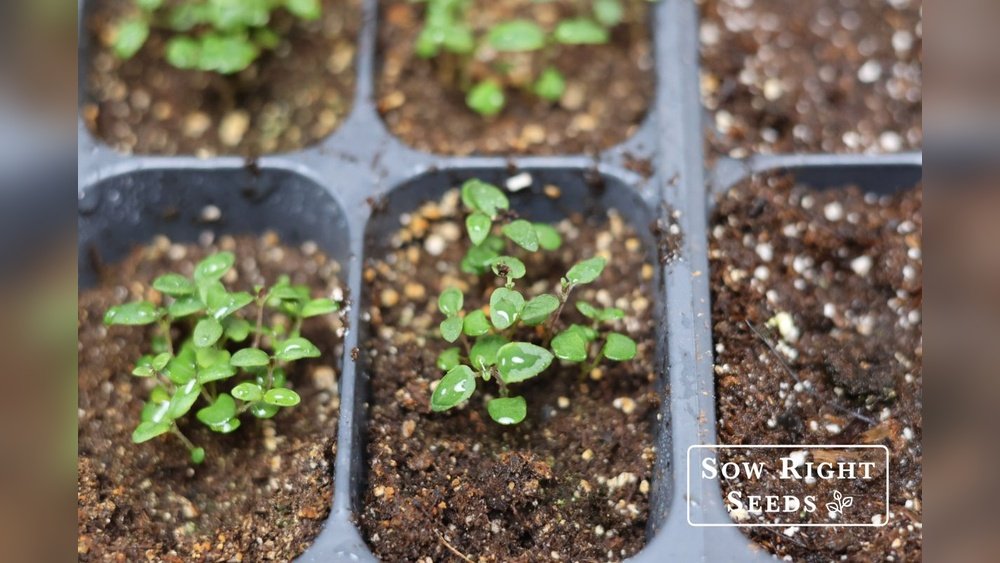
Credit: sowrightseeds.com
Preparing Seeds And Soil
Preparing thyme seeds and soil properly sets the stage for healthy growth indoors. The right seeds and soil mix help seedlings sprout strong and develop well. Moistening the soil just right keeps seeds from drying out or rotting. This preparation improves your chances of growing thyme successfully inside your home.
Choosing Quality Thyme Seeds
Select thyme seeds that look fresh and whole. Check the package date to ensure seeds are recent. Old seeds may not sprout well or take longer to grow. Choose organic seeds if possible to avoid chemicals. High-quality seeds lead to better germination rates and healthier plants.
Selecting The Right Seed-starting Mix
Pick a light, well-draining seed-starting mix for thyme seeds. Avoid heavy garden soil, which can hold too much water. A good mix contains peat, vermiculite, or perlite. This blend allows air and moisture to reach the seeds. Well-draining soil prevents root rot and supports steady growth.
Moistening The Soil Properly
Moisten the seed-starting mix evenly before planting thyme seeds. Use a spray bottle or gentle watering can to avoid washing seeds away. The soil should be damp but not soggy. Keep the soil moist during germination to help seeds sprout quickly. Too much water can cause seeds to rot, so check moisture daily.
Sowing Thyme Seeds
Sowing thyme seeds indoors requires careful attention to detail. Thyme seeds are tiny and delicate. Proper sowing ensures a good start for healthy plants. The right technique helps seeds germinate evenly and grow strong.
Surface Sowing Techniques
Thyme seeds need light to germinate. Spread seeds evenly on the soil surface. Use a fine mesh sieve for better control. Avoid clumping seeds together. Mist water gently to keep them moist. This method helps seeds sprout faster.
Avoiding Seed Covering
Do not cover thyme seeds with soil. Covering blocks light and slows germination. Thyme seeds require exposure to light. Leaving seeds uncovered improves germination rates. Keep soil moist but avoid overwatering. Use a clear plastic cover to maintain humidity.
Ensuring Good Soil Contact
Press seeds lightly into the soil surface. This improves contact without burying them. Good soil contact helps absorb moisture. Use a flat board or your hand to press gently. Avoid pressing too hard to prevent damage. Maintain even moisture until seeds sprout.
Creating The Ideal Environment
Creating the ideal environment is essential for growing thyme from seeds indoors. Thyme seeds need specific conditions to sprout and grow strong. The right temperature, light, and air flow help young plants thrive. Small changes can make a big difference in germination success and healthy growth.
Maintaining Warmth For Germination
Thyme seeds need warmth to start germinating. Keep the soil temperature between 65°F and 75°F. Use a heating mat or place the seed tray in a warm spot. Avoid cold drafts that can slow or stop seed sprouting. Consistent warmth helps seeds break dormancy and start growing quickly.
Providing Sufficient Light
Thyme seedlings need plenty of light to grow strong leaves. Place the seeds near a bright window or use grow lights. Aim for 12 to 16 hours of light daily. Light helps plants develop compact stems and rich green color. Without enough light, seedlings become leggy and weak.
Ensuring Proper Air Circulation
Good air flow prevents mold and disease on thyme seedlings. Use a small fan on low near your plants. Avoid stagnant air that creates damp conditions. Proper circulation strengthens stems and keeps the growing area dry. Fresh air helps young thyme plants stay healthy indoors.
Watering And Moisture Control
Watering and moisture control play a key role in growing thyme from seeds indoors. Thyme seeds need consistent moisture to sprout but too much water can harm them. Managing the right balance helps seedlings grow strong and healthy. Proper watering methods and moisture levels prevent common problems like mold and damping off.
Bottom Watering Methods
Bottom watering is an effective way to hydrate thyme seeds. Place the seed tray or pot in a shallow dish of water. Let the soil soak water from the bottom up. This prevents disturbing tiny seeds on the surface. It also keeps leaves dry, reducing the risk of fungal diseases. Remove the tray once the top soil feels moist.
Keeping Soil Moist But Not Soggy
Thyme seeds need soil that stays moist but not wet. Water gently whenever the top layer feels dry to the touch. Avoid overwatering as soggy soil can suffocate roots. Use a spray bottle for light watering to control moisture better. Consistent moisture encourages steady germination and healthy seedling growth.
Preventing Mold And Damping Off
Mold and damping off are common problems in thyme seedlings. These occur when soil stays too wet or air circulation is poor. Water early in the day to allow soil to dry before night. Use well-draining soil to avoid water buildup. Keep space between seedlings for airflow. Remove any moldy or unhealthy plants promptly.
Caring For Seedlings
Caring for thyme seedlings is a delicate step to ensure healthy growth. Seedlings need gentle attention and proper conditions to thrive indoors. Pay attention to light, moisture, and air circulation. This helps seedlings become strong and ready for transplanting.
Removing Covers After Sprouting
Once thyme seeds sprout, remove any plastic covers or domes. This prevents excess moisture and mold growth. Open air helps seedlings develop tough stems. Do this carefully to avoid damaging the tiny plants.
Thinning To Strongest Plants
Thyme seedlings often grow close together. Thin them by snipping weaker ones at soil level. Leave the strongest seedlings with enough space to grow. Proper spacing improves air flow and reduces competition for nutrients.
Using Fertilizer Sparingly
Use a weak, balanced fertilizer once seedlings develop a few true leaves. Too much fertilizer can harm young plants. Apply a diluted solution every two weeks. This supports steady growth without overwhelming the seedlings.

Credit: www.youtube.com
Transplanting And Growing On
After your thyme seedlings have grown strong enough, it is time to transplant them. Transplanting helps the plants develop a bigger root system and grow healthier. Moving thyme into larger pots gives more space for growth. Proper care during this stage ensures your thyme thrives indoors.
Choosing Pots And Containers
Select pots that are at least 6 inches deep. Clay or ceramic pots work well for thyme. They allow air to reach the roots and help prevent root rot. Avoid very large containers, as thyme prefers a snug space for its roots. Choose pots with enough room for several months of growth.
Providing Proper Drainage
Drainage is crucial for thyme plants. Use pots with drainage holes at the bottom. Add a layer of small stones or broken pottery before adding soil. This layer improves water flow and stops water from pooling. Well-drained soil prevents root rot and keeps the plant healthy.
Maintaining Light And Temperature Indoors
Thyme needs at least 6 hours of direct sunlight daily. Place pots near a south-facing window for best light. If natural light is limited, use a grow light to supplement. Keep the indoor temperature between 65°F and 75°F. Avoid placing thyme near cold drafts or heat vents. Consistent light and warmth help thyme grow strong.
Harvesting And Maintenance
Harvesting and maintaining thyme grown from seeds indoors ensures a healthy, flavorful herb for your kitchen. Regular care helps your thyme stay vibrant and productive. Proper harvesting techniques encourage new growth and keep the plant manageable.
Light Trimming For Bushiness
Trim thyme regularly to keep it compact and full. Cut back the tips of stems by a few inches. This promotes new shoots and prevents legginess. Avoid cutting more than one-third of the plant at once. Use clean scissors to make neat cuts. Light trimming also improves air circulation around the leaves.
Managing Woody Growth
Thyme stems become woody as the plant ages, reducing leaf growth. Remove old, thick stems near the base to refresh the plant. Cut them off carefully without damaging young shoots. Woody parts can make harvesting harder and reduce leaf quality. Regular pruning delays woodiness and keeps thyme soft and tender.
Dividing And Repotting Mature Plants
After three or four years, thyme plants may outgrow their pots. Divide the root ball into smaller sections with healthy stems. Repot each section into fresh, well-draining soil. This gives thyme room to grow and renews its energy. Choose pots with drainage holes to prevent waterlogging. Water lightly after repotting to help plants settle.
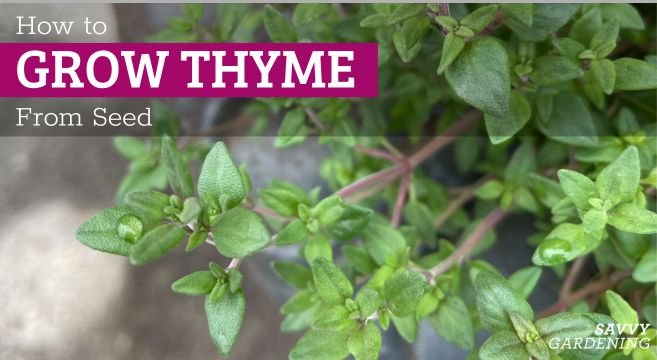
Credit: savvygardening.com
Troubleshooting Common Issues
Growing thyme from seeds indoors is rewarding but can come with challenges. Knowing how to fix common problems helps keep your plants healthy. This section guides you through typical issues and simple solutions.
Dealing With Slow Germination
Thyme seeds often take longer to sprout than other herbs. Keep the soil moist but not wet to encourage growth. Use a seed tray cover or plastic wrap to keep humidity high. Place the seeds in a warm spot, around 70°F (21°C). Patience is key; some seeds may take up to three weeks to germinate.
Preventing Fungal Problems
Too much moisture can cause fungal diseases on thyme seedlings. Avoid overwatering and allow the soil surface to dry slightly between waterings. Ensure good air circulation around your plants to reduce moisture buildup. Use a well-draining soil mix to prevent water from sitting at the roots. Remove any yellow or wilted leaves immediately to stop fungus spread.
Addressing Leggy Seedlings
Leggy seedlings grow tall and weak due to insufficient light. Move your thyme seedlings closer to a bright window or use a grow light. Provide 12 to 16 hours of light daily for sturdy growth. Rotate the pots regularly to ensure even light exposure on all sides. Pinch back the tops of seedlings to encourage bushier plants.
Frequently Asked Questions
How Long Does Thyme Take To Grow From Seed Indoors?
Thyme seeds take about 14 to 28 days to germinate indoors. Full growth to harvest usually requires 3 to 4 months. Provide consistent warmth, light, and moist soil for best results.
Can I Grow Thyme Indoors All Year Round?
Yes, you can grow thyme indoors all year round. Provide bright light, well-drained soil, and moderate watering. Trim lightly in spring to keep it compact.
Is It Difficult To Grow Thyme From Seed?
Growing thyme from seed is moderately easy but requires patience and consistent moisture. Seeds need light to germinate, so surface sow without covering. Keep soil lightly moist and warm for best results. Thin seedlings once they develop true leaves to encourage strong growth.
Should Thyme Seeds Be Soaked Before Planting?
Thyme seeds do not need soaking before planting. Sow them dry on moist soil surface for best germination.
Conclusion
Growing thyme from seeds indoors takes patience and care but is rewarding. Keep soil lightly moist and provide plenty of sunlight. Thin seedlings to avoid crowding and encourage healthy growth. Regular trimming helps keep your thyme plants bushy and fresh.
With consistent care, you can enjoy fresh thyme all year long. Growing herbs indoors saves money and adds flavor to your meals. Start small, and watch your thyme thrive in your home garden.