
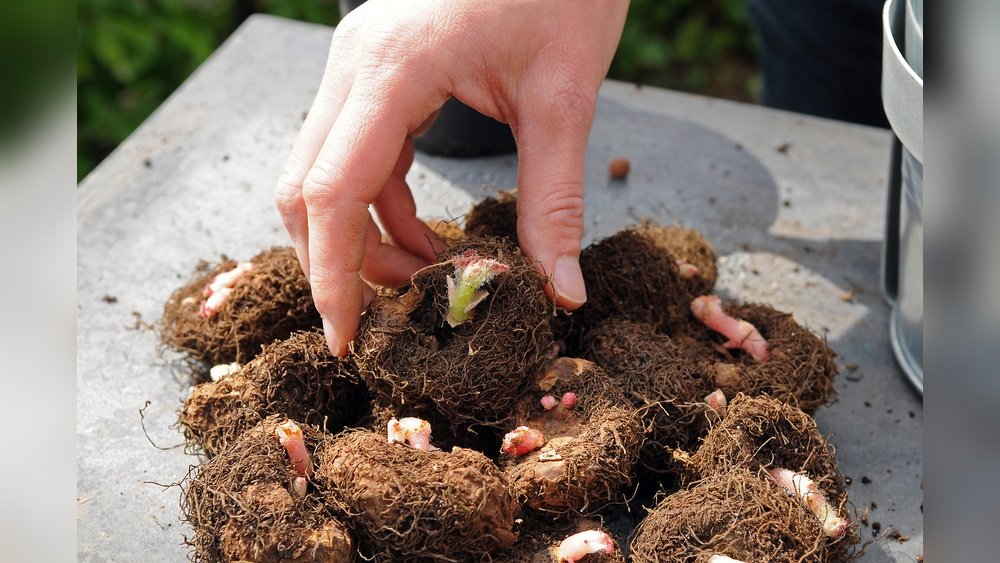
If you’ve ever wanted to brighten your home with beautiful, vibrant begonias, growing them from bulbs indoors is a rewarding way to do it. You might wonder how to get started or worry about keeping those delicate plants alive inside.
The good news? With just a few simple steps, you can watch your begonias grow strong and bloom beautifully right in your own space. In this guide, you’ll discover exactly how to plant, care for, and nurture begonia bulbs indoors so you can enjoy their stunning colors all year round.
Ready to transform your indoor garden? Let’s dive in!
Choosing Begonia Bulbs
Choosing the right begonia bulbs is the first step to growing healthy begonias indoors. The quality and type of bulb affect the plant’s growth and bloom. Understanding the different kinds of begonia bulbs helps you pick the perfect ones for your home garden.
Begonia bulbs come in various shapes and sizes. Each type has unique features that suit different growing conditions and preferences. Knowing where to buy quality bulbs ensures your begonias start strong and flourish beautifully indoors.
Types Of Begonia Bulbs
Begonia bulbs are often called tubers. They store nutrients to help the plant grow. The main types are tuberous and fibrous begonias.
Tuberous begonias have large, round bulbs. They produce big, bright flowers. These begonias prefer warm and humid indoor spaces. Fibrous begonias have smaller, more fibrous bulbs. They grow well in lower light and cooler rooms.
Some begonias are waxy or rhizomatous. These grow from thick stems instead of true bulbs but are still sold as bulbs. Each type offers different colors, shapes, and leaf textures to brighten your space.
Where To Buy Quality Bulbs
Buy begonia bulbs from trusted garden centers or online stores. Quality bulbs are firm and free from mold or soft spots. Avoid bulbs that look shriveled or damaged.
Specialty nurseries often carry a wide variety of begonias. These sources provide expert advice and healthy bulbs. Local garden shops may offer bulbs suited for your climate and indoor conditions.
Online retailers give access to rare and unusual begonia varieties. Check reviews and ratings before purchasing. Proper packaging ensures bulbs arrive in good condition for planting.
Preparing Bulbs For Planting
Preparing begonias bulbs for planting is the first step to a healthy indoor garden. Proper preparation helps tubers absorb water and start growing roots quickly. It also reduces the risk of disease and damage. Taking time to prepare bulbs ensures strong, vibrant plants later on.
Soaking And Cleaning Tubers
Start by soaking the tubers in lukewarm water for a few hours. This softens the bulbs and wakes them from dormancy. Use clean water to avoid introducing bacteria or fungi. After soaking, gently rub the tubers to remove any dirt or old soil. Clean tubers allow better root growth and reduce mold risks.
Checking For Damage
Inspect each tuber carefully after cleaning. Look for soft spots, cuts, or mold patches. Discard any damaged or rotten tubers to protect healthy ones. Healthy tubers feel firm and plump. Removing damaged parts early prevents disease spread and improves chances of success.
Selecting Containers And Soil
Choosing the right containers and soil helps begonias thrive indoors. The container size and soil type affect root health and plant growth. Selecting well-draining pots and nutrient-rich soil supports strong begonias. Begin with a pot that fits the tuber’s size and use soil that allows good air and water flow.
Pot Size And Drainage
Choose a pot slightly larger than the begonia bulb. A 4 to 6-inch pot is ideal for most tubers. Too large a pot holds excess moisture, causing rot. Ensure the pot has drainage holes to prevent water buildup. Place a saucer under the pot to catch excess water. Proper drainage stops roots from sitting in water.
Best Soil Mix For Begonias
Use a light, well-draining soil mix for begonias. Mix equal parts peat moss, perlite, and potting soil. This blend keeps soil moist but not soggy. Avoid heavy garden soil that holds too much water. Adding a small amount of compost improves nutrients. The right soil mix encourages root growth and healthy plants.

Credit: www.wikihow.com
Planting Bulbs Indoors
Planting begonia bulbs indoors is a simple task that sets the stage for healthy growth. Proper planting ensures the bulbs develop roots and shoots correctly. Indoor planting offers control over temperature and moisture, helping begonias thrive early.
Choose a well-draining potting mix and a container with drainage holes. This prevents water buildup and bulb rot. Keep the soil moist but not soggy. Maintain a warm environment around 70°F (21°C) for best results.
Correct Planting Depth
Plant begonia bulbs about 1 to 2 inches deep in the soil. This depth protects bulbs from drying out. Too shallow planting exposes bulbs and can cause drying. Too deep planting slows sprouting and growth.
Cover the bulbs lightly with soil. Press the soil gently to remove air pockets. This helps roots make good contact with soil.
Orientation Of The Bulbs
Place begonia bulbs with the pointed side facing up. The flat or slightly concave side goes down. This orientation allows shoots to grow upwards easily. Planting bulbs upside down delays sprouting or prevents growth.
Some bulbs have visible eyes or growth points. Make sure these face upward. Check bulbs carefully before planting to avoid mistakes.
Creating Ideal Growing Conditions
Creating the right environment is key to growing begonias from bulbs indoors. These plants need specific conditions to thrive and bloom beautifully. Small changes in temperature, humidity, and light can make a big difference. Start by understanding what begonias prefer in their indoor setting.
Temperature And Humidity
Begonias grow best in warm temperatures between 65°F and 75°F. Avoid sudden temperature changes or cold drafts. Keep them away from vents and open windows in winter. Begonias also like moderate humidity. Aim for 40% to 60% humidity to keep leaves healthy.
Use a humidifier or place a tray of water near your plants. Mist the leaves occasionally, but do not soak them. Too much moisture can cause bulb rot or fungal diseases. Maintaining steady warmth and humidity helps begonias develop strong roots and vibrant flowers.
Light Requirements
Begonias need bright, indirect light to grow well indoors. Direct sunlight can burn their delicate leaves. Place them near a north or east-facing window for gentle morning light. If natural light is limited, use fluorescent or LED grow lights.
Keep the light on for 12 to 14 hours daily to mimic their natural growing season. Rotate the pots weekly for even growth on all sides. Good light supports healthy leaves and encourages the bulbs to sprout and bloom on time.
Watering And Feeding
Watering and feeding begonias from bulbs indoors need careful attention. Proper moisture and nutrients help tubers grow strong and healthy. Overwatering can cause rot, while underwatering slows growth. Balanced feeding supports vibrant leaves and flowers. Understanding the right watering techniques and fertilizer tips improves your chances of success.
Watering Techniques
Begonia bulbs like moist but not soggy soil. Water the soil gently until it feels damp. Avoid letting water stand in the pot saucer. Wait until the top inch of soil feels dry before watering again. Use room temperature water to avoid shocking the roots. Watering from the bottom helps prevent crown rot. Ensure pots have good drainage holes for excess water to escape. Mist the leaves occasionally to increase humidity around the plant.
Fertilizer Tips
Feed begonias every two weeks during active growth. Use a balanced liquid fertilizer diluted to half strength. Too much fertilizer can burn the roots and leaves. Stop feeding once flowers start to fade or growth slows down. Organic fertilizers with slow release nutrients also work well. Follow package directions to avoid overfeeding. Regular feeding encourages lush foliage and bright blooms. Fertilize only when soil is moist to help nutrients absorb better.
Managing Growth And Maintenance
Managing growth and maintenance is key to healthy begonias indoors. Proper care ensures strong stems and vibrant leaves. Regular attention keeps your plants thriving and prevents problems early.
Supporting Stem Growth
Begonia stems can become weak or floppy as they grow. Use small stakes or sticks to support tall stems. Tie stems loosely with soft ties to avoid damage. This helps the plant stay upright and encourages sturdy growth. Rotate pots regularly to promote even light exposure. Strong stems support more leaves and flowers.
Pruning Dead Leaves
Remove dead or yellowing leaves promptly. Use clean scissors or pinch leaves off by hand. This prevents disease and pests from spreading. Pruning also improves air circulation around the plant. Healthy leaves keep the plant photosynthesizing well. Check your begonia weekly and remove any unhealthy foliage.
Dealing With Common Issues
Growing begonias from bulbs indoors is rewarding but involves some challenges. Common issues include rot, mold, and pests. Tackling these problems early keeps your plants healthy and vibrant. Understanding prevention and handling methods ensures better growth and fewer setbacks.
Preventing Rot And Mold
Rot and mold occur from too much moisture around the bulbs. Use well-draining soil to keep water moving away. Water the begonias only when the top soil feels dry. Avoid letting water sit in the pot saucer. Good air circulation helps bulbs stay dry and healthy.
Remove any dead leaves or debris from the soil surface. These can trap moisture and encourage mold growth. Keep the indoor humidity moderate. High humidity levels create a perfect environment for rot and mold to spread. Check bulbs regularly for any soft or discolored spots. Remove affected bulbs to stop rot from spreading to others.
Handling Pests Indoors
Indoor begonias can attract pests such as aphids, spider mites, and mealybugs. Inspect your plants often for tiny bugs or sticky residue. Use a gentle spray of water to wash off pests. For persistent infestations, apply insecticidal soap or neem oil. Avoid harsh chemicals that can harm indoor air quality.
Keep your growing area clean and free from fallen leaves or dead plant parts. Pests hide in cluttered spaces. Quarantine new plants before placing them near your begonias. This practice prevents introducing pests indoors. Healthy begonias resist pests better, so focus on proper care and feeding.
Extending Bloom Time
Extending the bloom time of your begonias indoors keeps your space colorful and lively longer. Proper care helps the flowers stay fresh and vibrant. Simple actions can encourage new blooms and prevent wilting. Follow these tips to enjoy begonias for weeks beyond their usual flowering period.
Deadheading Spent Flowers
Remove faded or dead flowers regularly. This stops the plant from using energy on old blooms. Cut the flower stem back to the base. Clean cuts help the plant focus on new buds. Deadheading also prevents disease and keeps the plant tidy. It encourages the growth of fresh flowers quickly.
Adjusting Care For Longer Blooms
Control watering carefully to avoid soggy soil. Begonias like moist but not wet roots. Use a balanced, water-soluble fertilizer every two weeks. This gives nutrients needed for strong blooms. Keep begonias in bright, indirect light for best results. Avoid direct sun, which can burn leaves. Maintain room temperature around 65-75°F (18-24°C). Cooler nights may help flowers last longer.

Credit: www.youtube.com
Preparing Bulbs For Next Season
Preparing begonia bulbs for the next season is essential for healthy growth. Proper care after flowering helps the bulbs stay strong. This process includes harvesting and storing tubers correctly. Also, prepping them before replanting ensures they sprout well indoors.
Harvesting And Storing Tubers
Wait until the leaves turn yellow and die back naturally. Gently dig up the tubers without damaging them. Brush off excess soil but do not wash them. Let the tubers dry in a warm, shaded spot for a few days. Store them in a cool, dry place with good air circulation. Use peat moss, vermiculite, or sawdust to keep them from drying out. Check regularly for any signs of rot or mold. Discard any soft or shriveled tubers to protect the healthy ones.
Prepping For Replanting
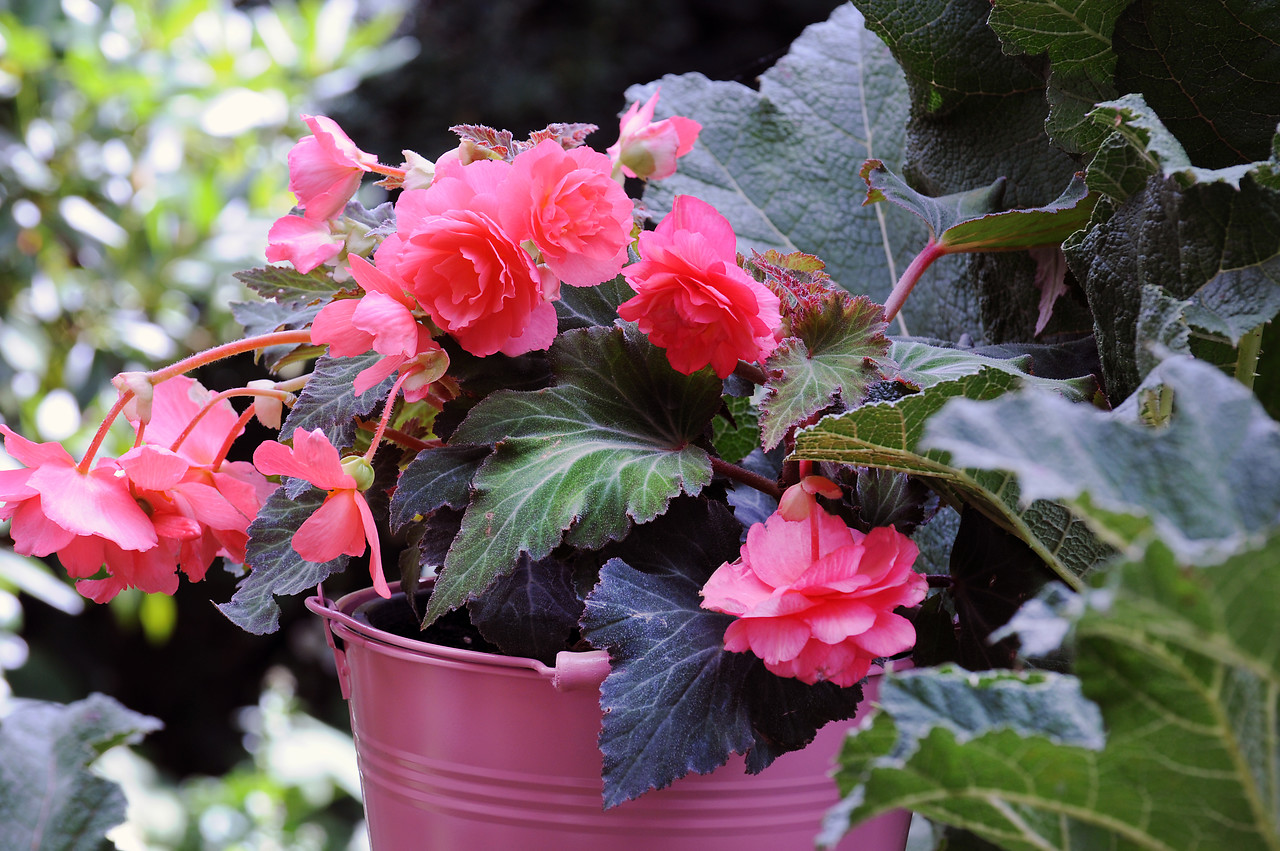
About two weeks before planting, inspect the tubers again. Soak them in lukewarm water for a few hours to rehydrate. This helps jump-start the sprouting process. Use clean pots with fresh, well-draining soil for planting. Place the tubers with the growing points facing up, just below the soil surface. Keep the soil moist but not waterlogged. Provide warmth and indirect light to encourage growth. Once sprouts appear, move the pots to a brighter spot for best results.
Credit: www.bulbblog.com
Frequently Asked Questions
How Long Do Begonias Take To Grow From A Bulb?
Begonias grow from bulbs in about 4 to 6 weeks. Start tubers indoors in well-drained soil and keep warm.
Do You Soak Begonia Tubers Before Planting?
Soaking begonia tubers before planting is optional. Some gardeners soak them in water to encourage faster sprouting. Avoid soaking too long to prevent rot. Plant tubers just below soil surface, concave side up, in well-drained soil. Keep soil moist but not wet for best growth.
How Do You Plant Begonias From Tubers Indoors?
Plant begonia tubers indoors in well-drained soil, concave side up, just below soil surface. Keep soil moist, warm, and bright. Avoid overwatering to prevent rot. Once leaves appear, move pots to sunny windowsill or under grow lights for healthy growth.
When Should I Wake Up My Begonia Tubers?
Wake begonia tubers indoors in late February or early March. Plant them just below soil surface, concave side up, in warm, well-drained soil.
Conclusion
Growing begonias from bulbs indoors brings beauty to any space. Start with healthy tubers and use well-drained soil. Keep the bulbs warm but avoid overwatering to prevent rot. Place pots in bright, indirect light once leaves appear. Regular care helps begonias thrive and bloom beautifully.
With patience and attention, indoor begonias will brighten your home for months. Enjoy the simple joy of growing these lovely plants yourself.